








National Assessing Engineering Logo

National Assessing & Engineering

Australia’s Most Trusted Vehicle Assessor

Rectangle 22607
Ellipse 56
About Us

National Assessing & Engineering

Our staff at National Assessing and Engineering have over 50 years combined industry experience.

We only hire experienced staff that are fully qualified in the smash repair industry, and that have a passion for ensuring vehicles get repaired properly.

What We Do

We at National Assessing and Engineering are accident management experts in Australia. We are here to ensure that after a car accident, your car and your situation is taken care of so that you can get back on the road as quickly as possible, and in the same state as before the accident.

From ensuring that car repairs have been done correctly and up to standard, to assessing quotes and bills to repair your car or the other party’s car, we make sure that you are getting a fair deal throughout and not being taken advantage of.

We can also help when it comes to court cases. Being recognised by the courts in NSW to produce expert witness statements, we are able to help you present your arguement and explain all the technicalities when it comes to vehicles, to help your case.

We also offer car valuations which reflect the true value of your car, not what some book tells you. We provide market accurate valuations, whether you are buying a car, selling your car, or applying for insurance, so that you know its real worth and can get a fair deal.

If you are looking to buy a car, we offer pre-purchase car inspections so that you can find out the true condition of the car and get to know its history, including any accidents, damage and repairs its had. This allows you to make an informed decision on what it’s really worth, and what you should pay for it.

We service all of Australia, with assessors operating in every state. So no matter where you live, we can help you!

Contact us today by calling 1800 844 999 or email us on and let’s get your car sorted!

Our Services

How We Can Help You

We Service All of Australia

Why Choose Us
What Makes Us Unique

Testimonials

What Our Clients Say
We Have Worked With

Latest Blogs

Car ValuationsDo Modified Cars Have a Higher or Lower Valuation

Do Modified Cars Have a Higher or Lower Valuation?

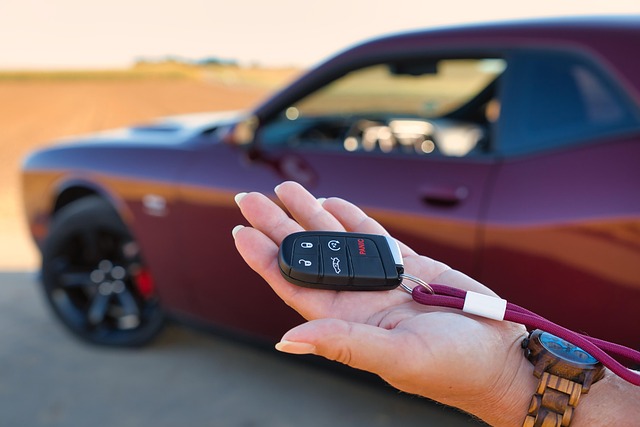
When it comes to vehicle valuations, modified cars present a unique challenge. Whether you’ve added performance upgrades, aesthetic enhancements, or functional modifications to your vehicle, these changes can significantly impact its market value—sometimes positively, but often negatively. Understanding how modifications affect your car’s valuation and what affects the value of your car is essential, especially if you’re planning to sell, insure, or make an insurance claim after an accident. How Modifications Impact Car Valuations The relationship between modifications and car valuation isn’t straightforward. Contrary to what many car enthusiasts believe, modifications don’t automatically increase a vehicle’s value. In fact, many modifications can actually decrease a car’s value in the eyes of insurance companies, assessors, and potential buyers. Professional modifications that enhance performance, safety, or functionality might add value in specific markets. For example, thoughtfully upgraded four-wheel drives with quality aftermarket suspension, bull bars, and recovery equipment may command premium prices among off-road enthusiasts in the Australian market. Similarly, tasteful modifications to collector vehicles using rare or period-correct parts can increase value in specialist circles. However, most mainstream modifications typically result in value depreciation. Significant engine modifications, extreme body kits, and non-standard paint jobs can reduce a car’s appeal to the average buyer. Insurance assessors and professional valuers often view heavily modified vehicles as higher risk, with potential reliability issues and unknown quality of installed components. Modifications That May Increase Value Certain modifications can positively impact a car’s valuation, particularly when they’re performed professionally and enhance the vehicle’s functionality. Factory-approved accessories and dealer-fitted options typically retain value better than aftermarket alternatives. These might include manufacturer-approved tow packages, roof racks, or navigation systems that integrate seamlessly with the vehicle. In Australia’s harsh climate, practical modifications like window tinting (within legal limits), quality bull bars, and underbody protection can be value-adding features, especially for vehicles in regional and rural areas. These modifications serve a clear purpose without compromising the vehicle’s integrity or appearance. Some performance upgrades can also add value when done properly and with documentation. Professional ECU remapping by respected tuners, high-quality suspension upgrades, and reputable brake improvements might appeal to discerning buyers who understand and appreciate these enhancements. However, the market for such modified vehicles is typically smaller than for standard cars. Modifications That Usually Decrease Value Many modifications that car enthusiasts love can significantly decrease a vehicle’s market value. Extensive engine modifications, especially those that push components beyond factory specifications, often raise concerns about reliability and longevity. Potential buyers and assessors may worry about increased wear and tear, voided warranties, and future repair costs. Extreme aesthetic modifications like custom paint jobs, oversized wheels, and aftermarket body kits typically reduce a car’s appeal to mainstream buyers. While these modifications might attract attention within niche communities, they generally limit the pool of potential buyers and consequently reduce market value. Non-reversible modifications are particularly problematic for valuation. Structural changes like roof chops, body panel modifications, or interior reconfigurations that cannot easily be returned to standard can dramatically decrease a car’s value. Likewise, poor-quality...
Read More
Car ValuationsWhat Sellers Should Know About Car Valuation in Australia

What Sellers Should Know About Car Valuation in Australia

Navigating the car valuation process in Australia can be complex, whether you’re planning to sell your vehicle, trade it in, or are dealing with an insurance claim after an accident. Understanding how cars are valued in the Australian market is essential for ensuring you receive a fair price. This article explores the intricacies of car valuation in Australia, providing sellers with comprehensive information to maximise their vehicle’s value and make informed decisions. How Cars Are Valued in Australia Car valuation in Australia follows specific methodologies that consider various aspects of the vehicle. Professional valuers examine multiple factors to determine a fair market value, which represents what a willing buyer would reasonably pay a willing seller in the current market conditions. The primary method used by assessors is comparative market analysis, where they research similar vehicles currently for sale or recently sold in the Australian market. This analysis takes into account the make, model, year, condition, mileage, and regional market variations. Assessors often use specialised databases and industry guides such as RedBook, Glass’s Guide, or Carsales data to establish baseline values. Another approach is the cost method, which calculates the replacement cost of the vehicle minus depreciation. This method is particularly relevant for newer vehicles or rare models where comparative data might be limited. Assessors consider the original purchase price, age-related depreciation, and the cost of replacing the vehicle with an equivalent model in today’s market. Key Factors That Impact Your Car’s Value Understanding the factors that influence your car’s value can help you set realistic expectations when selling. The age of your vehicle is perhaps the most significant factor, with most cars losing 15-35% of their value in the first year and up to 50% by the third year. This depreciation curve varies significantly between makes and models, with premium brands often holding their value better in the Australian market. Mileage plays a crucial role in vehicle valuation, with lower kilometres generally commanding higher prices. In Australia, the average annual mileage is approximately 13,400 kilometres, and vehicles exceeding this benchmark may see their value decrease more rapidly. However, well-maintained high-mileage vehicles can still retain good value if they’ve been serviced regularly. The vehicle’s condition significantly impacts its valuation. Assessors examine both mechanical and cosmetic aspects, including the engine, transmission, interior, paintwork, and body panels. Visible damage, wear and tear, and signs of poor maintenance all detract from the value. Conversely, a vehicle in exceptional condition with a full service history can command a premium in the Australian market. Documentation and Service History A comprehensive service history is invaluable when establishing your car’s worth in Australia. Regular servicing at authorised dealerships or reputable mechanics, with documentation to prove it, demonstrates that the vehicle has been well-maintained throughout its life. This documentation provides potential buyers with confidence and can significantly increase the perceived value of your car. Important documents include the original owner’s manual, service logbook with stamps, receipts for repairs and maintenance, and any warranty information. These records should show consistent...
Read More
Car ValuationsHow to Spot an Overvalued Car When Buying Second-Hand

How to Spot an Overvalued Car When Buying Second-Hand

When shopping for a second-hand car in Australia, one of the biggest concerns for buyers is ensuring they’re getting good value for their money. The used car market can be a minefield of overpriced vehicles, with sellers sometimes inflating prices well beyond a vehicle’s actual worth. Understanding how to identify an overvalued car can save you thousands of dollars and prevent buyer’s remorse down the track. This article will guide you through the key indicators of an overpriced used car and provide practical strategies to ensure you pay a fair price. Key Indicators of an Overvalued Second-Hand Car Comparing Market Values The first step in identifying an overvalued car is to research the market thoroughly. In Australia, resources like RedBook, Glass’s Guide, and Carsales offer comprehensive price guides that show what similar vehicles are selling for. When examining these resources, look for cars of the same make, model, year, trim level, and with similar kilometres on the odometer. A significant discrepancy between the asking price and the average market value is an immediate red flag that the car might be overvalued. It’s also worth checking multiple online marketplaces such as Carsales, Gumtree, and Facebook Marketplace to compare prices across different platforms. Sometimes sellers on private platforms might be asking for more than dealerships or vice versa. Having this broader perspective gives you better negotiating power and helps you recognise when a price is unreasonably high for the Australian market. Unrealistic Depreciation Calculation Understanding how vehicles depreciate is crucial when assessing value. Most new cars lose 15-35% of their value in the first year and up to 50% by the third year. If a seller is asking for a price that doesn’t reflect this natural depreciation curve, they may be overvaluing the vehicle. Calculate what percentage of the original price is being asked and compare it to typical depreciation rates for that specific make and model in Australia. Luxury vehicles and certain European brands often depreciate faster than Japanese or Korean cars, while popular Australian models like the Toyota HiLux or Ford Ranger might retain their value better due to high demand. Being aware of these brand-specific depreciation patterns can help you spot when a seller’s asking price defies logical depreciation expectations. Condition vs Price Mismatch A car’s physical condition should be directly reflected in its price. Scratches, dents, worn upholstery, mechanical issues, or outdated features should all reduce a vehicle’s value. If a seller is asking top dollar for a car with obvious wear and tear or needed repairs, the vehicle is likely overvalued. Be particularly wary of cosmetic enhancements that might be hiding more serious issues – a fresh coat of paint or new seat covers could be concealing rust or interior damage. Australian-specific concerns like sun damage to paint and interiors are particularly relevant. Our harsh climate can accelerate wear on vehicles, especially those parked outdoors in coastal or northern regions. Check for faded paint, cracked dashboards, and deteriorated rubber seals – all signs that a car has...
Read More
Car ValuationsHow to Use a Car Valuation for Negotiating a Better Price

How to Use a Car Valuation for Negotiating a Better Price

Negotiating a car’s price can be a daunting task, especially without proper knowledge of its true market value. Whether you’re buying, selling, or dealing with an insurance claim, having an accurate car valuation gives you leverage during negotiations. This article will guide you through using car valuations effectively to secure a better price, with specific insights relevant to the Australian automotive market. How to Effectively Use Car Valuations in Price Negotiations The first step in using car valuations for negotiation is obtaining an accurate, professional assessment. Independent valuations from qualified assessors provide an objective figure based on the vehicle’s actual condition, market trends, and comparable sales data. Unlike online estimators that provide rough estimates, professional vehicle valuations consider detailed factors such as modifications, service history, and the specific Australian market conditions. When buying a car, bring your valuation documentation to the negotiation table. If a dealer or private seller has priced the vehicle above its assessed value, politely present your valuation report and use it as a starting point for discussion. For example, you might say, “I understand you’re asking $15,000, but I have a professional valuation showing the market value is closer to $13,500. Could we discuss meeting somewhere in between?” This approach demonstrates you’ve done your homework and creates a fact-based foundation for negotiations. For sellers, a professional valuation prevents underpricing your vehicle. Many Australians sell their cars for less than market value simply because they rely on outdated information or dealer offers that prioritise profit margins. Having documentation of your car’s true worth allows you to confidently defend your asking price and resist lowball offers. It also helps you set a realistic price from the beginning, attracting serious buyers who recognise the fair market value. Using Valuations for Insurance Negotiations Insurance claims represent another critical scenario where valuations prove invaluable. When your vehicle is written off, insurers often offer settlements based on their own assessments, which may undervalue your car. An independent valuation provides counter-evidence to negotiate a higher payout. Australian insurance policies typically promise to cover the “market value” or “agreed value” of your vehicle, and an independent assessment helps ensure this promise is fulfilled. In cases of dispute, having a detailed valuation from a certified assessor can make the difference between accepting an inadequate offer and receiving fair compensation. For instance, a comprehensive valuation will account for recent repairs, aftermarket accessories, and the vehicle’s pre-accident condition—factors that insurance assessors might overlook or undervalue in their calculations. The timing of obtaining a valuation is also crucial. For insurance disputes, arrange an independent assessment as soon as possible after the incident, before repairs begin or the vehicle is disposed of. This ensures the assessor can evaluate the actual condition rather than relying on photographs or descriptions, strengthening your negotiating position. Understanding Different Types of Car Valuations Not all car valuations serve the same purpose, and using the right type strengthens your negotiating position. In Australia, several valuation methods exist, each appropriate for different scenarios. Trade-in valuations typically...
Read More
Car ValuationsHow to Prepare Your Car for a Higher Valuation

How to Prepare Your Car for a Higher Valuation

Preparing your car for a higher valuation is a strategic process that can significantly impact the amount you receive when selling or claiming insurance. Whether you’re planning to sell your vehicle, trade it in, or need an accurate assessment for insurance purposes after an accident, proper preparation can make a substantial difference in the final valuation. Taking the time to enhance your car’s condition and presentation doesn’t just improve its appearance—it directly affects its perceived and actual value in the marketplace. Effective Ways to Increase Your Car’s Valuation Increasing your car’s valuation requires attention to both cosmetic appearance and mechanical condition. By addressing these key areas, you can potentially add hundreds or even thousands of dollars to your car’s value. Professional assessors and potential buyers alike will notice these improvements and factor them into their valuation calculations. The first step in maximising your car’s value is thorough cleaning and detailing. A professional-grade detail can transform your vehicle’s appearance, making it look newer and better maintained. This includes exterior washing, polishing, and waxing to restore shine and protect the paint. Interior detailing should address carpets, upholstery, dashboard, and all surfaces to remove stains, odours, and general wear. The engine bay should also be cleaned carefully, as this demonstrates meticulous maintenance to assessors. Mechanical maintenance is equally crucial for achieving a higher vehicle valuation. Ensure all scheduled services are up-to-date and documented with receipts and service records. Address any warning lights or mechanical issues before valuation. Replace worn items like wiper blades, burnt-out lights, and balding tyres. Consider having a pre-assessment inspection to identify and fix any potential issues that might negatively impact your valuation. Repairing Cosmetic Damage Minor cosmetic repairs can yield significant returns on investment when preparing for a car valuation. Small dents, scratches, and paint chips may seem insignificant individually, but collectively they create an impression of neglect that can substantially lower your car’s value. Professional paintless dent removal services can address small dents without requiring expensive repainting, while touch-up paint can effectively conceal minor scratches and chips. Windscreen damage requires particular attention, as even small chips can expand into larger cracks over time. Many insurance policies cover windscreen repairs at no excess cost, making this an easy fix before valuation. Addressing scuffed wheels, damaged trim pieces, and cracked light covers also contributes to a positive overall impression. Remember that assessors evaluate the entire vehicle’s condition, so attending to these details demonstrates comprehensive care. Documentation and Service History Complete documentation is a powerful tool for achieving a higher car valuation. A comprehensive service history with all maintenance records demonstrates that the vehicle has been properly cared for throughout its life. Collect and organise all service booklets, receipts, and documentation from repairs or modifications. This paperwork provides concrete evidence of your vehicle’s maintenance history and helps justify a higher valuation. Beyond routine service records, documentation of any upgrades, modifications, or replacement parts adds further value. Factory-approved modifications or genuine parts replacements should be highlighted, as these maintain manufacturer specifications and...
Read More
Car ValuationsHow to Get the Best Valuation When Selling Your Car

How to Get the Best Valuation When Selling Your Car

Getting the best valuation when selling your car requires preparation, knowledge, and strategic timing. Whether you’re upgrading to a newer model or simply want to maximise your return on investment, understanding how to properly present and negotiate the sale of your vehicle can significantly impact the final price you receive. This article will guide you through the essential steps to ensure you get the highest possible valuation when selling your car in Australia. How to Maximise Your Car’s Value Before Selling To achieve the best possible valuation for your vehicle, you need to start with thorough preparation. Professional car assessors consistently note that well-maintained, clean vehicles command higher prices and attract more interested buyers. Begin by addressing any minor mechanical issues that might be present. Even small problems like a faulty indicator or worn wiper blades can give potential buyers leverage to negotiate your price downward or create the impression that the vehicle hasn’t been properly maintained. Documentation plays a crucial role in establishing your car’s value. Collect all service records, registration papers, and maintenance receipts to create a comprehensive history of your vehicle’s care. A well-documented maintenance history demonstrates to potential buyers that the car has been regularly serviced and properly maintained, which can justify a higher asking price. Australian buyers particularly value vehicles with complete logbook servicing, as this provides confidence in the vehicle’s condition and can significantly impact resale value. Appearance matters tremendously when selling a car. Invest in a professional detailing service that includes exterior washing, polishing, and interior deep cleaning. Professional detailing typically costs between $150-$300 but can potentially add $500-$1,000 to your car’s perceived value. Pay special attention to removing any unpleasant odours, particularly those from pets or cigarette smoke, as these can be major deterrents for potential buyers and significantly reduce your car’s valuation. Timing Your Sale for Maximum Value The timing of your car sale can significantly impact the valuation you receive. Australian market trends show that convertibles and sports cars typically sell for higher prices during spring and summer months when buyers are more interested in recreational vehicles. Conversely, 4WD and SUV models often command better prices during autumn and winter when their all-weather capabilities are more appealing to potential buyers. Market awareness is essential for optimal timing. For example, selling just before the release of a new model of your vehicle can help you avoid the price drop that typically occurs when newer versions enter the market. Additionally, understanding the current economic climate is important – during economic downturns, budget-friendly, fuel-efficient vehicles often maintain their value better than luxury or high-consumption models. The end of the financial year (June in Australia) can be an advantageous time to sell, particularly to businesses looking to make purchases before the tax year closes. Similarly, December can be a good selling period as many Australians receive year-end bonuses and may be looking to purchase vehicles. Being strategic about when you list your car can potentially add hundreds or even thousands of dollars to your...
Read More
Car ValuationsThe Importance of Regular Car Valuations for Fleet Owners

The Importance of Regular Car Valuations for Fleet Owners

Regular car valuations are a crucial aspect of fleet management that often goes overlooked until vehicles need replacement or financial audits occur. For fleet owners and managers across Australia, understanding the current market value of each vehicle in your fleet can significantly impact financial planning, insurance coverage, and overall business operations. This article explores why regular valuations are essential for fleet owners and how they can benefit your business. How Regular Car Valuations Benefit Fleet Owners Regular professional car valuations provide fleet owners with accurate information about their vehicular assets, which serves as the foundation for numerous business decisions. When you know the precise value of each vehicle in your fleet, you can make informed choices about maintenance, replacement cycles, and financial planning. For Australian fleet owners, vehicle depreciation rates can vary significantly based on make, model, and market conditions. Luxury vehicles typically depreciate at different rates compared to commercial vans or utility vehicles. A professional valuation takes these factors into account, providing you with realistic figures rather than rough estimates that might not reflect current market conditions. Additionally, regular valuations help identify the optimal time to sell or replace vehicles. The traditional approach of replacing vehicles after a set number of years may not always be financially advantageous. With up-to-date valuations, you can identify when a vehicle is approaching the steepest part of its depreciation curve and sell it before it loses significant value, maximising your return on investment. Financial Planning and Budgeting One of the primary benefits of regular fleet valuations is improved financial planning. When you have accurate data about your fleet’s current value, you can make more precise projections about future capital expenditure needs. This allows for better budgeting and allocation of resources within your organisation. Australian businesses must account for their vehicle assets correctly in financial statements and tax declarations. Regular professional valuations ensure compliance with Australian Taxation Office requirements and accounting standards. This is particularly important for larger fleets where vehicle assets represent a significant portion of the company’s overall assets. Furthermore, knowing your fleet’s value helps in calculating the total cost of ownership (TCO) for each vehicle. This comprehensive metric includes purchase price, depreciation, maintenance, fuel, and other operating costs. With accurate valuation figures, your TCO calculations become more reliable, allowing you to identify which vehicles offer the best value and which ones are becoming financial burdens. Insurance Optimisation Insurance coverage for fleet vehicles represents a significant ongoing expense for Australian businesses. Without accurate valuations, many fleet owners end up either over-insuring or under-insuring their vehicles, both of which have negative financial implications. Over-insuring occurs when insurance coverage is based on outdated or inflated vehicle values, resulting in unnecessarily high premiums. With regular professional valuations, you can adjust your coverage to match the current market value of your vehicles, potentially saving thousands of dollars annually on premium payments. Conversely, under-insuring happens when coverage doesn’t reflect the true replacement cost of vehicles. This can leave your business financially vulnerable in case of accidents or...
Read More
Car ValuationsWhen Should You Get Your Car Valued

When Should You Get Your Car Valued?

Determining the right time to value your car is a crucial decision for many Australian vehicle owners. Whether you’re considering selling, need to update your insurance, or are curious about your asset’s worth after an accident, timing can significantly impact the valuation outcome. This article explores the optimal circumstances for getting your car professionally valued and how to ensure you receive an accurate assessment. Optimal Times to Get Your Car Valued When Planning to Sell Your Vehicle One of the most common reasons to get your car valued is when you’re planning to sell it. Obtaining a professional valuation before listing your vehicle for sale provides you with a realistic price point based on current market conditions. This prevents you from undervaluing your asset and losing potential profit or overpricing it and deterring potential buyers. In the Australian market, where used car prices can fluctuate significantly, having an up-to-date valuation gives you confidence during negotiations and helps you achieve a fair sale price. The timing of your valuation relative to your selling plans is also important. Ideally, you should get your car valued no more than 2-4 weeks before listing it for sale. Market conditions can change rapidly, and a valuation from several months ago may no longer accurately reflect your vehicle’s current worth. Additionally, seasonal factors can affect car values in Australia, with convertibles potentially commanding higher prices during summer months and 4WD vehicles seeing increased demand during winter in certain regions. After an Accident or Significant Damage Following a collision or significant damage to your vehicle, obtaining a professional valuation is essential. This assessment helps determine whether repairs are economically viable or if the car should be written off. In Australia, insurance companies often arrange their own assessments, but having an independent valuation from a qualified car assessor like National Assessing & Engineering can ensure you receive fair treatment and appropriate compensation. The ideal timing for post-accident valuation is as soon as possible after the incident, once the vehicle is accessible and safe to inspect. Delaying a valuation could complicate your insurance claim process and potentially result in disputes about the pre-accident condition of the vehicle. Australian insurance policies typically have specific timeframes for reporting accidents and submitting valuation reports, so prompt action is crucial to protect your interests. When Updating Insurance Policies Many Australian car owners overlook the importance of regular valuations for insurance purposes. If your car is insured for an agreed value rather than market value, periodic valuations ensure your coverage accurately reflects your vehicle’s worth. This is particularly important for luxury, classic, or modified vehicles, where standard insurance calculations may not capture the true value. The optimal schedule for insurance-related valuations depends on your vehicle type and how quickly it depreciates. As a general rule, obtaining a new valuation every 12-24 months helps keep your insurance coverage appropriate. Additionally, you should consider getting a fresh valuation after completing significant modifications or restorations that enhance your vehicle’s value, ensuring these improvements are reflected in your...
Read More
Car Repair InformationWill Car Insurers Insure A Hail Damaged Car

Will Car Insurers Insure A Hail Damaged Car?

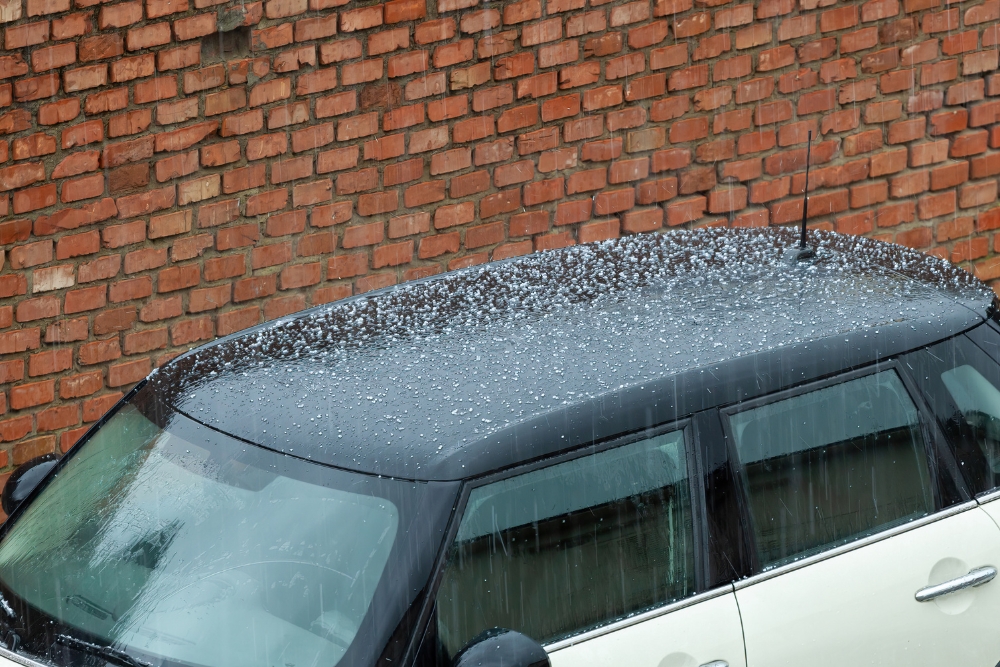
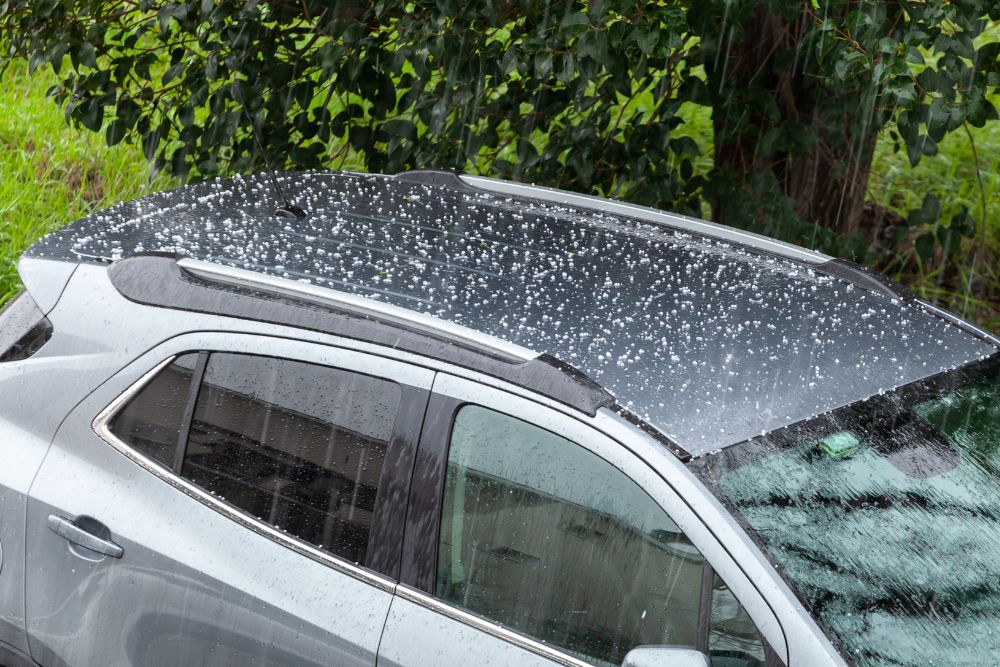
Hail damage can be a significant concern for car owners, especially in Australia where severe storms can cause extensive damage to vehicles. Many car owners wonder if they can still obtain insurance for a vehicle that has already sustained hail damage. This article explores the complexities of insuring hail-damaged vehicles, what options are available, and what factors insurers consider when making their decisions. Can You Insure a Car with Existing Hail Damage? Yes, it is possible to insure a car with pre-existing hail damage in Australia, but there are important caveats and conditions that apply. Most insurance companies will consider providing coverage for hail-damaged vehicles, but the type and extent of coverage may differ significantly from what’s offered for undamaged vehicles. Generally, insurers approach hail-damaged vehicles in one of several ways. Some insurers may agree to cover the vehicle fully but exclude any claims related to the pre-existing hail damage. This means if your car has dents on the roof and bonnet from a previous hailstorm, the insurer will note these damaged areas and exclude them from future claims unless you repair them first. Other insurers might offer reduced coverage, such as third-party property damage only, which covers damage you cause to other vehicles or property but not damage to your own vehicle. This option is often less expensive than comprehensive coverage but provides significantly less protection for your vehicle. Disclosure Requirements When applying for insurance for a hail-damaged car, full disclosure of the existing damage is absolutely essential. Failing to disclose pre-existing damage could constitute insurance fraud and may result in your policy being voided if discovered later. During the application process, insurers typically ask specific questions about the condition of your vehicle, including whether it has sustained any damage. In many cases, insurers will request photographs of the vehicle from multiple angles or may require a physical inspection before agreeing to provide coverage. This helps them accurately assess the extent of the damage and determine appropriate coverage and premiums. Be prepared to document all existing damage thoroughly and honestly to avoid complications with your policy. Premium Implications Insuring a hail-damaged car can affect your premiums in various ways. In some instances, you might actually pay lower premiums because the insurer is excluding coverage for the damaged areas. However, this means you’re essentially self-insuring those damaged components of your vehicle. Conversely, some insurers may charge higher premiums due to the increased risk associated with pre-existing damage. They might consider that a vehicle with hail damage could be more susceptible to further damage or complications in the future. Each insurance company has its own risk assessment models and pricing structures, so it’s worth shopping around for quotes from different providers. Options for Owners of Hail-Damaged Cars If you own a hail-damaged car, you have several options to consider regarding insurance and repairs. Each option has its own advantages and disadvantages depending on your specific circumstances and the extent of the damage. The most straightforward option is to repair the hail...
Read More
Crash Data RecoveryCDR For Car Accident Fraud

Using Crash Data Recovery (CDR) to Determine Fraudulent Car Accident Claims

Car accident fraud is a growing concern in Australia, leading to inflated insurance costs and unjust claim denials. Fortunately, advanced technologies like Crash Data Recovery (CDR) are revolutionising how insurance companies, law enforcement, and independent car assessors investigate suspicious claims. This article explores how CDR systems help determine fraudulent car accident claims in Australia, offering insights into the technology, processes, and benefits of this data-driven approach. How CDR Works to Identify Fraudulent Car Accident Claims Crash Data Recovery systems, also known as Event Data Recorders (EDRs) or “black boxes,” capture and store critical information about a vehicle’s operation before, during, and after a collision. Modern vehicles typically contain numerous electronic control modules that record data about the vehicle’s speed, braking patterns, steering inputs, airbag deployment, seatbelt usage, and engine performance. When a potential collision is detected, these systems save the data, creating a detailed digital fingerprint of the incident. The process of extracting CDR data requires specialised equipment and trained professionals. Technicians connect diagnostic tools to the vehicle’s onboard diagnostic port or directly to the relevant control modules. Using manufacturer-specific software, they can download and interpret the stored information. This data is then analysed alongside physical evidence, witness statements, and other investigative findings to create a comprehensive picture of what actually occurred during the accident. Unlike verbal accounts that may be influenced by stress, confusion, or deliberate deception, CDR data provides objective measurements recorded in millisecond increments. For example, the system might record that a vehicle was travelling at 85 km/h five seconds before impact, with no braking activity until one second before collision—directly contradicting a driver’s claim of travelling at the speed limit and attempting to brake well in advance. Key Parameters Measured by CDR Systems CDR systems capture numerous data points that can be crucial in identifying fraudulent claims. Vehicle speed is perhaps the most valuable parameter, as it’s recorded at various intervals before impact (typically in half-second or one-second increments). This creates a speed profile that can reveal if a driver was speeding, slowing, or maintaining consistent velocity before the crash. Acceleration and deceleration data show how quickly a vehicle was gaining or losing speed, which helps determine if emergency braking occurred or if a vehicle was deliberately accelerated into a collision. Throttle position information reveals how much the accelerator pedal was depressed, indicating whether a driver was actively trying to increase speed. Steering wheel angle data shows what directional inputs the driver made before and during the crash, potentially revealing evasive manoeuvres or deliberate steering toward another vehicle. Brake application data indicates exactly when brakes were applied and with what force, while seatbelt status shows whether occupants were properly restrained—information that can contradict injury claims. Modern CDR systems may also record additional parameters like stability control activation, airbag deployment timing and sequence, crash severity (measured in delta-V or change in velocity), and even pre-crash warning system activations. When combined, these data points create a detailed timeline that can be compared against insurance claims and witness statements...
Read More
Car ValuationsVintage Car Valuation

Vintage Cars: How to Determine Their True Value

Determining the true value of a vintage car involves a complex evaluation of numerous factors including historical significance, condition, rarity, and market demand. Whether you’re a collector, enthusiast, or considering an investment in classic automobiles, understanding how to accurately assess a vintage car’s worth is essential for making informed decisions. This comprehensive guide explores the methodologies and considerations that influence vintage car valuations in the Australian market. How to Accurately Determine the Value of a Vintage Car Accurately determining the value of a vintage car requires a systematic approach that accounts for multiple variables. Unlike modern vehicles, classic cars don’t depreciate in a predictable manner, and their valuation often involves both objective assessment and subjective appreciation of their historical context. The first step in determining a vintage car’s value is authenticating its originality. Original vehicles with matching numbers (engine, chassis, and body numbers that correspond to factory records) typically command higher prices than restored or modified examples. Factory documentation, build sheets, and heritage certificates can verify a car’s provenance and significantly impact its value. In Australia, where European and American classics were often imported and locally assembled, documentation of a vehicle’s entry into the country and subsequent history is particularly valuable. The condition of a vintage car is perhaps the most critical factor in its valuation. Professional car valuers typically grade vehicles on a scale ranging from concours condition (museum quality) to parts car (useful only for salvaging components). A meticulous inspection of the body, undercarriage, mechanical systems, interior, and cosmetic details is essential. Rust is especially detrimental to value in the Australian market, where coastal environments can accelerate corrosion. Original paint, if well-preserved, can significantly enhance value, as can period-correct components and accessories. Rarity and Historical Significance Rarity plays a fundamental role in vintage car valuation. Limited production models, special editions, and vehicles with unique factory options can command substantial premiums. In the Australian context, locally produced vehicles with documented historical significance – such as those connected to Australian motorsport history or cultural milestones – often attract particular interest from collectors. Production numbers only tell part of the story; survival rate is equally important. For example, certain Australian-built vehicles that were once common but have since become scarce due to harsh conditions or practicality can command surprising values. Understanding how many examples of a particular model remain in circulation, particularly in Australia, provides crucial context for valuation. The historical significance of a vintage car extends beyond mere scarcity. Vehicles that represented technological innovations, design milestones, or cultural touchstones typically enjoy higher valuations. In Australia, cars with connections to notable events, films, or personalities in local history may carry additional value to collectors who appreciate their cultural context. Market Trends and Benchmark Sales The vintage car market fluctuates based on broader economic conditions, generational preferences, and shifting collector interests. Tracking recent comparable sales provides essential benchmarks for current valuations. However, the Australian market sometimes varies from international trends due to our geographic isolation, import regulations, and distinct automotive heritage. Auction...
Read More
Car ValuationsSports Car Valuation

How Sports Car Valuations Differ From Regular Vehicles

Sports cars have always captured the imagination of automotive enthusiasts with their sleek designs, powerful engines, and exceptional performance capabilities. However, when it comes to valuing these high-performance vehicles, the process differs significantly from standard car valuations. Understanding these differences is crucial for owners, buyers, insurers, and enthusiasts alike, particularly in the Australian market where unique factors influence sports car values. The Unique Process of Sports Car Valuations Sports car valuations involve a more complex assessment process than regular vehicles due to their specialised nature and market position. Unlike everyday vehicles that typically depreciate steadily, sports cars can follow different value trajectories depending on numerous factors specific to high-performance vehicles. The car valuation process begins with identifying the exact model, trim level, and specifications of the sports car. This initial step is more detailed for sports cars because even minor variations in engine configuration, transmission type, or factory options can significantly impact value. For instance, a manual transmission Ferrari may command a premium over an identical automatic version due to enthusiast preferences and rarity. Australian valuers must also consider the local market dynamics. With our smaller market and geographical isolation, certain imported sports cars maintain higher values compared to larger markets like Europe or North America. This means valuations need to reference local sales data rather than international figures to accurately reflect the Australian market reality. Performance Specifications and Their Impact A sports car’s performance specifications play a crucial role in its valuation, far more than for regular vehicles. Horsepower, torque figures, acceleration times, and top speed are all meticulously evaluated as they directly correlate with market value. A difference of even 20-30 horsepower between two versions of the same model can translate to thousands of dollars in valuation difference. Track-focused variants or special performance editions often command substantial premiums. For example, Porsche GT3 RS models typically maintain stronger values than standard Carrera models due to their enhanced performance capabilities and limited production numbers. In the Australian market, these performance-focused variants are particularly sought after due to their rarity. Advanced technologies also influence sports car valuations significantly. Features like adaptive suspension systems, carbon-ceramic brakes, and advanced aerodynamics are evaluated not just for their original cost but for their contribution to the vehicle’s overall performance and exclusivity. These technology packages can add substantial value, especially when they were expensive options when new. Production Numbers and Rarity Factor Limited production numbers dramatically affect sports car valuations in ways that rarely apply to mass-market vehicles. While a Toyota Corolla might see production runs in the millions, many high-end sports cars are produced in quantities of just a few thousand or even hundreds worldwide, with only a small fraction making it to Australian shores. Vehicles with documented rarity, such as limited editions or final production runs, command significant premiums. For instance, the final evolution of a particular sports car model before a generational change often becomes more valuable as enthusiasts seek to own “the ultimate version” of that design era. The Australian market, being...
Read More
Car Accidents, Crash Data RecoveryCDR For Car Accident Fault

How Crash Data Recovery (CDR) Can Help to Determine Car Accident Liability for Liability Disputes

Determining car accident liability is often a complex process that requires substantial evidence to support claims. Modern technology has introduced innovative methods like Crash Data Recovery (CDR) that provide crucial evidence in liability disputes. This article explores how CDR works, its value in determining fault in accidents, and why it’s becoming increasingly important in Australian motor vehicle liability cases. How Crash Data Recovery Works in Determining Car Accident Liability Crash Data Recovery, also known as Event Data Recorder (EDR) analysis, involves extracting information from a vehicle’s onboard computers following an accident. Most modern vehicles are equipped with sophisticated computer systems that continuously monitor and record various operational parameters. These systems function similarly to the “black boxes” found in aircraft, capturing critical data moments before, during, and after a collision. The data recorded by these systems typically includes vehicle speed, throttle position, brake application, steering angle, seatbelt usage, airbag deployment timing, and in some advanced systems, even the position of surrounding vehicles. When an accident occurs, this information is locked into the vehicle’s memory, creating a digital snapshot of the circumstances surrounding the crash. Specially trained technicians can download this data using proprietary equipment and interpret it to reconstruct the accident sequence. In Australia, CDR has become increasingly important in liability disputes as it provides objective, measurable data that can either corroborate or contradict witness statements. Unlike human testimony, which can be influenced by perspective, stress, or memory limitations, CDR data offers factual, time-stamped information about what actually happened during the critical seconds of an incident. This makes it particularly valuable in cases where accounts of the accident differ between parties. The Technical Process of Data Extraction The technical process of extracting crash data requires specialised equipment and expertise. Independent car assessors in Australia use manufacturer-specific interfaces to connect to the vehicle’s Onboard Diagnostic (OBD) port or directly to the airbag control module. Once connected, they can download the stored information, which is then analysed using proprietary software to interpret the raw data into usable information. The extraction process must follow strict protocols to ensure data integrity. This includes documenting the chain of custody, using calibrated equipment, and following manufacturer guidelines. Failure to adhere to these protocols can compromise the admissibility of the evidence in insurance negotiations or court proceedings. Professional assessors must also be certified in CDR techniques to ensure they have the requisite skills to extract and interpret the data accurately. One crucial aspect of CDR in Australia is that the accessibility of data varies by vehicle manufacturer. Some manufacturers use proprietary systems that require special adapters and software, while others use more standardised interfaces. The depth of data available also varies, with newer vehicles generally recording more parameters than older models. This variability means that assessors must stay current with multiple systems and continuously update their technical capabilities. Types of Data Captured and Their Significance in Liability Determination The information captured through CDR can be categorised into several types, each offering unique insights into the accident circumstances. Pre-crash...
Read More
Car Accident ClaimsCDR For Personal Injury Claims

Using Crash Data Recovery (CDR) For Refused Personal Injury Claims

Vehicle accidents can be life-changing events, leaving victims with physical injuries, emotional trauma, and financial burdens. When the Transport Accident Commission (TAC) in Australia rejects a personal injury claim, victims may feel they have no recourse. However, technological advancements have introduced powerful tools like Crash Data Recovery (CDR) that can provide critical evidence to support personal injury claims. This article explores how CDR technology can prove the extent of injuries based on crash data, potentially turning a rejected TAC claim into an approved one. How Crash Data Recovery Works in Personal Injury Claims Crash Data Recovery, also known as Event Data Recording, involves extracting and analysing data from a vehicle’s onboard computers and sensors. Modern vehicles are equipped with sophisticated electronic systems that record a wealth of information during normal operation and particularly during crash events. These systems, originally designed for vehicle safety development and improvement, have become invaluable sources of evidence in personal injury claims. The data captured by CDR includes crucial parameters such as vehicle speed, brake application, throttle position, steering angle, seatbelt use, airbag deployment, and change in velocity during impact (delta-V). This information is stored in the vehicle’s Event Data Recorder (EDR), which functions similar to an aircraft’s black box. The data remains intact even after severe crashes and can be retrieved by qualified technicians using specialised equipment and software. When TAC refuses a claim, this objective data can provide indisputable evidence about the circumstances and severity of a collision. Unlike witness statements or physical evidence that may deteriorate over time, CDR data is precise, timestamped, and unaffected by human memory or perception. It offers an unbiased account of the crash dynamics that can be crucial when contesting a rejected claim. Types of Data Retrieved Through CDR The information extracted through CDR is comprehensive and can paint a detailed picture of the crash event. Pre-crash data typically includes vehicle speed, engine RPM, throttle position, and brake application in the seconds leading up to impact. This information helps establish driver behaviour and actions immediately before the collision, potentially identifying negligence or appropriate evasive manoeuvres. Crash data captures the moment of impact, recording deceleration forces, impact direction, delta-V (change in velocity), airbag deployment timing, and seatbelt pretensioner activation. These parameters are particularly valuable for personal injury claims as they directly correlate with the physical forces experienced by vehicle occupants. Medical experts can use this data to validate reported injuries against the known biomechanical forces required to cause such trauma. Post-crash data may include information about secondary impacts, vehicle orientation, and system status after the collision. This complete timeline of the accident provides context that might otherwise be impossible to establish, especially in complex crash scenarios or when victims have suffered memory loss due to trauma. Correlating Crash Forces with Injury Patterns One of the most powerful applications of CDR in personal injury claims is establishing the causal relationship between crash dynamics and specific injuries. Medical literature has extensively documented the correlation between impact forces and injury patterns, providing...
Read More
Car ValuationsCar Accident Valuation For Disputes

Blog – The Role of Car Valuation in Settling Accident Disputes

Navigating accident disputes requires understanding the true value of your vehicle and how it affects compensation. This article examines how accurate car valuation plays a crucial role in resolving accident claims in Australia, helping you ensure fair treatment during the often complex settlement process. How Car Valuation Impacts Accident Dispute Settlements When involved in a car accident, one of the most contentious issues that often arises is determining the accurate value of your vehicle before the accident occurred. Car valuation serves as the foundation for calculating compensation in accident disputes, making it a critical element in the settlement process. Insurance companies utilise this valuation to determine whether your vehicle should be repaired or written off, and if written off, how much you should receive as compensation. In Australia, insurance companies typically assess a vehicle as a total loss when repair costs exceed the pre-accident value of the vehicle or a certain percentage of that value, often around 70-80%. This threshold varies between insurers and states. For instance, in New South Wales, a vehicle may be deemed a statutory write-off if damage exceeds a specific threshold, while in Victoria, different criteria might apply. Understanding how your vehicle’s value is calculated becomes essential to ensure you receive fair compensation. The valuation process takes into account numerous factors including the make, model, and year of manufacture, as well as the vehicle’s condition before the accident, its service history, modifications, mileage, and the current market values for similar vehicles. Depreciation also plays a significant role in determining value, as most vehicles lose approximately 15-20% of their value within the first year and continue to depreciate thereafter. Without proper valuation, you might receive a settlement offer that significantly undervalues your vehicle, potentially leaving you financially disadvantaged. Common Methods Used for Car Valuation in Accident Claims Market Comparison Method The market comparison method involves comparing your vehicle with similar ones currently for sale in the Australian market. Assessors look at comparable vehicles of the same make, model, year, condition, and with similar mileage to establish a baseline value. This approach provides a realistic picture of what your car would likely sell for had the accident not occurred. This method requires comprehensive research across various platforms including online car marketplaces like Carsales, Autotrader, and Drive, as well as dealer listings across Australia. Professional assessors have access to databases that track recent sales of similar vehicles, providing accurate benchmarks. For instance, if you owned a 2018 Toyota Corolla with 50,000 kilometres, the assessor would identify recently sold or currently listed vehicles with similar specifications to determine a fair market value. Redbook and Glass’s Guide Valuations In Australia, industry-standard guides like Redbook and Glass’s Guide serve as authoritative references for vehicle valuations. These guides provide standardised valuations based on extensive market data, offering a structured approach to determining a vehicle’s worth. Insurance companies frequently consult these guides during the claims process. These valuation guides categorise vehicles based on their condition—from poor to excellent—and provide corresponding value ranges. They also...
Read More
Car ValuationsCar Valuations For Court Cases

Car Valuation for Court Cases: What You Need to Know

Car valuations play a crucial role in court cases involving vehicle damage, theft, or disputes over car value. When legal proceedings require determining a vehicle’s worth, having an accurate and professional valuation becomes essential evidence. This article explores the process of obtaining car valuations for court cases in Australia and explains why professional assessments are vital for legal proceedings. How Car Valuations Work in Legal Proceedings Car valuations for court cases differ significantly from standard valuations used for buying or selling vehicles. In legal contexts, the valuation must adhere to strict standards and provide comprehensive documentation that can withstand scrutiny in court. The process typically begins with an independent car assessor examining the vehicle thoroughly, documenting its condition, features, modifications, and market position. In Australian courts, judges and magistrates rely on expert opinions when determining vehicle value. These expert opinions must come from qualified professionals who can demonstrate their credentials and explain their valuation methodology clearly. Courts typically require valuations that reflect the pre-incident market value of the vehicle, taking into account factors such as age, condition, service history, modifications, and market trends specific to Australia. The valuation report prepared for court must be detailed, accurate, and defensible under cross-examination. This typically includes comprehensive documentation of the vehicle’s condition supported by extensive photographs, comparable market data showing similar vehicles’ values, and a clear explanation of how the final valuation figure was calculated. Independent assessors use specialist software and databases containing Australian market data to ensure their valuations accurately reflect local conditions. Types of Court Cases Requiring Car Valuations Several legal scenarios commonly require professional car valuations in Australia. Insurance disputes represent one of the most frequent cases, occurring when vehicle owners disagree with their insurer’s payout offer following an accident or theft. In these situations, an independent valuation can provide crucial evidence to challenge an insurer’s assessment, particularly when the dispute involves unique or modified vehicles that standard insurance algorithms may not accurately value. Family court proceedings during divorce or separation often necessitate car valuations when dividing assets. Australian family courts require fair and accurate valuations of all significant assets, including vehicles, to ensure equitable distribution. Without proper valuation, one party may receive less than their fair share of assets or be required to pay more than necessary for a vehicle’s buyout. Criminal proceedings involving stolen or damaged vehicles also rely on accurate valuations to determine appropriate compensation or penalties. When determining sentences or restitution orders, Australian courts need precise valuations to establish the financial impact of vehicle theft or vandalism. These valuations help ensure that victims receive appropriate compensation and that penalties reflect the true financial harm caused. Legal Standards for Car Valuations Australian courts have specific requirements for evidence, including car valuations. For a valuation to be admissible and given weight in court, it must meet several key criteria. First, it must be prepared by a qualified professional with recognised credentials and experience in vehicle assessment. This professional should be able to demonstrate their expertise and explain their...
Read More
Car ValuationsCar Valuation For Tax

Car Valuation for Tax Purposes in Australia: What You Need to Know

Car valuation for tax purposes in Australia requires careful consideration of several factors to ensure accurate reporting and compliance with Australian Taxation Office (ATO) requirements. Whether you’re claiming vehicle expenses for business use, calculating fringe benefits tax, or determining capital gains tax implications when selling a vehicle, understanding how to properly value your car is essential. This article outlines the key methods, requirements, and considerations for car valuation in Australia’s taxation system, helping vehicle owners navigate this complex process effectively. How to Value a Car for Tax Purposes in Australia Valuing a car for tax purposes in Australia follows specific methodologies depending on the tax obligation in question. The Australian Taxation Office has established clear guidelines that taxpayers must adhere to when determining a vehicle’s value for various tax scenarios. Understanding these methods is crucial for accurate tax reporting and avoiding potential penalties for incorrect valuations. For most tax purposes, the ATO recognises several valuation methods, including market value assessment, depreciated value calculation, and in some cases, industry guides such as the Redbook or Glass’s Guide. The appropriate method depends on the specific tax context, such as business expense deductions, fringe benefits tax (FBT), or capital gains calculations. It’s important to note that different tax scenarios require different valuation approaches, and documentation of your valuation method is essential in case of an ATO audit. Let’s explore the various tax scenarios and the corresponding valuation methods in detail. Car Valuation for Fringe Benefits Tax (FBT) Fringe Benefits Tax applies when employers provide vehicles to employees for private use. The ATO requires specific valuation methods for FBT purposes, with the most common being the statutory formula method and the operating cost method. Under the statutory formula method, the taxable value is calculated as a percentage of the car’s cost price, regardless of how much the car is used for business purposes. The car’s value for FBT purposes is generally determined at the time it is first provided to an employee. For new cars, this is typically the purchase price including GST and luxury car tax (if applicable), but excluding registration and stamp duty. For second-hand vehicles, the market value at the time the car is first provided as a fringe benefit is used. It’s worth noting that the FBT value may need to be reassessed if the car continues to be provided as a fringe benefit after four years from its initial provision date. In such cases, the car’s value is recalculated based on its market value at the beginning of the fifth year, which can significantly impact the FBT liability. Business Vehicle Expense Deductions For business owners and self-employed individuals claiming vehicle expenses, the value of the car affects depreciation deductions and the application of car cost limits. As of the 2023-24 financial year, the car cost limit for depreciation purposes is $68,108. This means that if you purchase a vehicle for business use above this threshold, your depreciation deductions are capped at this amount. When calculating depreciation for business vehicles,...
Read More
Car AccidentsAt Fault Car Accident Guide

At Fault Car Accident Insurance Claims – The Ultimate Guide

Car accidents can be both physically and emotionally traumatic experiences. When you’re found to be at fault in an accident in Australia, understanding how to navigate the insurance claim process becomes critically important. The procedures, regulations, and potential pitfalls vary significantly across different states and territories, and knowing your rights and responsibilities can make a substantial difference in the outcome of your claim. This article will guide you through the complexities of at-fault car accident insurance claims in Australia, providing essential information to help you manage this challenging situation effectively. How At-Fault Insurance Claims Work in Australia In Australia, motor vehicle insurance operates under a fault-based system where the driver who caused the accident is generally responsible for the resulting damages. When you’re deemed at fault in a car accident, your insurance claim process follows a specific pathway that differs from non-fault claims. Most Australian drivers hold one of two types of insurance: Compulsory Third Party (CTP) insurance, which is mandatory in all states and territories, and comprehensive car insurance, which is optional but provides broader coverage. When you’re at fault, your CTP insurance typically won’t cover your own injuries or vehicle damage, but it will cover injuries to third parties. Your comprehensive insurance, if you have it, may cover damage to your vehicle and third-party property, depending on your specific policy. The process typically begins by reporting the accident to your insurer as soon as possible. Full disclosure about the circumstances is essential, even if you believe you were at fault. Your insurer will then conduct an investigation to determine liability, which may involve reviewing police reports, witness statements, and physical evidence from the accident scene. Once fault is established, the claims process proceeds, with your insurer handling compensation for the other party’s damages according to your policy limits. State-Specific Regulations for At-Fault Claims New South Wales In NSW, at-fault drivers are covered by the Motor Accident Injuries Act 2017. If you’re at fault, your CTP insurance will cover the other party’s injuries, but your own injuries will only be covered for a limited period (usually up to six months) through statutory benefits, regardless of fault. For vehicle damage, you’ll need comprehensive insurance, as CTP doesn’t cover property damage. NSW operates under a modified comparative negligence system, where compensation may be reduced based on the percentage of fault attributed to each party. This means even if you’re primarily at fault, if the other driver contributed to the accident, their compensation might be reduced proportionally. Victoria Victoria’s Transport Accident Commission (TAC) manages a no-fault scheme for personal injuries. This means that regardless of who caused the accident, all parties can receive some level of medical and rehabilitation support. However, the at-fault driver faces limitations on the types of compensation available, particularly regarding pain and suffering damages and economic loss. For vehicle and property damage, Victoria follows a fault-based system, meaning the at-fault driver’s comprehensive insurance (if they have it) covers these damages. Without comprehensive insurance, the at-fault driver becomes personally...
Read More
Car AccidentsCar Accident No Insurance

Had a Car Accident With No Insurance? Here’s What to Do

Being involved in a car accident is stressful enough, but when you don’t have insurance, the situation can feel overwhelming. Whether you’re at fault or not, there are specific steps you should take to protect yourself legally and financially. This guide outlines what to do if you’re in a car accident without insurance in Australia, helping you navigate this challenging situation with confidence. What to Do Immediately After a Car Accident Without Insurance The moments following a car accident are crucial regardless of your insurance status. Take these essential steps to ensure your safety and protect your interests: Ensure Safety First Check that everyone involved in the accident is safe. If anyone is injured, call 000 immediately for emergency services. Move vehicles to a safe location if possible, and set up warning triangles or hazard lights to alert other drivers. Exchange Information Exchange contact and vehicle details with all parties involved, including: Full names and contact numbers Vehicle registration numbers Driver’s licence details Addresses and email addresses Even without insurance, this information exchange is legally required and essential for any future claims. Document the Scene Take comprehensive photos of all vehicles involved, capturing damage from multiple angles. Photograph the overall accident scene, including road conditions, traffic signs, and skid marks. These photos can serve as crucial evidence later, especially when determining fault. Gather Witness Information If there are witnesses to the accident, collect their contact information. Witness statements can be invaluable, particularly if there’s a dispute about who was at fault for the accident. Report to Police When Required In Australia, you must report accidents to the police if: Anyone is injured or killed Property damage exceeds a certain threshold (varies by state) A driver appears to be under the influence A driver fails to stop or exchange information Even for minor accidents, a police report can provide an official record of the incident, which is particularly important when you don’t have insurance coverage. What to Do if You’re Not at Fault but Have No Insurance If another driver caused the accident and you don’t have insurance, you still have options to recover costs. Claim Against the At-Fault Driver’s Insurance When you’re not at fault, you can make a claim directly against the at-fault driver’s insurance company. This process typically involves: Getting an Independent Vehicle Assessment Before accepting any settlement from the at-fault party’s insurer, arrange for an independent vehicle assessment. Many insurers try to minimise payouts by underestimating repair costs. An independent assessor will provide an accurate evaluation of the damage and necessary repairs, ensuring you receive fair compensation. Professional assessors examine aspects that might be overlooked, such as structural damage, safety system impacts, and future problems that could arise from the accident. This detailed report gives you leverage when negotiating with the at-fault party’s insurance company. Negotiating a Settlement With your independent assessment in hand, you can negotiate more effectively with the at-fault driver’s insurance company. If the insurer’s offer falls short of your assessment, you can present...
Read More
Car ValuationsCar Valuation When Selling Car

The Role of Car Valuation in Selling Your Vehicle Privately

Selling a vehicle privately can often be more rewarding than trading it in, allowing sellers to achieve a better return. However, one of the most crucial aspects of this process is determining the accurate value of the vehicle. This is where car valuation plays a pivotal role. Understanding its significance can streamline the selling process, attract the right buyers, and ensure a fair deal for both parties. How Car Valuation Helps in the Private Sale Process An accurate car valuation provides a solid foundation for setting the right asking price for your vehicle. By understanding its market value, you avoid the pitfalls of overpricing, which could deter potential buyers, or underpricing, which could result in financial loss. Professional car valuation takes into account various factors such as the make and model of the car, its age, mileage, overall condition, and market demand. In Australia, additional considerations include the impact of local vehicle preferences and the broader economic conditions that might influence buyer behaviour. When selling privately, having a documented valuation from an independent assessor not only strengthens your credibility but also helps buyers feel confident that the price is justified. This can speed up negotiations and reduce the likelihood of prolonged haggling, which can sometimes discourage potential buyers. Advantages of Professional Car Valuation Over Online Estimates While online valuation tools provide general estimates, they often lack the precision and context that a professional car valuation offers. These tools may fail to account for unique aspects of your vehicle, such as additional features, recent upgrades, or its specific condition. In contrast, a professional valuation involves a comprehensive inspection. Experts assess not only the physical condition of the car but also its mechanical performance and service history. They may also factor in local market trends, ensuring that the valuation reflects current buyer demand in your region. This level of detail is particularly important when selling privately, where buyers are likely to scrutinise every aspect of the car. In Australia, professional valuations are especially advantageous due to the diverse range of vehicles and driving conditions. From urban cars in Sydney to rugged off-roaders in regional areas, market preferences vary significantly. An independent valuation helps account for these nuances, ensuring your vehicle is priced appropriately. Enhancing Buyer Confidence Through Independent Valuation Trust is a critical factor in private car sales. Buyers often approach private sellers with caution, concerned about the potential risks of purchasing a vehicle without dealer guarantees. Providing an independent valuation demonstrates transparency and reassures buyers that the car is priced fairly based on expert assessment. Additionally, a valuation report can highlight key selling points, such as recent maintenance or unique features, helping you market the car more effectively. This can be particularly useful in a competitive market where buyers have numerous options to consider. With a documented valuation, you position yourself as a credible seller, increasing the likelihood of a successful sale. The Financial Benefits of Accurate Car Valuation Setting the right price for your vehicle ensures that you maximise your...
Read More
Car ValuationsHow Accurate Are Online Car Valuation Tools

How Accurate Are Online Car Valuation Tools?

Online car valuation tools have become a popular resource for Australians seeking to determine the worth of their vehicles quickly and conveniently. With just a few clicks, users can access estimates that claim to reflect the market value of their cars. But how accurate are these tools, and can they truly be relied upon when making important decisions such as selling a car or resolving insurance claims? This article explores the accuracy of online car valuation tools and provides insight into their strengths and limitations. How Online Car Valuation Tools Work Online car valuation tools are designed to provide users with an estimated value of their vehicle based on various inputs such as make, model, year, mileage, and condition. These tools typically utilise algorithms that analyse vast amounts of data, including recent sales, market trends, and dealer listings, to generate an estimated price range. While they can be a convenient starting point, their accuracy largely depends on the quality and comprehensiveness of the data they rely on. Factors such as regional market variations, unique vehicle features, and real-time market conditions can significantly influence a car’s actual value, often beyond what these tools can capture. Limitations of Online Car Valuation Tools Lack of Personalised Assessment One of the primary drawbacks of online car valuation tools is their inability to account for personalised factors. A vehicle’s value can vary greatly depending on how it has been maintained, its accident history, and the quality of any modifications or repairs. Online tools rely on generalised assumptions and cannot inspect the vehicle directly, which can result in inaccurate valuations. Regional Market Variations Australia’s vast geography and diverse market conditions mean that car values can vary significantly between regions. For instance, a specific make and model may be in high demand in urban areas but less so in rural locations. Online valuation tools often fail to account for these regional nuances, leading to estimates that may not align with local market realities. Limited Consideration of Unique Features Vehicles with unique features or customisations can pose challenges for online valuation tools. Whether it’s an upgraded sound system, luxury interiors, or advanced safety features, these attributes often hold significant value but may not be adequately reflected in the tool’s algorithmic calculations. Real-Time Market Conditions Car values are subject to fluctuations based on current market trends, seasonal demand, and economic factors. Online valuation tools may not update their databases frequently enough to reflect these real-time changes, resulting in outdated or inaccurate valuations. Benefits of Using Professional Car Valuation Services Expertise and Personalised Assessments Engaging a professional car valuation service provides the advantage of an expert valuation tailored to your specific vehicle. Trained assessors examine the car’s condition, maintenance history, and unique features, ensuring a more accurate and reliable valuation. Regional Market Insights Professional valuers possess in-depth knowledge of local market conditions across Australia. Their ability to analyse regional demand and supply dynamics ensures that your car’s value is assessed in the context of the relevant market, providing a more...
Read More
Car AccidentsCar Valuation After An Accident

Can You Get a Car Valuation After an Accident?

Understanding what to do after a car accident can be overwhelming, especially when it comes to determining the value of your vehicle. This article explores whether it is possible to get a car valuation after an accident and explains how it can benefit you in navigating insurance claims, securing fair compensation, and making informed decisions about repairs or replacements. Obtaining a Car Valuation After an Accident A car valuation which is done after an accident is typically referred to as a car assessment. A car assessment assesses damage of the vehicle as a result of the accident and determines what the car’s value was before the accident, and what the cost of repair will be to bring the car back to the standard before the accident. Here is the process to get a car assessment done after an accident: Engage a Qualified Car Assessor The first step in getting a car valuation is to hire a qualified and independent car assessor. These professionals specialise in evaluating post-accident vehicles, offering impartial assessments. Unlike insurance company assessors, independent assessors prioritise your interests. To ensure accuracy, the assessor will: Inspect the vehicle for damage. Evaluate repair costs. Provide a report detailing the vehicle’s pre-accident market value and post-accident condition. Independent assessors bring expertise and impartiality to the process, ensuring your valuation reflects the true value of your vehicle before and after the accident. Gather All Necessary Documentation When seeking a car valuation, prepare the following documents: The car’s registration papers. Photos of the damage and accident scene. Repair estimates or quotes from mechanics. Insurance policy details. Maintenance records showing the vehicle’s condition prior to the accident. These documents help the assessor understand the context and provide an accurate valuation. The more information you can provide, the more precise the valuation will be. Understand the Assessment Process The assessment process involves assessing various factors, including: The car’s make, model, and year of manufacture. Its pre-accident condition, mileage, and maintenance history. The extent and nature of the damage sustained. Market trends for similar vehicles. Availability and cost of replacement parts. An experienced assessor will consider all these elements to arrive at a fair market value. This process ensures transparency and reliability in the valuation. Compare Valuation Options It’s a good idea to compare valuations from different sources. While an independent car assessor provides the most accurate and impartial assessment, you can also request valuations from insurers, repair shops, and online valuation tools. Comparing these can give you a broader perspective and help you spot discrepancies. Why Getting a Car Valuation After an Accident is Essential After an accident, knowing the value of your car is crucial for a variety of reasons. Whether you need to claim insurance, negotiate a settlement, or decide on repairs, a professional car valuation provides clarity. In Australia, independent car valuations are especially useful as they offer an unbiased assessment of your vehicle’s worth, free from insurance company influence. A car valuation helps you: Establish the current market value of your...
Read More
Car Accident ClaimsCar Accident Claim Form Denied

What to Do if Your Car Accident Claim Gets Denied

Experiencing a car accident is stressful enough without having to deal with the rejection of your claim. In Australia, understanding what steps to take after a denied car accident claim can make a significant difference in obtaining the compensation you deserve. This guide will provide a comprehensive overview of what to do if your car accident claim gets denied and how National Assessing & Engineering can assist you in navigating this process. Steps to Take After Your Claim Is Denied Review the Denial Letter The first step is to carefully review the denial letter from your insurance provider. This letter should outline the reasons for denying your claim, whether it’s due to insufficient evidence, policy exclusions, or other factors. Understanding the insurer’s rationale will help you determine your next course of action. When reviewing the denial, check for: Specific clauses in your policy cited by the insurer Missing or inadequate documentation Deadlines that may have been missed If the denial is unclear, contact your insurer for further clarification. Knowing exactly why your claim was denied will help you address the issue effectively. Ask Questions and Seek Clarification On the Reasons For Denial It’s important to actively engage with your insurer during this stage. Ask detailed questions about any unclear aspects of the denial letter. Request clarification on policy terms or any discrepancies in the evidence they reviewed. Keeping a written record of all communications can be crucial if you decide to pursue further action. Gather Additional Evidence Often, claims are denied due to a lack of sufficient evidence. If this is the case, you’ll need to strengthen your claim by gathering additional documentation. This might include: Photos of the accident scene, vehicle damage, and injuries Medical reports and receipts Witness statements Police reports Tips for Collecting Strong Evidence When collecting evidence, ensure that you: Take clear, high-quality photos from multiple angles Obtain detailed medical documentation linking injuries to the accident Seek written statements from witnesses as soon as possible to preserve their recollection Request a comprehensive police report detailing the incident Organising this evidence into a logical format will make it easier to present during the appeal process. Verify Your Insurance Policy Coverage Go through your insurance policy to confirm what is covered and what is excluded. Pay close attention to the sections relating to: Types of incidents covered Time limits for filing claims Policy limits and exclusions Look for Ambiguities or Errors Insurance policies can sometimes contain ambiguous language or unclear clauses. If you identify any inconsistencies, document them and include them in your appeal. Highlighting errors in the insurer’s interpretation of your policy can strengthen your case significantly. File an Appeal If you’re confident that your claim was wrongfully denied, you can file an appeal. Most insurers have a formal appeals process, which should be outlined in your denial letter or policy documents. When submitting your appeal: Include all relevant evidence that addresses the reasons for denial Write a clear and concise explanation of why you believe the...
Read More
Car AccidentsCar Insurance Increase After Accident

How Much Do Insurance Premiums Increase After a Car Accident Claim?

When dealing with a car accident claim, one common concern is how it may impact your insurance premiums. This article explores how car insurance premiums are affected after making a claim, providing comprehensive insights specific to Australia. How Much Car Insurance Premiums Increase After An Accident The exact increase in premiums varies depending on the insurer and the factors above. However, studies show that premiums can rise by 20% to 50% after an at-fault claim in Australia. Non-fault claims generally have a negligible impact, though this isn’t guaranteed. Drivers should also note that premium increases often compound over time. For example, an initial rate hike post-claim might continue to affect premiums during renewal periods, leading to longer-term financial implications. Awareness of how insurers calculate multi-year impacts can help you better prepare. Factors That Influence Car Insurance Premium Increases After a car accident claim, several factors determine the extent of an increase in your insurance premiums. Here are the primary considerations: Fault in the Accident In Australia, whether you were at fault plays a significant role. If the accident was deemed your fault, your insurer might consider you a higher risk, leading to a more substantial premium increase. Conversely, if you were not at fault and the other driver’s insurer covers the damages, the impact on your premiums could be minimal or non-existent. Fault also influences how insurance companies categorise your driving risk profile. An at-fault accident indicates to insurers that there’s a higher probability of future claims, making you a costlier policyholder to cover. Non-fault claims, while less severe in impact, might still show up on your record and potentially influence rates depending on the insurer. Claim History Your previous claims history influences how insurers calculate premium increases. Multiple claims within a short period indicate higher risk and could result in more substantial rate hikes. Even a single at-fault claim can have a noticeable effect. Additionally, the type of claims filed—such as theft, collision, or comprehensive damage—can also play a role in rate adjustments. Insurers assess patterns in claims to determine whether you’re likely to continue filing claims in the future, factoring this into the cost of your premiums. Severity of the Accident The cost of the claim significantly impacts premium adjustments. A minor accident with minimal repair costs may lead to a smaller increase than a claim involving extensive damages or injuries. Higher severity claims typically signal greater risk. For example, accidents involving injuries or total vehicle loss might result in larger adjustments compared to claims for minor fender benders. Insurers also consider whether the repair costs exceeded typical thresholds for similar incidents. Your Insurer’s Policies Different insurers have varying policies regarding premium adjustments after a claim. Some companies have accident forgiveness programs, which may shield you from a premium hike for your first at-fault accident. Understanding these policies is crucial. Insurers offering flexible premium adjustment policies might be worth considering when selecting your coverage. Comparing how each insurer handles claims can give you a clearer picture of potential...
Read More
Car ValuationsWhat Affects Car Valuation Australia

What Affects the Value of Your Car in Australia?

Understanding what influences your car’s value can be critical, whether you are planning to sell, trade-in, or insure your vehicle. In Australia, numerous factors come into play that can significantly affect your car’s market value. This article explores these factors in detail, providing insights to help you make informed decisions about your car. Key Factors That Influence Car Value 1. Vehicle Age and Mileage The age of a car and the number of kilometres it has travelled are two of the most critical factors in determining its value. Generally, newer vehicles with lower mileage are valued higher. This is because they are less likely to have experienced significant wear and tear, making them more reliable and appealing to buyers. However, exceptions can occur, particularly with well-maintained older models or classic cars that hold collectible value. 2. Make and Model Certain car brands and models are known for retaining their value better than others. In Australia, popular brands like Toyota, Mazda, and Subaru are often seen as reliable and durable, which can positively impact resale value. Additionally, the demand for specific models, such as SUVs or hybrid vehicles, can also play a significant role. 3. Condition of the Vehicle The physical and mechanical condition of a car heavily influences its valuation. Dents, scratches, or interior damage can lower the value significantly. Similarly, mechanical issues, such as engine problems or faulty brakes, will also deter potential buyers and reduce the car’s worth. Regular maintenance and servicing help maintain the car’s condition, positively affecting its value over time. 4. Service History A comprehensive service history demonstrates that the vehicle has been well-maintained. Buyers are more likely to pay a premium for cars with a documented history of regular servicing, as it reduces the risk of unforeseen issues. Conversely, an incomplete or missing service history can raise red flags and lower the car’s value. 5. Modifications While some modifications, such as adding safety features or upgrading the audio system, may increase a car’s value, others can have the opposite effect. Extensive modifications that deviate from the factory specifications can reduce the value as they may not appeal to all buyers and could void warranties. 6. Colour and Aesthetics The colour of a car can surprisingly impact its value. Neutral colours like white, black, and silver are generally more popular in Australia and tend to retain value better than less common colours. Additionally, the overall aesthetics, including cleanliness and appearance, contribute to the car’s appeal. 7. Market Demand Car values are often influenced by market demand. For example, fuel-efficient and hybrid vehicles are in high demand due to rising fuel costs, while SUVs remain popular among families. Staying informed about current market trends can help you estimate your car’s value more accurately. 8. Fuel Type and Efficiency The fuel type and efficiency of a vehicle can significantly affect its resale value. Cars with better fuel economy or hybrid and electric vehicles are becoming more desirable due to environmental concerns and rising petrol prices in Australia....
Read More
Car ValuationsWhich Car Valuation Do You Need For Insurance

Which Car Valuation Do You Need for Insurance?

Choosing the right car valuation for insurance is critical to ensuring your vehicle is properly covered and you receive fair compensation in the event of an accident, theft, or write-off. Insurance companies offer several valuation options, each suited to different needs. This guide explores the key types of valuations for insurance purposes in Australia, focusing on the pros and cons of professional independent valuations versus free online valuations, and when each is appropriate. Professional Independent Car Valuations for Insurance Professional independent car valuations are conducted by qualified assessors who provide an accurate and detailed analysis of your vehicle’s worth. These valuations consider a wide range of factors, including: Vehicle condition: A thorough inspection evaluates wear and tear, maintenance, and any modifications. Market trends: Professionals analyse the current car market to determine a realistic valuation. Local factors: Regional demand for specific makes and models is factored into the valuation. Independent valuations are often required for insurance purposes where precision is critical, such as when insuring high-value, modified, or rare vehicles. Insurers trust these assessments because they are based on physical inspections and expert analysis, reducing disputes during claims. When to Choose a Professional Independent Valuation A professional independent valuation is essential in the following situations: Agreed Value Policies: If you prefer agreed value insurance, a professional valuation ensures that the pre-agreed amount reflects your car’s actual worth. This is particularly important for classic or customised vehicles where market value may not account for their unique characteristics. Specialist Vehicles: For luxury cars, vintage models, or heavily modified vehicles, insurers often require an independent valuation to determine coverage. These vehicles typically do not fit standard market valuation models. Complex Insurance Needs: If you’re using your vehicle for commercial purposes or require coverage for unique risks, a professional valuation provides the accuracy and credibility insurers demand. While professional valuations may incur a cost, they provide the most reliable basis for ensuring adequate insurance coverage and avoiding underinsurance. Free Online Car Valuations for Insurance Free online valuation tools provide a quick and convenient way to estimate your car’s value. These tools use algorithms to calculate the value based on basic details such as the make, model, year, and mileage. Pros and Cons of Free Online Valuations Advantages: Online valuations are fast, free, and easy to use. They are suitable for getting a general idea of your car’s worth and can help you decide on the type of coverage you might need. Limitations: These valuations are often inaccurate because they do not account for specific factors like vehicle condition, local market demand, or modifications. As a result, they may not provide a sufficient basis for formal insurance policies. When to Use Free Online Valuations Free online valuations are best for preliminary research when you’re comparing insurance options or exploring coverage levels. However, they should not be relied upon for policies requiring precision, such as agreed value or specialist coverage. Other Valuation Methods for Insurance Dealer Valuations Some insurers accept dealer valuations, especially when insuring a new...
Read More
Car ValuationsWhy You Should Get Classic Car Valuation

Why You Should Get a Car Valuation When Buying or Selling a Classic Car

Classic cars hold a special place for collectors and enthusiasts, often representing a significant investment. Whether you’re buying or selling a classic car, obtaining a professional classic car valuation is essential to ensure transparency and fairness in the transaction. This article will explore why valuations are crucial, how they benefit buyers and sellers, and what factors influence the valuation process in Australia. The Importance of Classic Car Valuations When buying or selling a classic car, the stakes are high. Classic cars often appreciate over time, and their value is influenced by a range of factors, including rarity, condition, and market demand. A classic car valuation ensures that both parties in the transaction have a clear understanding of the car’s worth. For Buyers A valuation protects buyers from overpaying for a vehicle. With the expertise of a professional assessor, you can gain detailed insights into the car’s history, current condition, and market value. This transparency reduces the risk of hidden issues, such as mechanical problems or discrepancies in restoration quality. For Sellers For sellers, a valuation provides evidence to support the asking price. A well-documented report from a qualified assessor not only adds credibility but also appeals to serious buyers. It ensures you don’t undervalue your car, helping you secure the best possible return on your investment. Factors Considered in Classic Car Valuations Understanding what goes into a car valuation helps illustrate why the process is so important. Professional evaluators in Australia evaluate several key factors to determine a classic car’s true market value. 1. Make, Model, and Year The make and model of a classic car play a major role in determining its value. Rare or highly sought-after models, such as Australian classics like the Holden Monaro or Ford Falcon GT, often command higher prices. The car’s year of manufacture also affects its collectability. 2. Condition and Restoration The condition of the vehicle is paramount. Assessors examine the car’s bodywork, interior, and mechanical components. Originality is highly prized, so vehicles with original parts and minimal restoration typically receive higher valuations. For cars that have been restored, the quality and authenticity of the restoration are thoroughly assessed. Poor restoration work can diminish value, while expert craftsmanship can significantly enhance it. 3. Rarity and Demand The rarity of a model directly impacts its value. Limited production runs or discontinued models tend to appreciate over time. Additionally, market demand fluctuates, influenced by trends in classic car collecting and investment. 4. Documentation and History Well-documented classic cars, including service records, ownership history, and original manuals, are more desirable. A detailed paper trail reassures buyers of the car’s provenance and helps sellers justify their asking price. The Benefits of Getting a Classic Car Valuation Investing in a classic car valuation offers a range of benefits for both buyers and sellers. Here are the key advantages: Accurate Pricing Valuations ensure the car is priced appropriately for the current market, preventing disputes and fostering smoother transactions. Legal Protection A professional valuation protects both parties from potential legal...
Read More
Car ValuationsMost Accurate Car Assessment

What is the Most Accurate Car Valuation?

Car valuation is a critical step when buying, selling, insuring, or settling disputes involving a vehicle. With several types of car valuation methods available, choosing the right one can significantly impact your outcomes. In this article, we’ll explore the different types of car valuation, compare their accuracy and usefulness, and highlight how Australians can ensure they receive the most reliable valuation for their needs. Types of Car Valuation Methods and Their Accuracy Online Car Valuation Tools Online car valuation tools are convenient, quick, and widely used by individuals looking for an instant estimate. These platforms typically require you to input basic details like the car’s make, model, year, mileage, and condition to generate an approximate value. Strengths: Easily accessible and fast results. Useful for getting a general idea of your car’s worth. Free or low-cost. Limitations: Results are often generic and may not account for unique features, modifications, or local market trends. Limited accuracy, especially for older or less common vehicles. Best For: Individuals seeking a rough estimate for personal reference or initial negotiations. Comparative Market Analysis This method involves researching similar vehicles listed for sale in the local market. By comparing prices for cars with similar make, model, and condition, you can gauge an approximate value. Strengths: Reflects real-time market trends. Useful for private sales and negotiations. Limitations: Time-consuming and requires detailed research. Highly dependent on the accuracy and reliability of listings. May not account for unique factors like modifications or rare features. Best For: Sellers aiming to determine a competitive asking price for their vehicle. Professional Car Valuation Services Professional car assessors conduct detailed evaluations of a vehicle, considering its condition, service history, market demand, and other factors. These services are often used for legal, insurance, or high-stakes transactions. Strengths: Most accurate and reliable method. Includes a physical inspection of the car. Provides detailed reports accepted by insurers, legal professionals, and buyers. Limitations: Costlier than other methods. May require scheduling and time for the assessment. Best For: Individuals needing precise valuations for insurance claims, legal disputes, or high-value transactions. Dealer Appraisals Dealerships often provide trade-in appraisals to determine a car’s value. This is usually based on what the dealer is willing to offer in exchange for a new purchase. Strengths: Convenient if you’re planning to trade in your car. Dealer expertise may provide a reasonably accurate estimate. Limitations: Valuation is often lower than market value to ensure dealer profit. Not ideal if you’re looking for an unbiased assessment. Best For: Car owners planning to trade in their vehicle at a dealership. Insurance Valuations Insurance valuations focus on a car’s replacement or depreciated value. These are often used to determine coverage amounts or settlements after an accident. Strengths: Essential for ensuring adequate insurance coverage. Includes considerations for depreciation and replacement costs. Limitations: Not always reflective of market or resale value. May vary depending on the insurer’s valuation criteria. Best For: Policyholders verifying adequate coverage or handling insurance claims. Choosing the Right Valuation Method for Your Needs The best valuation...
Read More
Car ValuationsHow Does Car Valuation Work

How Do Car Valuations Work?

Car valuations are crucial for a variety of purposes, including selling your car, determining insurance payouts, and resolving disputes. This article provides a comprehensive breakdown of the car valuation process in Australia, helping you understand the steps involved and the factors that influence a car’s value. The Process of Car Valuation Gathering Essential Vehicle Information The car valuation process starts with collecting basic details about the vehicle, such as: Make and model: The popularity and reputation of the brand influence its market demand. Year of manufacture: Older cars typically depreciate, though vintage or rare models may appreciate over time. Engine size and transmission type: Larger engines or automatic transmissions can affect value. Odometer reading: Vehicles with lower mileage are generally more desirable. This information establishes the baseline for assessing the car’s worth. Inspecting the Vehicle’s Condition The condition of the vehicle is a major determinant of its value. Key areas inspected include: Exterior: Any dents, scratches, paintwork issues, or rust. Interior: The condition of seats, dashboard, and electronics. Mechanical health: Engine performance, brakes, suspension, and transmission. Tyres: Wear and tear, including tread depth and overall condition. Well-maintained vehicles tend to command higher valuations, while visible damage or poor maintenance lowers the value. Reviewing Service History A complete and up-to-date service history indicates that the vehicle has been regularly maintained. This reassurance enhances the car’s reliability and positively impacts its valuation. Analysing Market Trends Market demand plays a significant role in determining the value of a car. Assessors consider: Current demand for specific makes and models. Seasonal trends (e.g., higher demand for convertibles in summer or 4WDs in rural areas). Economic factors such as fuel prices, which influence the popularity of fuel-efficient vehicles. By aligning the valuation with current market conditions, assessors provide an accurate and competitive estimate. Factors That Influence a Car’s Value Modifications and Add-ons Aftermarket additions, such as upgraded rims, custom paintwork, or modified exhaust systems, can either enhance or diminish a car’s value, depending on their quality and relevance to market demand. Fuel Type and Efficiency With rising fuel prices, the demand for fuel-efficient cars or hybrids has grown, positively impacting their valuation. On the other hand, less fuel-efficient vehicles may face reduced demand. Location The car’s location also affects its value. For example, vehicles in urban areas may have less wear and tear than those driven in rural or off-road conditions. Warranty and Registration Vehicles with a valid warranty or up-to-date registration are more appealing to buyers and tend to fetch higher valuations. Why Professional Car Valuations Matter Ensuring Accuracy and Credibility Professional car valuations offer a level of precision and reliability that online tools cannot match. Physical inspections allow assessors to account for factors such as wear and tear, aftermarket modifications, and local market trends. Avoiding Financial Loss A professional valuation ensures that sellers receive a fair price for their vehicle while preventing buyers from overpaying. This balance protects all parties involved. Tailored Solutions for Specific Needs Professional valuations cater to various purposes, including: Insurance...
Read More
Car AssessingHail Damage Car Insurance

Does Car Insurance Cover Hail Damage?

Does Car Insurance Cover Hail Damage? Australia is no stranger to extreme weather, in recent years, severe hailstorms have caused major damage to vehicles across Australia.  As a car owner, it’s essential to know what’s covered under your insurance policy when hail hits. In this article, we’ll explore whether car insurance covers hail damage, the types of insurance policies that typically include it, and how to handle the claims process. We’ll also discuss how professional hail damage assessment services can help you get the best outcome. Does Car Insurance Cover Hail Damage in Australia? Whether your car insurance covers hail damage depends on the type of policy you hold. The two most common types of car insurance in Australia are Comprehensive Insurance and Third-Party Insurance, and they provide different levels of coverage for hail damage. Comprehensive Car Insurance Comprehensive car insurance is the most common policy that covers hail damage. It protects against a wide range of incidents, including damage from extreme weather like hailstorms. If your car is damaged by hail, your insurer will usually cover the cost of repairs or replacement of the vehicle, depending on the extent of the damage and the terms of your policy. While most comprehensive policies cover hail damage, it’s always a good idea to check the specific terms of your insurance policy. Some insurers may have rules about how they cover hail damage. For example, they might not cover the damage if the storm wasn’t officially recorded, or if the car was left parked outside without shelter during the storm. Third-Party Insurance Third-party insurance, which is the minimum amount of car insurance required by law in Australia, does not cover hail damage. This policy usually only covers damage to other people’s vehicles or property if you’re responsible for the accident. However, it doesn’t cover damage from weather events like hailstorms. So, if you only have third-party insurance, you’ll be left to pay for any hail damage repairs yourself. Third-Party Fire and Theft Insurance Third-party fire and theft insurance is an upgrade from basic third-party coverage, adding protection against fire and theft. But, it doesn’t cover hail damage. To be covered for hail, you’ll need comprehensive insurance. How to Handle Hail Damage Claims If your car has hail damage and you have comprehensive insurance, follow these steps to make sure you’re covered and get the compensation you need: 1. Assess the Damage Before you contact your insurer, take clear photos of the damage. Make sure to get both close-up shots and wider angles to show the full extent of the damage. It’s also helpful to note the time and date of the storm, as some insurers may ask for this. Hail damage can sometimes be tricky to spot at first. Dents on your car’s roof, bonnet, or other areas might be small at first, but they could become more obvious as the car’s surface cools down. Be sure to check your car carefully for any hidden damage. 2. Contact Your Insurer Contact your...
Read More
Car Accidents, Car AssessingFighting Car Accident Claim

6 Crucial Tips For Fighting a Car Accident Claim

Being involved in a car accident can be a challenging experience, especially when it comes to managing the claims process afterward. In Australia, navigating the complexities of car accident claims requires a good understanding of your rights, clear documentation, and sometimes professional assistance. This guide offers essential tips for Australians looking to effectively handle a car accident claim, so you can get properly compensated for your expenses and be made whole. Tips for Fighting a Car Accident Claim Gather Strong Evidence from the Scene Immediately after an accident, collecting evidence is vital. If it’s safe to do so, take photos of the accident scene, showing the damage to all vehicles involved, road conditions, and any relevant road signs. Make sure to take close-up and wide-angle photos to provide context. Details matter, so include shots of license plates and any visible injuries. Additionally, speak to any witnesses who saw the accident. Collect their contact details, and, if they agree, ask for a brief statement on what they observed. Independent witness statements can strengthen your claim, especially if there are disputes over fault. Seek Medical Attention and Keep Records Even if injuries appear minor, it’s crucial to visit a medical professional as soon as possible. In Australia, documentation of injuries is essential for car accident claims. Immediate medical records provide a clear link between the accident and your injuries, which insurance companies cannot easily dispute. Keep all medical bills, prescriptions, and appointment summaries for use in your claim. Engage a Professional Car Assessor One of the best steps you can take is to hire a qualified, independent car assessor. Car assessors evaluate the extent of vehicle damage and provide an impartial report on repair costs. With an expert assessment, you have a stronger basis for fair compensation, preventing insurers from undervaluing the damage or repair needs. An independent report from a trusted car assessor can be invaluable, as it’s typically seen as unbiased, accurate evidence in claims disputes. Know Your Insurance Policy Take time to thoroughly read your insurance policy and understand what coverage it provides. Policies vary across Australia, with some covering comprehensive repair costs, while others may limit coverage based on the circumstances. Being informed about your entitlements and exclusions can help you spot any attempts by the insurer to reduce the payout. Insurers are bound by law to operate in “good faith,” meaning they must handle your claim fairly. If you believe your coverage entitles you to more than what’s offered, stand firm and negotiate for a better settlement. Document All Communication with Your Insurer Maintaining clear and detailed records of all interactions with your insurance provider is essential. Keep notes on phone conversations, including the time, date, and key points discussed. Save emails and any written communication to support your claim. If the insurer delays responses or fails to provide adequate support, this documentation can be used to highlight any issues in their handling of your claim. Consult Legal Advice for Complex Cases For claims involving significant disputes,...
Read More
Car AssessingHow Do Car Insurance Decide To Write Off A Car

How Do Insurance Companies Decide Whether to Write off a Car?

It’s a common perception that having car insurance will cover all the expenses of repairing a vehicle after an accident and putting it back on the road as soon as possible. However, this isn’t always the case. In some cases, insurance companies may decide to write off a damaged car. If this happens to you, it’s important to understand the implications of this situation on your car and financial situation. All car insurance holders need to know what factors affect the insurers’ decisions and what possible choices to make once your car is declared to be written off. What is a Car Insurance Write-Off? How Does It Work? To put it simply, an insurance write-off is a condition where your post-accident car is a total loss, or in mathematical terms, the costs to repair the car exceed its current economic value. Once a car is written off, generally the owner will receive a payout at the current market value of the car. This decision is taken after assessment and valuation by the insurance company’s assessors. The insurance company will now own the damaged car and take possession of it. In some cases, it is possible to buy it back, if the owner wants to repair it. But how can these insurance companies decide to write off a car? What are their considerations? Factors that Determine Whether a Car Is Written Off 1. Levels of Damage The extent of the damage on the car and whether it is structural or mechanical. The more severe the damage, the bigger the chance for the car to be written off. 2. Cost vs. Value Comparison of the repair costs and the car’s market value after being deducted with its salvage value. Generally, if the costs are 50-70% that of the car’s current value, insurers will most likely write off the car. 3. Safety Probability Whether the car will be safe to be driven on the road. If assessors don’t think it will be safe even after repair, the car has a bigger possibility of being written off. 4. Records of Accidents A car that has been through previous accidents is more prone to be unsafe and unusable, which means the chance of getting written off is higher than those that have no records. 5. Vehicle Age & Condition Older vehicles or those in poor condition before accidents are more susceptible to getting written off. Car Condition Categories in Australia With all of the factors above, writing off a car can’t be viewed as a “Yes or No” question. During the assessment and valuation process, insurance companies will categorise the car based on its post-accident conditions. In Australia, there are four categories to determine it: Category N: Non-structural damage Example: A car that only gets exterior damage, such as a dented fender or scratched bumper, but has no damage to the frame or structural components. The vehicle can be repaired and returned to a roadworthy condition without compromising safety. Category S: Structural damage Example: A...
Read More
Car ValuationsWhat Happens If You Buy a Car After Separation But Before Divorce In Australia

What Happens If You Buy a Car After Separation But Before Divorce In Australia?

According to the Family Law Act 1975, any asset bought after separation but before divorce can be included in the marital asset pool. So, if you are separated and considering buying a car before your divorce is finalised in Australia, you should know that this purchase might affect your financial settlements.  To better understand the possible legal and financial consequences of this action, continue reading.   How Assets Are Dealt With During Separation In Australia, if you purchase a car after you have separated but before your divorce is finalised, this vehicle might still be included in the assets divided during the settlement process. The aforementioned Family Law Act 1975 states that courts must consider ALL assets available at the time of the hearing, no matter when they were bought. This includes cars bought after separation. Legal decisions such as Calvin & McTier (2017) showed that even inheritances received after separation are considered part of this pool. Therefore, before making big purchases like a car, it’s important to seek legal advice. This will help you understand how these purchases might impact your financial negotiations during the divorce.    How Property Is Settled During Divorce When dealing with property settlement after a separation in Australia, all assets and liabilities gathered during the marriage or de facto relationship are included in the division. This means everything acquired up to the divorce is considered, not just the assets you had before separating. If you were in a de facto relationship, you have two years from your separation to settle this; for those who were married, the timeframe is 12 months after the divorce.   Property Division and Impact on Financial Settlement If you bought a car after you separated, you need to figure out if it’s part of the shared property pool. If it is, the car will be evaluated and divided during your property settlement. The court will examine the contributions of both parties, both financial and otherwise. If you paid for the car but your spouse has contributed more overall, this might affect the final settlement.  If the car was primarily used for personal rather than family purposes, this could impact whether the court decides to include it in the assets to be divided. It’s highly advisable to have proper documentation of the car’s purchase and use.    How Cars Are Valued for Divorce Settlements The true value of your vehicle can significantly affect your financial settlement. That’s why it’s important to get a professional car valuation for divorce rather than relying on subjective estimates or insurance company valuations, which may not accurately reflect the car’s market or sentimental value. The valuation process should always account for several factors: Market Value: How much does the car cost now? Condition: Is the car in good condition? Upgrades: Is the car modified in a way that can significantly increase its value?   Car Valuations During Divorce and Separation in Australia After the family home, cars are often one of the most valuable assets....
Read More
Car Accidentswhat expenses can you claim after car accident

What Expenses Can You Claim After a Car Accident?

After a car accident, you might be aware that medical expenses and vehicle repair costs are typically claimable. But did you know that lost earnings and potential compensation for pain and suffering can also be included? Each type of expense has its own set of requirements for proof that need careful attention. As you collect your documents, you may be wondering about other lesser-known costs that can be claimed. Let’s look at what expenses you can claim to ensure you’re not missing out on any entitlements.    Expenses You Can Claim After a Car Accident After a car accident, you might be unsure about which expenses you can claim. Let’s break it down clearly to ensure you’re not missing out on any entitlements. Here are the key expenses you can typically claim after a car accident: Medical Expenses: Hospital bills, surgeries, medications, and rehabilitation costs. Lost Wages: Compensation for income you’ve missed due to being unable to work. Vehicle Damage and Repairs: Covers the cost of repairing your vehicle or replacing it if it’s a total loss. Pain and Suffering: Compensation for the emotional and physical toll the accident has had on your well-being. Legal and Administrative Costs: Legal fees, court costs, and any expert witnesses required for your claim. Now that we’ve outlined the key expenses, let’s take a closer look at each one to understand how they apply to your situation.   Medical Expenses You should account for hospitalisation expenses, which can be substantial, especially if you need to stay overnight or require emergency services. Visits to the emergency room often cost around $2,000 each. In addition, you might need ambulance services and transport for medical appointments, which increase your costs further. You can claim these costs along with other medical expenses such as prescription medications, which may cost about $1,200 a year. If you need at-home care or rehabilitation therapy, expect to spend about $1,000 per month. Remember to include costs for any surgeries, medications, and essential travel to medical appointments following the accident. It’s vital to keep all receipts and documentation to support your claims process.   Surgery Expenses Surgery expenses can vary greatly, depending on how complex the procedure is to treat your injuries. These costs can range from a few thousand to several tens of thousands of dollars. It’s important to check if your insurance covers these costs, as they should if the surgery is necessary for your recovery. Always make sure you keep detailed records, such as medical bills and doctor’s recommendations, to support your claims. Moreover, you might be able to claim costs for pre-operative consultations and follow-up appointments. These are often not considered but can add significantly to your total medical expenses after an accident.   Medication Costs After covering the large costs linked with surgery after a car accident, you should consider the ongoing cost of medications. Prescription drugs alone might cost you an average of $1,200 annually, a significant amount that adds greatly to your overall medical expenses. Remember,...
Read More
Car ValuationsCan I Sell Car During Divorce

Can You Sell Your Car While Going Through a Divorce?

When you are going through a divorce, you may wonder if you can sell your car during this time. It’s important to know that any vehicle bought during your marriage is usually considered marital property, which means it’s not solely your decision to sell. You will need your soon-to-be former spouse’s consent to go ahead, which requires clear communication and possibly some negotiation. But what if you both disagree? Read on to discover the legal steps you may need to take and how to handle any disputes that might come up. Understanding Marital Property In most divorces, cars bought during the marriage are seen as marital property. This means that both you and your spouse likely have rights to the car, no matter whose name is on the title. The Family Law Act 1975 in Australia helps ensure that these assets are divided fairly, considering both financial and non-financial contributions. If you have mainly been taking care of the home or family, your contributions are valued just as much as financial ones. It’s important to understand that if the car is registered under a company, the situation is more complex. You should seek legal advice to make sure that any steps you take follow legal requirements and respect the rights of both parties involved. Legal Implications of Selling When selling your car during a divorce, it’s essential to first check that you legally own the vehicle. Make sure the title is clear and correctly shows who owns the car. It’s also crucial to agree with your spouse on the sale; selling without their consent can lead to serious legal problems. Be mindful of the possible legal issues, as disagreements over assets can make the divorce process more complicated and might need the involvement of the courts. Mutual Agreement Importance As the car is likely a shared asset, selling it without your spouse’s approval can cause serious legal issues. It’s vital to record any agreement about the sale, as failing to do so could complicate the division of assets and lead to disputes. Always engage in honest negotiations and make sure all agreements are clear and documented to avoid misunderstandings. Potential Legal Consequences Of Selling a Car Without Your Partner’s Consent If you sell a car during a divorce without the agreement of your partner, you might face serious legal issues, including: Legal Disputes: Selling a car that belongs to both partners without agreeing can lead to arguments. This couldn’t only slow down the divorce process but might also lead to a legal case against you for selling the car without permission. Court Proceedings: If the car is part of a business asset, your partner’s company might take legal action to get the car back. This introduces more legal complexity and possible financial risks. Impact on Asset Division: The court might see your action as interfering with the fair division of assets, potentially leading to a final decision that could be unfavourable to you. It’s crucial to seek legal advice to...
Read More
Car AccidentsCar Accident Claims Australia

The Ultimate Guide to Car Accident Claims In Australia

Dealing with the aftermath of a car accident can be overwhelming, particularly if you’re unclear about the claims process. Whether you’re a driver, a passenger, or a pedestrian, it’s important to know your rights and the necessary steps to obtain fair compensation. You might be wondering which expenses you can claim, how to handle insurance companies, and whether you need legal help. Each state has specific rules and deadlines that can greatly influence the outcome of your claim. In this guide, we will go through the key aspects of car accident claims and reveal some important details about the process that could affect your compensation. How Do Car Accident Claims Work? If you’re in a car accident in Australia, it’s important to know how to file a claim to get compensation. First, take detailed notes and photos at the accident scene. It’s also vital to get medical help right away and report the accident to the authorities within 28 days. Next, submit a Personal Injury Claim form within three months to cover medical costs, lost earnings, and pain and suffering, based on how severe your injuries are. Getting help from a legal expert can greatly improve your chances of a successful claim. They’ll guide you through the insurance talks and make sure all your paperwork is correct. Which Party Needs to Make the Claim? Any party involved in the accident can start a compensation claim. If you’re a driver, passenger, pedestrian, cyclist, or motorcyclist involved in an accident, you can make a claim under the Compulsory Third Party (CTP) scheme. This scheme helps you cover medical costs and lost wages, even if you were partly responsible for the accident. You don’t have to be completely without fault to seek compensation. What Expenses Can You Claim After a Car Accident? After a car accident, you can claim several expenses to help manage the financial impact of your recovery. Medical expenses, such as hospital bills, rehabilitation costs, and future treatments, are a major category. If your injuries prevent you from working, you can claim compensation for lost wages, which may cover up to 95% of your income for the first 13 weeks. Additionally, if you need home care services due to your injuries, these costs can be claimed. Property damage reimbursement can help cover the costs of repairing or replacing your vehicle and any personal items damaged in the accident. Lastly, for the physical and emotional distress caused by the accident, you can file for pain and suffering compensation, which depends on the severity of your injuries. What Is the Process For Claiming a Car Accident With Your Insurance? To start your insurance claim after a car accident, contact your insurance provider without delay. Report the accident as soon as possible, including the date, location, and everyone involved. This initial step is essential in the claim process. Then, collect all necessary evidence such as photographs, statements from witnesses, and the police report to support your claim. When you’re ready, submit the claim...
Read More
Car AssessingHow Much Hail Damage Is Required To Write Off Car

How Much Hail Damage Is Required to Write Off a Car?

When your car is hit by hail, you might wonder how much damage is needed for it to be considered a write-off. Generally, if the cost to repair your car exceeds its current market value, an insurer might decide to write it off. However, this can vary based on the details of your policy and the extent of the damage. It’s important to thoroughly review your insurance coverage and possibly seek advice from a professional to fully understand your situation. What steps should you take next, and how can you ensure you make the most informed decision about your hail-damaged vehicle? Keep reading to find out. Assessing Hail Damage Severity When evaluating the severity of hail damage, it’s important to look at both the number and depth of dents on your vehicle. Serious damage can lead to high repair costs, potentially exceeding half of your car’s market value. Each hailstone impact can create multiple dents, which can quickly cover the entire surface of the vehicle. This extensive damage often results in the car being considered for write-off. Insurers will examine how deep and widespread the dents are and estimate the cost of repairs to decide if the car is beyond economical repair. It’s crucial to check every dent, no matter how small, to fully understand the extent of the damage and ensure the safety and value of your vehicle. Hail Damage Repair Costs Regarding the costs of repairing hail damage, the expenses can differ greatly depending on the severity and number of dents. Minor repairs typically range from $500 to $1,000. However, if your car has experienced severe hail damage, the costs could start at $1,000 and may even exceed $10,000. The type of vehicle you drive greatly influences the cost. If you own a luxury vehicle, prepare for higher expenses due to more expensive replacement parts. Write Off Criteria When assessing hail damage to determine if your car is a write off, insurers consider the cost of repairs compared to the car’s market value. If repair costs are between 50-70% of the car’s value, your vehicle may be classified as a write-off, depending on the rules of your insurer. Comprehensive insurance typically covers these repairs and will also cover the car if it’s deemed a write off because repair costs exceed the car’s value. The payout for a car considered a write off is based on its value before the damage, which might be lower than expected due to changes in market conditions. Additionally, criteria for a write off can differ by region, with various thresholds and rules, so it’s important to understand the specifics of your policy. Get Your Hail Damaged Car Assessed If your car has suffered hail damage, you should get an independent car assessment done. An independent car assessment will accurately establish the true value of the vehicle prior to the damage, and the true cost of the repair, making sure that you are properly compensated to either repair the vehicle properly or buy an...
Read More
Car Repair InformationUnlock Seatbelt After Accident

How to Unlock Seatbelts After An Accident

If you find yourself in a situation where your seatbelt won’t release after an accident, it’s important to stay calm and understand that there are effective methods to unlock it. Begin by applying steady pressure to the release button while pulling on the strap. This often solves simple jams caused by the locking mechanism activating during a crash. If this doesn’t work, you might need to use more detailed techniques, which involve checking for obstructions or damage. Knowing these methods can significantly improve your safety and allow a quick exit from the vehicle. Continue reading to learn more about releasing your seatbelt after a crash. Why Seatbelts Get Locked During Accidents Seatbelts have locking systems that activate during a crash to keep you safe by limiting your movement. When the car suddenly slows down, this triggers the emergency locking retractor (ELR), which greatly increases the friction within the seatbelt system, securely holding you in place. However, if your seatbelt stays locked after an accident, this might be due to mechanical faults or debris stuck in the belt housing. This ongoing locking could suggest internal damage, indicating that you should get a professional evaluation. Understanding these mechanisms and their potential problems is vital. Knowing the common causes of seatbelt lock can help you address these issues more effectively, ensuring that the safety system remains operational and reliable in protecting you and your passengers. Seatbelt Unlocking Techniques If you’re having trouble with a stuck seatbelt after an accident, first try gently pulling on the strap while pressing the release button. This action can ease tension and might free the locking mechanism. Then, use the tug-and-release method: pull slowly and firmly on the seatbelt, then let it go back a bit. This could gradually loosen it. If you see any visible debris or damage, clean the buckle with soapy water to remove dirt that may be causing the jam. If these steps don’t fix the problem, check the retractor. Carefully remove its cover and use needle-nose pliers to clear any debris or tangles. If the damage looks serious, it’s best to get help from a professional. Professional Assistance Considerations If your seatbelt won’t unlock after an accident, despite trying several times with the methods above, it’s wise to seek professional help. Attempting to force the seatbelt could cause more damage. If you hear unusual noises or feel resistance, these could indicate a mechanical issue that needs to be examined. When a seatbelt refuses to unlock, it’s likely that it will need replacement with a new unit. Consulting a professional ensures that all parts and safety sensors are working properly and adheres to safety regulations. Additionally, many insurance policies cover the cost of replacing seatbelts, so it’s important to record everything for your claim. Maintenance and Safety Checks Regular maintenance checks are essential to ensure your seatbelt works correctly and stays safe to use. You should often check your seatbelts for any frays, cuts, or visible damage as these can affect safety. Remember to...
Read More
Car AssessingPost Repair Car Assessment 4

A Perfect Example Of Why You Should Get Your Car Assessed After a Repair

Here at National Assessing & Engineering, we keep repeating how important it is to get your car accessed after is has been repaired, to make sure the job was done right. We’ve just had a perfect example come through our shop which demonstrates why we keep saying this. The car was a Toyota Corolla which was repaired after an accident with damage to the front and rear. At first glance it appears like a clean 2020 Corolla with just over 30,000km on the odometer. However, after a closer look and a detailed inspection, it was found that out of 120 check points our technicians went through, 46 weren’t done properly, or just weren’t done at all. We cannot stress how important it is that accident damage repair is handled with the utmost care, as certain things that were not done in this example render the car not safe for driving, as its structural integrity is not back to par. Not even a simple wheel alignment was done correctly after this repair. This can cause the car to handle poorly and unpredictably, especially in wet and/or slippery conditions, not to mention that the tires will wear out much quicker and fuel consumption will increase. The paint job was done poorly, with paint thickness being very different on all of the repainted panels – The paint itself was also not matched to the original paint that is on the car, and you can  see the difference in shade between the front bumper and the guards. The boot floor was repaired using excessive body filler, and the bumper support beam that was replaced was neither centred nor repainted. Instead, it was left in its factory black primer finish, which is porous and does not protect against water, and will corrode over time. Some bolts were also not installed, due to not being able to go into their holes because of the misalignment. Also, there is evidence of certain panels not being repainted at all, simply “touched up” (if you can call it that) to hide the scuffs and scratches that were there. All of the panels that were repaired weren’t properly aligned, having different panel gaps around the front bumper, headlights, front fenders, tailgate, rear fenders, rear bumper, and the list goes on. Another problem with repairs like this one is the fact that if this wasn’t picked up now, and if this car was to get into an accident, or all this was somehow discovered at a later date, it would be very difficult to do anything about it. The owner would be stuck with a car that would be worth a whole lot less than market value, and potentially be unsafe to drive. This is why, not only is it important to carefully choose the repairer and insist on using the one you know you can trust, but also to get the car assessed after the repair is completed. It will ensure that the job that was properly and that your...
Read More
Car AssessingWhy You Should Get The Car Assessed

Why You Should Get the Car Independently Assessed After An Accident (Whether You Were At Fault Or Not)

Car accidents are an unfortunate part of driving a vehicle. They disrupt your life, take up a lot of your time, and can cost you money. However, often the accident is only the start of the worries. When it comes to getting the car repaired, whether it’s yours and you were not at fault, or you were at fault and you have to repair the other party’s vehicle, if you are not prepared you can be taken for a ride and end up with an improper repair job, or  paying much more than a fair price to get the car repaired. That’s why getting the car in question assessed is extremely important. Getting Your Car Assessed – If You Were Not At Fault If you were not at fault and its the other party’s responsibility to repair your vehicle, you need to make sure that you are actually going to get the full cost of the repair covered, and that the repair has been done properly. This is where getting the car assessed comes in. Before the repair, getting the car assessed with provide you with a report that states exactly what the damage is and what it will cost to repair properly, to the manufacturer’s standard. This ensures that when the other party or their insurance come to pay, that they actually pay the full amount. It happens all too often that insurance work with repairers to take shortcuts and knock off parts of the bill, so you have to be careful. This report will also help you in the case you need to go to court, so that you can prove what the true cost of the repair will be and what you are owed. After the repair, it is a good idea to get a post repair assessment done to ensure that the repair has actually been done up to standard. If the repair has not been done correctly, you are likely to face issues in the future, and it’s going to be difficult to prove that the repair is at fault after time has passed. Which means you will have to pay to rectify any issues. So it’s best to get it checked right away and know for sure that it’s been done right. Getting The Other Party’s Car Assessed – If You Were At Fault If you were the at-fault driver and you need to pay (or have your insurance pay) the other party’s repair bill, you can request to have their car assessed by an independent assessor. The reason you will want to do this is so that you have a report on what the true cost of the repair is, so that when the bill comes, you are not being over charged for the work (a very common occurrence). This will either save you from paying an unreasonable amount for the repair, or will help you with your insurance company to keep your premiums lower despite making the claim. Get the Car Assessed...
Read More
ADASAdas Calibrations Australia

Why It’s Important to Get ADAS Checked After Working On Your Vehicle

If you’ve had some work done on your vehicle that’s equipped with ADAS, whether it’s repairs after an accident or it’s a modification, chances are that you’ll need to get the ADAS recalibrated. ADAS systems are complex and can have many sensors around the car including behind the windscreen and behind the bumpers, that rely on being in the absolute correct position in order to function correctly. If something has been done to the car, even something simple like a windscreen replacement, lowered right height or different sized wheels and tyres, the ADAS system must be recalibrated in order to function correctly. This is because if a sensor or camera is even 1 degree off, it can have a severe effect on the operation of the ADAS system, rendering it either useless or even dangerous, if it starts to interfere with your driving in a manner that can cause an accident. Effects of an uncalibrated ADAS system can including: Unexpected braking for no reason Unexpected avoidance steering (if the car has this feature) Warning alerts for things that are not there And more If you are experiencing any of these symptoms with your vehicle, come in to see us for a free ADAS Check. Getting your ADAS checked after repairs or modification is crucial to ensure that everything is still functioning as it should. We at NAE offer free ADAS checks where we will be able to quickly tell you if your ADAS system needs a recalibration. To book in your free ADAS check, simply email us on info@nationalassessing.com.au or call 1800 844 999.
Read More
Industry NewsCar Insurance Lost Case

Car Owner Wins Against Insurance Company Trying to Write Off Car Due to Damage Caused By Repairs

An insurance company in Australia lost a case where they tried to write off a vehicle that was repaired through them after the repairs caused substantial damage. The vehicle was damaged in 2013 in a hail storm and the insurance company repaired it in 2014. The issue was that the repair work was substandard and caused even more damage that was needing to be rectified. The insurance company claimed it was “uneconomical” to repair it due to the car being worth far less than the cost of repairs – according to the insurance company. They claimed that the substandard repair work were classified as “other events”, and given that they valued the car at $8300, and the cost to properly repair the car was going to be over $14,000, they claimed the car was a write off. The problem was that their assessment of the vehicle’s value was based on the value of the car in 2020 which included the damage, not its value in 2014 before any of this occured. The owner of the vehicle decided to dispute the insurer and lodged a complaint. The vehicle owner requested for the insurance company to: Pay the $14,000 quoted to repair the car correctly by her chosen repairer Pay $2500 in compensation for the time lost during the dispute process Pay $1500 in compensation for her advocate and expert witness The insurer agreed to points 2 and 3, but demanded that the contingency on the repair quote be 10% rather than the 15% granted. The Australian Financial Complaints Authority (AFCA) determined that the insurer should accept the quoted $14,000 for the repair by the owner’s choice of repairer and pay a cash settlement. This case shows why it’s important to get a second opinion when an insurance company makes a decision, whether it’s your insurance company or another party’s. It also shows why it’s important to get a post-repair assessment done after insurance repairs your car, so that you know if it has been done correctly or not.
Read More
ADASAdas Calibration After Repair

Why You Need to Get an ADAS Calibration Done After a Repair

Most modern cars are full of safety systems, know as ADAS. These systems help the driver to avoid accidents on the road and generally make driving safer. However, they are very delicate and must be in the absolute correct position in order to work correctly. Firstly, What Exactly Is ADAS? ADAS stands for Advanced Driver Assistance Systems and is the combination of safety features made up of cameras and sensors (usually radar or lidar), which send signals to the car in order to avoid a potential accident. The car can then brake or swerve as needed. These sensors and cameras are located throughout the car, usually on the front and rear behind the bumpers and grill, and behind the windscreen. They are very sensitive and have to be in exactly the correct position, to the degree, in order to work correctly. Why Does ADAS Need to Be Calibrated After a Repair? When a repair is carried out on the car, such as a panel repair or a windscreen replacement, the ADAS sensors are often moved by necessity. In the case of the windscreen, the sensors use the windscreen to work correctly. When a new windscreen is installed, the position of the camera in relation to the windscreen has changed, and it can no longer correctly read the surroundings. As such, once the repair is carried out, the ADAS system needs to be calibrated in order for it to work correctly. The ADAS calibration will ensure that the sensors are in the correct position and are working correctly to “see” what’s going on. What Happens If You Don’t Recalibrate the ADAS? If the ADAS system is left uncalibrated, the car will not be able to respond correctly to the situation and can either not work at all, or it will interfere when there is no need. This often means braking for no reason, as most ADAS systems involve brake assist. But it can also mean steering, as some ADAS systems also include steering assist. Essentially it means that you could be driving down the motorway, the sensors misread the surroundings and swerve your car in an attempt to avoid an “accident” that isn’t there. For this reason, it can be extremely dangerous to drive a car with an uncalibrated ADAS system. Get Your ADAS Calibrated Today We at NAE offer full ADAS calibrations. We have the latest ADAS recalibration equipment and are able to calibrate your car after a repair. Speak to us today by calling 1800 844 999.
Read More
Industry NewsState Farm Lawsuit

American Auto Insurer Faces Lawsuit Over Adjustment of Write-Off Values

State Farm, America’s largest auto insurer, are facing a proposed class-action lawsuit which accuses them of systematically underpaying thousands of write-off claims by applying a percentage discount to the value of comparable vehicles to account for “typical negotiation.” The plaintiffs are accusing State Farm of conducting a “blatant and unlawful scheme” by applying “a deceptive, arbitrary and baseless ‘typical negotiation adjustment’” to its researched vehicle values. The lawsuit claims that the adjustment of 4-11% which applied to similar used vehicles’ internet prices, which State Farm use to set the actual cash value (ACV), “is based on no negotiations, typical or otherwise, and does not reflect market realities.” The lawsuit is being brought on by 20 plaintiffs, each from a different state, who are seeking class status for “All persons insured by [State Farm] in any state who, from the earliest allowable time through the date of resolution of this action, received a first-party total loss valuation and payment on an automobile total loss claim that included a ‘typical negotiation’ or similar adjustment.’” Basically, what is happening here is State Farm has found a way to reduce the amount it pays out for claims, based on lowering the value of the vehicle through supposed “negotiation”. This case brings about an important point and shows why it’s important to get your car assessed if you are involved in an insurance claim. Insurance companies will always do what they can to payout the minimum possible, so getting your car assessed can often mean getting a significantly larger payout, to ensure that the car can be repaired properly and all the costs covered. We at National Assessing & Engineering are independent car assessors who are here to ensure that you get a fair payout for your insurance claim. Speak to us today to get your car assessed!
Read More
Car AssessingSmsf Classic Car Valuations

Getting a Car Valuated for Your SMSF

Are you looking to manage your super fund and buy a classic car with the money? Under the Self Managed Super Fund rules, you are allowed to do this. However, there are some strict rules that must be followed. One of the rules of buying a classic car with your SMSF is that the car needs to be valuated each year. The reason for this is to be able to accurately report on the value of the fund. Classic cars can significantly change value within the space of 12 months, so getting them valued regularly is crucial for an SMSF. This being the case, it is important to ensure you are getting someone who knows what they are doing to valuate your fund’s classic car. Not every car valuator will have the knowledge required to correctly valuate classic cars. Combine that with the fact that the classic car market is quickly changing every year and values of many cars are getting higher and higher, it is important to find someone who specialises in the classic car market. We at National Assessing and Quoting specialise in classic car valuations for Self Managed Super Funds. Being experts in car valuations, we have the market knowledge to be able to correctly valuate your classic or collectible car for your SMSF. A couple of other rules you need to be aware of if you are buying a car with your SMSF: The car cannot be stored or displayed in the private residence of any related party of the SMSF (although it can be stored in business premises (not displayed). The trustees of the SMSF must record in writing the reasons for the decision on where they will store the car, and keep that record for 10 years. The car cannot be leased to any related party of the SMSF The car needs to be insured in the name of the fund within 7 days of purchase. The car cannot be used or driven by any related party of the SMSF. If the car is transferred or sold from the fund to a related party, it must be done at a market price determined by an independent valuer. If you are looking to buy a car with your SMSF, speak to us today to ensure you get a correct valuation!
Read More
Pre-Purchase InspectionsPre Purchase Car Inspections

Why It’s Worth Getting a Pre-Purchase Inspection

Nobody wants to buy a new car only to find out that it is hiding something below the surface which could make it un-roadworthy, worth much less at resale or even need an immediate repair. Unfortunately, hundreds of cars on the road are hiding something and it’s important to be vigilant when purchasing a car. When people get a car they are looking to buy inspected, they often focus on the mechanics of the car, getting the engine, transmission etc checked out. While this is certainly a good idea, they often overlook the body and chassis of the vehicle, which can be even more problematic depending on what’s happened to the car. Incorrectly done chassis, panel and body repairs can cause a number problems anywhere from something like making the car worth less at resale if the bad repair is picked up, to making the car unsafe in an accident resulting in death or injury. Panel repairs that are not done correctly can often be seen by the keen eye, but even if they are not immediately picked up, eventually they will show. Usually this happens when the paintwork starts to fall apart prematurely and exposes the fact that the repair has been done to a poor standard. This will make the car worth significantly less for resale and you’ll be driving around in a car that looks like it’s falling apart. On the extreme end of the scale, shoddy body and chassis repairs can make a car extremely unsafe, since the car won’t perform as designed in an accident and you and your passengers could end up injured or worse. Instances of this could be rust in structural areas that has not been repaired but has just been covered up, incorrect repair procedures, repairs on cars that otherwise should not have been repaired at all and so on. This is why it is extremely important to get a pre-purchase car inspection done if you are looking to buy a car, and make sure that not only are the mechanicals checked out but so is the chassis of the vehicle. If you’d like to get a car checked out, get in contact with us today by calling 1800 844 999 or emailing info@nationalassessing.com.au.
Read More
Industry NewsToyota Requires Clear Coat Blending To Stop

Toyota Puts an End to Clear Coat Blending on Repair Jobs

Toyota has updated it’s Collision Repair Information Bulletin No. 65 on clear coat to require panel beaters to follow the paint manufacturer’s requirements. On the bulletin, Toyota wrote: “To maintain vehicle quality and durability, Toyota and Lexus require all refinish repairs to follow the application guidelines of the applicable paint manufacturer. Clear coat blending or melting does not meet the minimum film build requirements of the major paint manufacturers. Failure to not meet the minimum film requirements can lead to durability defects in the blended area and is not warranted by the paint manufacturers.” What’s interesting about this is that Toyota says it “requires” panel beaters to follow this, not “recommends strongly” as was the case in the previous version: “Undesirable quality issues can negatively impact refinish durability, customer satisfaction, and the reputation of the repair facility performing clear coat blending. Therefore, Toyota recommends strongly against solvent blending clear coat.” Toyota’s new wording to “require” proper clear coat application should remove any doubt with insurers regarding repair procedures. Following the paint manufacturer’s requirements must be done, according to the automaker. Adding to this, the Society of Collision Repair Specialists asked leading paint manufacturers including AkzoNobel, Sherwin-Williams, Valspar and Chemspec on their opinion of clear coat blending. All of them confirmed that they would not warranty clear coat blending.
Read More
Car AssessingBusinessman Giving Money Australian Dollars

How a Car Assessment Could Save You Thousands

If you have been involved in a car accident and are at-fault, there are some things you should be aware of to ensure you don’t get take advantage of. Just because you were at-fault does not mean you don’t have any rights. The most common thing that happens, especially if the other party is going through their insurance, is that they will try to pump up the price of the repair, sometimes to the extent of thousands of dollars. You could also get hit with a bill for a replacement vehicle while their car is getting repaired. What you need to make sure of is that the repair bill and the bill for the rental car are reasonable, along with any other cost they are trying to recover from you. How do you do this? By getting their car assessed. This is one of the reasons why it’s so important to take your own photos of the damage right after the accident (see our guide for taking photos). You will have control over the evidence needed to prove what the extent of the damage really was. It’s going to be a lot harder to try to get photos from the other party and prove what really happened, especially once the repair has been done. With the photos what you need to do is take them to a car assessor who will assess the situation and the true cost to repair the damage. Once you have this assessment, you are able to legally dispute the repair cost if it’s too high and get the price brought down to a reasonable level, or come to an agreement. We at National Assessing and Quoting are here to help you get this process done. Along with offering car assessments, we can also help with the legal side should a dispute come about. Our legal team are experts in the field of motor vehicle claims and will help you to come to a reasonable agreement. If this is something you need assistance with, just give us a call now on 1800 844 999 or email info@nationalassessing.com.au.
Read More
Car Repair InformationPost Repair Car Assessing

Why It’s a Good Idea to Get Your Car Assessed After a Repair

Normally when people get their car back from repair they think the process is over and they can relax. However, often this is not the case, and here we will explain why it’s a good idea to get the car assessed after a repair has been carried out. Many repairs, especially if done through insurance, tend to be rushed and squeezed to be done at the lowest cost possible. Many shops are pressured into meeting various straining standards or quotas and only have a certain amount of cost or time they can charge for a repair. This results in rushed work, poor finishes and jobs that are not done properly. If you are having a car repaired, it is in your best interest to ensure that the job has been done properly. After all it’s your car, you are the one that will pay the price. How can a bad repair affect you? At the low end of the spectrum you have the things such as poor quality finishes which make the appearance look bad, poor alignment of panels and thin, low quality paint which can deteriorate quickly, break down and cause more severe issues such as rusting (which you will have to pay to repair). On the high end you have serious safety issues, such as if the structure of the vehicle has been repaired correctly, and if all safety features such as seat belts and occupant safety systems and ADAS has been properly repaired, replaced and recalibrated. If these things are not done right, the car could be seriously dangerous to drive and in some cases actually have resulted in death. Getting the car inspected after a repair is not just a superficial check. It is to ensure that all aspects of the vehicle have been safely and correctly repaired and put back together, so that the vehicle is just like new. It’s your safety and the safety of your passengers that is at stake. We at NAQ offer post repair car assessing Australia wide and are able to help you if you want to get your car assessed. Give us a call now on 1800 844 999 or email us on info@nationalassessing.com.au.
Read More
Car Repair InformationOccupant Classification System Recalibration

Are Your Passengers Safe? Here Is Why Occupant Classification Systems Need Recalibration

Passenger airbags are a common sight in cars now, having been installed in all new cars for some time. With the passenger airbag comes the system to detect whether there is a passenger sitting in the seat, and therefore whether the airbag needs to deploy in an accident. These systems are known as Occupant Classification Systems (OCS), but can also be called Passenger Weight Systems (PWS), Occupant Detection Systems (ODS) and Seat Occupant Sensors (SOS). These systems are in every vehicle that is made today, and their job is to detect if a passenger is sitting in the passenger seat. Along with this, they also detect the passenger’s approximate weight and seating position. This information then allows the side airbag to deploy correctly relative to the person sitting in the seat. By this point it’s probably pretty clear how an uncalibrated system could be potentially dangerous. If the system is not properly calibrated, the airbag may not deploy at all, or may deploy incorrectly, resulting in serious injury or even death. What may not be as obvious is when exactly these systems needs to be recalibrated. No matter how big the accident or how much damage it caused, the Occupant Classification System should always be checked and recalibrated after any accident, including if no one was in the passenger seat. Toyota, for example, states that any vehicle involved in an accident or collision could have Diagnostic Trouble Codes set, regardless if there was a passenger in the seat or not, and that any vehicle with collision damage must have the Occupant Classification System recalibrated. If the passenger seat is removed from the vehicle, the system will also need to be recalibrated once the seat has been reinstalled. The seat may need to be removed for a number of repairs including b-pillar damage repair, floor damage repairs and dashboard replacements. Whatever the case, the system must be recalibrated when the seat is put back in the car. If you have had a car repaired after an accident, it is absolutely critical to have the Occupant Classification System checked and recalibrated for the safety of your passengers. We at NAQ ensure this is checked as part of our post-repair assessment. If you want to make sure your car was repaired properly, give us a call now on 1800 844 999 or email us on info@nationalassessing.com.au.
Read More
Car Repair InformationDo You Have To Replace Seat Belts After Car Accident

Do You Need to Replace Seat Belts After a Car Accident?

In the unfortunate event of an accident, the main thing most people think of, regarding the car, is repairing the damage. Few consider what you need to do with the seat belts, and if they can still be used (safely). To answer the question of whether the seat belts need to be replaced after an accident, knowing how a seat belt works is important. When the accident occurs, the seat belt locks in place to keep the occupant from flying around to minimise injury. This locking is done by a gas igniter which triggers an inflator, which inflates to lock the seat belt. Regardless of whether it’s at the retractor or the buckle pre-tensioner, if this gas igniter has gone off, the belt will need to be repaired or replaced. Another thing to consider is that the forces of the accident can actually stretch the belt, as can a person tugging on the belt to try to get out of the car in a panic. And, in the case of a person being stuck in the car and the belt needing to be cut, the belt will most definitely need to be replaced. The options for repair or replacement Depending on the circumstances it may be possible to repair the seat belt. However, we highly recommend leaving this to a professional for two reasons: Your life and the lives of your passengers is literally on the line If it’s not done properly and you have another accident where the seat belt doesn’t work as it should, you could be held liable and your insurance may chose not to cover you for it. There is an OEM repair process for seat belts that must be followed by technicians if repair is possible on the seat belt. It usually consists of scanning the safety system for codes to see exactly what needs to be done, then replacing the igniter, inflator, sensor and any other part that is required. Once these repairs or the replacement of the belts has been carried out, a complete recalibration of the seat belts and airbag system is necessary to ensure there are no other faults and that the whole system is working properly. This process will insure that the car is truly safe once again and that in the event of another crash, the seat belt will work as intended. If you have just had a car repaired after an accident and want to ensure this was done correctly, speak to us about a post-repair car assessment by calling us on 1800 844 999 or emailing info@nationalassessing.com.au.
Read More
Car Repair InformationHow Uncalibrated Adas Can Make Your Car Dangerous

How ADAS That Is Not Properly Calibrated Can Make Your Car Dangerous

To begin with, what is ADAS? ADAS standards for Advanced Driver Assistance Systems and these are electronic systems in cars designed to help drivers with driving and parking their vehicles. Their main function is to avoid accidents by minimising human error. These systems can include anti-lock braking systems, traction control, blind spot information systems, lane departure warnings and more. So how can ADAS make your car dangerous? These systems use many different tools and data sources to get their information in order to do their jobs, including automotive imaging, LIDAR & radar, image processing and in-car networking. All of these systems need to be properly set up and functioning in order to work properly, and usually rely on sensors being 100% accurate. So what happens when the car is hit, a bracket is slightly bent, and the sensor is tilted even a couple of degrees? The system stops working and starts doing all kinds of funny things, such as the example of a Toyota Prius that was involved in an accident and was damaged on both the front and rear. During the repair, the front radar unit was tipped up by 2 degrees, and the ADAS system wasn’t properly calibrated. As a result, the car began to automatically brake every time it approached a bridge. The reason for this was that the radar was meant to detect stationary objects in the distance ahead, in an attempt to avoid an accident. But because the unit had been tilted up, it would detect bridges, think it was an obstruction on the road and hit the brakes. Luckily in this case the results weren’t fatal, but it could still cause a dangerous situation. And there have been times where uncalibrated ADAS systems have caused deaths. That is why it is crucially important that after any repair on your vehicle, you check to make sure that the ADAS systems are calibrated and working 100% correctly! In our post-repair car assessment we always conduct a thorough check of the ADAS and safety systems for this very reason.
Read More
Repair Cost AssessingInsurance agent inspecting car involved in accident

How Do You Know If You Are Being Over-Charged for Collision Repairs?

Car accidents can be confusing times, particularly dealing with the mess that comes afterwards. You may have to deal with many different people, companies and factors, and it can quickly become overwhelming and confusing. One of the things you need to look out for is being taken advantage of, particularly if you have to pay for repairs to your, or the other party’s car. It’s certainly not unheard of that people have been overcharged by quite significant amounts for repairs, so how can you be sure that you are not getting a bill that has been grossly exaggerated? The way to be 100% is to get the repair bill assessed. How it works is this: You get a bill (or estimate) from the other party for the cost of repairs. This is the bill that their insurance or repairers have put together, so chances are that they didn’t have your cost-saving at the forefront of their minds. You take this bill to an assessor such as us at National Assessing & Quoting, who will assess the car repair bill in detail, along with the car and the repairs, to ensure that you are not paying an excessive amount. Unfortunately, being overcharged for collision repairs is a common occurrence, particularly with insurance repairs, and it can go into the thousands of dollars. So it pays off to have the bill assessed to ensure that you are paying a fair amount. If you have been hit with a bill for a car repair, get in contact with us at National Assessing & Quoting today by calling 1800 844 999 or emailing info@nationalassessing.com.au and let’s make sure that the bill is fair!
Read More
About UsWelcome To Our Blog

Welcome to Our Blog!

Welcome to the National Assessing & Quoting blog. Here we will post the latest news and updates in the car assessing world and what we’re up to, along with tips and information that will help you in the case of a car accident and getting your car repaired. In the meantime, browse through our website and have a look at the services we offer. We can help you with: Car Assessing Car Valuations Pre-Purchase Inspections Court Appearances Post-Repair Assessing Quoting and Estimating Repair Cost Assessing If you need help in any of these areas or anything else related to a car accident, don’t hesitate to give us a call on 1800 844 999 or email us at info@nationalassessing.com.au.
Read More
5star Image
Contact Us Now
Need Assistance? Make An Enquiry Today
National Assessing & Engineering