
Being involved in a car accident can be a challenging experience, especially when it comes to managing the claims process afterward.
In Australia, navigating the complexities of car accident claims requires a good understanding of your rights, clear documentation, and sometimes professional assistance.
This guide offers essential tips for Australians looking to effectively handle a car accident claim, so you can get properly compensated for your expenses and be made whole.
Tips for Fighting a Car Accident Claim
Gather Strong Evidence from the Scene
Immediately after an accident, collecting evidence is vital.
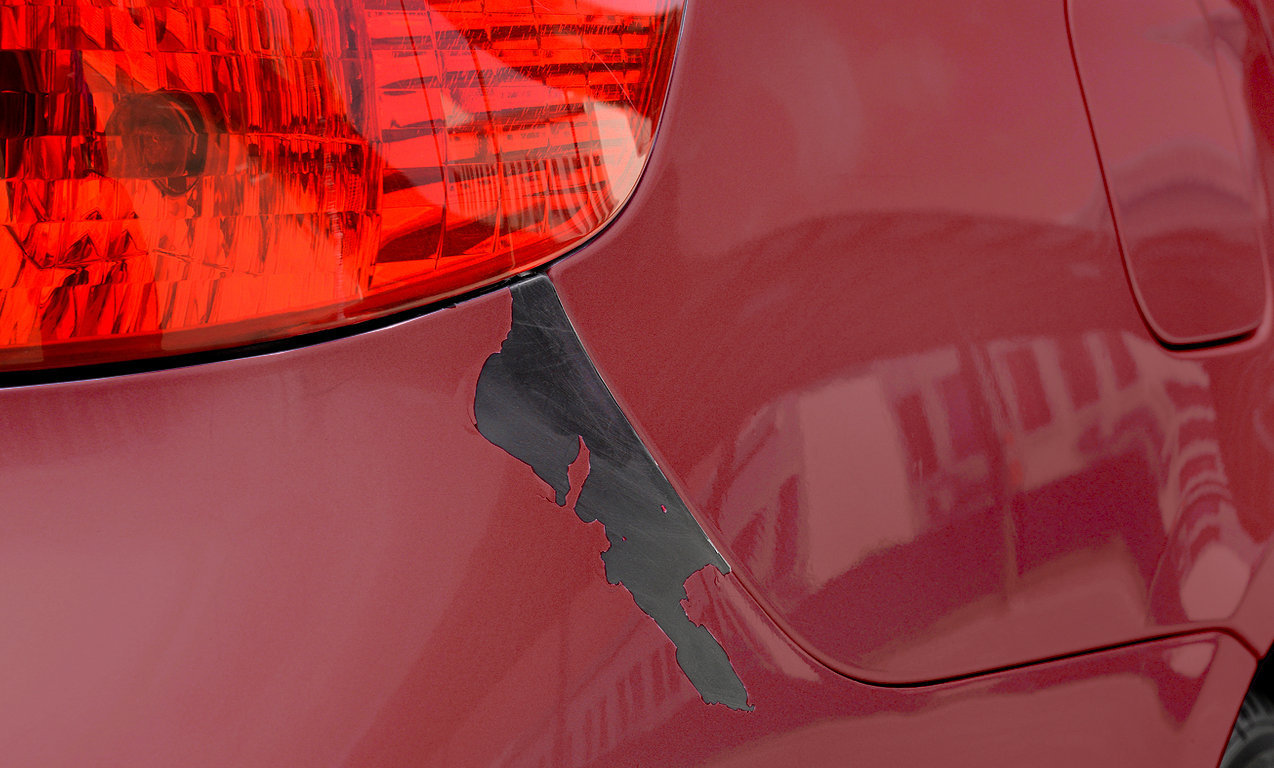
If it’s safe to do so, take photos of the accident scene, showing the damage to all vehicles involved, road conditions, and any relevant road signs. Make sure to take close-up and wide-angle photos to provide context. Details matter, so include shots of license plates and any visible injuries.
Additionally, speak to any witnesses who saw the accident. Collect their contact details, and, if they agree, ask for a brief statement on what they observed. Independent witness statements can strengthen your claim, especially if there are disputes over fault.
Seek Medical Attention and Keep Records
Even if injuries appear minor, it’s crucial to visit a medical professional as soon as possible. In Australia, documentation of injuries is essential for car accident claims.
Immediate medical records provide a clear link between the accident and your injuries, which insurance companies cannot easily dispute.
Keep all medical bills, prescriptions, and appointment summaries for use in your claim.
Engage a Professional Car Assessor
One of the best steps you can take is to hire a qualified, independent car assessor.
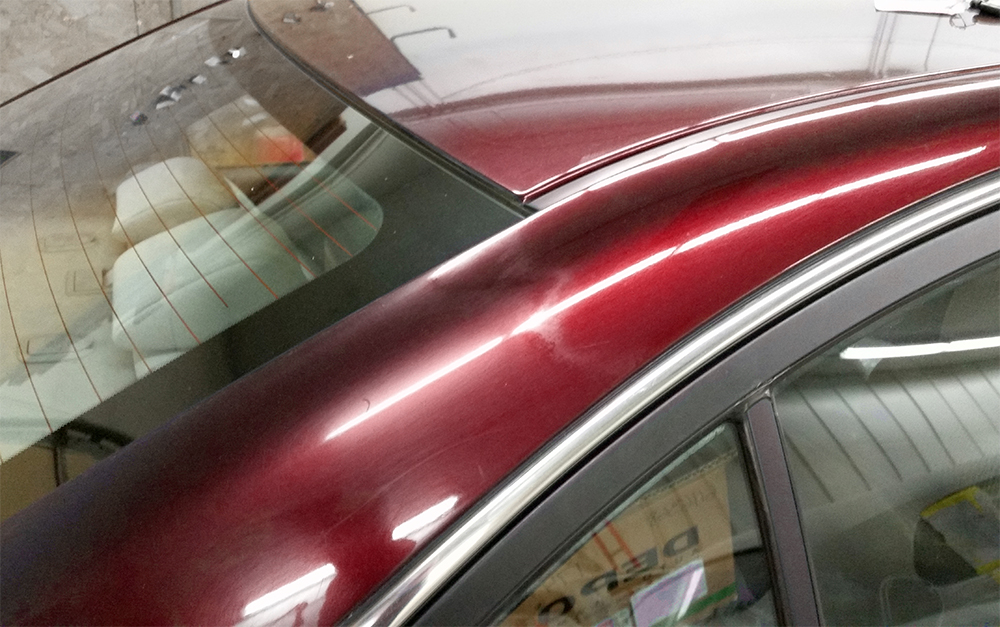
Car assessors evaluate the extent of vehicle damage and provide an impartial report on repair costs. With an expert assessment, you have a stronger basis for fair compensation, preventing insurers from undervaluing the damage or repair needs.
An independent report from a trusted car assessor can be invaluable, as it’s typically seen as unbiased, accurate evidence in claims disputes.
Know Your Insurance Policy
Take time to thoroughly read your insurance policy and understand what coverage it provides.
Policies vary across Australia, with some covering comprehensive repair costs, while others may limit coverage based on the circumstances. Being informed about your entitlements and exclusions can help you spot any attempts by the insurer to reduce the payout.
Insurers are bound by law to operate in “good faith,” meaning they must handle your claim fairly. If you believe your coverage entitles you to more than what’s offered, stand firm and negotiate for a better settlement.
Document All Communication with Your Insurer
Maintaining clear and detailed records of all interactions with your insurance provider is essential.
Keep notes on phone conversations, including the time, date, and key points discussed. Save emails and any written communication to support your claim.
If the insurer delays responses or fails to provide adequate support, this documentation can be used to highlight any issues in their handling of your claim.
Consult Legal Advice for Complex Cases
For claims involving significant disputes, consulting a legal professional can provide the guidance you need.
Australian car accident laws can vary by state, and certain claims may be subject to specific regulations. A lawyer specialising in car accident claims can interpret policy details, negotiate on your behalf, and ensure your rights are protected.
Although it may involve additional costs, professional advice can lead to a more favourable settlement if your claim is disputed.
Additional Information on Handling Car Accident Claims in Australia
Understanding Australian Road Rules for Fault Determination
Australian states have specific road rules that help in determining fault, which can be crucial in claims involving disputes.
For example, rules around lane changes, roundabouts, and pedestrian crossings can impact a claim, especially if they indicate a breach of road rules by the other driver.
Familiarising yourself with these rules helps support your case, as it can clarify the at-fault driver’s actions and strengthen your stance in discussions with insurers.
Act Quickly to Avoid Delays
Australia has time limits on filing car accident claims, varying by state and by claim type.
For example, most states allow three years to file a claim for personal injuries, while property damage claims may have shorter timeframes. Initiating your claim early ensures you have enough time to gather evidence and avoid missing critical deadlines.
This early start also helps in securing witness statements and other time-sensitive documentation.
Consider Future Costs in Your Claim
When calculating compensation, don’t limit your claim to immediate repairs and medical expenses. If the accident results in long-term injuries or reduces the resale value of your car, these should also be considered.
For instance, if injuries affect your ability to work, include lost income in your claim.
Professional assessors can assist in estimating long-term repair implications or diminished car value, which helps you accurately represent the full impact of the accident.
Avoid Common Pitfalls in Car Accident Claims
One common mistake drivers make is accepting the first offer from their insurance company. Initial offers are often conservative and may not fully cover your expenses.
Before accepting, review the settlement amount carefully and consult your car assessor for verification of repair costs.
Another mistake is assuming that insurers will handle the process entirely in your favour. Actively participating and understanding the claims process will ensure you aren’t left shortchanged.
Need Help With Your Car Accident Claim?
Handling a car accident claim in Australia requires preparation, evidence, and sometimes professional guidance.
At National Assessing & Engineering, our experienced team of car accident claims managers provide comprehensive services to help Australian drivers achieve fair outcomes. Our independent assessment and expert advice can help you secure the compensation you deserve. Contact us today by calling 1800 844 999.