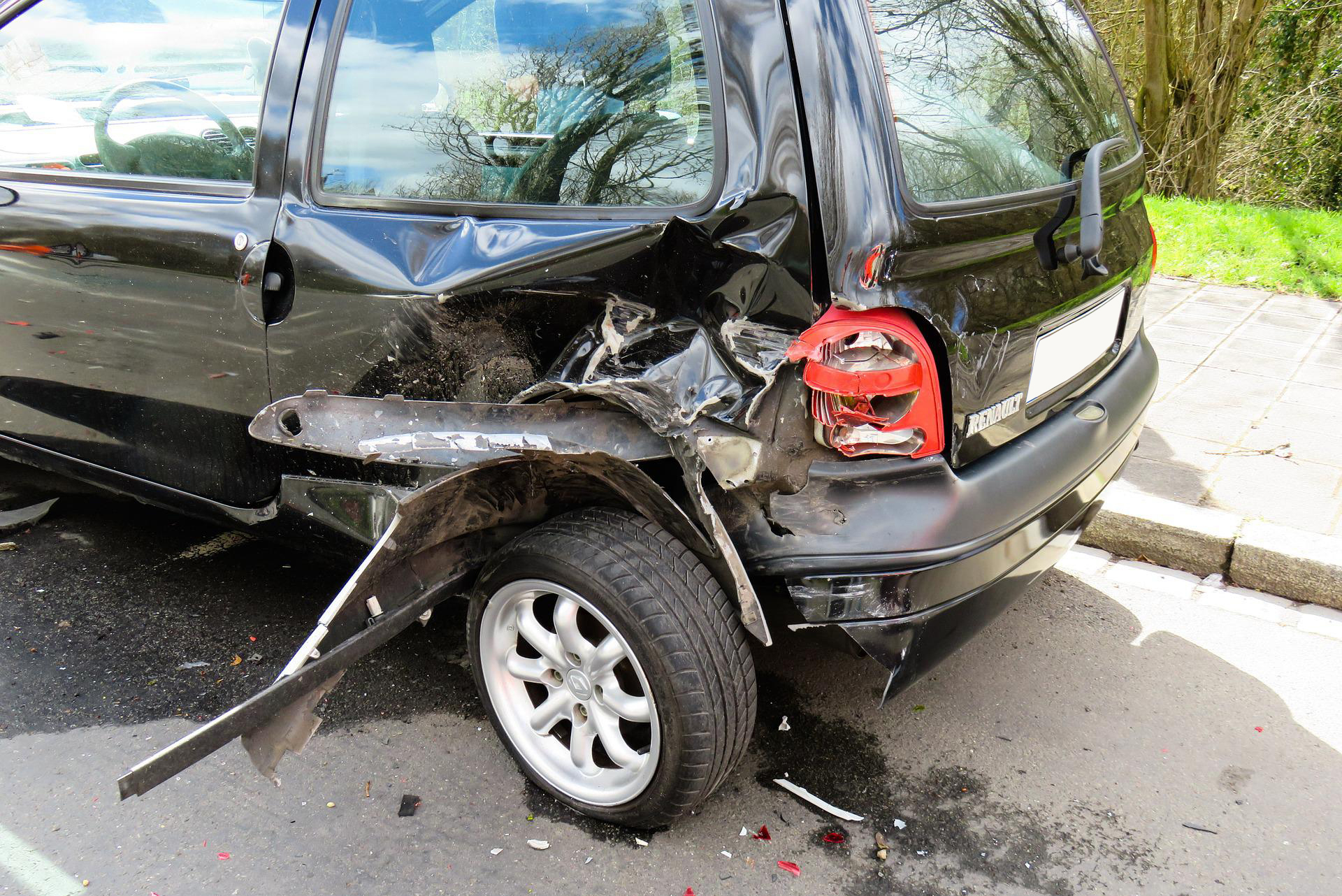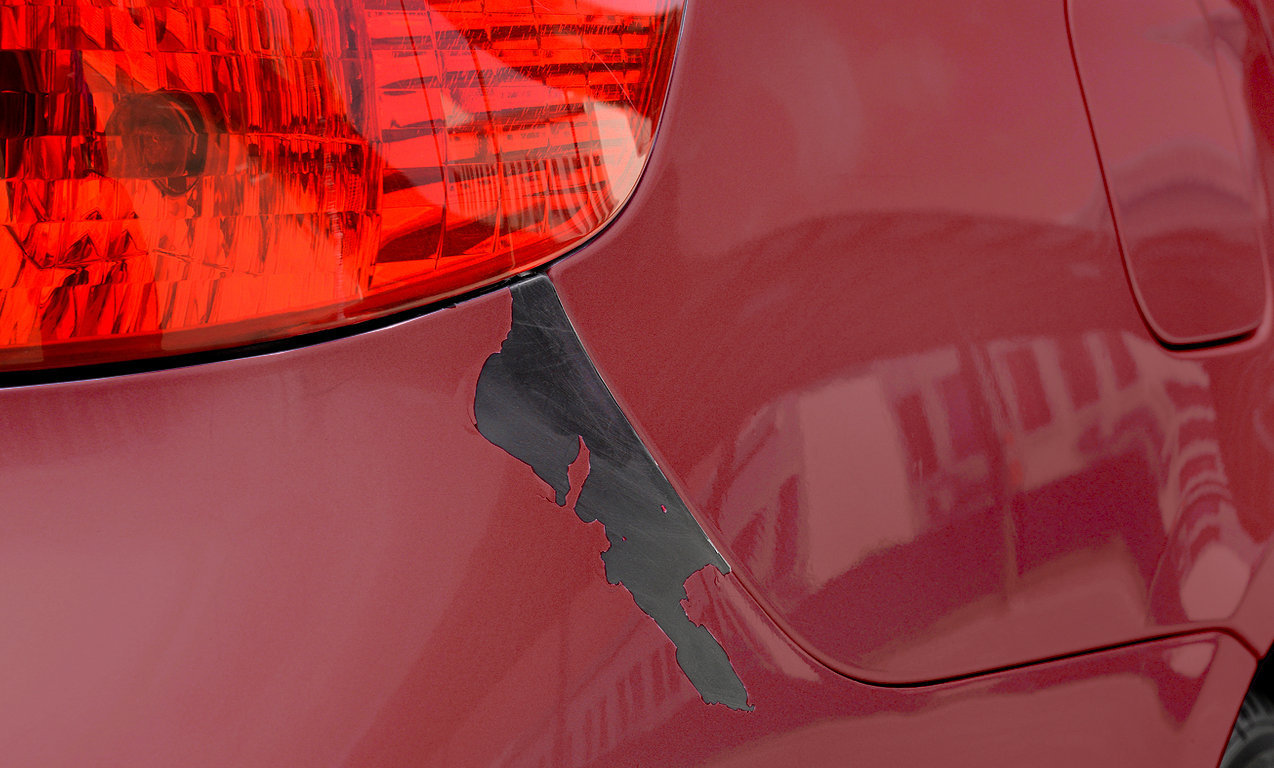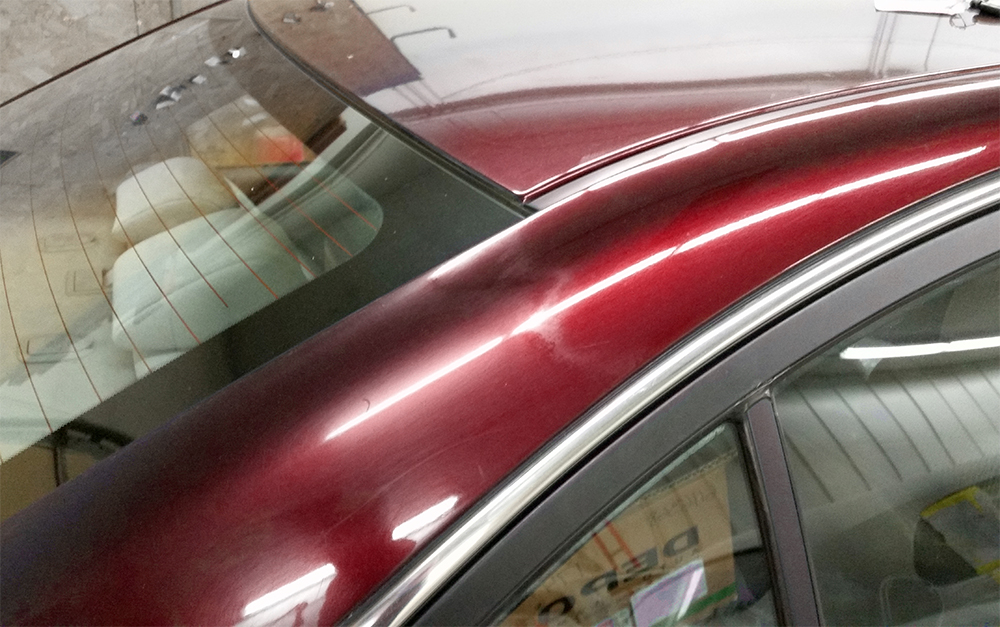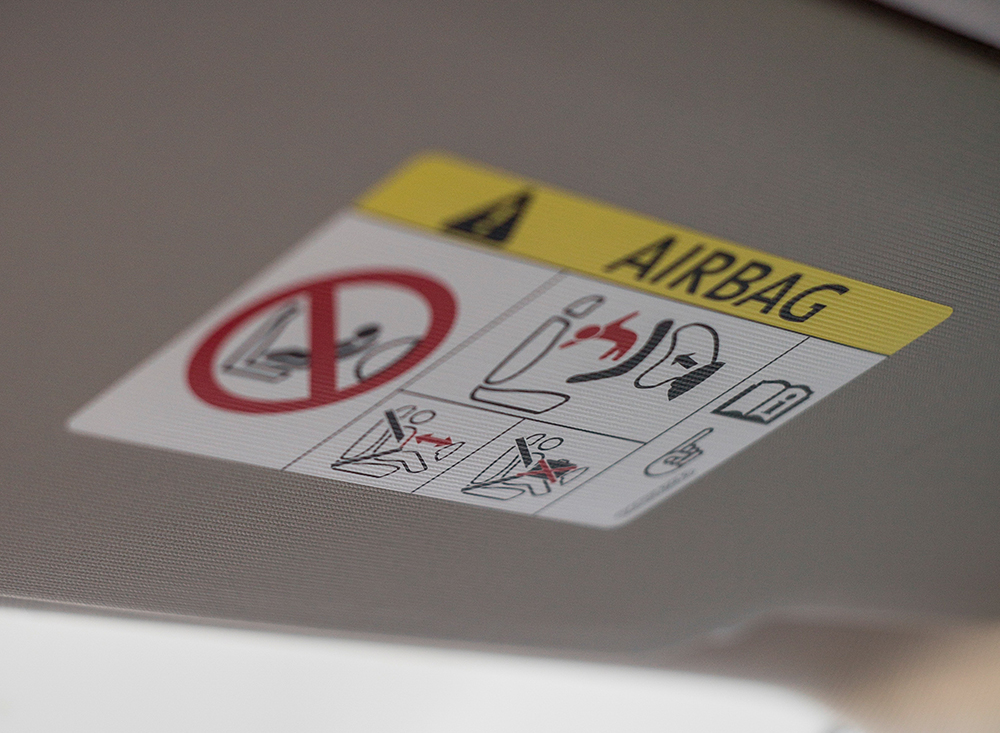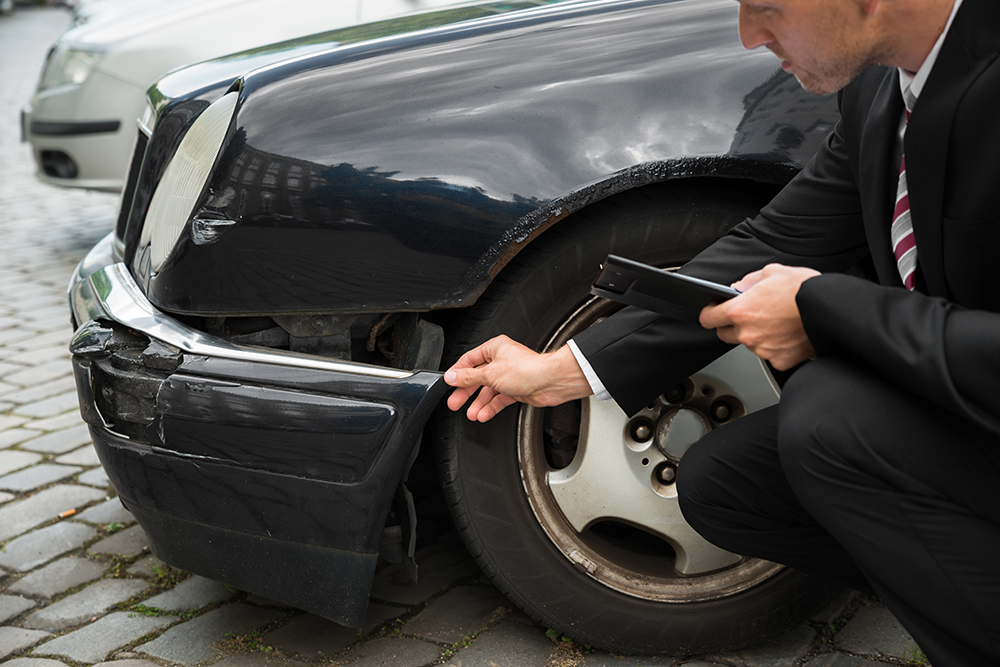

Car accident fraud is a growing concern in Australia, leading to inflated insurance costs and unjust claim denials. Fortunately, advanced technologies like Crash Data Recovery (CDR) are revolutionising how insurance companies, law enforcement, and independent car assessors investigate suspicious claims. This article explores how CDR systems help determine fraudulent car accident claims in Australia, offering insights into the technology, processes, and benefits of this data-driven approach.
How CDR Works to Identify Fraudulent Car Accident Claims
Crash Data Recovery systems, also known as Event Data Recorders (EDRs) or “black boxes,” capture and store critical information about a vehicle’s operation before, during, and after a collision. Modern vehicles typically contain numerous electronic control modules that record data about the vehicle’s speed, braking patterns, steering inputs, airbag deployment, seatbelt usage, and engine performance. When a potential collision is detected, these systems save the data, creating a detailed digital fingerprint of the incident.
The process of extracting CDR data requires specialised equipment and trained professionals. Technicians connect diagnostic tools to the vehicle’s onboard diagnostic port or directly to the relevant control modules. Using manufacturer-specific software, they can download and interpret the stored information. This data is then analysed alongside physical evidence, witness statements, and other investigative findings to create a comprehensive picture of what actually occurred during the accident.
Unlike verbal accounts that may be influenced by stress, confusion, or deliberate deception, CDR data provides objective measurements recorded in millisecond increments. For example, the system might record that a vehicle was travelling at 85 km/h five seconds before impact, with no braking activity until one second before collision—directly contradicting a driver’s claim of travelling at the speed limit and attempting to brake well in advance.
Key Parameters Measured by CDR Systems
CDR systems capture numerous data points that can be crucial in identifying fraudulent claims. Vehicle speed is perhaps the most valuable parameter, as it’s recorded at various intervals before impact (typically in half-second or one-second increments). This creates a speed profile that can reveal if a driver was speeding, slowing, or maintaining consistent velocity before the crash. Acceleration and deceleration data show how quickly a vehicle was gaining or losing speed, which helps determine if emergency braking occurred or if a vehicle was deliberately accelerated into a collision.
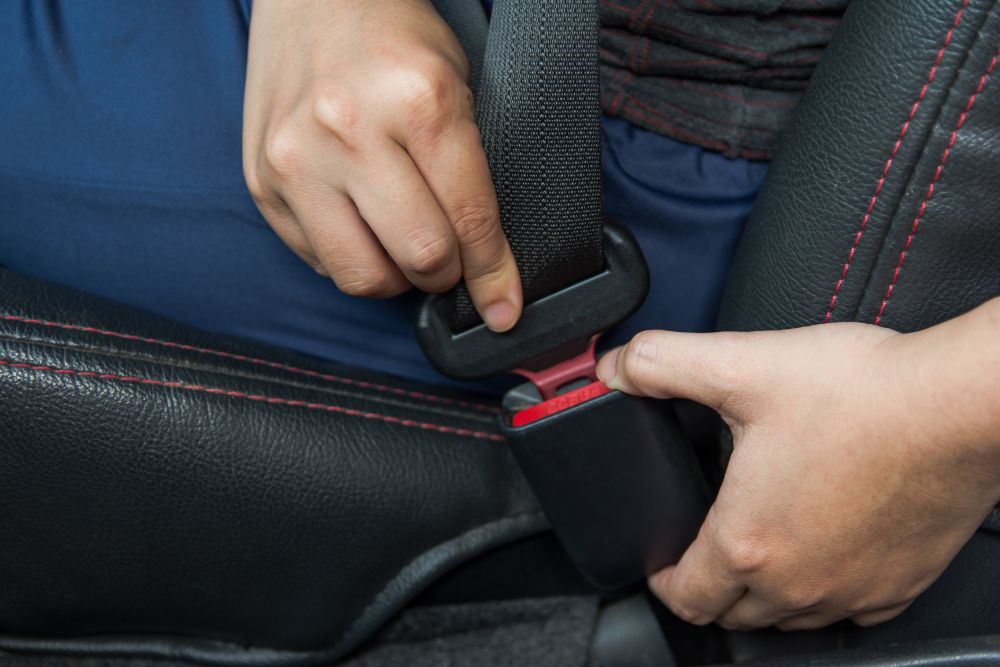
Throttle position information reveals how much the accelerator pedal was depressed, indicating whether a driver was actively trying to increase speed. Steering wheel angle data shows what directional inputs the driver made before and during the crash, potentially revealing evasive manoeuvres or deliberate steering toward another vehicle. Brake application data indicates exactly when brakes were applied and with what force, while seatbelt status shows whether occupants were properly restrained—information that can contradict injury claims.
Modern CDR systems may also record additional parameters like stability control activation, airbag deployment timing and sequence, crash severity (measured in delta-V or change in velocity), and even pre-crash warning system activations. When combined, these data points create a detailed timeline that can be compared against insurance claims and witness statements to identify inconsistencies indicative of fraud.
Common Fraud Scenarios Exposed by CDR Analysis
CDR technology has proven particularly effective at exposing several common fraud scenarios. Staged collisions, where drivers deliberately cause accidents to make insurance claims, often show telltale signs in CDR data. These may include unusual acceleration patterns, steering inputs that don’t match claimed evasive actions, or braking data that indicates a planned collision rather than an emergency response. In many cases, CDR data reveals that the “victim” vehicle actually accelerated toward the impact rather than trying to avoid it.
Exaggerated impact claims are another area where CDR excels. Insurance fraudsters may claim they were hit at high speed to justify extensive vehicle damage or significant injury claims. CDR data can reveal the actual delta-V (change in velocity) experienced during impact, which directly correlates with collision severity. If the data shows a minor impact of 5-10 km/h but the claimant alleges a major collision, investigators have strong evidence of potential fraud.
False injury claims are also frequently exposed through CDR analysis. The system may reveal that a collision was too minor to cause the alleged injuries, or that the sequence of events couldn’t have produced the claimed injury mechanism. For example, if a driver claims whiplash from a rear-end collision, but the CDR shows the vehicle was actually moving forward at impact, the injury claim comes into question.
The Legal Framework for CDR Evidence in Australia
In Australia, the admissibility of CDR evidence in insurance investigations and court proceedings is well established, though the specific legal framework continues to evolve. Under Australian evidence law, CDR data is generally considered reliable scientific evidence when properly collected and analysed by qualified professionals. Insurance companies commonly include clauses in their policies that permit them to access vehicle data as part of claim investigations, particularly in cases where fraud is suspected.
Privacy considerations remain important when accessing CDR data. While the data belongs to the vehicle owner, insurance contracts typically include provisions that allow insurers to access this information during claim investigations. Independent assessors and investigators must obtain proper authorisation before extracting and analysing CDR data, either through insurance company authorisation or court orders in more contentious cases.
Recent legal precedents in Australian courts have strengthened the position of CDR evidence in fraud cases. Several landmark decisions have upheld the scientific validity of properly obtained crash data, with courts recognising its value in providing objective evidence about collision dynamics. However, CDR evidence is typically presented alongside other investigative findings rather than as standalone proof, creating a comprehensive case when fraud allegations are made.
Challenges and Limitations of CDR Evidence
Despite its value, CDR evidence does face some challenges and limitations in the Australian context. Data availability varies significantly between vehicle makes and models. Newer vehicles generally record more parameters with greater detail, while older vehicles may have limited or no CDR capabilities. This creates inconsistency in investigations depending on the vehicles involved. Even when data is available, some parameters may not be recorded for specific events, creating partial pictures that require interpretation alongside other evidence.
Technical challenges can also affect CDR investigations. Data corruption or loss may occur if vehicles sustain electrical system damage during severe collisions. Some vehicle systems automatically overwrite data after a certain number of ignition cycles, meaning delayed investigations might miss crucial information. Additionally, not all accident types trigger data recording in the same way—low-speed impacts may not cross the threshold required to save event data in some vehicles.
Interpretation challenges present another potential limitation. CDR data provides raw measurements that must be contextualised by trained professionals. Different analysts might reach slightly different conclusions based on the same data set, particularly when integrating CDR findings with physical evidence from the accident scene. This is why qualified CDR analysts with forensic training are essential to proper fraud investigations.
The Role of Independent Car Assessors in CDR Investigations
Independent car assessors play a critical role in CDR-based fraud investigations across Australia. These professionals bring objectivity to the process, operating without bias toward either insurance companies or claimants. With specialised training in both vehicle assessment and CDR technology, independent assessors can extract, analyse, and interpret crash data while also evaluating physical vehicle damage to determine consistency between the digital evidence and real-world impact patterns.
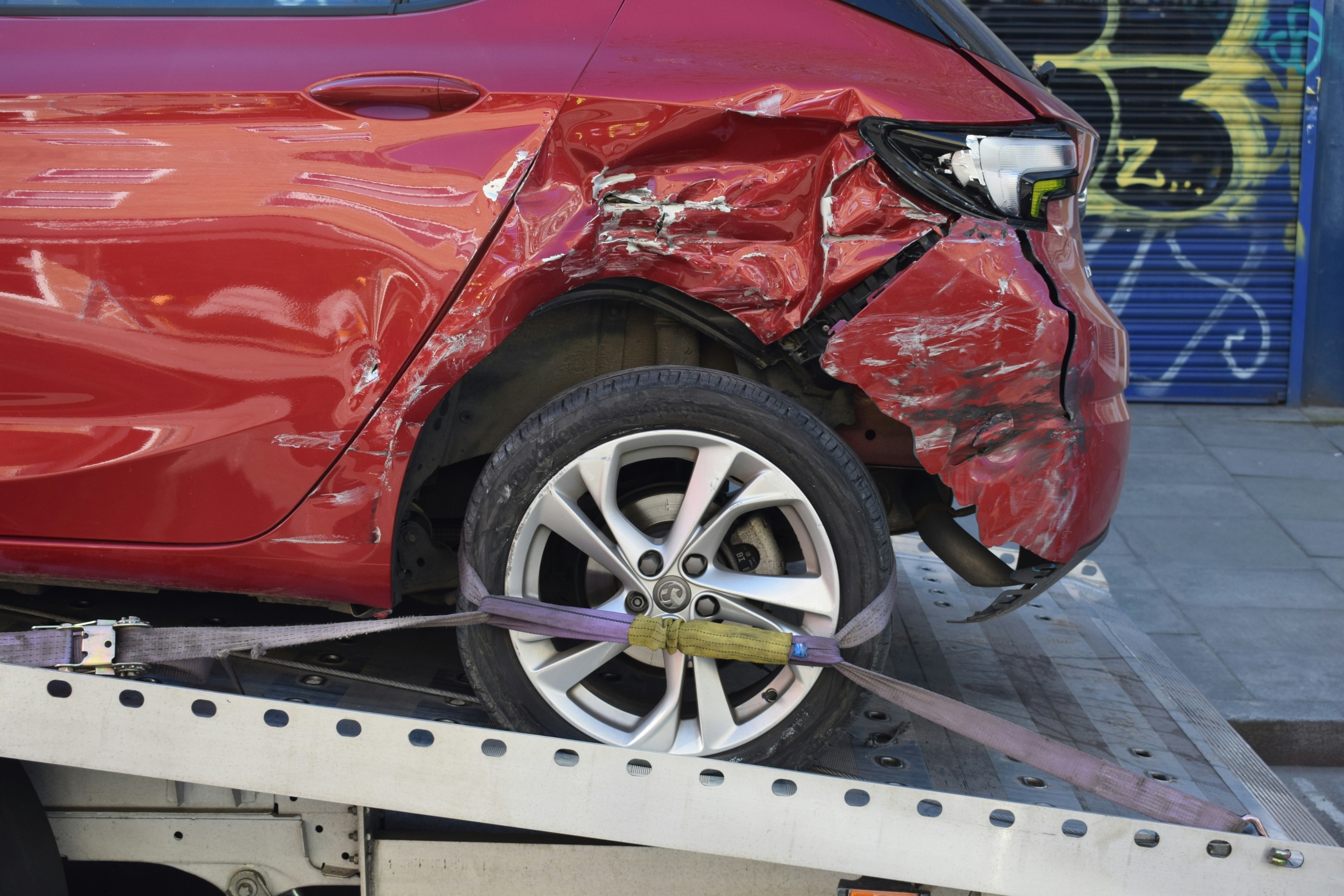
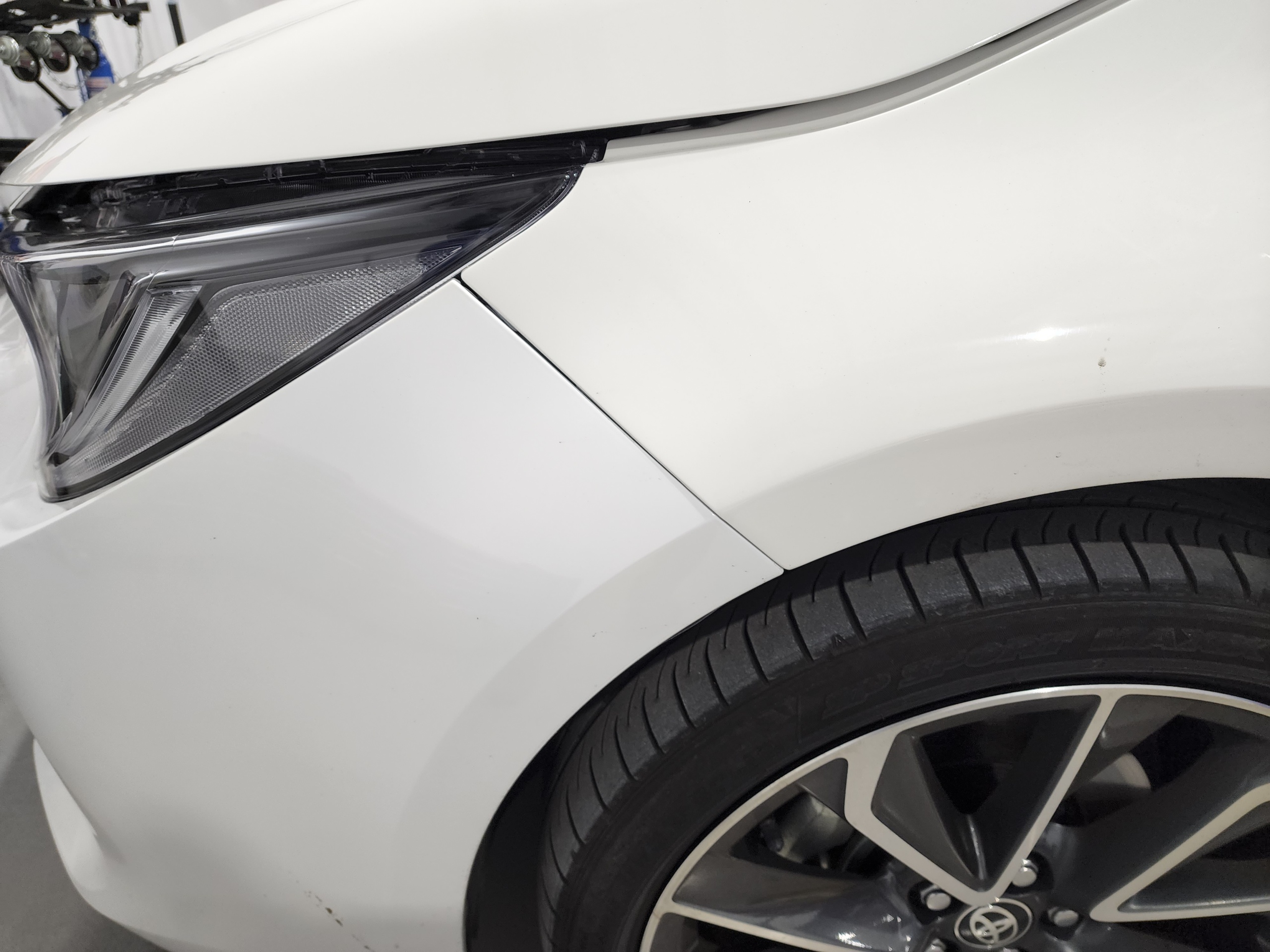
The comprehensive approach taken by independent assessors typically begins with a thorough physical inspection of the vehicles involved. This includes documenting damage patterns, measuring impact deformations, and assessing whether the observed damage is consistent with the reported collision scenario. The assessor then extracts available CDR data using manufacturer-approved equipment and follows strict chain-of-custody procedures to ensure the evidence remains admissible.
Analysis involves correlating the CDR data with physical evidence and witness statements to develop a comprehensive understanding of the incident. Professional assessors create detailed reports that explain technical findings in clear, accessible language, making the information useful for insurance adjusters, legal professionals, and potentially court proceedings. Many assessors also provide expert testimony when cases proceed to litigation.
Benefits of Using Independent Assessors for CDR Analysis
The primary benefit of engaging independent assessors for CDR analysis is their impartiality. Unlike insurance company employees or those hired directly by claimants, independent assessors have no financial incentive to reach particular conclusions. This neutrality enhances the credibility of their findings, particularly when cases involve disputed claims or potential fraud allegations. Their reports carry significant weight in both insurance decisions and legal proceedings due to this recognised objectivity.
Independent assessors also bring specialised expertise that combines automotive engineering knowledge, accident reconstruction skills, and CDR technical capabilities. This multidisciplinary approach enables them to see connections between digital data and physical evidence that might be missed by professionals with narrower technical focuses. Many qualified assessors maintain certifications from both vehicle manufacturers and accident reconstruction organisations, ensuring they remain current with evolving technologies and methodologies.
The efficiency of professional assessors also benefits all parties. Their familiarity with different vehicle systems allows them to quickly identify and extract available data without delays or technical complications. The comprehensive nature of their investigations helps resolve claims more quickly when fraud is not present, while also building stronger cases when fraudulent activity is detected.
Future Developments in CDR Technology and Fraud Detection
The future of CDR technology in Australia promises even more sophisticated fraud detection capabilities. Advanced driver assistance systems (ADAS) are generating increasingly detailed data about vehicle surroundings and driver behaviours. Many newer vehicles record camera feeds, radar data, and environmental information that can be used to recreate accident scenarios with unprecedented accuracy. This expansion beyond traditional vehicle dynamics data will make fraudulent claims even more difficult to sustain.
Connected vehicle technologies are also transforming fraud investigations. With increasing vehicle connectivity, real-time data transmission may eventually allow immediate crash notification and data preservation. Some manufacturers already offer systems that automatically upload crash data to secure servers, ensuring it remains available even if the vehicle is severely damaged or deliberately tampered with after an incident.
Machine learning algorithms are being developed to automatically flag suspicious patterns in CDR data based on known fraud indicators. These systems can process vast amounts of data to identify subtle inconsistencies that might escape human analysts. When deployed across insurance databases, these technologies may eventually detect fraud patterns across different incidents, identifying organised fraud rings through digital fingerprints left in vehicle data.
Get Expert CDR Analysis for Your Insurance Investigation
Understanding the truth behind car accident claims is crucial for maintaining the integrity of the insurance system and ensuring fair outcomes for all parties. Crash Data Recovery technology has become an indispensable tool in this effort, providing objective evidence that cuts through contradictory statements and questionable claims.
At National Assessing & Engineering we provides comprehensive Crash Data Recovery services for individuals involved in an accident, insurance companies, legal professionals, and fleet managers. Our qualified team combines engineering expertise with advanced CDR certification to deliver accurate, impartial assessments of accident data. When you need to determine whether a claim is legitimate or potentially fraudulent, contact our team today by calling 1800 844 999 for professional, reliable crash data recovery and analysis.