
Navigating the car valuation process in Australia can be complex, whether you’re planning to sell your vehicle, trade it in, or are dealing with an insurance claim after an accident. Understanding how cars are valued in the Australian market is essential for ensuring you receive a fair price. This article explores the intricacies of car valuation in Australia, providing sellers with comprehensive information to maximise their vehicle’s value and make informed decisions.
How Cars Are Valued in Australia
Car valuation in Australia follows specific methodologies that consider various aspects of the vehicle. Professional valuers examine multiple factors to determine a fair market value, which represents what a willing buyer would reasonably pay a willing seller in the current market conditions.
The primary method used by assessors is comparative market analysis, where they research similar vehicles currently for sale or recently sold in the Australian market. This analysis takes into account the make, model, year, condition, mileage, and regional market variations. Assessors often use specialised databases and industry guides such as RedBook, Glass’s Guide, or Carsales data to establish baseline values.
Another approach is the cost method, which calculates the replacement cost of the vehicle minus depreciation. This method is particularly relevant for newer vehicles or rare models where comparative data might be limited. Assessors consider the original purchase price, age-related depreciation, and the cost of replacing the vehicle with an equivalent model in today’s market.
Key Factors That Impact Your Car’s Value
Understanding the factors that influence your car’s value can help you set realistic expectations when selling. The age of your vehicle is perhaps the most significant factor, with most cars losing 15-35% of their value in the first year and up to 50% by the third year. This depreciation curve varies significantly between makes and models, with premium brands often holding their value better in the Australian market.
Mileage plays a crucial role in vehicle valuation, with lower kilometres generally commanding higher prices. In Australia, the average annual mileage is approximately 13,400 kilometres, and vehicles exceeding this benchmark may see their value decrease more rapidly. However, well-maintained high-mileage vehicles can still retain good value if they’ve been serviced regularly.
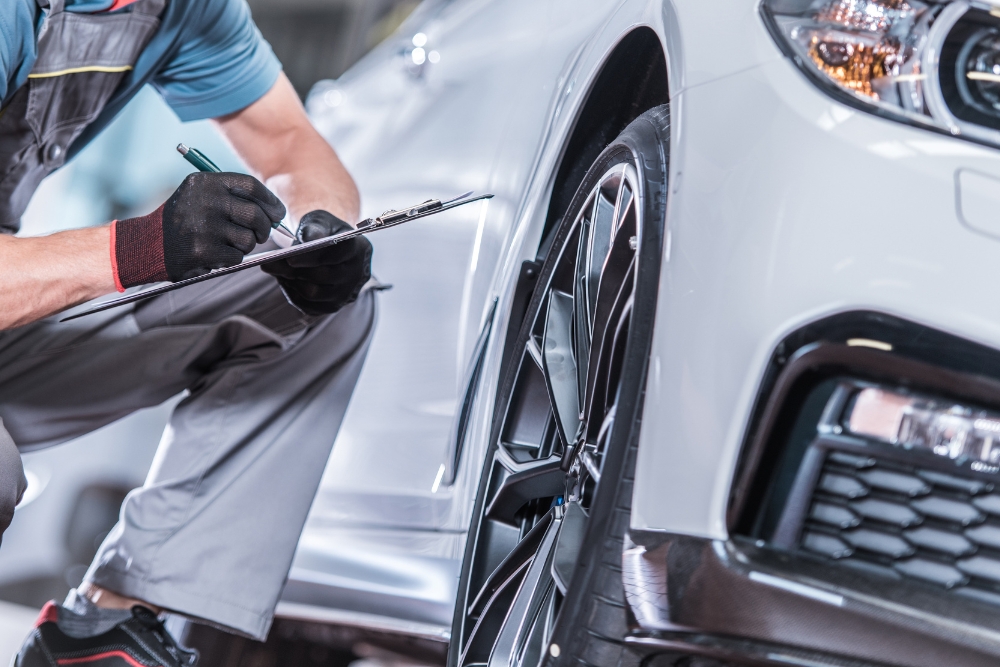
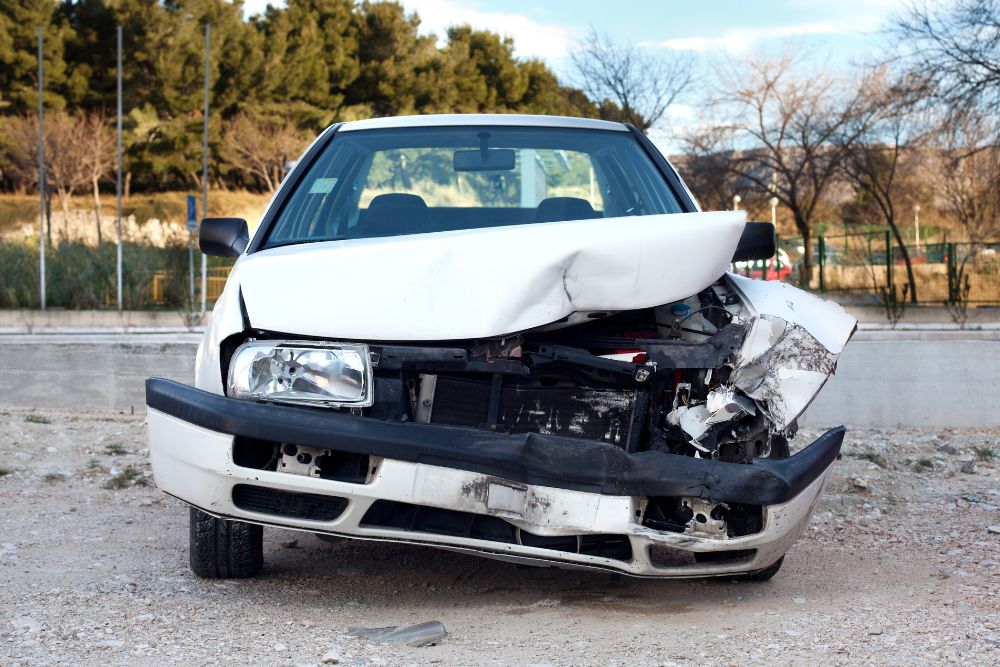
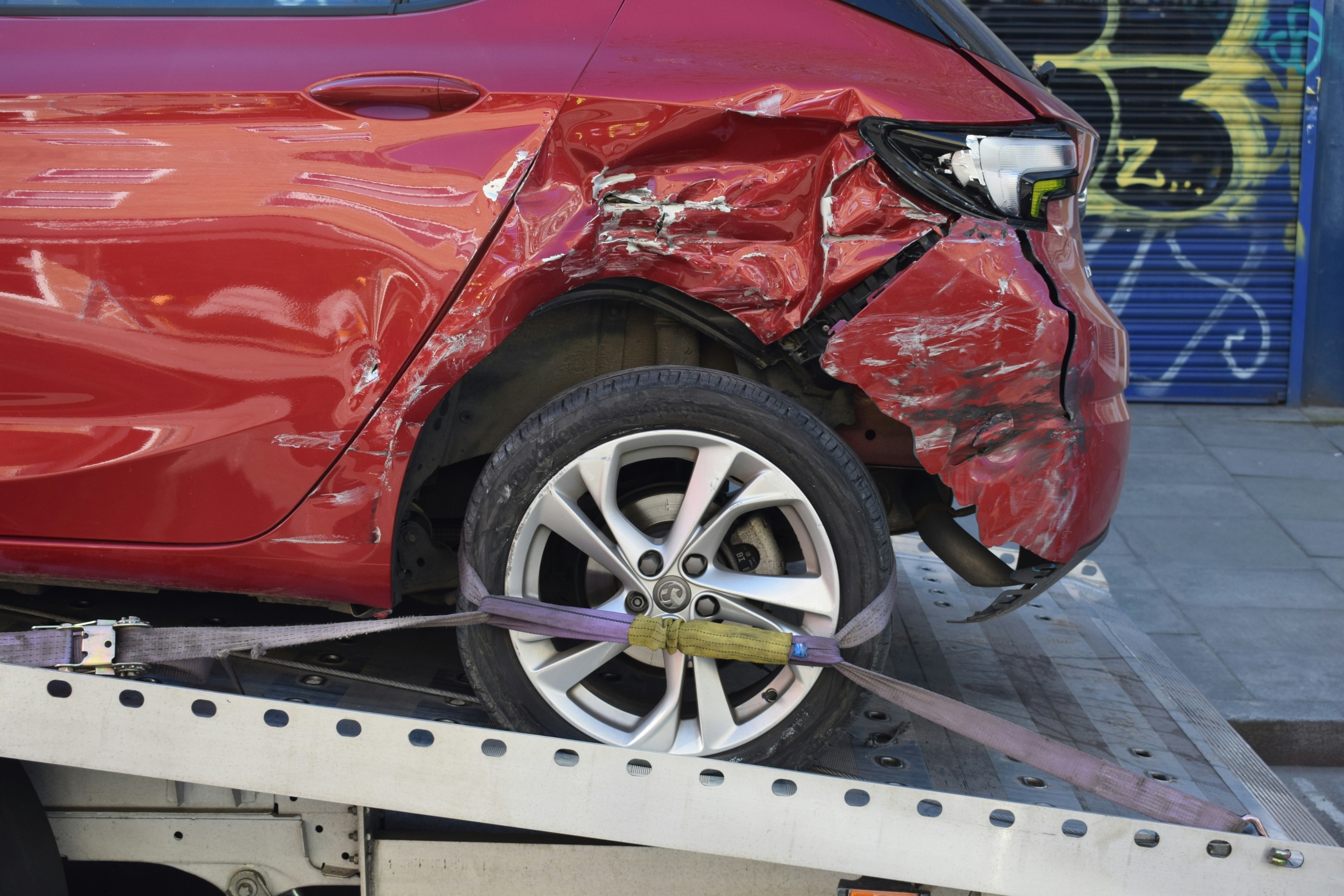
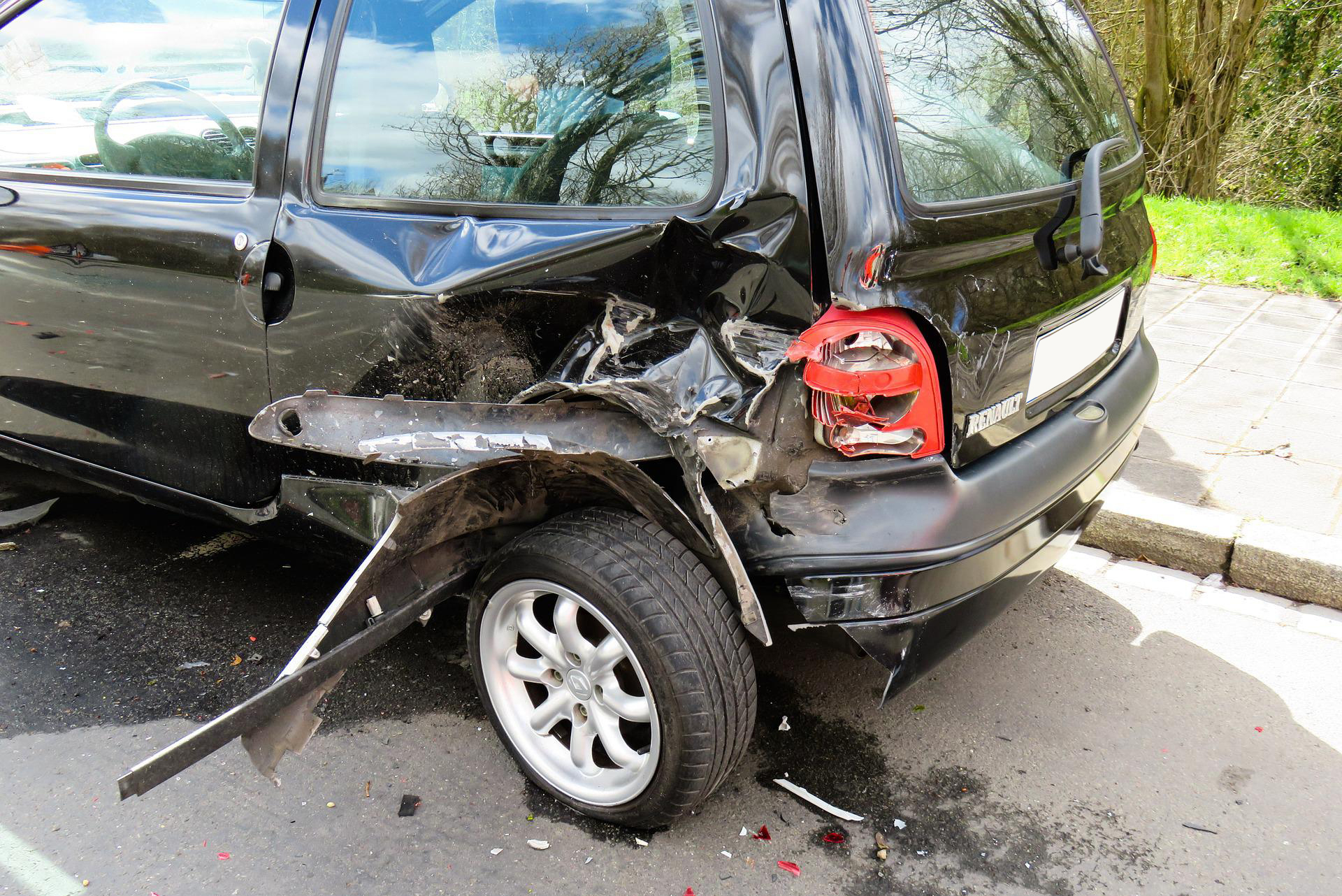
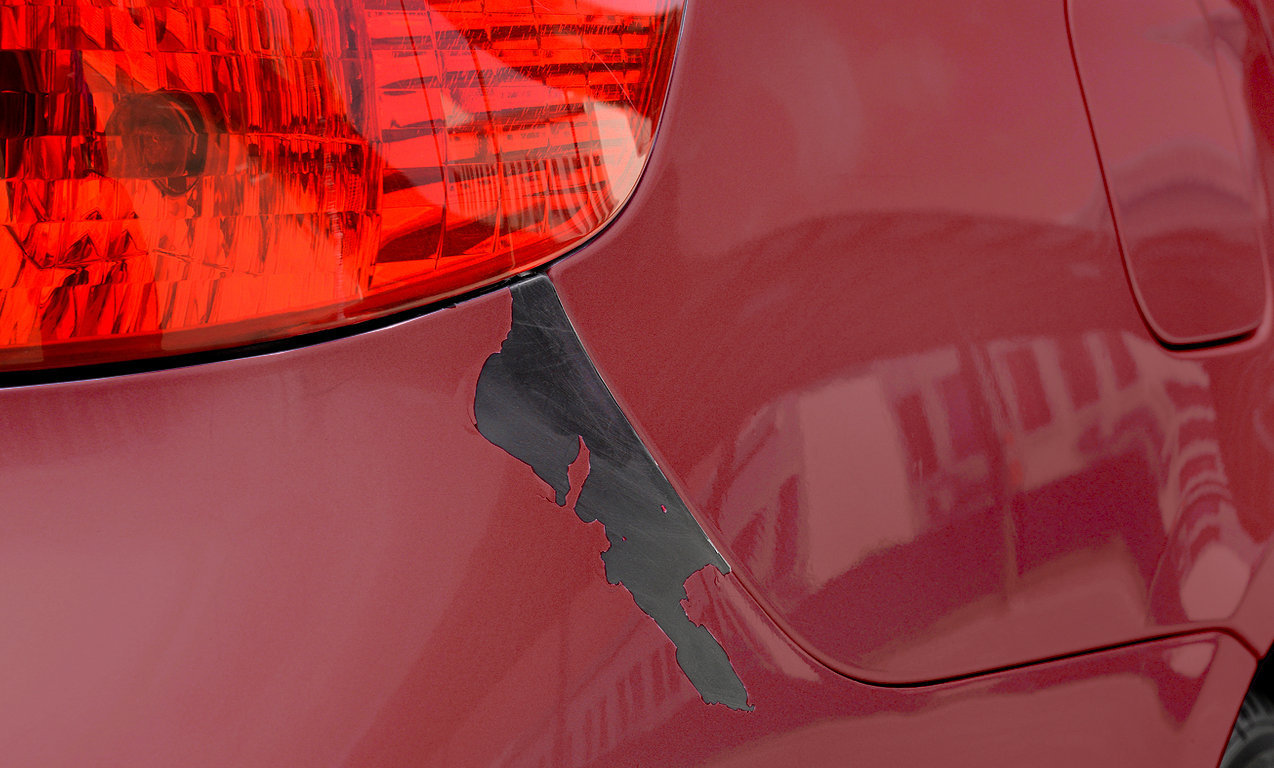
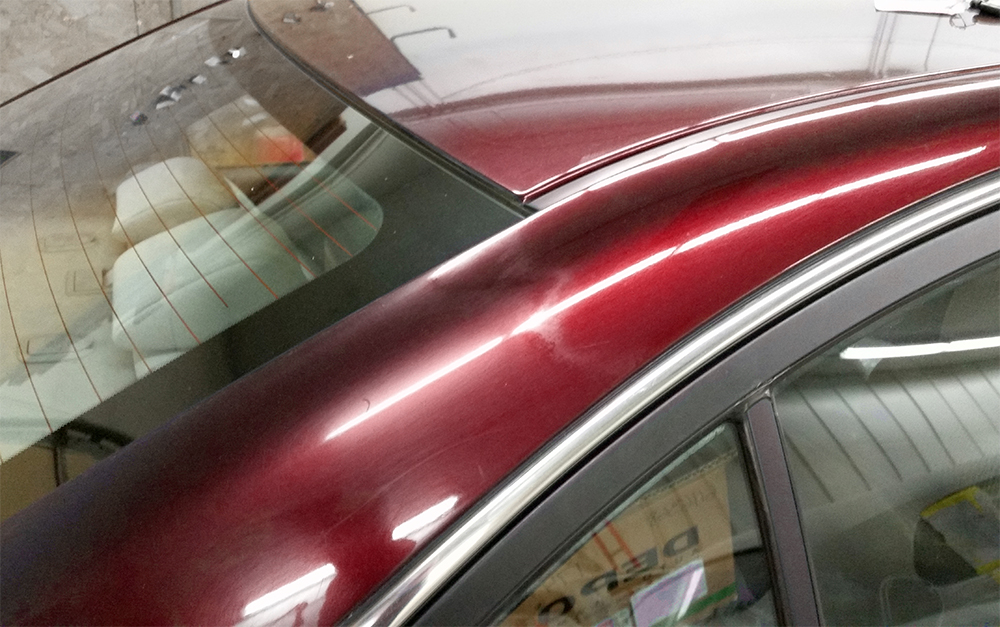
The vehicle’s condition significantly impacts its valuation. Assessors examine both mechanical and cosmetic aspects, including the engine, transmission, interior, paintwork, and body panels. Visible damage, wear and tear, and signs of poor maintenance all detract from the value. Conversely, a vehicle in exceptional condition with a full service history can command a premium in the Australian market.
Documentation and Service History
A comprehensive service history is invaluable when establishing your car’s worth in Australia. Regular servicing at authorised dealerships or reputable mechanics, with documentation to prove it, demonstrates that the vehicle has been well-maintained throughout its life. This documentation provides potential buyers with confidence and can significantly increase the perceived value of your car.
Important documents include the original owner’s manual, service logbook with stamps, receipts for repairs and maintenance, and any warranty information. These records should show consistent care throughout the vehicle’s life, adhering to the manufacturer’s recommended service intervals. In particular, evidence of timing belt replacements, major services, and critical component maintenance can positively influence valuation.
For luxury or high-performance vehicles, specialised service history becomes even more critical. Evidence of appropriate maintenance by qualified technicians using genuine parts can significantly impact the valuation of premium vehicles in the Australian market, sometimes adding thousands of dollars to the final value.
Regional Variations in Car Values
Car values can vary significantly across different regions of Australia due to local market conditions, demand patterns, and environmental factors. Metropolitan areas like Sydney, Melbourne, and Brisbane often have higher valuations for certain vehicle types compared to regional or rural areas, reflecting the larger buyer market and higher disposable incomes.
Conversely, rural and regional areas may place premium values on four-wheel drives, utes, and diesel vehicles that are well-suited to local conditions and needs. For example, Toyota LandCruisers and Nissan Patrols typically command higher prices in remote areas of Queensland or Western Australia compared to urban centres.
Climate considerations also influence regional valuations. Convertibles and sports cars often fetch better prices in coastal regions with milder climates like Sydney or Perth, while vehicles with excellent heating systems and all-wheel drive capabilities may be more valued in colder regions such as Tasmania or the Victorian highlands. Understanding these regional preferences can help sellers target their marketing efforts more effectively.
Professional Valuation vs Online Calculators
When determining your car’s value, you have several options available, each with its own advantages and limitations. Online valuation tools provide a quick and convenient starting point, with popular Australian services including RedBook, Carsales, and Drive. These platforms use algorithms based on market data to provide an estimated value range based on the information you input about your vehicle.
While convenient, online tools have significant limitations. They cannot assess the actual condition of your specific vehicle, often providing generalised valuations based on average condition assumptions. They may not fully account for unique features, modifications, or region-specific market conditions that could significantly impact your car’s true market value.
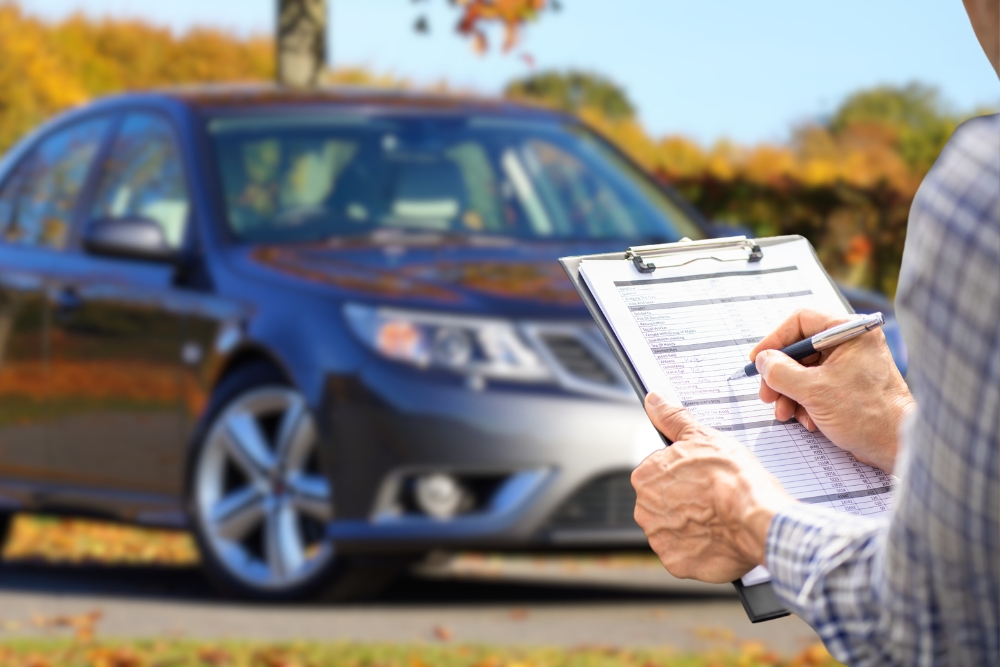
Professional valuations conducted by qualified motor vehicle assessors provide a more accurate and comprehensive evaluation. These experts physically inspect the vehicle, considering its actual condition, service history, and market position. They can identify both positive features and potential issues that might affect the value, providing a detailed report that can be particularly valuable for unique, modified, or classic vehicles where online calculators often fall short.
When to Choose Professional Valuation
Professional valuations are particularly recommended in certain scenarios where accuracy is crucial. If you own a prestige, luxury, or high-performance vehicle, standard online calculators often fail to adequately capture the nuances that affect these vehicles’ values. Professional assessors understand the premium market and can provide valuations that reflect the true worth of these vehicles in the Australian context.
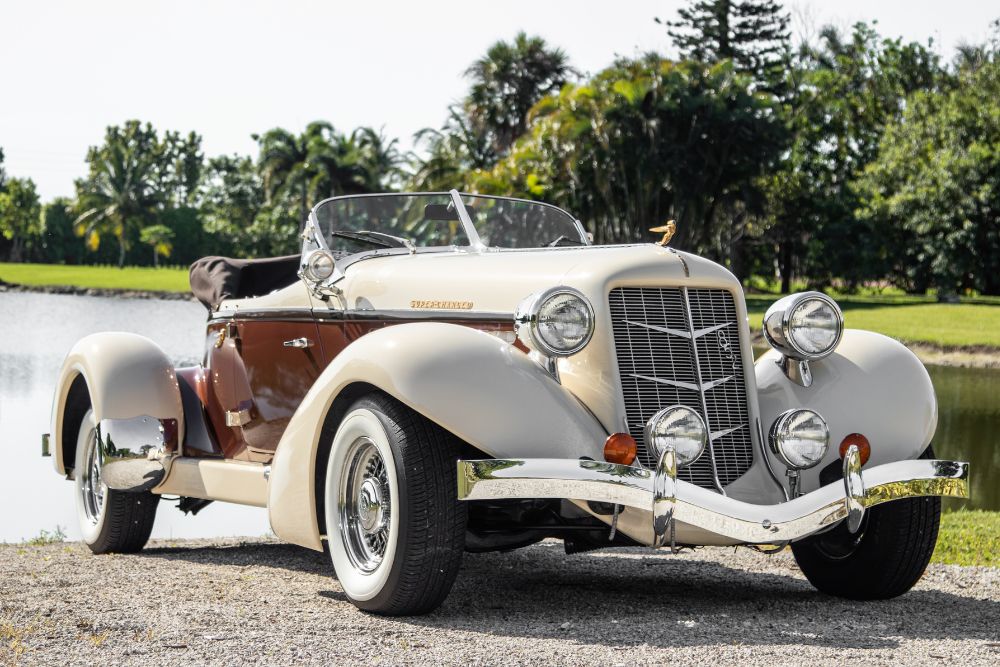
Heavily modified vehicles also benefit from professional assessment, as modifications can either enhance or detract from value depending on their quality, desirability, and execution. Online calculators typically cannot account for these modifications accurately. Similarly, classic and collectible cars require specialised knowledge to value correctly, considering factors like originality, rarity, and historical significance.
Insurance disputes and settlement negotiations represent another scenario where professional valuations are invaluable. If you’re dealing with an insurance claim and disagree with the insurer’s valuation, an independent professional assessment provides credible evidence to support your position. This documentation can be crucial in achieving a fair settlement that reflects your vehicle’s true pre-accident value.
Preparing Your Car for Valuation
Taking appropriate steps before a valuation can significantly impact the outcome. Thorough cleaning and detailing make a substantial difference in how your vehicle is perceived. Professional detailing services in Australia typically cost between $150-$400 depending on the vehicle size and service level, but can add significantly more value to your final valuation by highlighting the vehicle’s condition and care.
Focus on both exterior and interior presentation. The exterior should be washed, polished, and free from visible defects where possible. Pay special attention to the wheels, tyres, and glass surfaces. The interior should be thoroughly vacuumed, with all surfaces cleaned and appropriately treated. Remove personal items and ensure the car is odour-free, particularly addressing any pet or smoke smells that could negatively impact the valuation.
Minor repairs before valuation can offer excellent return on investment. Address issues like small dents, scratches, or stone chips, which are relatively inexpensive to fix but can significantly impact perceived value. Replace worn wiper blades, burnt-out bulbs, and faded number plates. Consider having minor mechanical issues addressed, especially if they affect the driving experience or produce unusual noises during inspection.
Gathering Documentation
Organising all relevant documentation before valuation demonstrates meticulous ownership and provides evidence of the vehicle’s history and condition. Collect and organise your service logbook, ensuring it shows regular maintenance according to the manufacturer’s schedule. Include receipts for any repairs, parts replacements, or upgrades that have been performed throughout your ownership.
Registration papers should be current and readily available, along with any roadworthy certificates or inspection reports. If your vehicle has any remaining warranty, whether manufacturer or extended, include documentation showing coverage details and duration. For newer vehicles, the original purchase documents can be helpful in establishing the original specification and optional extras.
If you’ve made insurance claims during your ownership, documentation showing proper repairs by authorised repairers can help address concerns about accident history. Similarly, if your vehicle has had recalls addressed, documentation from the dealer can demonstrate compliance with manufacturer safety requirements, potentially positively influencing the valuation.
Timing Your Car Sale in the Australian Market
Strategic timing can significantly impact the value you receive when selling your vehicle in Australia. The Australian car market experiences seasonal fluctuations that savvy sellers can leverage. Four-wheel drives and SUVs often command higher prices leading into winter and holiday periods when families plan road trips and outdoor activities. Convertibles and sports cars typically see increased demand during spring and summer months, particularly in coastal regions and warmer states.
Market awareness extends beyond seasonal patterns to include economic factors. Interest rate changes, fuel price fluctuations, and government incentives can all influence buying behaviour and vehicle values. For example, rising fuel prices may decrease demand for larger, less fuel-efficient vehicles while increasing interest in economical alternatives. Staying informed about these market conditions allows sellers to time their sale advantageously.
Vehicle life cycle considerations also affect optimal selling times. Most vehicles experience their steepest depreciation in the first three years, with the curve flattening thereafter. Selling just before major service intervals, warranty expiration, or when components like timing belts or tyres are due for replacement can help you avoid these costs while still maintaining a competitive asking price.
End of Financial Year Considerations
The end of financial year period (May-June) represents a strategic selling opportunity in Australia, particularly for vehicles that might appeal to business buyers. During this period, businesses often make vehicle purchases to utilise remaining budgets and take advantage of tax benefits before the June 30 deadline. This increased demand can create favourable conditions for sellers, particularly for work vehicles, utes, and vehicles suitable for business use.
Tax considerations extend to private buyers as well, with some purchasers timing their vehicle acquisitions to align with expected tax returns. Understanding these patterns can help sellers position their vehicles in the market when demand is highest. For premium vehicles, this timing can be particularly advantageous as business owners look to make significant purchases before the financial year closes.
Additionally, dealerships often run EOFY clearance sales, which can affect the private sale market. Being aware of these promotions and pricing your vehicle competitively against dealership offers while highlighting the benefits of private purchase (potentially lower price, no dealer fees) can help you navigate this competitive period successfully.
Negotiating Based on Valuation Results
Armed with a professional valuation, you’ll be in a stronger position when negotiating with potential buyers or dealers. Understanding the difference between trade-in value, private sale value, and retail value is crucial for effective negotiation. Trade-in values are typically the lowest, as dealers need to account for their costs and profit margin. Private sale values usually fall between trade-in and retail prices, offering better returns for sellers willing to manage the sale process themselves.
When presenting your valuation to potential buyers, focus on highlighting the positive aspects that contribute to your asking price. These might include low mileage relative to age, comprehensive service history, desirable options or features, recent maintenance or upgrades, and any remaining warranty. Being transparent about these factors builds trust while justifying your asking price.
Preparation for negotiation should include setting both your asking price and your minimum acceptable price. The asking price should be slightly above your expected sale price to allow room for negotiation, while your minimum acceptable price should be based on realistic market research and your valuation. Having this range clearly defined helps you negotiate confidently and avoid making emotional decisions during discussions with potential buyers.
Dealing with Low Offers
Low offers are common in the car selling process, and how you respond can significantly impact your final sale price. When receiving offers below your expected range, resist the urge to dismiss them outright. Instead, use this as an opportunity to understand the buyer’s perspective and address their concerns. Ask questions about what factors are influencing their offer and be prepared to counter with evidence from your professional valuation.
Countering low offers effectively requires balancing firmness with flexibility. Reference specific aspects of your valuation report that justify your asking price, such as the vehicle’s condition, service history, or market positioning. If the potential buyer raises legitimate concerns, be prepared to acknowledge these points while still advocating for your vehicle’s value based on its overall condition and documentation.
Sometimes, creative negotiation strategies can bridge the gap between offers and expectations. Consider offering additional items with the sale, such as a spare set of wheels, remaining roadside assistance coverage, or recently purchased accessories. Alternatively, you might agree to a slightly lower price if the buyer can accommodate preferred payment terms or a more convenient timeframe for the transaction.
Car Valuation for Insurance Purposes
Understanding car valuation in the context of insurance is crucial for Australian vehicle owners. Insurance companies typically use market value or agreed value methodologies when insuring vehicles. Market value policies base the payout on the vehicle’s worth immediately before the incident, considering factors like age, condition, and mileage. This valuation method is standard for most policies but can lead to disputes if the owner’s perception of value differs from the insurer’s assessment.
Agreed value policies specify a predetermined amount that will be paid in the event of a total loss, providing certainty about the potential payout. This option typically costs more but eliminates valuation disputes after an incident. For unique, modified, or classic vehicles, agreed value policies are often recommended as they protect against the limitations of standard market valuations that may not adequately capture the vehicle’s true worth.
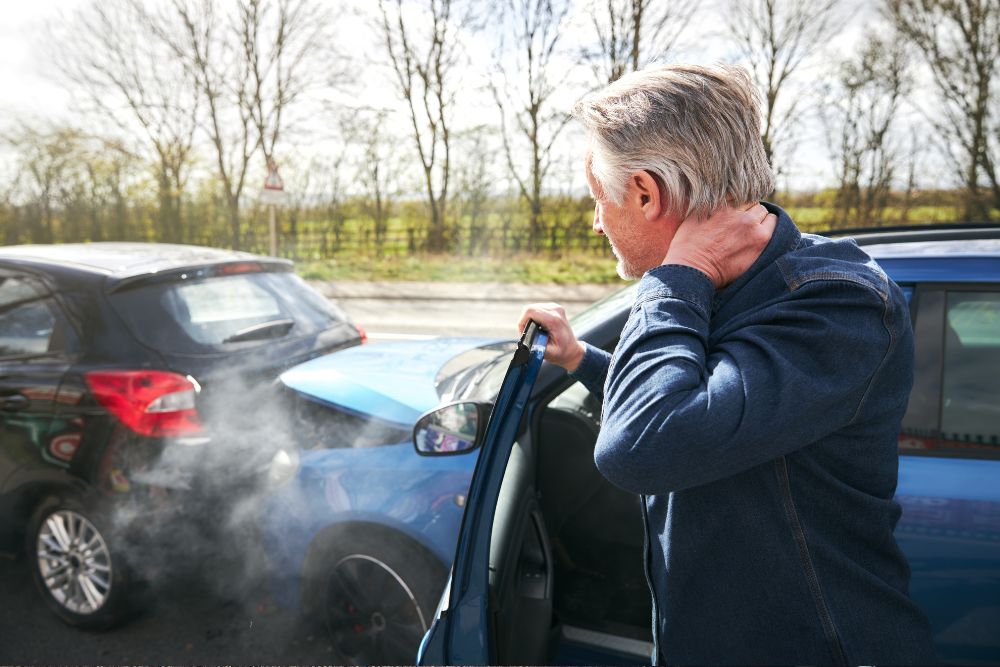
Insurance valuation disputes are common in Australia, particularly following accidents where vehicles are deemed total losses. If you disagree with an insurer’s valuation, you have the right to challenge it. Supporting your position typically requires evidence such as independent professional valuations, comparable vehicle listings, and documentation of your vehicle’s condition, modifications, and service history.
The Role of Independent Assessors in Insurance Claims
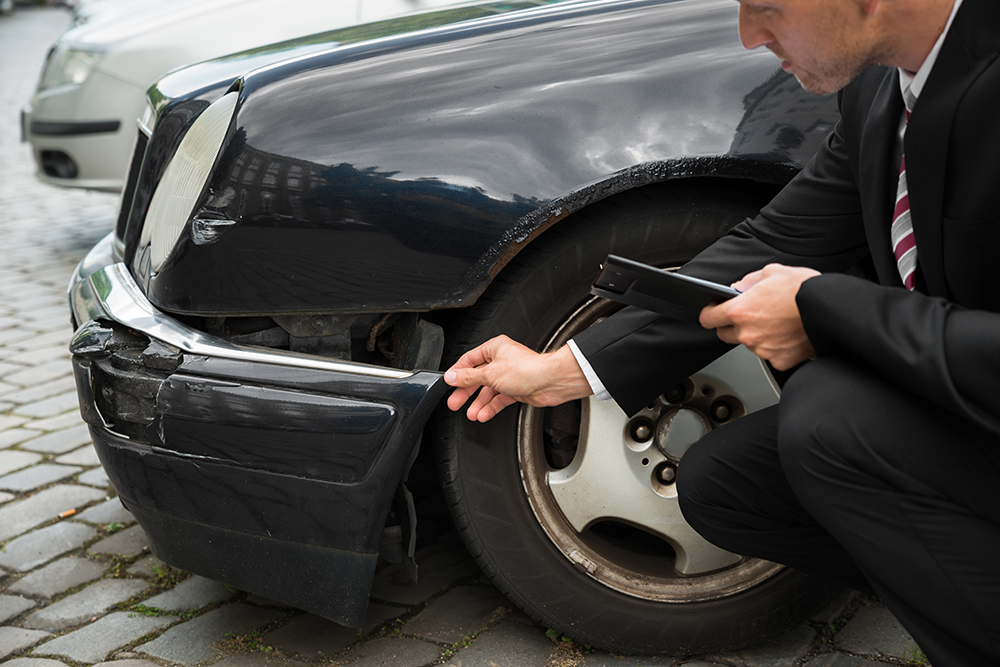
Independent motor vehicle assessors play a vital role in the insurance claims process, providing unbiased evaluations of vehicle damage and value. Unlike insurance company assessors who may be influenced by their employer’s interests, independent assessors work solely on behalf of the vehicle owner, ensuring fair and accurate valuations based on current market conditions and the specific vehicle’s attributes.
When engaging an independent assessor for insurance purposes, look for professionals with relevant industry qualifications, experience with your specific type of vehicle, and a strong understanding of the insurance claims process. The Motor Traders’ Association and the Institute of Automotive Mechanical Engineers often provide directories of accredited assessors across Australia.
The assessment process typically involves a physical inspection of the vehicle (or examination of detailed evidence in cases where the vehicle is no longer accessible), review of all relevant documentation, and research into comparable vehicles in the current market. The resulting report provides a comprehensive justification for the valuation, which can be submitted to insurance companies as evidence during claim negotiations.
How to Challenge Unfair Valuations
If you receive a valuation that seems unfair, whether from a potential buyer, dealer, or insurance company, there are structured approaches to challenging it effectively. Begin by gathering supporting evidence that contradicts the low valuation. This should include listings of comparable vehicles currently for sale, recent sales data for similar models, and documentation highlighting your vehicle’s positive attributes such as low mileage, exceptional condition, or rare features.
Professional second opinions can substantially strengthen your position. Consider obtaining multiple independent valuations from qualified assessors to establish a consensus on your vehicle’s worth. These professional reports carry significant weight in negotiations, especially when they consistently indicate a higher value than what’s been offered. The cost of these additional valuations is often justified by the potential increase in your final settlement or sale price.
When dealing with insurance companies specifically, familiarise yourself with your policy’s exact wording regarding valuation methodologies and dispute resolution processes. Most insurers have formal dispute resolution procedures that you can initiate if informal negotiations fail to reach a satisfactory outcome. Document all communications during this process, including dates, names of representatives spoken with, and summaries of discussions.
Legal Options and Consumer Protections
Australian consumers have legal protections that can be leveraged when challenging unfair valuations. The Australian Financial Complaints Authority (AFCA) provides a free and independent dispute resolution service for financial complaints, including insurance matters. You can lodge a complaint with AFCA if you’re unable to resolve a valuation dispute directly with your insurer and the disputed amount falls within their jurisdictional limits.
Consumer protection laws in Australia, particularly the Australian Consumer Law, provide additional safeguards against misleading or deceptive conduct. If you believe a valuation has been deliberately misrepresented or calculated using false information, you may have grounds for a complaint to the Australian Competition and Consumer Commission (ACCC) or your state’s consumer protection agency.
In cases involving significant sums or particularly complex disputes, seeking legal advice may be warranted. Specialist consumer lawyers or insurance law experts can provide guidance on your specific situation and advise whether further legal action would be appropriate. Many offer initial consultations at reasonable rates, allowing you to assess the strength of your case before committing to legal proceedings.
Need Help With Car Valuation in Australia?
Understanding the true value of your vehicle is essential whether you’re selling, trading in, or dealing with an insurance claim. The right valuation can mean the difference between a fair outcome and significant financial loss.
As independent car assessors in Australia, National Assessing & Engineering provides comprehensive, unbiased vehicle valuations that stand up to scrutiny from insurance companies, potential buyers, and other stakeholders. Our team of qualified assessors conducts thorough inspections and produces detailed reports that accurately reflect your vehicle’s true market value. Contact our team today by calling 1800 844 999 to discuss your car valuation needs and ensure you receive a fair assessment based on your vehicle’s actual condition and the current Australian market.