
Negotiating a car’s price can be a daunting task, especially without proper knowledge of its true market value. Whether you’re buying, selling, or dealing with an insurance claim, having an accurate car valuation gives you leverage during negotiations. This article will guide you through using car valuations effectively to secure a better price, with specific insights relevant to the Australian automotive market.
How to Effectively Use Car Valuations in Price Negotiations
The first step in using car valuations for negotiation is obtaining an accurate, professional assessment. Independent valuations from qualified assessors provide an objective figure based on the vehicle’s actual condition, market trends, and comparable sales data. Unlike online estimators that provide rough estimates, professional vehicle valuations consider detailed factors such as modifications, service history, and the specific Australian market conditions.
When buying a car, bring your valuation documentation to the negotiation table. If a dealer or private seller has priced the vehicle above its assessed value, politely present your valuation report and use it as a starting point for discussion. For example, you might say, “I understand you’re asking $15,000, but I have a professional valuation showing the market value is closer to $13,500. Could we discuss meeting somewhere in between?” This approach demonstrates you’ve done your homework and creates a fact-based foundation for negotiations.
For sellers, a professional valuation prevents underpricing your vehicle. Many Australians sell their cars for less than market value simply because they rely on outdated information or dealer offers that prioritise profit margins. Having documentation of your car’s true worth allows you to confidently defend your asking price and resist lowball offers. It also helps you set a realistic price from the beginning, attracting serious buyers who recognise the fair market value.
Using Valuations for Insurance Negotiations
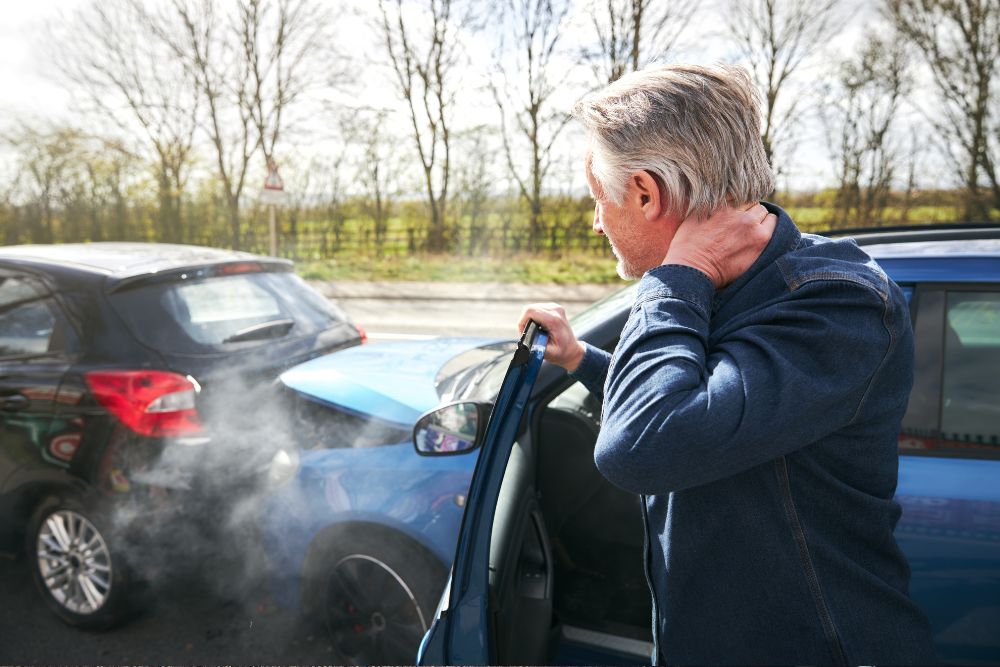
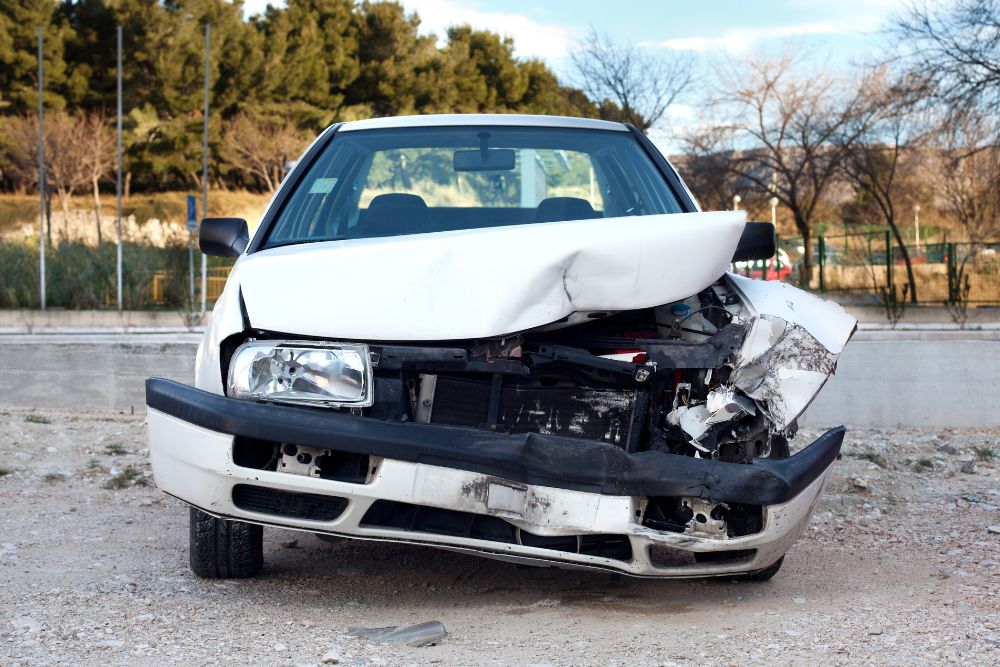
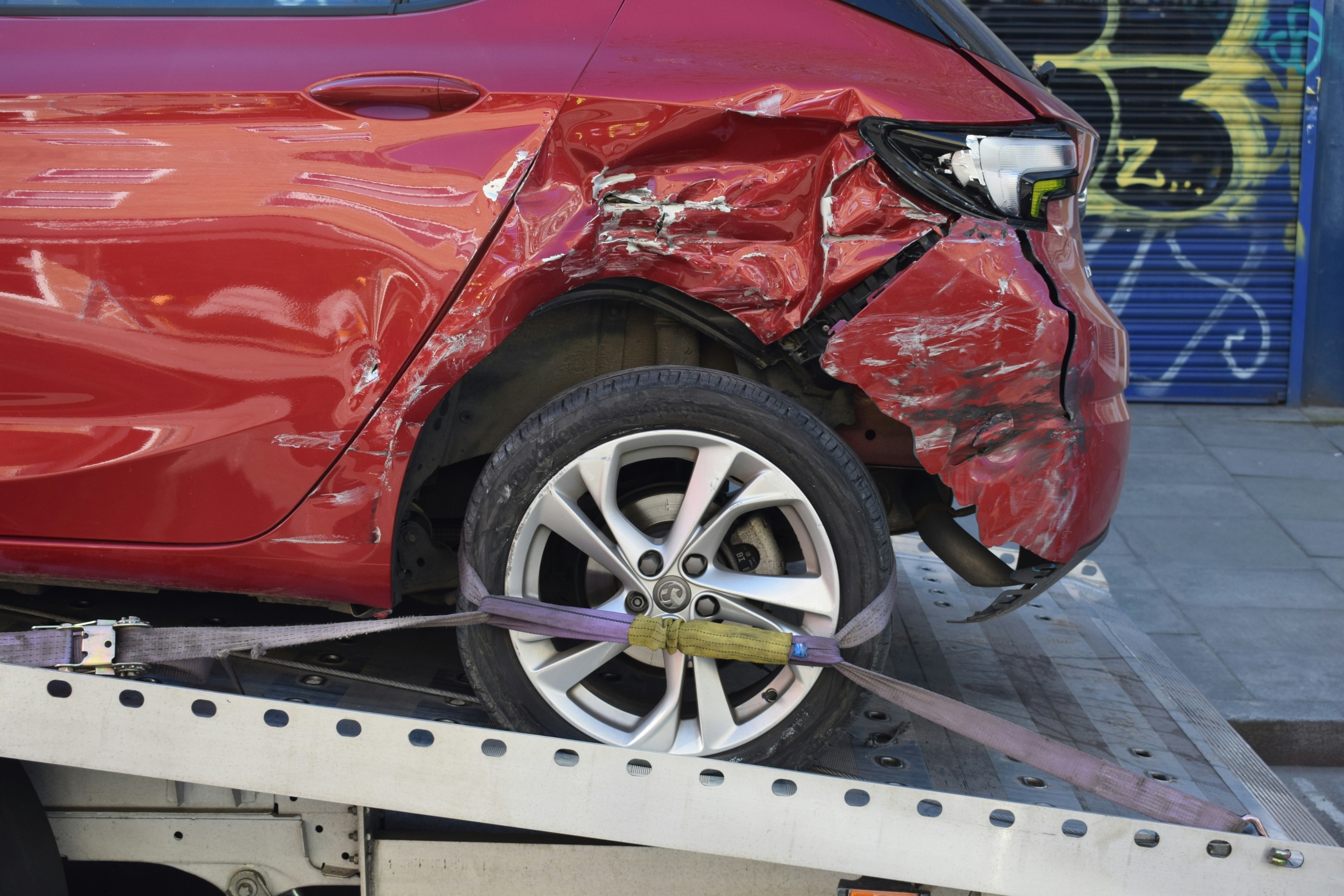
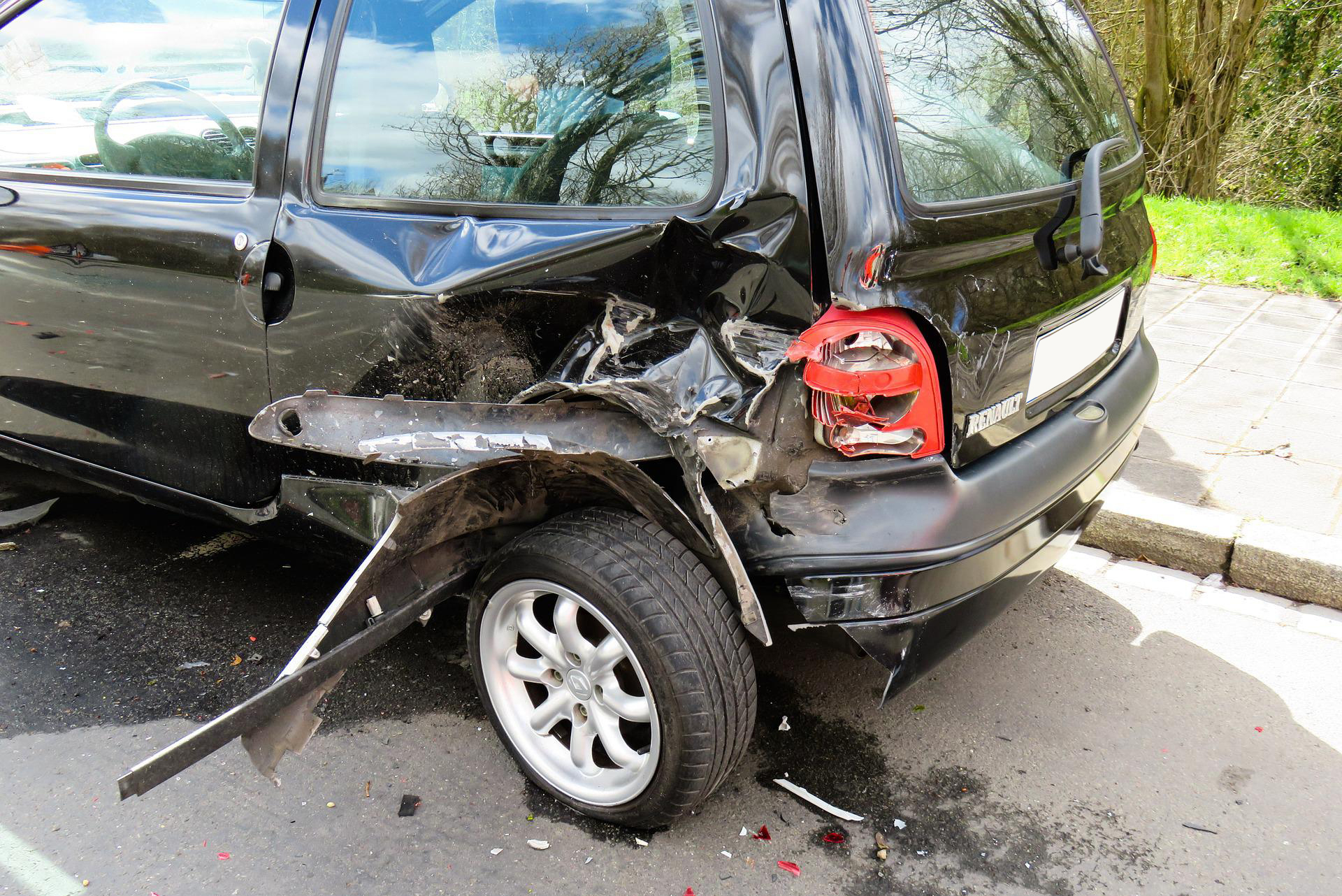
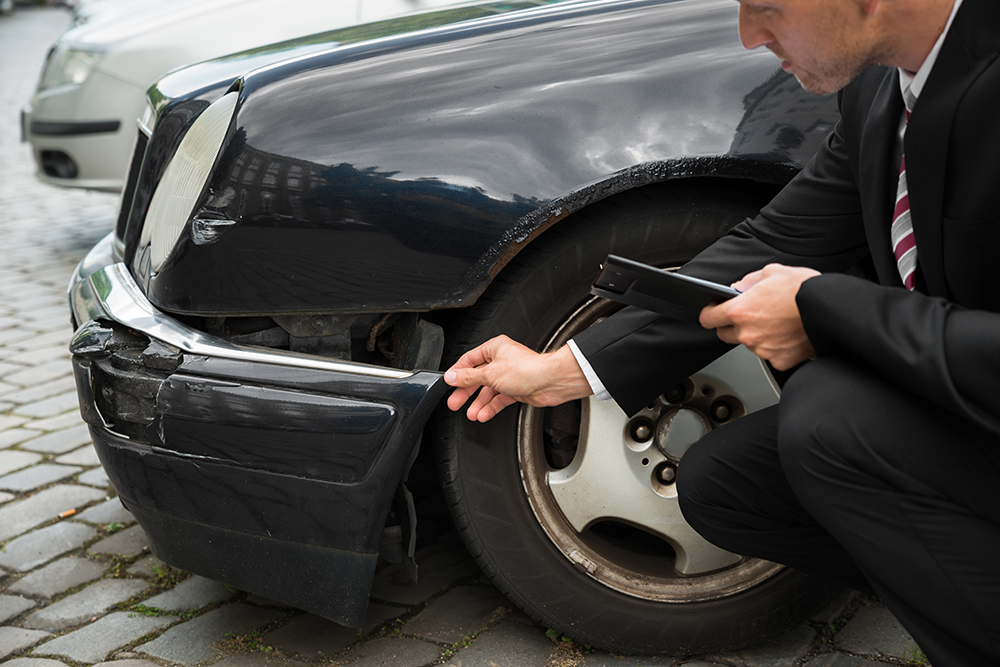
Insurance claims represent another critical scenario where valuations prove invaluable. When your vehicle is written off, insurers often offer settlements based on their own assessments, which may undervalue your car. An independent valuation provides counter-evidence to negotiate a higher payout. Australian insurance policies typically promise to cover the “market value” or “agreed value” of your vehicle, and an independent assessment helps ensure this promise is fulfilled.
In cases of dispute, having a detailed valuation from a certified assessor can make the difference between accepting an inadequate offer and receiving fair compensation. For instance, a comprehensive valuation will account for recent repairs, aftermarket accessories, and the vehicle’s pre-accident condition—factors that insurance assessors might overlook or undervalue in their calculations.
The timing of obtaining a valuation is also crucial. For insurance disputes, arrange an independent assessment as soon as possible after the incident, before repairs begin or the vehicle is disposed of. This ensures the assessor can evaluate the actual condition rather than relying on photographs or descriptions, strengthening your negotiating position.
Understanding Different Types of Car Valuations
Not all car valuations serve the same purpose, and using the right type strengthens your negotiating position. In Australia, several valuation methods exist, each appropriate for different scenarios. Trade-in valuations typically provide the lowest figures, as they account for the dealer’s need to make a profit upon resale. Private sale valuations usually offer higher figures but require you to handle the selling process yourself. Retail valuations reflect what you might expect to pay at a dealership and include their overhead costs and profit margins.
For negotiation purposes, comprehensive market valuations that consider the specific Australian market provide the strongest foundation. These assessments take into account local supply and demand factors that significantly impact vehicle prices across different states and territories. For example, certain 4WD models command higher prices in Queensland and Western Australia compared to urban markets in Victoria or New South Wales due to their practicality in rural settings.
Insurance valuations differ from standard market valuations, as they must account for the specific terms in your policy. Some policies cover replacement value (the cost of replacing with an equivalent vehicle) rather than market value (what your vehicle would sell for). Understanding which valuation type applies to your situation ensures you’re negotiating with relevant figures.
Factors That Influence Car Valuations in Australia
Australian car values are affected by unique market conditions that differ from international markets. Recognising these factors helps you understand and effectively leverage your valuation during negotiations. Distance travelled is particularly significant in Australia due to our vast geography—vehicles with lower kilometres relative to their age typically command premium prices, especially in remote areas where long-distance travel is common.
Vehicle modifications substantially impact valuations in the Australian context. Unlike some markets where modifications might decrease value, certain practical modifications like bull bars, snorkels, and upgraded suspension systems can increase a vehicle’s value in Australia, particularly for off-road vehicles used in rural areas. However, non-compliance with Australian Design Rules or state-specific regulations can significantly decrease value and complicate insurance negotiations.
Regional factors also influence valuation figures. Coastal vehicles may face increased scrutiny for salt-related corrosion, while those from inland areas might be evaluated for dust ingress issues. Additionally, Australia’s strict import regulations mean that certain makes and models maintain higher resale values due to limited supply, creating micro-markets where standard valuation guides may not accurately reflect true market conditions.
Preparing for Negotiation with Your Car Valuation
Effective preparation transforms your valuation from a simple document into a powerful negotiation tool. Before entering any negotiation, thoroughly familiarise yourself with the valuation report and understand how the assessor arrived at their figure. Identify the key value factors mentioned in the report, such as the vehicle’s condition, service history, and market positioning compared to similar vehicles.
Create a negotiation strategy based on your valuation. Determine your opening position, your ideal outcome, and the minimum acceptable figure (your walk-away point). For buyers, this might mean starting below the valuation figure but being willing to increase to the assessed value. For sellers, starting slightly above the valuation allows room for negotiation while still ensuring a fair final price.
Compile supporting documentation beyond the valuation itself. Recent service records, receipts for improvements or repairs, and comparative market listings can reinforce your position. In Australia’s diverse market, having evidence of similar vehicles’ prices in your specific region provides context for your valuation figure and strengthens your negotiating stance.
Negotiation Techniques When Using Valuations
The manner in which you present your valuation significantly impacts its effectiveness. Rather than immediately challenging the other party’s price, ask questions that encourage them to justify their figure first. This approach gives you insights into their reasoning and may reveal flexibility in their position. Once you understand their perspective, introduce your valuation as objective information rather than a confrontational challenge.
Use collaborative language that frames the negotiation as a problem-solving exercise rather than a competition. Statements like “The independent valuation suggests the market value is $X. How might we bridge the gap between that and your asking price?” invite discussion rather than creating defensiveness. This approach is particularly effective in Australia’s relatively small automotive market, where maintaining good relationships can be important.
When faced with resistance, focus on the credibility of your valuation source rather than becoming entrenched in a price battle. Highlight the assessor’s qualifications, their familiarity with the Australian market, and the comprehensive nature of their assessment process. This shifts the conversation from personal opinions about price to objective market realities.
When to Invest in a Professional Car Valuation
While free online valuation tools might seem adequate for everyday transactions, certain situations warrant the investment in a professional assessment. High-value vehicles, rare models, heavily modified cars, or those with unusual histories benefit most from expert valuation. The cost of professional valuation typically ranges from $200-$500 in Australia, depending on the vehicle type and location—a modest investment when negotiating transactions worth tens of thousands of dollars.
Insurance disputes almost always justify professional valuation costs. When an insurer offers a settlement that seems below market value, the few hundred dollars spent on an independent assessment could result in thousands of dollars of additional compensation. Similarly, for unique or modified vehicles where standard valuation guides fall short, professional assessments provide the detailed documentation needed for effective negotiation.
Timing also matters when deciding to obtain a valuation. For sellers, getting a valuation before listing your vehicle helps you set an appropriate asking price from the start, potentially shortening the sales process. For buyers, arranging a pre-purchase valuation of a specific vehicle you’re interested in provides negotiation leverage and protection against overpaying, particularly for private sales where pricing can be inconsistent.
Need Expert Car Valuation Assistance?
Having accurate information about your vehicle’s value gives you a significant advantage in any negotiation scenario. Whether you’re buying, selling, or dealing with an insurance claim, a professional valuation provides the objective foundation needed for successful negotiations.
As independent car assessors in Australia, National Assessing & Engineering can provide you with comprehensive, market-specific valuations that account for all relevant factors affecting your vehicle’s worth. Contact our team today by calling 1800 844 999 to arrange a professional valuation and ensure you have the negotiating power you need to secure the best possible price for your vehicle.