
Getting the best valuation when selling your car requires preparation, knowledge, and strategic timing. Whether you’re upgrading to a newer model or simply want to maximise your return on investment, understanding how to properly present and negotiate the sale of your vehicle can significantly impact the final price you receive. This article will guide you through the essential steps to ensure you get the highest possible valuation when selling your car in Australia.
How to Maximise Your Car’s Value Before Selling
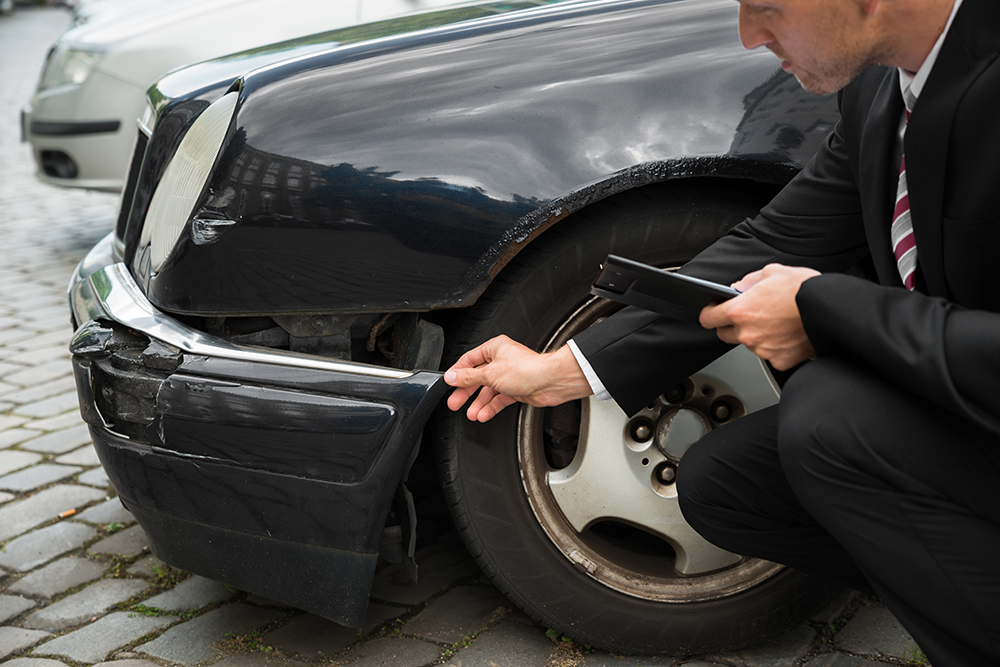
To achieve the best possible valuation for your vehicle, you need to start with thorough preparation. Professional car assessors consistently note that well-maintained, clean vehicles command higher prices and attract more interested buyers. Begin by addressing any minor mechanical issues that might be present. Even small problems like a faulty indicator or worn wiper blades can give potential buyers leverage to negotiate your price downward or create the impression that the vehicle hasn’t been properly maintained.
Documentation plays a crucial role in establishing your car’s value. Collect all service records, registration papers, and maintenance receipts to create a comprehensive history of your vehicle’s care. A well-documented maintenance history demonstrates to potential buyers that the car has been regularly serviced and properly maintained, which can justify a higher asking price. Australian buyers particularly value vehicles with complete logbook servicing, as this provides confidence in the vehicle’s condition and can significantly impact resale value.
Appearance matters tremendously when selling a car. Invest in a professional detailing service that includes exterior washing, polishing, and interior deep cleaning. Professional detailing typically costs between $150-$300 but can potentially add $500-$1,000 to your car’s perceived value. Pay special attention to removing any unpleasant odours, particularly those from pets or cigarette smoke, as these can be major deterrents for potential buyers and significantly reduce your car’s valuation.
Timing Your Sale for Maximum Value
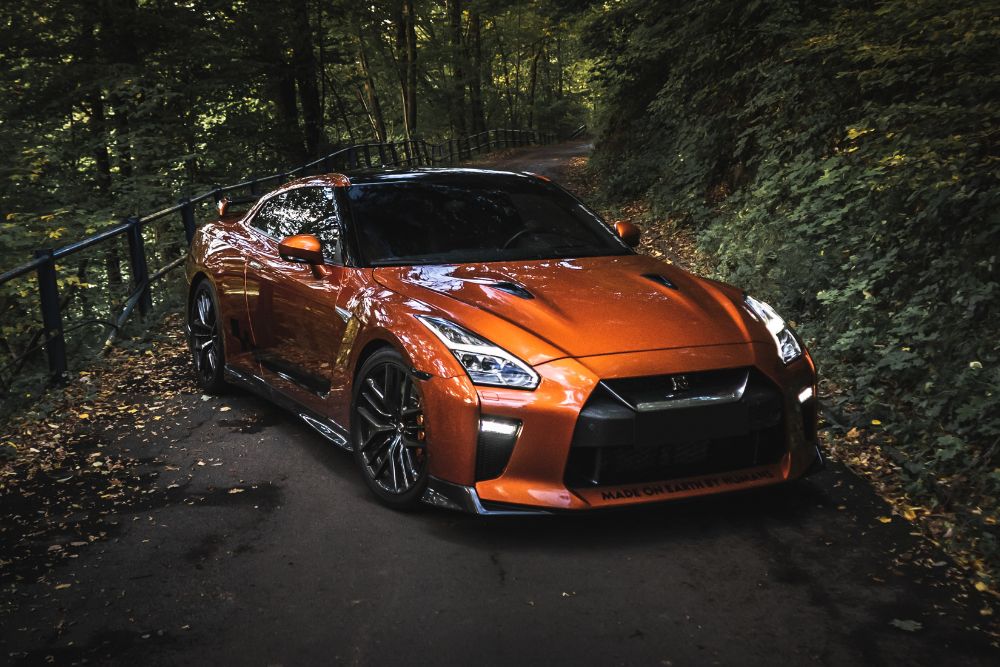
The timing of your car sale can significantly impact the valuation you receive. Australian market trends show that convertibles and sports cars typically sell for higher prices during spring and summer months when buyers are more interested in recreational vehicles. Conversely, 4WD and SUV models often command better prices during autumn and winter when their all-weather capabilities are more appealing to potential buyers.
Market awareness is essential for optimal timing. For example, selling just before the release of a new model of your vehicle can help you avoid the price drop that typically occurs when newer versions enter the market. Additionally, understanding the current economic climate is important – during economic downturns, budget-friendly, fuel-efficient vehicles often maintain their value better than luxury or high-consumption models.
The end of the financial year (June in Australia) can be an advantageous time to sell, particularly to businesses looking to make purchases before the tax year closes. Similarly, December can be a good selling period as many Australians receive year-end bonuses and may be looking to purchase vehicles. Being strategic about when you list your car can potentially add hundreds or even thousands of dollars to your final valuation.
Choosing the Right Valuation Method
There are several methods available for valuing your car in Australia, each with its own advantages. Online valuation tools provided by services like Redbook, Glass’s Guide, or carsales.com.au offer quick estimates based on your vehicle’s make, model, year, and condition. While convenient, these automated valuations provide only a general range and may not account for unique features or the specific condition of your vehicle.
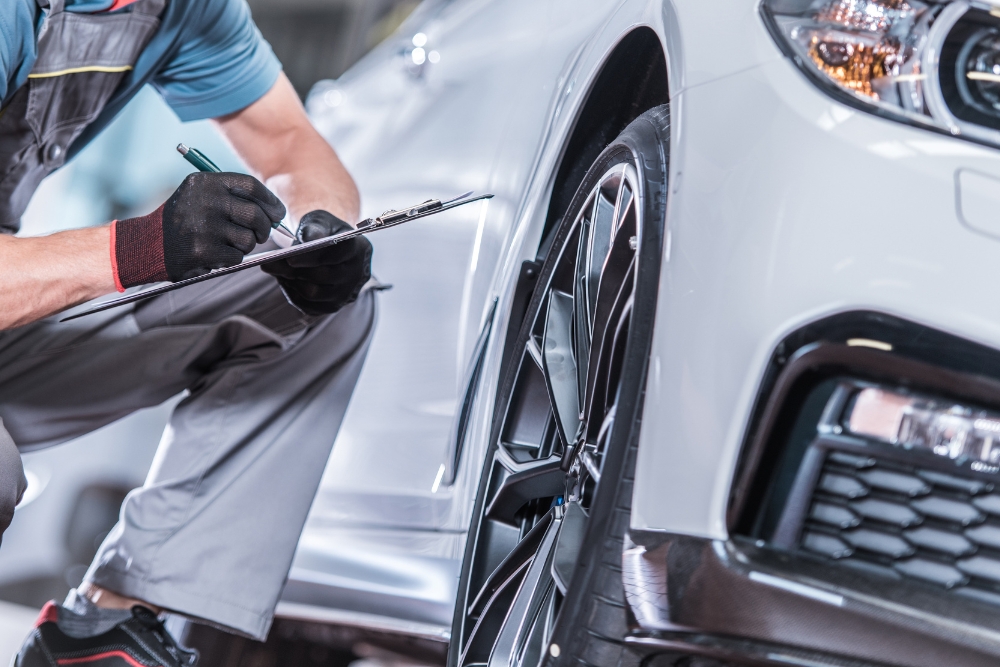
For a more accurate assessment, consider getting a professional car valuation from an independent assessor. Independent assessors provide unbiased evaluations based on a thorough inspection of your vehicle’s condition, service history, modifications, and current market demand. This detailed approach typically results in a more accurate valuation than online tools and can provide documentation to support your asking price when negotiating with potential buyers.
Dealership appraisals are another option, particularly if you’re considering a trade-in. However, be aware that dealerships typically offer lower valuations than private sale prices, as they need to account for their profit margins and potential reconditioning costs. Getting multiple dealership quotes can help you determine a fair trade-in value and strengthen your negotiating position.
Professional vs. DIY Valuations
While DIY valuation methods are accessible and cost-effective, they often lack the precision and credibility of professional assessments. Professional car assessors bring industry expertise and use standardised methodologies to evaluate vehicles. They consider factors that online calculators might miss, such as regional price variations, seasonal demand fluctuations, and the specific impact of certain modifications or optional features on your car’s value.
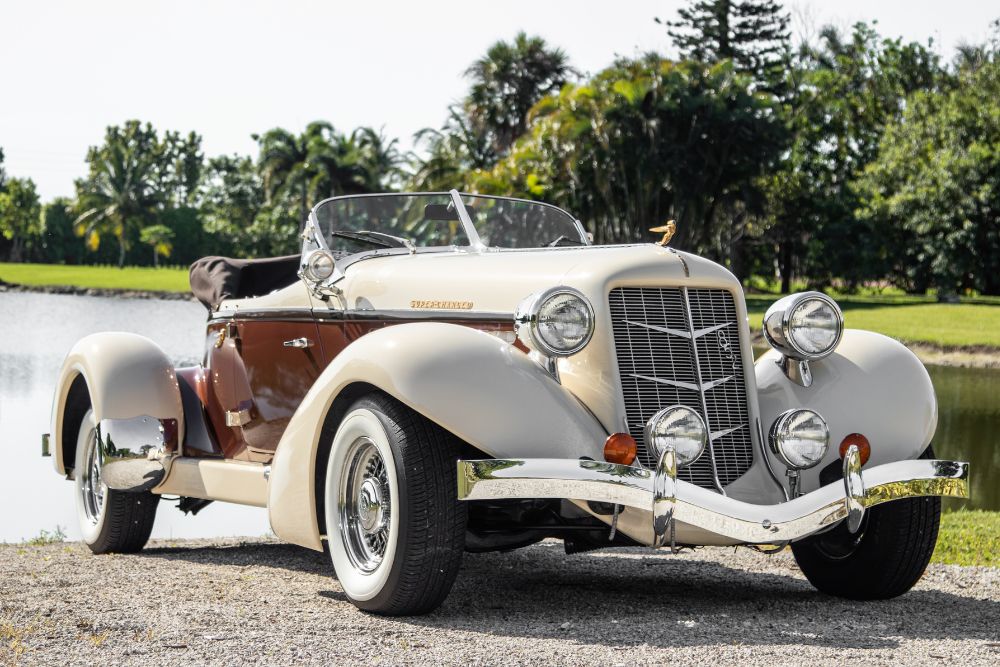
Professional valuations are particularly valuable for unique, modified, or classic vehicles where standard valuation tools may be inadequate. For instance, a professionally modified 4WD with quality aftermarket enhancements might be undervalued by automated systems, but a qualified assessor can recognise and quantify the added value of these modifications. Similarly, vintage or collectible vehicles require specialised knowledge to accurately assess their market value.
The cost of a professional vehicle valuation typically ranges from $100-$300 in Australia, depending on the complexity of the assessment and the type of vehicle. This investment can often be recovered many times over by helping you set an appropriate asking price and providing documented justification when negotiating with potential buyers.
Presentation and Marketing Strategies
How you present and market your car significantly impacts potential buyers’ perceptions and the valuation they’re willing to accept. High-quality photography is essential for online listings. Take clear, well-lit photos of your vehicle from multiple angles, including interior shots, the engine bay, and any special features. Avoid using filters that might misrepresent the car’s actual condition, as this can lead to disappointed buyers and difficult negotiations.
When writing your advertisement, be honest but strategic about highlighting your car’s best features. Mention recent maintenance, new parts, and any desirable options or upgrades. Use specific terminology that appeals to your target market – for example, emphasise safety features when marketing family cars or performance specifications for sports models. Including the results of a professional valuation in your listing can also help justify your asking price and build buyer confidence.
Before showing your vehicle to potential buyers, ensure it’s in optimal presentation condition. Remove personal items, clean the interior thoroughly, and consider using products that create a pleasant “new car” smell. Have all documentation organised and readily available for inspection. First impressions matter significantly in car sales, and a well-presented vehicle can command a premium of 5-10% over the same model in average condition.
Negotiation Techniques for Better Valuations
Effective negotiation is crucial to achieving the best possible valuation for your car. Before entering negotiations, research the current market thoroughly to establish a realistic price range for your vehicle. Set your asking price slightly higher than your minimum acceptable figure to allow room for negotiation. Australian buyers typically expect some flexibility, so pricing your car 5-10% above your target sale price is a common strategy.
During negotiations, remain confident in your vehicle’s value, particularly if you have a professional valuation to support your asking price. Be prepared to highlight features that justify your valuation, such as low mileage, premium options, or recent major services. When faced with lower offers, ask potential buyers to explain their reasoning rather than immediately reducing your price. This approach often reveals their true objections and provides you with an opportunity to address specific concerns.
Remember that non-monetary aspects can also be negotiated to improve the overall value of the transaction. For example, you might maintain a firmer price position but offer to include extra items such as roof racks, a second set of wheels, or remaining roadside assistance coverage. Being flexible about payment methods or delivery arrangements can sometimes help secure a better price without reducing the actual dollar amount.
The Impact of Modifications on Car Valuation
Vehicle modifications can either enhance or detract from your car’s value, depending on their nature, quality, and market appeal. Factory options and manufacturer-approved accessories generally add value proportional to their cost when new, though at a depreciated rate. Popular examples include premium sound systems, upgraded wheel packages, or factory-fitted towing packages, which typically retain about 30-50% of their original value in the used car market.
Aftermarket modifications have more variable impacts on valuation. Professional, high-quality modifications that enhance functionality without compromising reliability or safety can increase value. For instance, properly installed suspension upgrades, quality bull bars, or professional performance enhancements might appeal to specific buyers willing to pay a premium. However, extreme modifications, poor-quality installations, or changes that limit the vehicle’s appeal to a narrow market segment often reduce overall value.
When selling a modified vehicle, documentation is particularly important. Having receipts for parts, professional installation certificates, and engineering approvals where required can significantly impact valuation. In Australia, modifications that alter a vehicle’s compliance with design rules must be properly certified to maintain legal registration status, and this certification directly affects the vehicle’s market value. An independent assessment is especially valuable for modified vehicles, as it provides an objective evaluation of how modifications have impacted the car’s worth.
Need Expert Assistance With Your Car Valuation?
Getting the best valuation when selling your car requires preparation, market knowledge, and strategic presentation. Following the advice outlined in this article can help you maximise your vehicle’s value and achieve a satisfactory sale price.
As independent car assessors in Australia, National Assessing & Engineering can provide you with professional, unbiased valuations that help you determine your vehicle’s true market worth. Our detailed assessments consider all aspects of your vehicle’s condition, history, and unique features to ensure you have accurate information when entering the market. Contact our team today by calling 1800 844 999 for expert assistance with your car valuation.