
Car accidents can be both physically and emotionally traumatic experiences. When you’re found to be at fault in an accident in Australia, understanding how to navigate the insurance claim process becomes critically important. The procedures, regulations, and potential pitfalls vary significantly across different states and territories, and knowing your rights and responsibilities can make a substantial difference in the outcome of your claim. This article will guide you through the complexities of at-fault car accident insurance claims in Australia, providing essential information to help you manage this challenging situation effectively.
How At-Fault Insurance Claims Work in Australia
In Australia, motor vehicle insurance operates under a fault-based system where the driver who caused the accident is generally responsible for the resulting damages. When you’re deemed at fault in a car accident, your insurance claim process follows a specific pathway that differs from non-fault claims.
Most Australian drivers hold one of two types of insurance: Compulsory Third Party (CTP) insurance, which is mandatory in all states and territories, and comprehensive car insurance, which is optional but provides broader coverage. When you’re at fault, your CTP insurance typically won’t cover your own injuries or vehicle damage, but it will cover injuries to third parties. Your comprehensive insurance, if you have it, may cover damage to your vehicle and third-party property, depending on your specific policy.
The process typically begins by reporting the accident to your insurer as soon as possible. Full disclosure about the circumstances is essential, even if you believe you were at fault. Your insurer will then conduct an investigation to determine liability, which may involve reviewing police reports, witness statements, and physical evidence from the accident scene. Once fault is established, the claims process proceeds, with your insurer handling compensation for the other party’s damages according to your policy limits.
State-Specific Regulations for At-Fault Claims
New South Wales
In NSW, at-fault drivers are covered by the Motor Accident Injuries Act 2017. If you’re at fault, your CTP insurance will cover the other party’s injuries, but your own injuries will only be covered for a limited period (usually up to six months) through statutory benefits, regardless of fault. For vehicle damage, you’ll need comprehensive insurance, as CTP doesn’t cover property damage.
NSW operates under a modified comparative negligence system, where compensation may be reduced based on the percentage of fault attributed to each party. This means even if you’re primarily at fault, if the other driver contributed to the accident, their compensation might be reduced proportionally.
Victoria
Victoria’s Transport Accident Commission (TAC) manages a no-fault scheme for personal injuries. This means that regardless of who caused the accident, all parties can receive some level of medical and rehabilitation support. However, the at-fault driver faces limitations on the types of compensation available, particularly regarding pain and suffering damages and economic loss.
For vehicle and property damage, Victoria follows a fault-based system, meaning the at-fault driver’s comprehensive insurance (if they have it) covers these damages. Without comprehensive insurance, the at-fault driver becomes personally liable for these costs.
Queensland
Queensland’s CTP insurance scheme operates on a fault basis. If you’re at fault, your CTP will cover the other party’s personal injuries, but not your own. The state does offer limited statutory benefits for catastrophic injuries through the National Injury Insurance Scheme Queensland (NIISQ), regardless of fault.
Queensland has strict time limits for claims, requiring notification to insurers within nine months of the accident or first appearance of symptoms. The claim process involves detailed medical assessments and potential settlement negotiations before proceeding to court if necessary.
Western Australia, South Australia, and Other Territories
Western Australia and South Australia maintain traditional fault-based systems for both personal injury and property damage. In these states, at-fault drivers receive minimal coverage for their own injuries and must rely on comprehensive insurance for vehicle damage.
The Northern Territory and ACT have similar systems but with variations in claim procedures and time limits. For instance, the Northern Territory’s Motor Accidents Compensation scheme provides some benefits regardless of fault, while the ACT’s system is more strictly fault-based.
Financial Implications of At-Fault Claims
Being at fault in an accident typically has significant financial consequences. The most immediate impact is often an increase in insurance premiums. Australian insurers generally increase premiums by 20-50% following an at-fault claim, and this increase may persist for several years. Some insurers implement a rating system where each claim-free year improves your rating, while at-fault claims cause it to drop, directly affecting premium costs.
Beyond premium increases, you may face excess payments when making a claim. These can range from a few hundred to several thousand dollars, depending on your policy and circumstances. Some policies have higher excesses for at-fault claims or for drivers under a certain age. Additionally, making an at-fault claim may result in the loss of no-claim bonuses or safe driver discounts, further increasing your long-term insurance costs.
If your insurance coverage is insufficient to cover all damages, you could be personally liable for the remaining amounts. This is particularly concerning in cases involving luxury vehicles or multiple cars, where damages can easily exceed standard policy limits. Some drivers face financial hardship when required to pay these excess amounts or uncovered damages, especially after already dealing with the stress of an accident.
Steps to Take After an At-Fault Accident
Immediate Actions at the Accident Scene
The moments immediately following an accident are crucial, even if you believe you’re at fault. First, ensure everyone’s safety by checking for injuries and moving vehicles off the road if possible and safe to do so. Contact emergency services if there are injuries or significant property damage. Australian law requires exchanging details with all involved parties, including names, addresses, phone numbers, vehicle registrations, and insurance information.
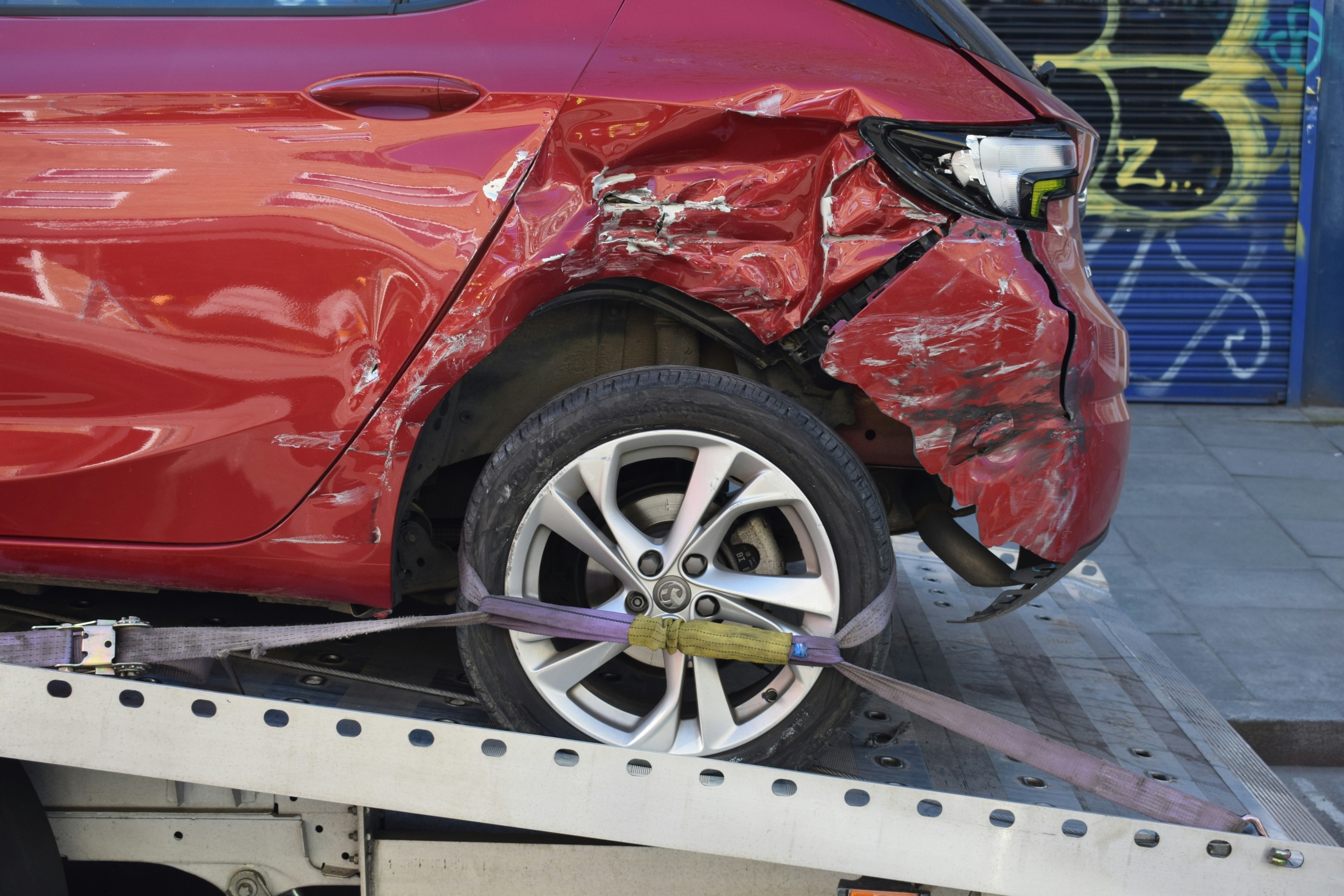
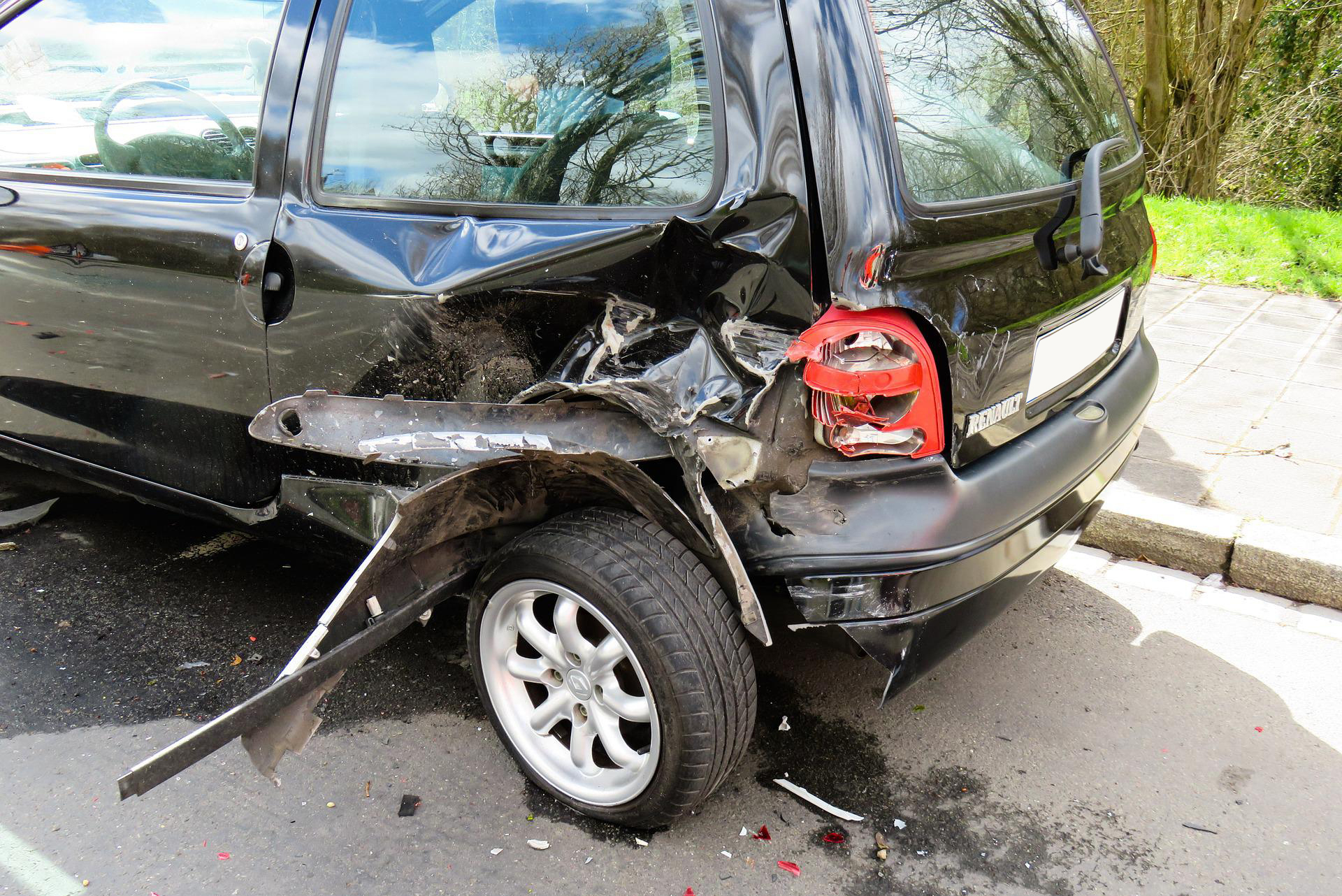
While at the scene, document everything thoroughly. Take comprehensive photos of all vehicles involved, showing damage from multiple angles, as well as the broader accident scene, including road conditions, traffic signs, and skid marks. If there are witnesses, politely ask for their contact information, as their statements may be valuable later in the claims process.
Be careful about what you say at the accident scene. Avoid admitting fault or making statements that could be interpreted as accepting liability. Instead, stick to exchanging the required information and documenting facts. Determining fault is a complex process that considers many factors beyond what might be immediately apparent.
Reporting the Accident
Report the accident to your insurer as soon as possible, ideally within 24 hours. Most Australian insurance policies require prompt notification, and delays can complicate your claim or even provide grounds for denial. Be honest and comprehensive in your report, providing all relevant details even if they suggest you were at fault. Insurers have sophisticated methods to verify accident circumstances, and dishonesty can lead to claim rejection and potential legal consequences.
In certain situations, you must also report the accident to the police. This is mandatory if anyone is injured, if there’s significant property damage, or if any drivers appear to be under the influence of alcohol or drugs. In most states, if police don’t attend the scene, you can report the accident at a police station or online within 24 hours. Obtain an official police report number, as your insurer will likely request this during the claims process.
Working with Your Insurance Company
After reporting the accident, your insurer will assign a claims adjuster to investigate and determine fault. Cooperate fully with this investigation by providing all requested information and documentation promptly. This might include completed claim forms, witness statements, photos, medical reports, and repair estimates. Keep detailed records of all communications with your insurer, including dates, names, and summaries of conversations.
If your insurer determines you were at fault, they’ll typically handle negotiations with the other party’s insurer or directly with the other party. During this process, your insurer will decide whether to pay the claim based on your policy coverage. They may choose to settle the claim even if you disagree with the fault determination if they believe it’s the most cost-effective approach. Throughout this process, stay informed about your claim’s status by maintaining regular contact with your claims adjuster.
Disputing Fault Determinations
Even if initial assessments suggest you were at fault, there may be valid grounds to dispute this determination. Fault is rarely black and white, and contributing factors might include road conditions, vehicle defects, actions of other drivers, or obscured signage. If you believe the fault determination is incorrect or that responsibility should be shared, you have options to challenge it.
Begin by gathering evidence that supports your position. This might include additional witness statements, expert analyses of vehicle damage patterns, weather reports, or footage from dashcams or nearby security cameras. Traffic laws and regulations can also be relevant—research specific rules that might apply to your situation, such as right-of-way provisions or requirements for signalling.
Present your case to your insurer through their internal dispute resolution process. Most Australian insurers have formal procedures for handling disagreements about claim determinations. Submit your evidence and arguments in writing, clearly explaining why you believe the fault determination should be reconsidered. If this doesn’t resolve the issue, you can escalate to the Australian Financial Complaints Authority (AFCA), which provides free and independent dispute resolution for insurance matters.
Insurance Policy Considerations for At-Fault Accidents
Understanding Policy Exclusions
Insurance policies contain specific exclusions that can affect your coverage after an at-fault accident. Common exclusions in Australian policies include driving under the influence of alcohol or drugs, driving without a valid licence, using the vehicle for purposes not declared in your policy (such as business use on a personal policy), or modifications to the vehicle that weren’t disclosed to the insurer. These exclusions can result in claim denials even if you have comprehensive insurance.
Some policies also exclude coverage if the vehicle was being driven by someone not listed on the policy or by a driver under a certain age. Others have exclusions related to the vehicle’s condition, such as unroadworthiness or overloading. Carefully review your policy’s Product Disclosure Statement (PDS) to understand these exclusions, as they can significantly impact your coverage after an at-fault accident.
Protecting Your Financial Interests
Several optional policy features can provide additional protection in at-fault scenarios. “Rating protection” or “protected no-claim bonus” options allow you to make an at-fault claim without losing your no-claim discount, though these typically only apply to a limited number of claims within a specified period. Some insurers offer “accident forgiveness” for long-term customers with good driving records, essentially waiving the premium increase for a first at-fault accident.
For more comprehensive protection, consider “excess-free glass coverage” which waives the excess for windscreen or window damage, and “hire car coverage” which provides a replacement vehicle while yours is being repaired, even in at-fault situations. While these options increase your premium, they can provide significant financial protection and peace of mind if you’re involved in an at-fault accident.
Before Paying Anything – Get an Independent Car Assessment
After being at fault in a car accident in Australia, one crucial step many drivers overlook is arranging an independent assessment of the other party’s vehicle. While accepting responsibility is important, this doesn’t mean you should blindly pay whatever repair bill comes your way. Insurance companies often recommend trusted assessors, but if you’re handling the claim privately, consider hiring your own qualified independent vehicle assessor. This professional can provide an unbiased evaluation of the actual damage caused by the accident versus pre-existing issues, potentially saving you from paying for repairs unrelated to the incident.
The independent assessment serves as protection against repair inflation or inclusion of pre-existing damage. Request that the assessment be conducted before any repairs begin, and ensure you receive a detailed written report specifying exactly which damages resulted from your accident. While this may cost a few hundred dollars upfront, it could save you thousands in disputed repair costs and provides documentation should the matter escalate to insurance companies or legal proceedings.
Legal Considerations and Potential Liabilities
At-fault accidents can sometimes lead to legal complications beyond the standard insurance claims process. If damages exceed your policy limits or if your claim is denied due to policy exclusions, you may face personal liability for the remaining costs. This can result in the other party taking legal action against you to recover these expenses, potentially leading to court proceedings and judgments against your assets.
In more serious cases involving negligent or reckless driving, you might face criminal charges such as dangerous driving or negligent driving causing injury. These can result in penalties including fines, licence suspension, or even imprisonment for severe cases. Such charges are separate from the insurance claims process and require legal representation to navigate effectively.
To protect yourself legally, consider consulting with a solicitor specialising in motor vehicle accidents if your at-fault accident involves significant damages, injuries, or dispute about fault. Legal advice is particularly important if you receive any formal legal documents or if the accident resulted in serious injuries or fatalities. Some motor vehicle insurance policies include legal expense coverage, which can help with these costs.
Impact on Driving Record and Licence
At-fault accidents often result in demerit points being added to your driving record, depending on the nature of the traffic violation that caused the accident. In Australia, accumulating too many demerit points within a specified period can lead to licence suspension or restrictions. The threshold varies by state, with most states imposing suspensions after accumulating between 12-15 points within a three-year period.
For provisional drivers, the consequences are typically more severe, with lower demerit point thresholds and potentially longer suspension periods. Some states also impose additional restrictions on P-plate drivers after at-fault accidents, such as extending the provisional licence period or requiring additional driver education programs.
To manage these impacts, consider taking a defensive driving course after an at-fault accident. While this typically won’t remove demerit points, it can improve your driving skills and may be viewed favourably by insurers when determining future premiums. Additionally, maintaining a clean driving record after an at-fault accident will gradually improve your standing with both licensing authorities and insurance companies.
Need Expert Help With Your At-Fault Car Accident Claim?
Navigating an at-fault car accident claim can be complex and stressful, with potential financial, legal, and administrative challenges. Understanding your policy coverage, state-specific regulations, and claim procedures is essential to protecting your interests during this difficult time. As independent car assessors in Australia, we at National Assessing & Engineering can provide expert assistance and advocacy throughout your claim process. Our professional assessors can help determine the true extent of vehicle damage, provide independent reports that may assist in fault disputes, and guide you through the technical aspects of your claim. Contact our team today by calling 1800 844 999 for professional support with your at-fault car accident claim.