
Online car valuation tools have become a popular resource for Australians seeking to determine the worth of their vehicles quickly and conveniently. With just a few clicks, users can access estimates that claim to reflect the market value of their cars. But how accurate are these tools, and can they truly be relied upon when making important decisions such as selling a car or resolving insurance claims? This article explores the accuracy of online car valuation tools and provides insight into their strengths and limitations.
How Online Car Valuation Tools Work
Online car valuation tools are designed to provide users with an estimated value of their vehicle based on various inputs such as make, model, year, mileage, and condition. These tools typically utilise algorithms that analyse vast amounts of data, including recent sales, market trends, and dealer listings, to generate an estimated price range.
While they can be a convenient starting point, their accuracy largely depends on the quality and comprehensiveness of the data they rely on. Factors such as regional market variations, unique vehicle features, and real-time market conditions can significantly influence a car’s actual value, often beyond what these tools can capture.
Limitations of Online Car Valuation Tools
Lack of Personalised Assessment
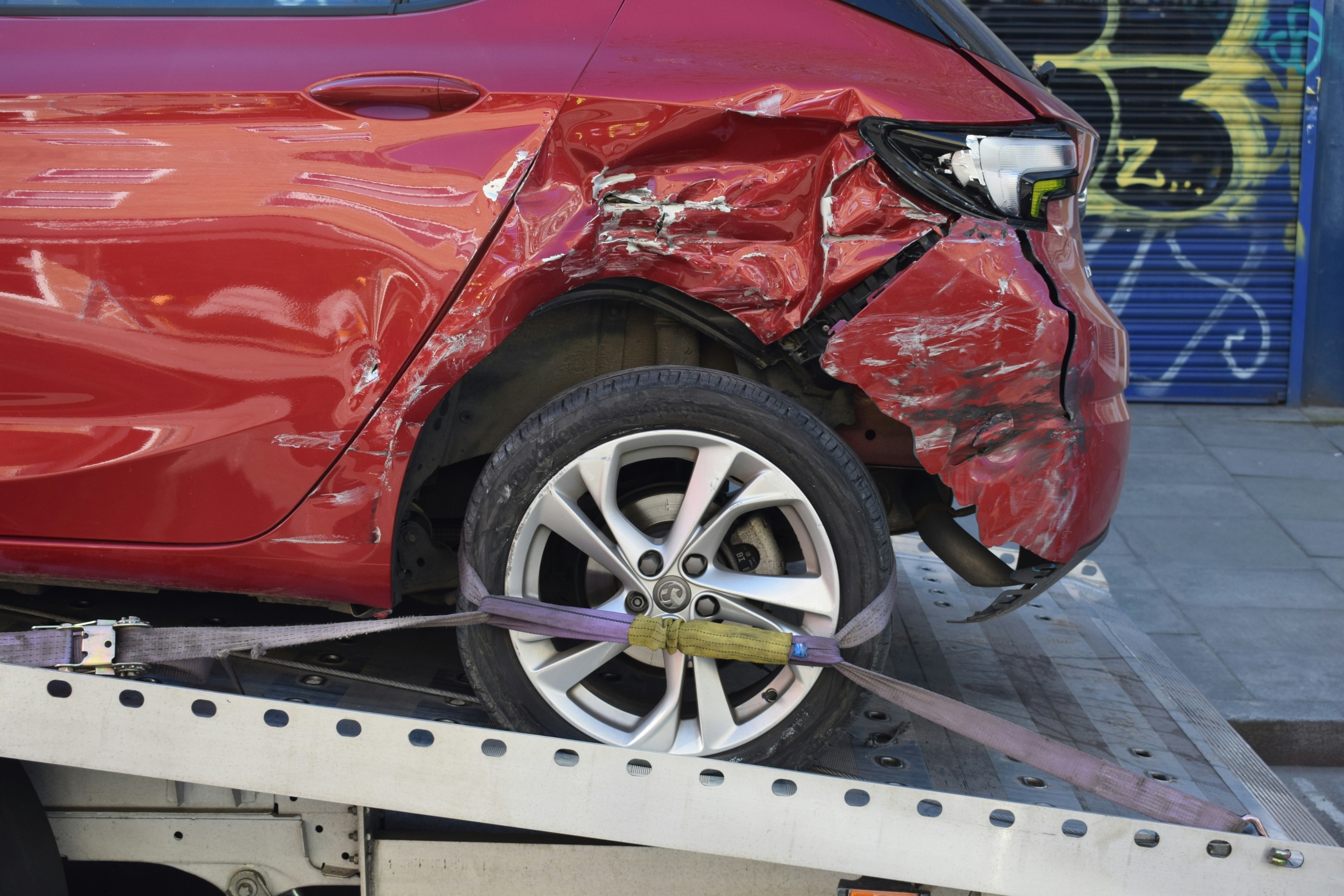
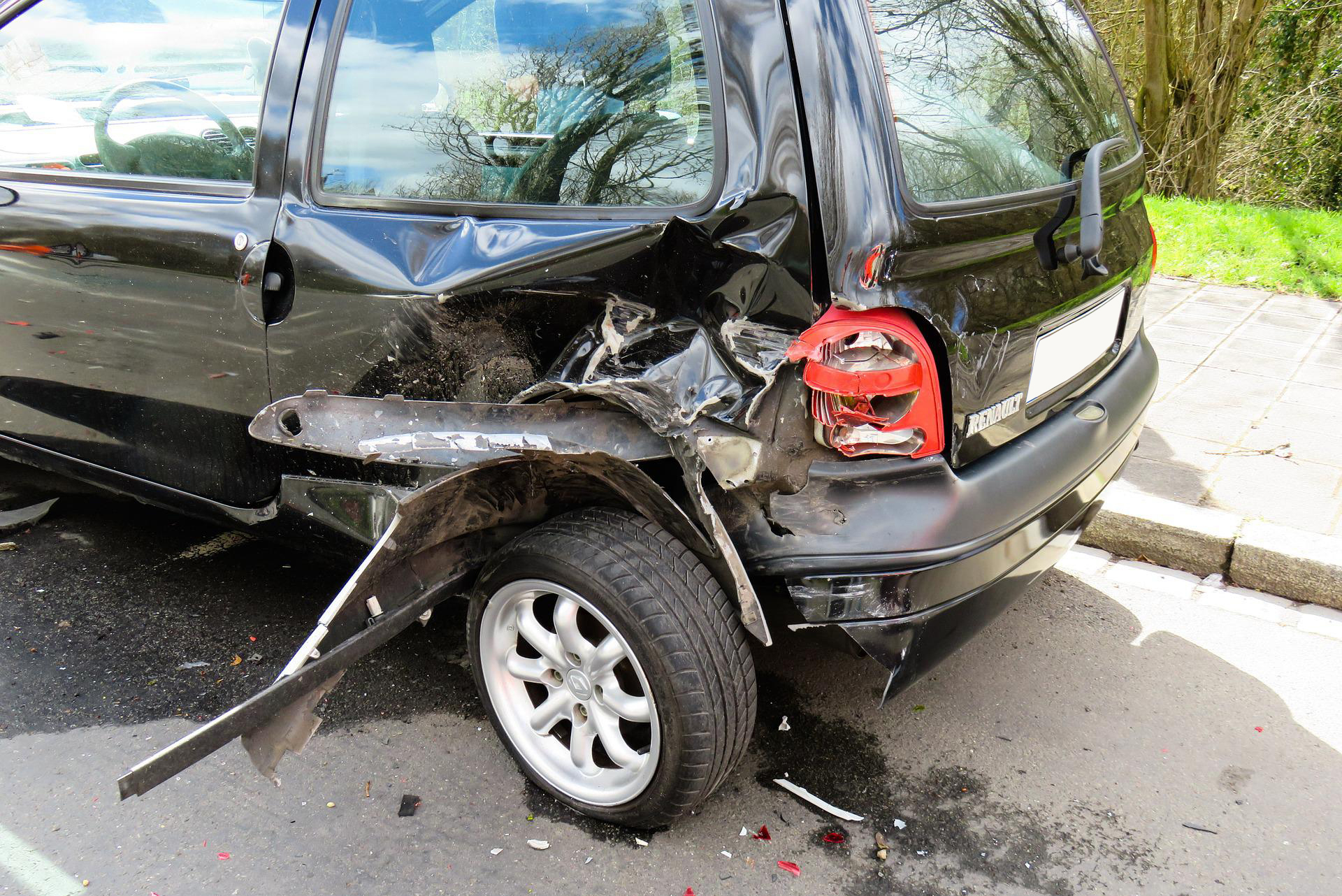
One of the primary drawbacks of online car valuation tools is their inability to account for personalised factors. A vehicle’s value can vary greatly depending on how it has been maintained, its accident history, and the quality of any modifications or repairs. Online tools rely on generalised assumptions and cannot inspect the vehicle directly, which can result in inaccurate valuations.
Regional Market Variations
Australia’s vast geography and diverse market conditions mean that car values can vary significantly between regions. For instance, a specific make and model may be in high demand in urban areas but less so in rural locations. Online valuation tools often fail to account for these regional nuances, leading to estimates that may not align with local market realities.
Limited Consideration of Unique Features
Vehicles with unique features or customisations can pose challenges for online valuation tools. Whether it’s an upgraded sound system, luxury interiors, or advanced safety features, these attributes often hold significant value but may not be adequately reflected in the tool’s algorithmic calculations.
Real-Time Market Conditions
Car values are subject to fluctuations based on current market trends, seasonal demand, and economic factors. Online valuation tools may not update their databases frequently enough to reflect these real-time changes, resulting in outdated or inaccurate valuations.
Benefits of Using Professional Car Valuation Services
Expertise and Personalised Assessments
Engaging a professional car valuation service provides the advantage of an expert valuation tailored to your specific vehicle. Trained assessors examine the car’s condition, maintenance history, and unique features, ensuring a more accurate and reliable valuation.
Regional Market Insights
Professional valuers possess in-depth knowledge of local market conditions across Australia. Their ability to analyse regional demand and supply dynamics ensures that your car’s value is assessed in the context of the relevant market, providing a more realistic estimate.
Support for Legal and Insurance Claims
In cases involving legal disputes or insurance claims, an independent car valuation from a professional service holds greater credibility compared to an estimate generated by an online tool. Professionals provide detailed reports that can serve as reliable evidence in negotiations or court proceedings.
Comprehensive Reports
Unlike online tools, professional car valuation services deliver comprehensive reports that detail the methodology used, market analysis, and specific factors influencing the valuation. These reports offer transparency and confidence, especially for high-stakes decisions.
When to Use Online Car Valuation Tools
While online tools may not provide the level of accuracy required for critical decisions, they can still be useful in certain scenarios:
- Preliminary Research: Online tools are a convenient way to get a general idea of your car’s value before seeking professional assistance.
- Comparing Market Trends: They can help identify general pricing trends for specific makes and models.
- Setting Expectations: Sellers can use these tools to establish a rough price range before listing their vehicle.
How to Get the Most Accurate Car Valuation
Provide Detailed Information
When using any valuation tool, ensure that you provide as much detailed and accurate information as possible. This includes the car’s exact make and model, mileage, condition, and any upgrades or modifications.
Cross-Check Multiple Sources
Relying on a single online valuation tool can lead to skewed results. Use multiple tools and compare their estimates to get a broader perspective on your car’s value.
Consult Professionals
For the most accurate valuation, consult a professional car assessor. Their expertise and personalised approach will ensure a more precise understanding of your vehicle’s worth.
Stay Updated on Market Trends
Monitor the automotive market regularly to stay informed about changes in demand and pricing for your vehicle’s make and model.
Need Help With Car Valuation in Australia?
As experts in independent car valuations, National Assessing & Engineering offers comprehensive and reliable assessments tailored to your needs. Whether you’re selling your car, resolving an insurance claim, or settling a legal dispute, our team provides accurate valuations backed by detailed reports and regional market insights.
Contact us today by clicking here to get your car valued.