
When you are going through a divorce, you may wonder if you can sell your car during this time.
It’s important to know that any vehicle bought during your marriage is usually considered marital property, which means it’s not solely your decision to sell. You will need your soon-to-be former spouse’s consent to go ahead, which requires clear communication and possibly some negotiation.
But what if you both disagree? Read on to discover the legal steps you may need to take and how to handle any disputes that might come up.
Understanding Marital Property
In most divorces, cars bought during the marriage are seen as marital property. This means that both you and your spouse likely have rights to the car, no matter whose name is on the title.
The Family Law Act 1975 in Australia helps ensure that these assets are divided fairly, considering both financial and non-financial contributions. If you have mainly been taking care of the home or family, your contributions are valued just as much as financial ones.
It’s important to understand that if the car is registered under a company, the situation is more complex. You should seek legal advice to make sure that any steps you take follow legal requirements and respect the rights of both parties involved.
Legal Implications of Selling
When selling your car during a divorce, it’s essential to first check that you legally own the vehicle.
Make sure the title is clear and correctly shows who owns the car.
It’s also crucial to agree with your spouse on the sale; selling without their consent can lead to serious legal problems.
Be mindful of the possible legal issues, as disagreements over assets can make the divorce process more complicated and might need the involvement of the courts.
Mutual Agreement Importance
As the car is likely a shared asset, selling it without your spouse’s approval can cause serious legal issues.
It’s vital to record any agreement about the sale, as failing to do so could complicate the division of assets and lead to disputes.
Always engage in honest negotiations and make sure all agreements are clear and documented to avoid misunderstandings.
Potential Legal Consequences Of Selling a Car Without Your Partner’s Consent
If you sell a car during a divorce without the agreement of your partner, you might face serious legal issues, including:
Legal Disputes: Selling a car that belongs to both partners without agreeing can lead to arguments.
This couldn’t only slow down the divorce process but might also lead to a legal case against you for selling the car without permission.
Court Proceedings: If the car is part of a business asset, your partner’s company might take legal action to get the car back.
This introduces more legal complexity and possible financial risks.
Impact on Asset Division: The court might see your action as interfering with the fair division of assets, potentially leading to a final decision that could be unfavourable to you.
It’s crucial to seek legal advice to handle this situation properly.
Financial Considerations
As you go through your divorce, it’s important to consider the financial effects of selling your car.
This action can provide necessary funds for your settlement, which might make negotiations smoother.
However, you must handle this sale carefully to ensure that the money contributed to the divorce settlement is fair and reflects the real market value of the car.
Asset Liquidation Impact
Selling your car during a divorce can quickly provide the cash needed to cover living expenses or legal costs. However, it’s important to understand the financial effects. Here’s what you need to think about:
- Division of Proceeds: Usually, the money from the sale is divided equally between both parties. This split affects each person’s financial situation after the divorce.
- Market Value: Make sure the car is priced correctly. A fair price prevents arguments and ensures both parties get their fair share.
- Outstanding Liabilities: Clear any loans or liens before selling to avoid issues that could complicate your divorce proceedings.
Act quickly; cars lose value over time, and delaying the sale might mean getting less than the car’s value, impacting your financial recovery after the divorce.
Divorce Settlement Contributions
When you sell your car during a divorce, the money you get is key to sorting out your finances.
It’s important to sell your car for its proper market value. Trading in your car might get you less money, which can affect how assets are split fairly.
If you and your spouse can’t agree on the car’s value or on how to sell it, you might face legal issues, so you need clear records and may need to seek legal advice.
Any money from the sale that’s used to pay off personal debts should be clearly shown to both parties to keep things fair.
Get the Car Valuated
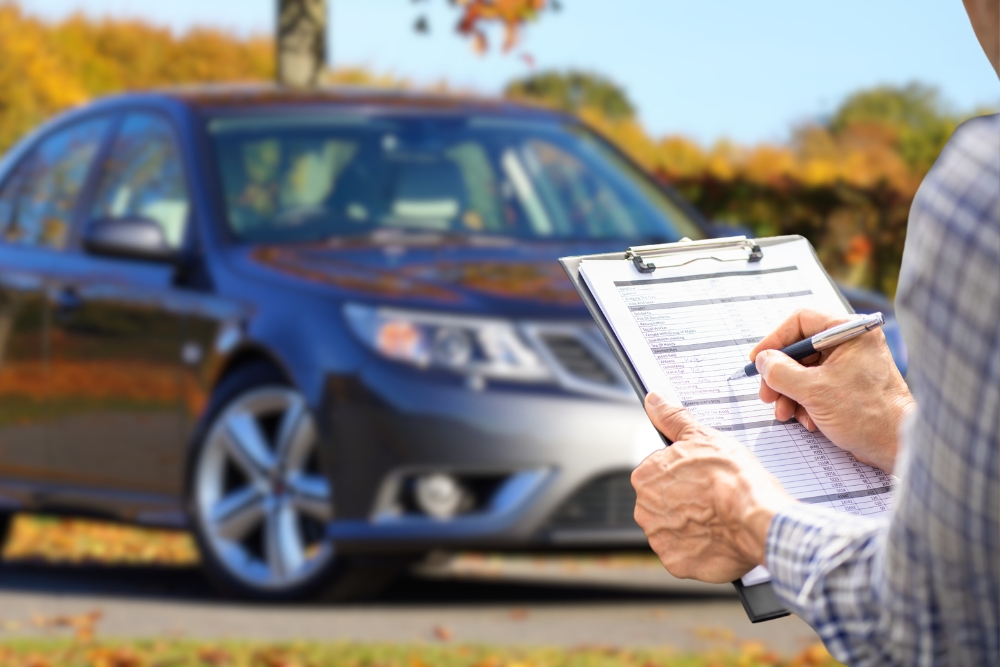
If you are selling a car during a divorce, you want to make sure you get the car valuated.
Getting an independent car valuation for divorce will ensure you have official records of the car’s true market value, which can influence how assets are split.
Even if you are not intending to sell the vehicle but you are getting divorced, a valuation will ensure that everyone gets their fair share.
This is something we can help you with. Give us a call on 1800 844 999.
Practical Steps to Take
Before you start the process of selling your car, it’s vital to verify who legally owns the vehicle. You should:
- Check Ownership: Ensure that the car’s title is in your name and that you’re permitted to sell it. If ownership is shared, obtain written consent from your spouse to prevent any disputes.
- Assess Value: Look into the current market value of the car to set a fair price.
- Agree on Terms: Have an open discussion with your spouse about the need to sell the car and create a written agreement that outlines the terms of the sale to avoid misunderstandings.
Conclusion
In conclusion, if you need to sell your car while going through a divorce, handle the situation carefully. Get your spouse’s agreement, and understand how the sale will affect your finances. Clear negotiation and good communication with your spouse can make this process easier and reduce stress.