
Car valuations play a crucial role in court cases involving vehicle damage, theft, or disputes over car value. When legal proceedings require determining a vehicle’s worth, having an accurate and professional valuation becomes essential evidence. This article explores the process of obtaining car valuations for court cases in Australia and explains why professional assessments are vital for legal proceedings.
How Car Valuations Work in Legal Proceedings
Car valuations for court cases differ significantly from standard valuations used for buying or selling vehicles. In legal contexts, the valuation must adhere to strict standards and provide comprehensive documentation that can withstand scrutiny in court. The process typically begins with an independent car assessor examining the vehicle thoroughly, documenting its condition, features, modifications, and market position.
In Australian courts, judges and magistrates rely on expert opinions when determining vehicle value. These expert opinions must come from qualified professionals who can demonstrate their credentials and explain their valuation methodology clearly. Courts typically require valuations that reflect the pre-incident market value of the vehicle, taking into account factors such as age, condition, service history, modifications, and market trends specific to Australia.
The valuation report prepared for court must be detailed, accurate, and defensible under cross-examination. This typically includes comprehensive documentation of the vehicle’s condition supported by extensive photographs, comparable market data showing similar vehicles’ values, and a clear explanation of how the final valuation figure was calculated. Independent assessors use specialist software and databases containing Australian market data to ensure their valuations accurately reflect local conditions.
Types of Court Cases Requiring Car Valuations
Several legal scenarios commonly require professional car valuations in Australia. Insurance disputes represent one of the most frequent cases, occurring when vehicle owners disagree with their insurer’s payout offer following an accident or theft. In these situations, an independent valuation can provide crucial evidence to challenge an insurer’s assessment, particularly when the dispute involves unique or modified vehicles that standard insurance algorithms may not accurately value.
Family court proceedings during divorce or separation often necessitate car valuations when dividing assets. Australian family courts require fair and accurate valuations of all significant assets, including vehicles, to ensure equitable distribution. Without proper valuation, one party may receive less than their fair share of assets or be required to pay more than necessary for a vehicle’s buyout.
Criminal proceedings involving stolen or damaged vehicles also rely on accurate valuations to determine appropriate compensation or penalties. When determining sentences or restitution orders, Australian courts need precise valuations to establish the financial impact of vehicle theft or vandalism. These valuations help ensure that victims receive appropriate compensation and that penalties reflect the true financial harm caused.
Legal Standards for Car Valuations
Australian courts have specific requirements for evidence, including car valuations. For a valuation to be admissible and given weight in court, it must meet several key criteria. First, it must be prepared by a qualified professional with recognised credentials and experience in vehicle assessment. This professional should be able to demonstrate their expertise and explain their methodology if called to testify.
The valuation must also be objective and independent, free from conflicts of interest or bias. Courts view valuations sceptically if the assessor has a financial interest in the outcome or a relationship with one of the parties. This is why independent assessors are typically preferred over those affiliated with insurance companies or dealerships when preparing valuations for court.
Additionally, the valuation methodology must be transparent, consistent with industry standards, and defensible under scrutiny. Australian courts expect assessors to explain clearly how they arrived at their figures, what comparable vehicles they considered, and what adjustments they made for condition, modifications, or other factors. The more thorough and well-documented the valuation process, the more credibility it will have in court.
Selecting a Qualified Car Assessor for Court
Choosing the right assessor is perhaps the most critical decision when obtaining a car valuation for court. Not all car valuers have the credentials, experience, or expertise to provide valuations that will stand up to legal scrutiny. In Australia, courts generally give more weight to valuations from assessors who hold relevant qualifications such as membership in professional bodies like the Institute of Automotive Mechanical Engineers (IAME) or who are Certified Practicing Valuers.
Experience in providing court-ready valuations is equally important. Assessors who regularly prepare reports for legal proceedings (such as us at NAE) understand the level of detail required and the potential challenges their valuations might face. They’re accustomed to documenting their findings comprehensively and presenting their methodology clearly. When selecting an assessor, it’s advisable to ask about their experience with court cases similar to yours and request sample reports (with confidential information redacted) to gauge the quality of their work.
Independent car assessors generally carry more weight in court than those affiliated with interested parties. Courts are more likely to accept valuations from assessors who have no stake in the outcome and no relationship with either party in the dispute. This independence helps ensure the valuation is objective and free from bias, which is particularly important in contentious cases where vehicle value is a key point of disagreement.
Documentation and Evidence Requirements
Court-admissible car valuations require extensive documentation beyond what’s typically included in standard valuations. A comprehensive valuation report should include detailed descriptions of the vehicle’s condition, covering both mechanical and cosmetic aspects. This should address the engine, transmission, suspension, bodywork, interior, and accessories, noting any damage, wear, or modifications that might affect value.
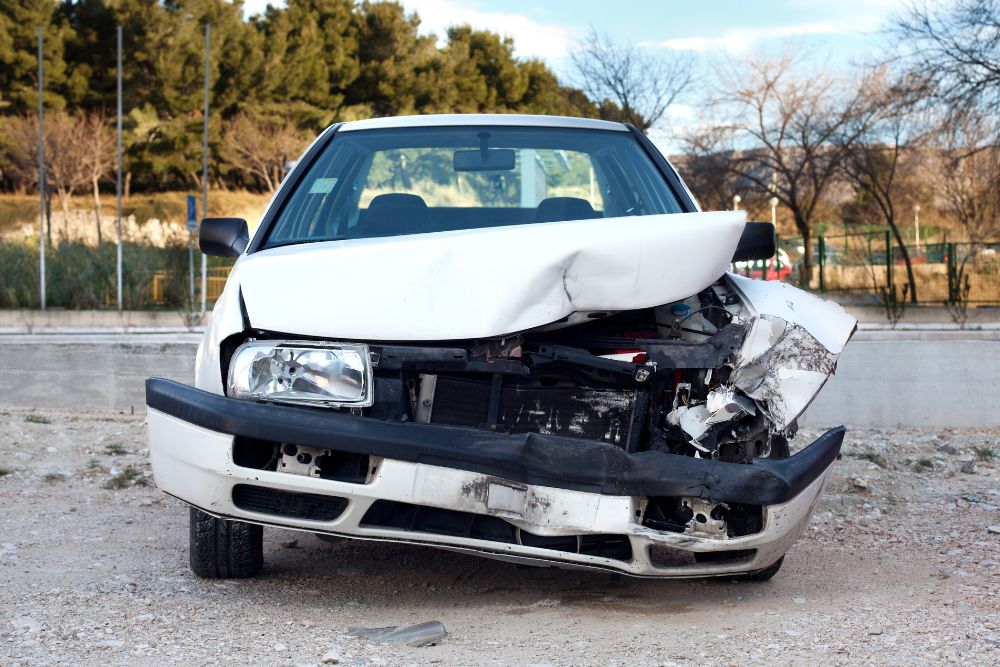
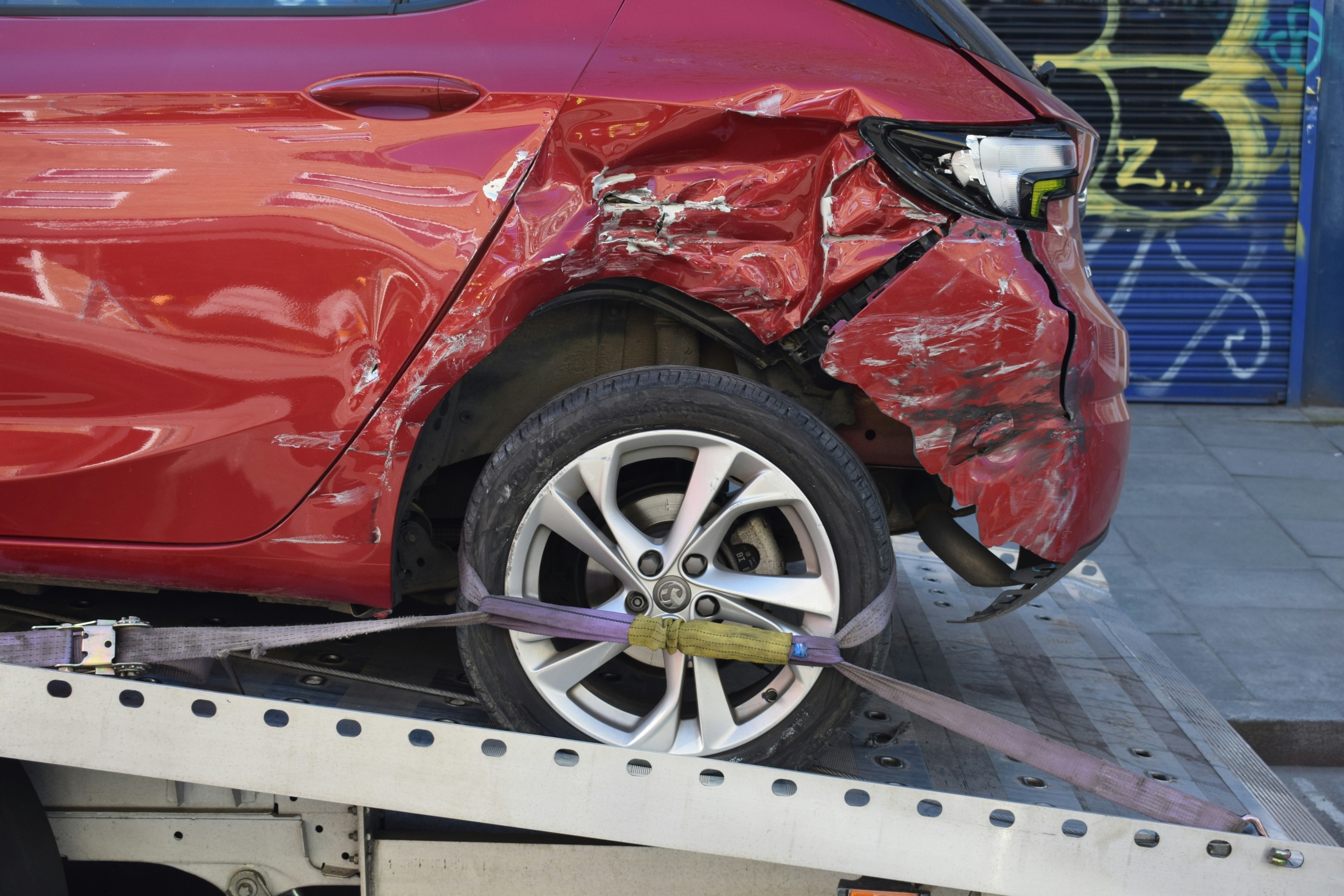
Photographic evidence is essential in court valuations. High-quality images documenting all aspects of the vehicle serve as visual evidence of its condition at the time of assessment. This typically includes exterior photos from multiple angles, interior shots, engine bay images, photos of the odometer reading, and close-ups of any damage, modifications, or notable features. These images can be crucial if the vehicle’s condition changes after the assessment or if it’s no longer available for inspection.
Market comparisons form another vital component of court valuations. Assessors should include data on comparable vehicles in the Australian market, demonstrating how they arrived at their valuation figure. This might include listings of similar vehicles for sale, recent sales data, auction results, or industry guide values adjusted for the specific vehicle’s condition and features. This market evidence helps establish that the valuation is reasonable and reflective of current Australian market conditions.
Timing and Process Considerations
Timing is crucial when obtaining car valuations for court cases in Australia. Ideally, vehicles should be assessed as soon as possible after an incident or when it becomes apparent that legal proceedings will require a valuation. This ensures the vehicle’s condition hasn’t deteriorated or been altered since the relevant time period. In cases where immediate assessment isn’t possible, photographic evidence from the relevant time can help support later valuations.
The Australian legal system often has specific timelines for submitting evidence, including valuations. Different courts and proceedings have varying requirements, but generally, valuations should be obtained well before filing deadlines to allow time for review, potential revisions, or obtaining additional opinions if necessary. Working with a legal professional can help ensure you understand the specific timelines applicable to your case.
The process typically begins with engaging a qualified assessor and arranging for them to inspect the vehicle. Following inspection, they’ll prepare a comprehensive report including their findings, methodology, and final valuation. This report may need to be submitted to the court according to specific procedures, which vary between jurisdictions and case types. In some cases, the assessor may need to be available to testify or provide additional information if their valuation is challenged.
Common Challenges with Car Valuations in Court
One of the most frequent challenges in court cases involves conflicting valuations, where each party presents different expert opinions on a vehicle’s worth. Australian courts must then determine which valuation is more credible based on the assessor’s qualifications, methodology, and the thoroughness of their report. To overcome this challenge, it’s essential to ensure your valuation is prepared by a highly qualified professional with impeccable credentials and a transparent, well-documented methodology.
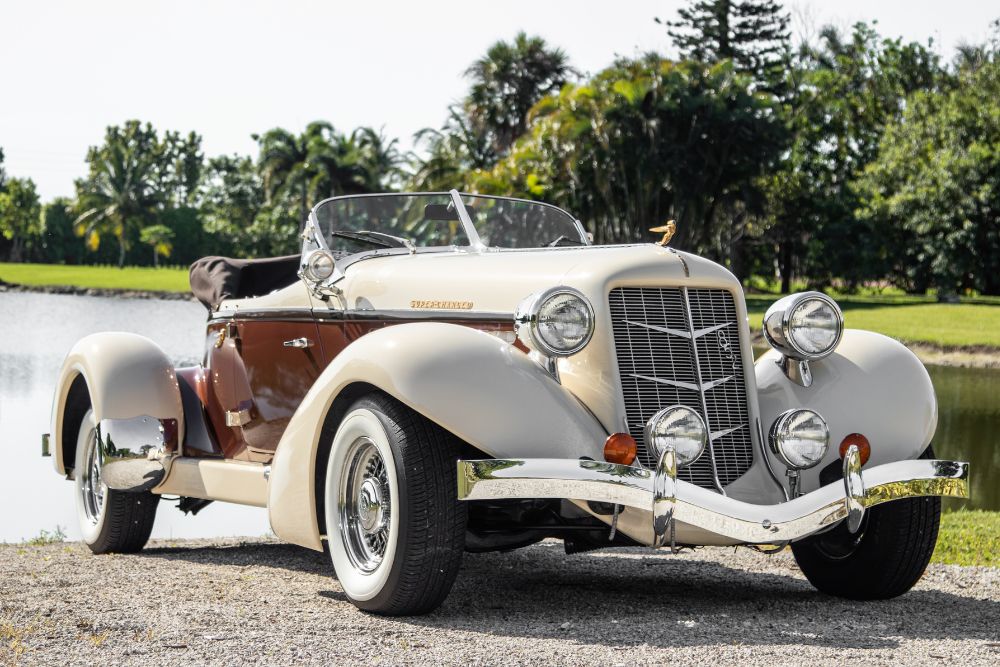
Unique or modified vehicles present particular difficulties in court valuations. Standard valuation guides and databases may not adequately account for rare vehicles, collector cars, or extensively modified vehicles common in Australia’s car culture. When dealing with such vehicles, it’s crucial to work with an assessor who has specific experience in these areas and can provide appropriate market comparisons or specialist opinions to support their valuation.
Historical valuations for vehicles that have already been repaired, sold, or destroyed create another significant challenge. In these cases, assessors must rely on available documentation such as photographs, repair estimates, service records, and sale documents to establish value retrospectively. This requires experienced assessors who can work with limited information and still produce defensible valuations that courts will accept.
Addressing Disputed Valuations
In Australian court proceedings, it’s common for opposing parties to present conflicting valuations. When this occurs, several strategies can help strengthen your position. First, ensure your assessor has superior qualifications and experience compared to the opposing party’s expert. Courts typically give more weight to opinions from assessors with relevant certifications, longer experience, and specific expertise in the type of vehicle in question.
Supporting evidence can significantly strengthen a disputed valuation. This might include additional documentation such as service records demonstrating a vehicle’s excellent maintenance history, receipts for recent repairs or upgrades, or documentation of low mileage or special features that enhance value. The more comprehensive your supporting evidence, the stronger your valuation will appear in comparison to less thoroughly documented alternatives.
In some cases, particularly contentious disputes or high-value matters, obtaining multiple independent valuations may be advisable. If several qualified professionals arrive at similar figures independently, this consistency strengthens your position considerably. While this approach increases costs, it can be worthwhile in significant disputes where vehicle value substantially impacts the case outcome.
Insurance Valuation Disputes
Insurance disputes represent one of the most common scenarios requiring court-admissible car valuations in Australia. When insurers offer settlements that vehicle owners believe undervalue their cars, independent assessments become crucial evidence. Insurance companies typically use standardised algorithms and internal assessors to determine payouts, which may not always account for a vehicle’s specific condition, modifications, or market position.
To successfully challenge an insurer’s valuation in Australian courts, vehicle owners need comprehensive independent valuations that clearly demonstrate how and why the insurance assessment is inadequate. This might involve highlighting factors the insurer failed to consider, such as recent improvements to the vehicle, its exceptionally good condition, or rare features that add value. Courts generally expect to see specific points of disagreement identified and supported with evidence.
The process typically involves obtaining an independent valuation, presenting it to the insurer with a request to reconsider their offer, and if necessary, proceeding to formal dispute resolution or court action. Many Australian insurance policies include provisions for dispute resolution, which may require specific procedures before court action can be initiated. Working with both a qualified assessor and a legal professional experienced in insurance matters can significantly improve outcomes in these cases.
Need Expert Car Valuation for Your Court Case?
Understanding the complexities of car valuations for court cases is essential when facing legal proceedings involving vehicle value. A professional, independent assessment provides crucial evidence that can significantly impact your case outcome, whether you’re dealing with insurance disputes, family court proceedings, or other legal matters requiring accurate vehicle valuation.
As independent car assessors in Australia, we at National Assessing & Engineering produce vehicle valuations that stand up to legal scrutiny and are recognised by all courts in Australia. Our qualified assessors have extensive experience preparing detailed reports for Australian courts and understand exactly what documentation is required for different legal proceedings. Contact our team today by calling 1800 844 999 to discuss your car valuation needs and ensure you have the expert evidence needed for your court case.