
Car valuation for tax purposes in Australia requires careful consideration of several factors to ensure accurate reporting and compliance with Australian Taxation Office (ATO) requirements. Whether you’re claiming vehicle expenses for business use, calculating fringe benefits tax, or determining capital gains tax implications when selling a vehicle, understanding how to properly value your car is essential. This article outlines the key methods, requirements, and considerations for car valuation in Australia’s taxation system, helping vehicle owners navigate this complex process effectively.
How to Value a Car for Tax Purposes in Australia
Valuing a car for tax purposes in Australia follows specific methodologies depending on the tax obligation in question. The Australian Taxation Office has established clear guidelines that taxpayers must adhere to when determining a vehicle’s value for various tax scenarios. Understanding these methods is crucial for accurate tax reporting and avoiding potential penalties for incorrect valuations.
For most tax purposes, the ATO recognises several valuation methods, including market value assessment, depreciated value calculation, and in some cases, industry guides such as the Redbook or Glass’s Guide. The appropriate method depends on the specific tax context, such as business expense deductions, fringe benefits tax (FBT), or capital gains calculations.
It’s important to note that different tax scenarios require different valuation approaches, and documentation of your valuation method is essential in case of an ATO audit. Let’s explore the various tax scenarios and the corresponding valuation methods in detail.
Car Valuation for Fringe Benefits Tax (FBT)
Fringe Benefits Tax applies when employers provide vehicles to employees for private use. The ATO requires specific valuation methods for FBT purposes, with the most common being the statutory formula method and the operating cost method. Under the statutory formula method, the taxable value is calculated as a percentage of the car’s cost price, regardless of how much the car is used for business purposes.
The car’s value for FBT purposes is generally determined at the time it is first provided to an employee. For new cars, this is typically the purchase price including GST and luxury car tax (if applicable), but excluding registration and stamp duty. For second-hand vehicles, the market value at the time the car is first provided as a fringe benefit is used.
It’s worth noting that the FBT value may need to be reassessed if the car continues to be provided as a fringe benefit after four years from its initial provision date. In such cases, the car’s value is recalculated based on its market value at the beginning of the fifth year, which can significantly impact the FBT liability.
Business Vehicle Expense Deductions
For business owners and self-employed individuals claiming vehicle expenses, the value of the car affects depreciation deductions and the application of car cost limits. As of the 2023-24 financial year, the car cost limit for depreciation purposes is $68,108. This means that if you purchase a vehicle for business use above this threshold, your depreciation deductions are capped at this amount.
When calculating depreciation for business vehicles, the effective life as determined by the ATO (typically 8 years for cars) is used in conjunction with the chosen depreciation method (prime cost or diminishing value). The initial value for depreciation purposes is generally the purchase price, including GST if you’re not registered for GST, or excluding GST if you are registered and can claim GST credits.
For vehicles used partially for business and partially for private purposes, you must apportion the depreciation based on the percentage of business use. This necessitates keeping detailed logbooks or other records to substantiate your business usage claims to the ATO.
Capital Gains Tax (CGT) When Selling a Vehicle
Generally, cars are exempt from Capital Gains Tax under the personal use asset exemption. However, this exemption doesn’t apply to vehicles used for business purposes. When selling a business vehicle, you’ll need to determine its market value to calculate any capital gain or loss.
The market value for CGT purposes should reflect what a willing buyer would pay a willing seller in an arm’s length transaction. This can be established through recent sales of comparable vehicles, valuations from industry publications like Redbook, or professional valuations from car assessors.
It’s important to note that any capital gain or loss is calculated by comparing the sale price with the written-down value of the vehicle for tax purposes, not its original purchase price. The written-down value takes into account depreciation claimed over the period of ownership, which means that excessive depreciation claims during ownership can lead to a higher capital gain when the vehicle is sold.
GST Implications for Car Valuation
The Goods and Services Tax has significant implications for car valuation in Australia. When purchasing a vehicle for business purposes, GST-registered businesses can generally claim input tax credits for the GST component of the purchase price. However, this affects the base value used for other tax calculations.
When selling a business vehicle, GST-registered businesses must generally charge GST on the sale price. The GST-exclusive amount is then used for calculating any capital gain or loss. For luxury cars (those exceeding the luxury car threshold, which is $72,565 for the 2023-24 financial year), the luxury car tax (LCT) further complicates valuation, as it increases the acquisition cost but is not claimable as an input tax credit.
For vehicles purchased second-hand from private sellers, no GST is payable, which affects the comparative cost when evaluating against dealer purchases. When claiming tax deductions for such vehicles, the full purchase price is used as the cost base since there was no GST component to claim.
Accepted Car Valuation Methods in Australia
The Australian Taxation Office accepts several methods for determining a vehicle’s value, depending on the specific tax context. Understanding which method is appropriate for your situation is essential for compliance with tax regulations and optimising your tax position.
Regardless of the method chosen, it’s crucial to maintain thorough documentation of how you arrived at the valuation. This includes keeping records of comparable sales, professional valuations, or industry guide screenshots. These records should be retained for at least five years from the date of lodging the relevant tax return, as the ATO may request this information during an audit.
Let’s examine the most commonly accepted valuation methods and when they should be applied.
Market Value Assessment
Market value assessment is the most widely accepted method for car valuation across various tax scenarios. This approach determines what a willing buyer would pay a willing seller in an arm’s length transaction for a comparable vehicle in similar condition. Market value is particularly relevant for Capital Gains Tax calculations, second-hand vehicle purchases, and establishing values for insurance purposes.
To establish market value, you can research comparable vehicles for sale in similar condition and with similar mileage. Online platforms like Carsales, Drive, and CarPoint provide extensive listings that can help establish current market values. It’s advisable to find at least three comparable vehicles to establish a credible market value range.
Professional independent car valuations provide the most authoritative market value assessments. These professionals consider factors such as the vehicle’s condition, service history, modifications, market demand, and regional variations in pricing. While this option involves a fee, it provides the strongest evidence of market value in case of ATO scrutiny.
Industry Guides and Valuation Tools
Industry publications like Redbook, Glass’s Guide, and Autotrader are widely recognised by the ATO as reliable sources for vehicle valuations. These guides provide valuations based on make, model, year, condition, and mileage, offering a standardised approach to valuation that removes much of the subjectivity.
When using industry guides, it’s important to select the correct specifications for your vehicle and adjust for factors such as non-standard features, modifications, and condition. Most guides provide valuations for vehicles in average condition, so adjustments may be needed for vehicles in particularly good or poor condition.
Some industry guides distinguish between retail values (what you might pay at a dealership) and trade-in values (what a dealer might pay to acquire the vehicle). For tax purposes, the appropriate value depends on the context – retail value may be more appropriate for FBT calculations, while trade-in value might be more relevant when calculating a loss on disposal.
Depreciated Value Calculation
For business vehicles, the depreciated value (written-down value) is calculated by applying ATO-prescribed depreciation rates to the vehicle’s cost base over its period of ownership. This method is particularly relevant for calculating deductions and determining the value for potential capital gains or losses upon disposal.
The ATO provides two methods for calculating depreciation: the prime cost method (which depreciates the asset in equal instalments over its effective life) and the diminishing value method (which applies a higher depreciation rate to the reducing balance). The choice between these methods affects how quickly the vehicle depreciates for tax purposes and consequently its written-down value at any point in time.
When using the depreciated value method, it’s essential to account for any additions or improvements made to the vehicle during ownership, as these increase the cost base. Similarly, partial business use requires an apportionment of the depreciated value according to the percentage of business use.
Important Considerations for Car Valuation in Australia
Beyond the basic valuation methods, several important factors can significantly impact how a car is valued for tax purposes in Australia. These considerations can affect your tax liability and should be carefully evaluated when determining a vehicle’s value for any tax-related purpose.
Understanding these nuances can help you optimise your tax position while ensuring compliance with ATO requirements. It’s often advisable to consult with a tax professional who specialises in vehicle-related taxation to ensure you’re applying the correct valuation principles to your specific situation.
Luxury Car Thresholds and Implications
The Australian Taxation Office imposes luxury car thresholds that affect various aspects of vehicle taxation. For the 2023-24 financial year, the luxury car threshold is $68,108 for most vehicles and $89,332 for fuel-efficient vehicles (those consuming less than 7 litres of fuel per 100 kilometres). These thresholds have significant implications for tax deductions and calculations.
When a vehicle’s cost exceeds the luxury car threshold, depreciation deductions are capped at the threshold amount, regardless of the actual purchase price. This means that purchasing a vehicle substantially above the threshold results in a portion of the cost being non-deductible for business purposes. Additionally, Luxury Car Tax (LCT) at a rate of 33% applies to the value above the threshold, further increasing acquisition costs.
For electric and low-emission vehicles, the higher threshold for fuel-efficient vehicles provides a tax advantage, allowing greater depreciation deductions. This aligns with government initiatives to encourage the adoption of environmentally friendly vehicles and should be considered when making purchase decisions with tax implications in mind.
Impact of Vehicle Condition and Modifications
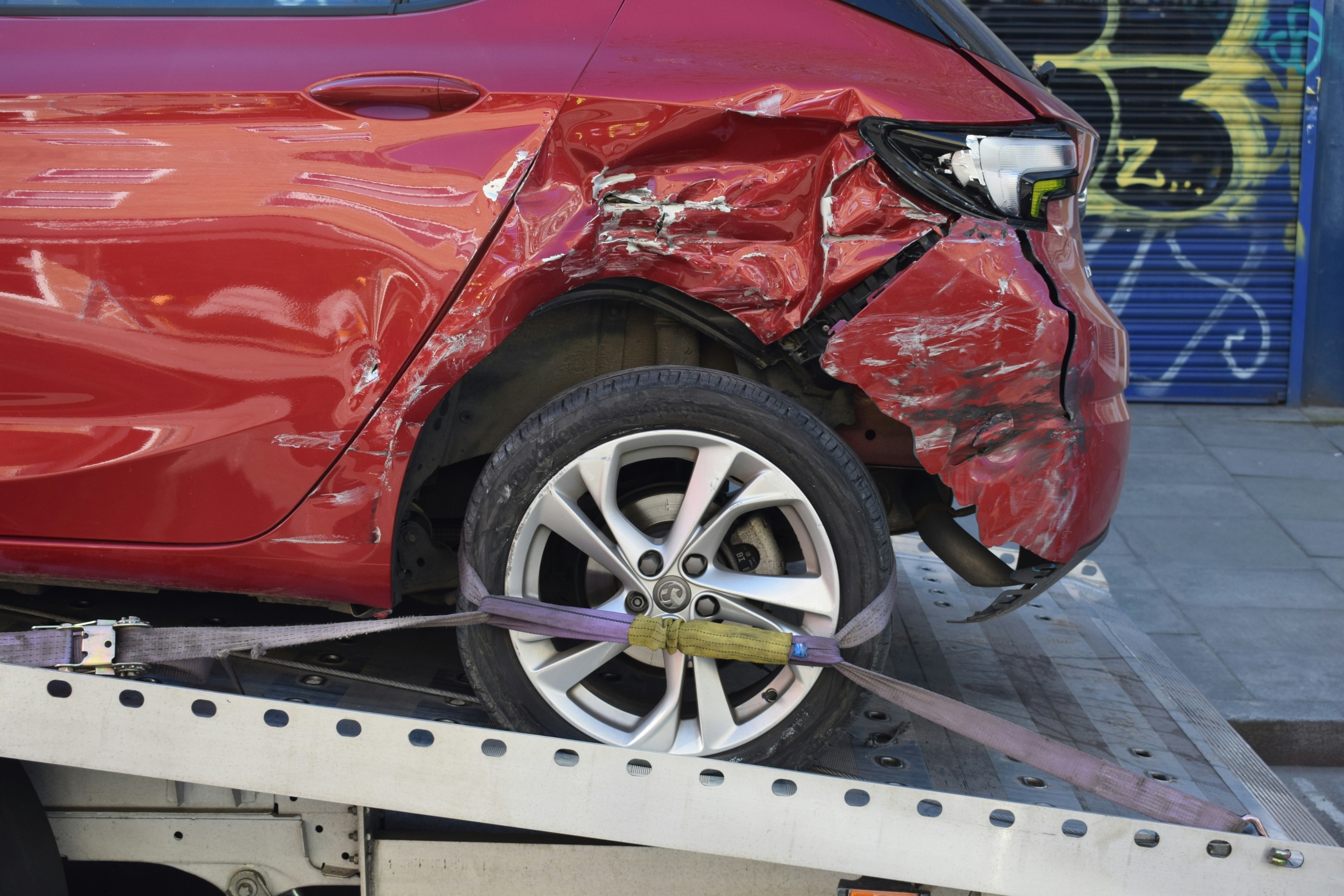
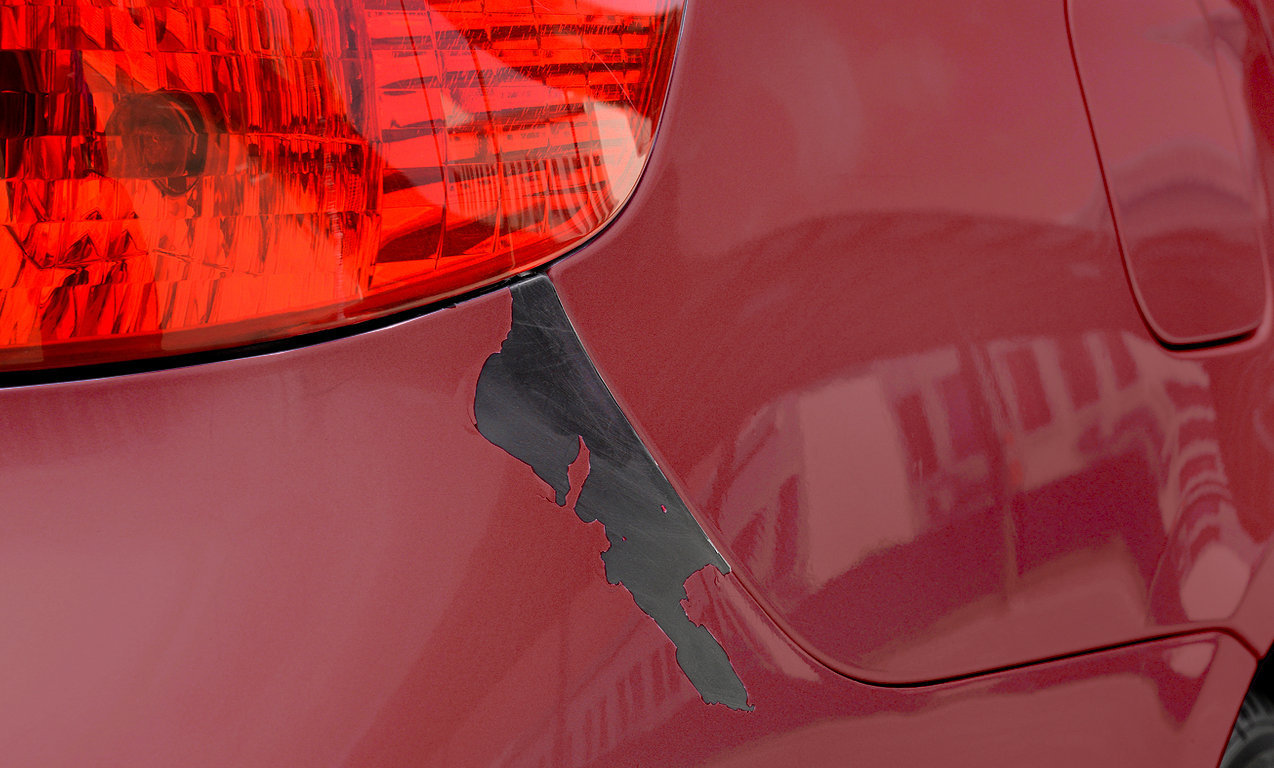
A vehicle’s condition significantly affects its value for tax purposes. Vehicles in excellent condition with comprehensive service history and low mileage command higher valuations, while those with accident history, mechanical issues, or excessive wear may be valued substantially lower than average.
Modifications to vehicles can both positively and negatively impact valuation. Performance enhancements, luxury upgrades, and practical modifications (such as tow bars or roof racks for business vehicles) may increase value if they’re desirable in the market. However, non-standard modifications can sometimes reduce value if they limit the vehicle’s appeal to the broader market or raise concerns about reliability.
When valuing a modified vehicle for tax purposes, it’s important to determine whether modifications were made as part of the original purchase (in which case they form part of the cost base) or added later (potentially qualifying as separate depreciating assets). Documentation of modifications, including costs and installation dates, should be maintained for tax purposes.
Record-Keeping Requirements
Proper record-keeping is essential for supporting car valuations for tax purposes. The ATO requires taxpayers to maintain records for at least five years from the date of lodging the relevant tax return. These records should substantiate both the valuation method used and the resulting value claimed.
For business vehicles, maintaining a logbook for at least 12 consecutive weeks every five years is necessary to establish the percentage of business use. This logbook evidence directly affects the deductible portion of expenses and depreciation. Additionally, purchase documents, financing agreements, and registration papers should be retained to substantiate the initial cost base.
When relying on market value assessments, documentation should include screenshots of comparable vehicle listings, written valuations from dealers or assessors, or printouts from industry guides showing the valuation date and vehicle details. This evidence becomes particularly important if the ATO questions the valuation during an audit or review.
Need Professional Car Valuation for Tax Purposes?
Accurate car valuation for tax purposes is crucial for ensuring compliance with ATO requirements while optimising your tax position. With constantly changing thresholds, depreciation rules, and market conditions, obtaining a professional and independent valuation provides certainty and peace of mind for your tax reporting obligations.
As independent car assessors in Australia, we at National Assessing & Engineering offer professional vehicle valuation services specifically designed for tax purposes. Our experienced assessors provide detailed reports that comply with ATO requirements, taking into account all relevant factors including vehicle condition, modifications, market trends, and specific tax contexts. Contact our team today by calling 1800 844 999 to ensure your vehicle valuation stands up to ATO scrutiny while maximising your legitimate tax advantages.