When it comes to vehicle valuations, modified cars present a unique challenge. Whether you’ve added performance upgrades, aesthetic enhancements, or functional modifications to your vehicle, these changes can significantly impact its market value—sometimes positively, but often negatively. Understanding how modifications affect your car’s valuation and what affects the value of your car is essential, especially if you’re planning to sell, insure, or make an insurance claim after an accident.
How Modifications Impact Car Valuations
The relationship between modifications and car valuation isn’t straightforward. Contrary to what many car enthusiasts believe, modifications don’t automatically increase a vehicle’s value. In fact, many modifications can actually decrease a car’s value in the eyes of insurance companies, assessors, and potential buyers.
Professional modifications that enhance performance, safety, or functionality might add value in specific markets. For example, thoughtfully upgraded four-wheel drives with quality aftermarket suspension, bull bars, and recovery equipment may command premium prices among off-road enthusiasts in the Australian market. Similarly, tasteful modifications to collector vehicles using rare or period-correct parts can increase value in specialist circles.
However, most mainstream modifications typically result in value depreciation. Significant engine modifications, extreme body kits, and non-standard paint jobs can reduce a car’s appeal to the average buyer. Insurance assessors and professional valuers often view heavily modified vehicles as higher risk, with potential reliability issues and unknown quality of installed components.
Modifications That May Increase Value
Certain modifications can positively impact a car’s valuation, particularly when they’re performed professionally and enhance the vehicle’s functionality. Factory-approved accessories and dealer-fitted options typically retain value better than aftermarket alternatives. These might include manufacturer-approved tow packages, roof racks, or navigation systems that integrate seamlessly with the vehicle.
In Australia’s harsh climate, practical modifications like window tinting (within legal limits), quality bull bars, and underbody protection can be value-adding features, especially for vehicles in regional and rural areas. These modifications serve a clear purpose without compromising the vehicle’s integrity or appearance.
Some performance upgrades can also add value when done properly and with documentation. Professional ECU remapping by respected tuners, high-quality suspension upgrades, and reputable brake improvements might appeal to discerning buyers who understand and appreciate these enhancements. However, the market for such modified vehicles is typically smaller than for standard cars.
Modifications That Usually Decrease Value
Many modifications that car enthusiasts love can significantly decrease a vehicle’s market value. Extensive engine modifications, especially those that push components beyond factory specifications, often raise concerns about reliability and longevity. Potential buyers and assessors may worry about increased wear and tear, voided warranties, and future repair costs.
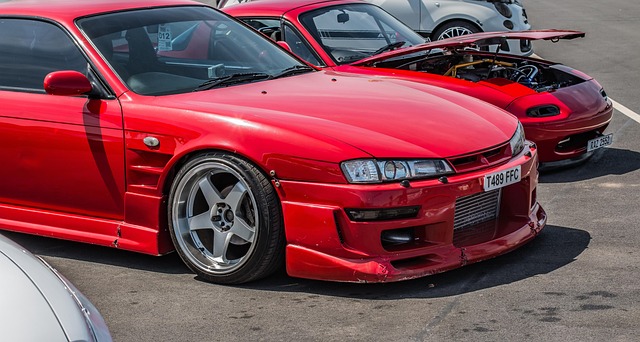
Extreme aesthetic modifications like custom paint jobs, oversized wheels, and aftermarket body kits typically reduce a car’s appeal to mainstream buyers. While these modifications might attract attention within niche communities, they generally limit the pool of potential buyers and consequently reduce market value.
Non-reversible modifications are particularly problematic for valuation. Structural changes like roof chops, body panel modifications, or interior reconfigurations that cannot easily be returned to standard can dramatically decrease a car’s value. Likewise, poor-quality installations or modifications that affect a vehicle’s safety features will almost always result in lower valuations.
Insurance Implications for Modified Vehicles
Modified cars often face additional challenges when it comes to insurance. Many insurance companies in Australia view modifications as additional risk factors, potentially leading to higher premiums or even policy restrictions. Some modifications may require special coverage or might not be covered at all under standard policies.
When insuring a modified vehicle, it’s crucial to declare all modifications to your insurer. Failure to disclose modifications can result in denied claims or policy cancellation. Additionally, insurers often value modified cars differently than standard vehicles, which can affect claim settlements following accidents or theft.
Specialist insurers do exist for modified vehicles, offering agreed-value policies that recognise the investment in quality modifications. These policies typically cost more but provide appropriate coverage for modified cars. They may require additional documentation, including professional valuations, receipts for modifications, and certification of compliance with relevant Australian standards.
Depreciation Considerations for Modified Cars
Modified vehicles typically experience accelerated depreciation compared to their standard counterparts. While all vehicles lose value over time, modifications often exacerbate this depreciation, meaning owners may recover less of their investment when selling or following an insurance claim.
The cost of modifications rarely translates directly to increased value. A $10,000 performance upgrade package might only add $2,000-$3,000 to the vehicle’s market value, representing a significant loss on investment purely from a financial perspective. This depreciation gap is even more pronounced with aesthetic modifications that appeal to personal taste rather than enhancing functionality.
For insurance and valuation purposes, keeping detailed records of all modifications is essential. This includes receipts, certification documents, installation records, and photographs. Such documentation can help substantiate the quality and value of modifications when seeking insurance coverage or when selling the vehicle to a buyer who appreciates these enhancements.
Professional Assessment of Modified Vehicles
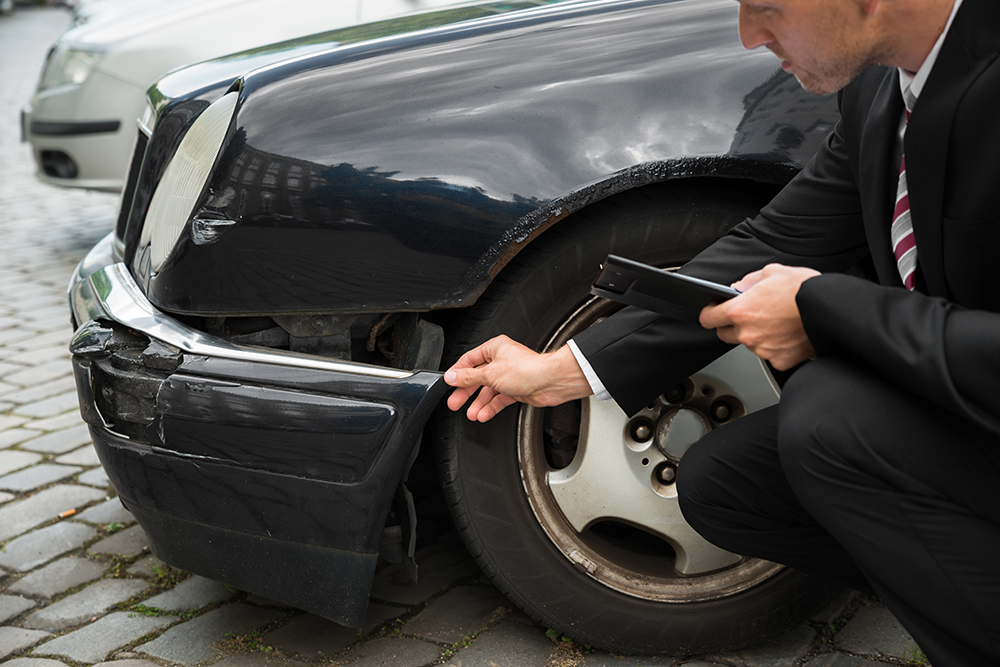
When determining the value of a modified car, professional assessment is invaluable. Independent car assessors have the expertise to evaluate modifications objectively, considering factors such as quality, relevance, compliance with regulations, and market demand. This professional perspective provides a realistic valuation that reflects the true market position of the vehicle.
Professional assessors consider the totality of modifications rather than viewing each change in isolation. They evaluate how well the modifications work together, whether they serve a practical purpose, and how they affect the vehicle’s overall performance and appeal. This holistic approach gives a more accurate picture than simply adding or subtracting values for individual modifications.
For insurance purposes, a professional assessment prior to an accident can establish an agreed value that appropriately reflects the modified vehicle’s worth. This can prevent disputes during claims processes and ensure fair compensation if the vehicle is written off or stolen. Regular reassessments are recommended as both the vehicle and modification markets evolve over time.
Compliance and Legal Considerations
In Australia, vehicle modifications must comply with strict regulations that vary by state and territory. Non-compliant modifications can significantly impact a vehicle’s value and insurability. Modifications that render a vehicle unroadworthy or illegal will dramatically decrease its value and may make it impossible to insure or register.
Engineering certificates and compliance plates are essential for major modifications. These documents verify that changes meet Australian Design Rules and relevant safety standards. Without proper certification, modified vehicles may face issues during registration inspections, roadside checks, or insurance claims.
Professional assessors will consider compliance documentation when valuing a modified vehicle. Properly certified modifications that meet all legal requirements will maintain value better than those without documentation. This is particularly important for significant alterations to suspension, brakes, engine performance, or structural components.
Market-Specific Valuation Factors
The Australian car market has unique characteristics that influence the valuation of modified vehicles. Our vast distances and varied terrain mean that practical modifications for off-road use or long-distance travel often retain value better than purely aesthetic changes. The growing popularity of 4WD vehicles and utes reflects this practical approach to vehicle ownership.
Climate considerations also impact valuation of modifications in Australia. Quality air conditioning upgrades, window tinting, and protective coatings make more sense in our harsh conditions than they might in other markets. Similarly, dust protection modifications for outback driving can be valuable additions rather than detractions.
Cultural factors play a role too. Australia has strong car enthusiast communities with specific interests, from JDM (Japanese Domestic Market) modifications to classic Holden enhancements. Vehicles modified to appeal to these communities may find niche markets where their value is appreciated more highly than in the general market, though this audience is naturally more limited.
Need an Expert Assessment of Your Modified Vehicle?
Understanding the true value of a modified car requires professional expertise and market knowledge. Modifications can significantly impact your vehicle’s worth, sometimes in unexpected ways. As independent car assessors in Australia, National Assessing & Engineering provides objective, expert valuations of modified vehicles for insurance, sale, or personal knowledge purposes.
Our team understands the Australian vehicle market and the complex factors that determine modified car values. We can help you document your vehicle’s modifications properly and establish a fair market value based on current conditions. Contact our team today by calling 1800 844 999 for an independent assessment that accurately reflects your modified vehicle’s true value.