Does Car Insurance Cover Hail Damage?
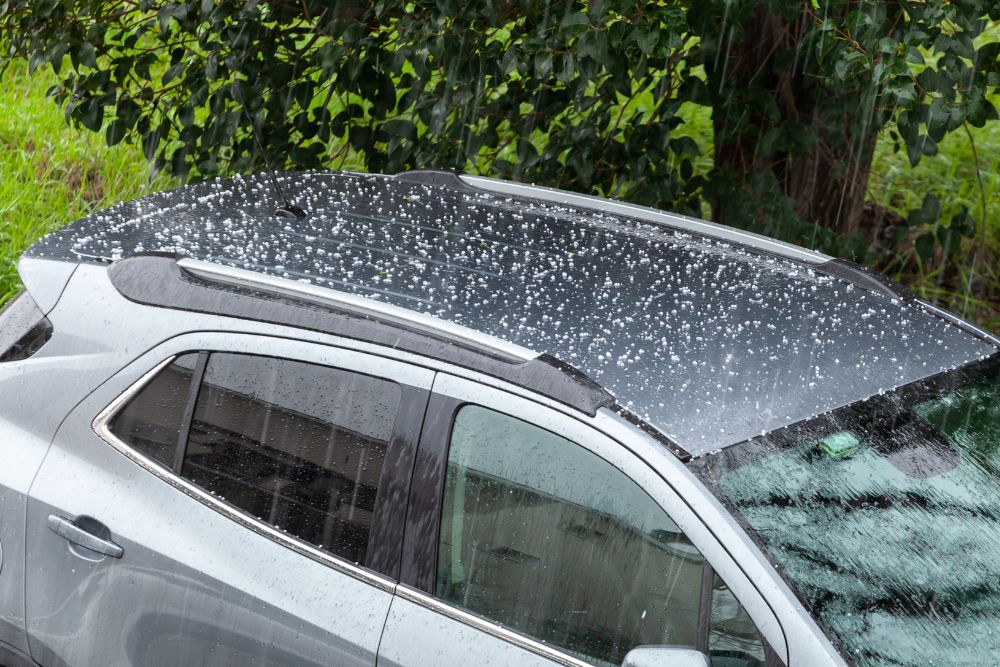
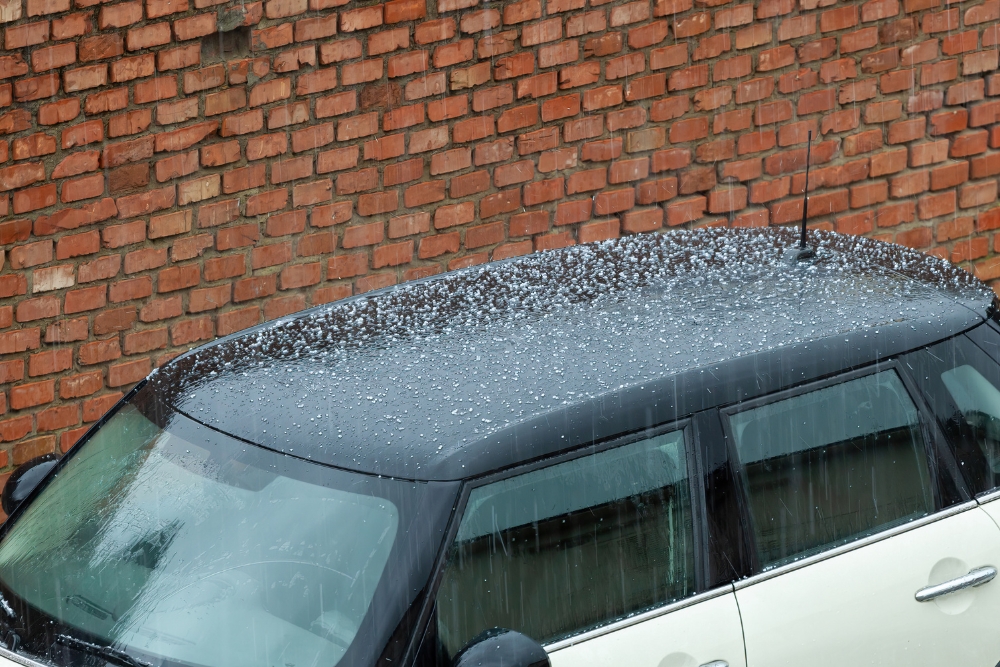
Australia is no stranger to extreme weather, in recent years, severe hailstorms have caused major damage to vehicles across Australia. As a car owner, it’s essential to know what’s covered under your insurance policy when hail hits.
In this article, we’ll explore whether car insurance covers hail damage, the types of insurance policies that typically include it, and how to handle the claims process. We’ll also discuss how professional hail damage assessment services can help you get the best outcome.
Does Car Insurance Cover Hail Damage in Australia?
Whether your car insurance covers hail damage depends on the type of policy you hold. The two most common types of car insurance in Australia are Comprehensive Insurance and Third-Party Insurance, and they provide different levels of coverage for hail damage.
Comprehensive Car Insurance
Comprehensive car insurance is the most common policy that covers hail damage. It protects against a wide range of incidents, including damage from extreme weather like hailstorms. If your car is damaged by hail, your insurer will usually cover the cost of repairs or replacement of the vehicle, depending on the extent of the damage and the terms of your policy.
While most comprehensive policies cover hail damage, it’s always a good idea to check the specific terms of your insurance policy. Some insurers may have rules about how they cover hail damage. For example, they might not cover the damage if the storm wasn’t officially recorded, or if the car was left parked outside without shelter during the storm.
Third-Party Insurance
Third-party insurance, which is the minimum amount of car insurance required by law in Australia, does not cover hail damage. This policy usually only covers damage to other people’s vehicles or property if you’re responsible for the accident.
However, it doesn’t cover damage from weather events like hailstorms. So, if you only have third-party insurance, you’ll be left to pay for any hail damage repairs yourself.
Third-Party Fire and Theft Insurance
Third-party fire and theft insurance is an upgrade from basic third-party coverage, adding protection against fire and theft. But, it doesn’t cover hail damage. To be covered for hail, you’ll need comprehensive insurance.
How to Handle Hail Damage Claims
If your car has hail damage and you have comprehensive insurance, follow these steps to make sure you’re covered and get the compensation you need:
1. Assess the Damage
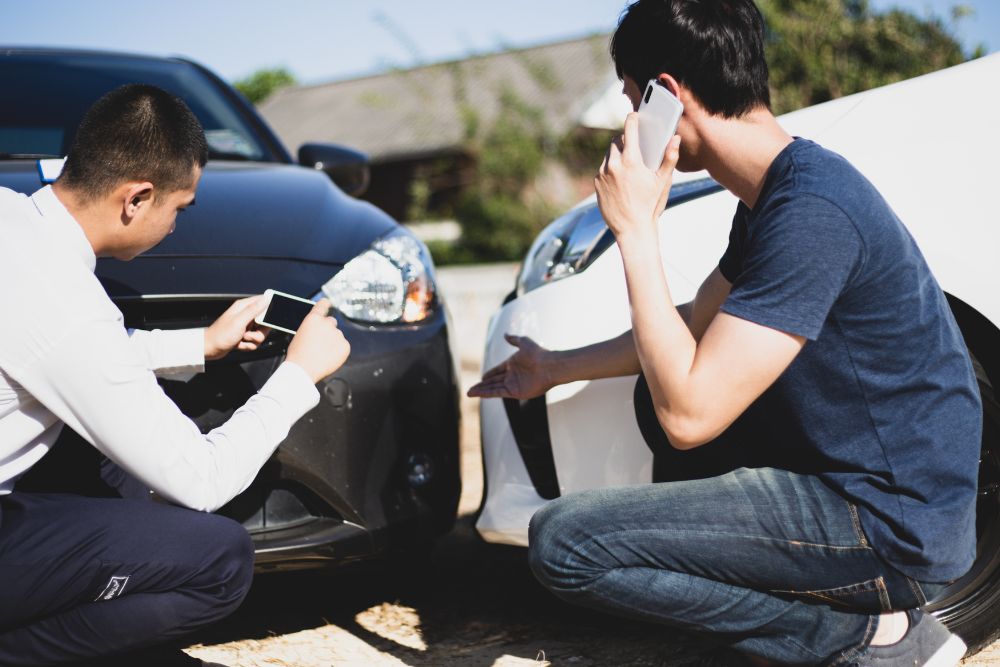
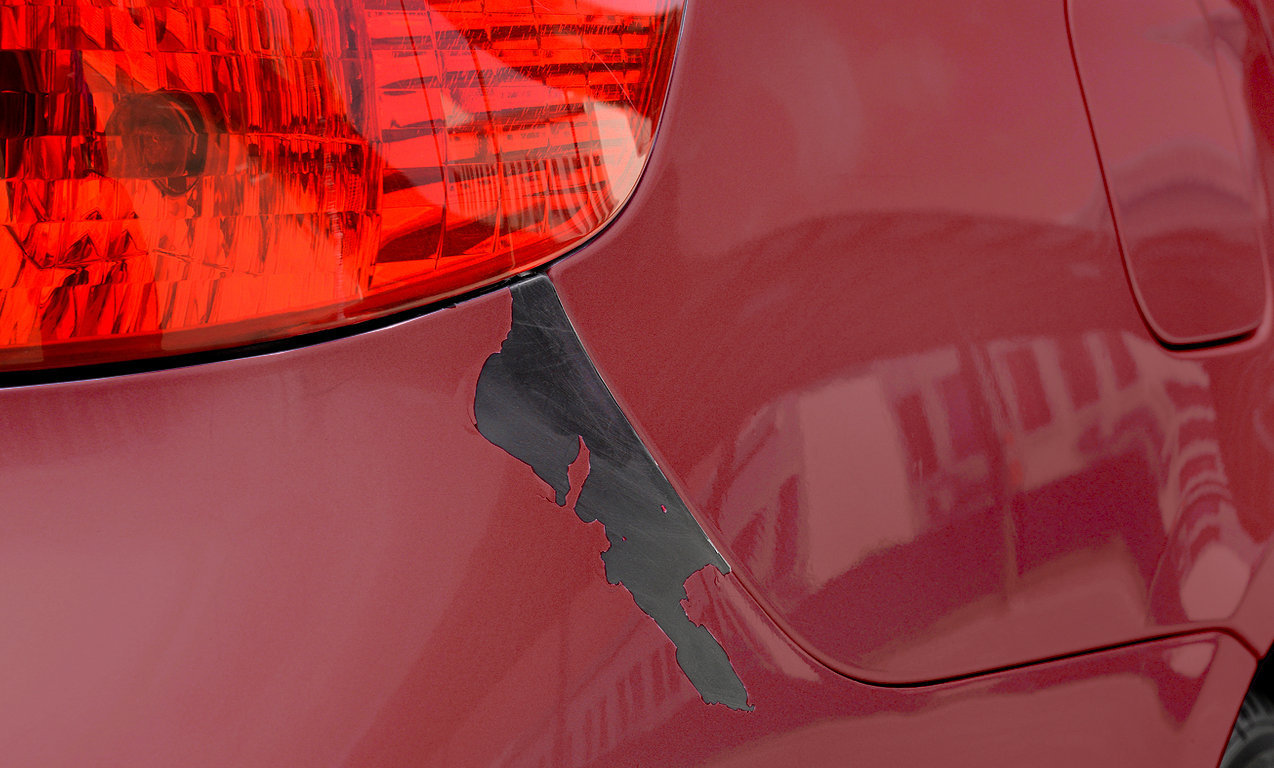
Before you contact your insurer, take clear photos of the damage. Make sure to get both close-up shots and wider angles to show the full extent of the damage. It’s also helpful to note the time and date of the storm, as some insurers may ask for this.
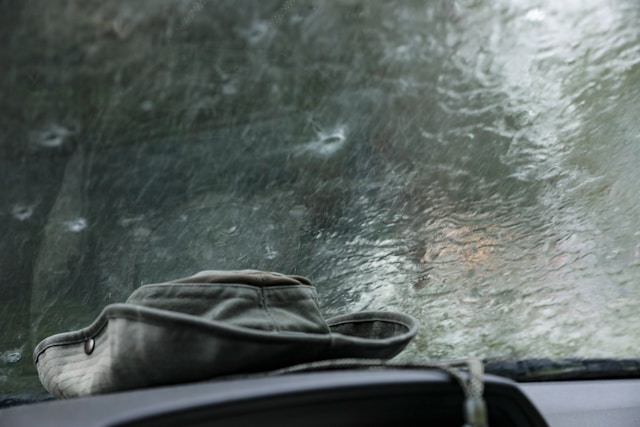
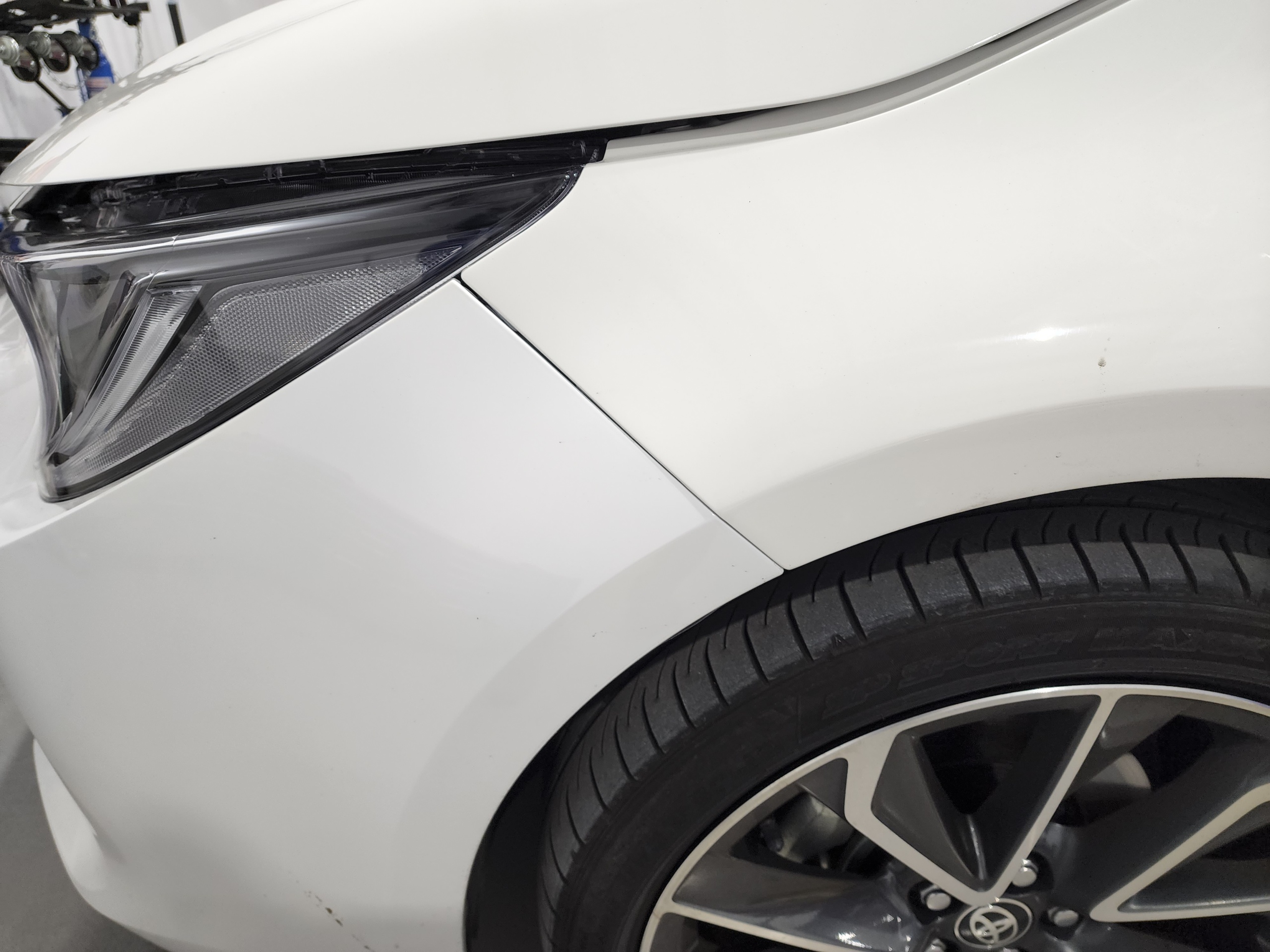
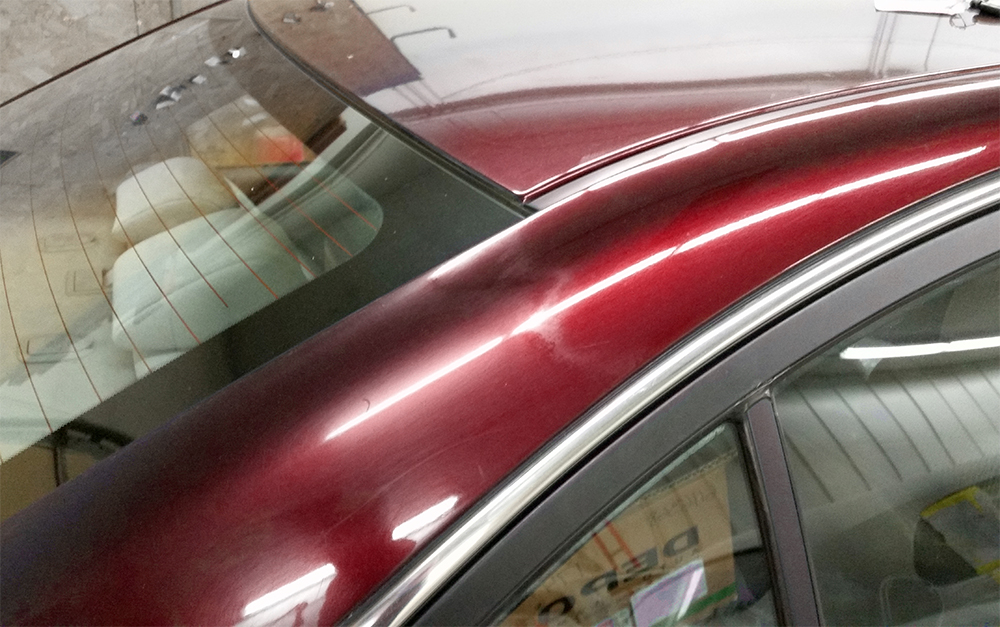
Hail damage can sometimes be tricky to spot at first. Dents on your car’s roof, bonnet, or other areas might be small at first, but they could become more obvious as the car’s surface cools down. Be sure to check your car carefully for any hidden damage.
2. Contact Your Insurer
Contact your insurance provider to report the damage and start your claim. If you have photos of the damage, send them to speed up the process. They may also ask for more details to help with the assessment, so be prepared to provide any additional information they need.
3. Get an Assessment
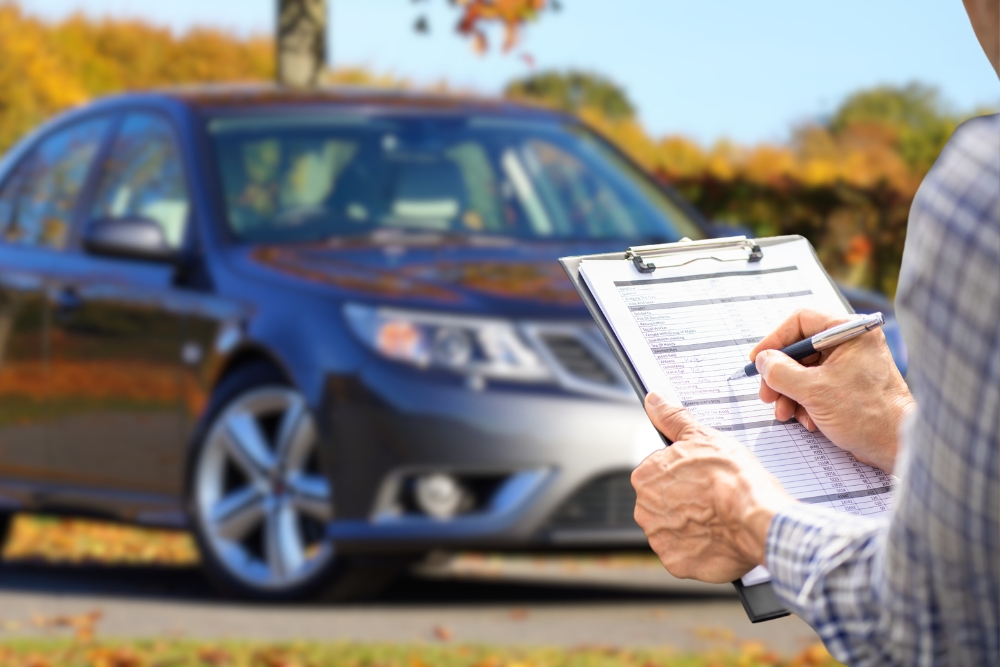
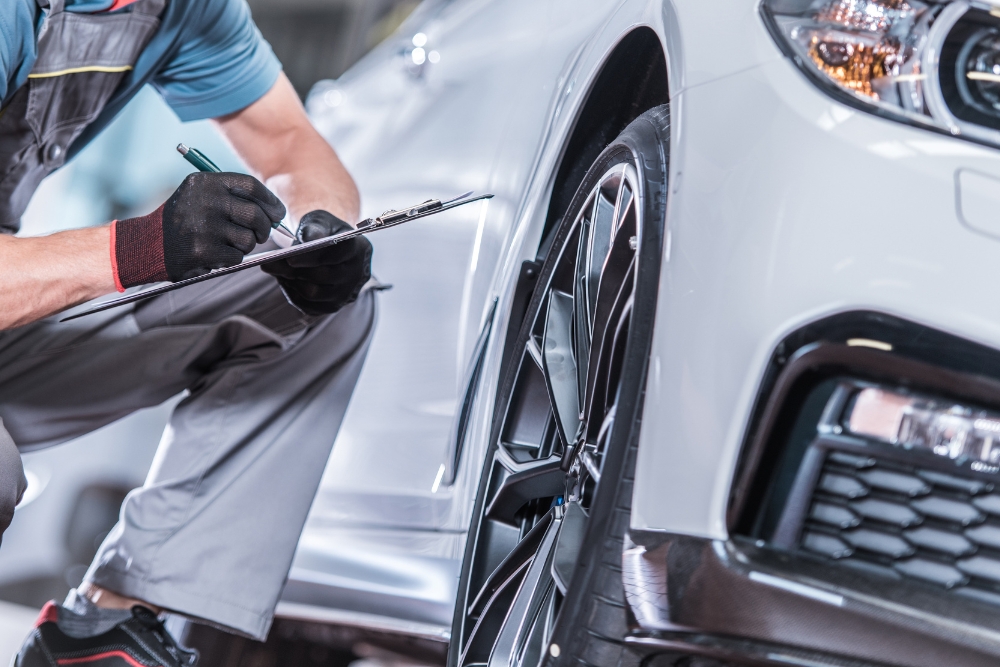
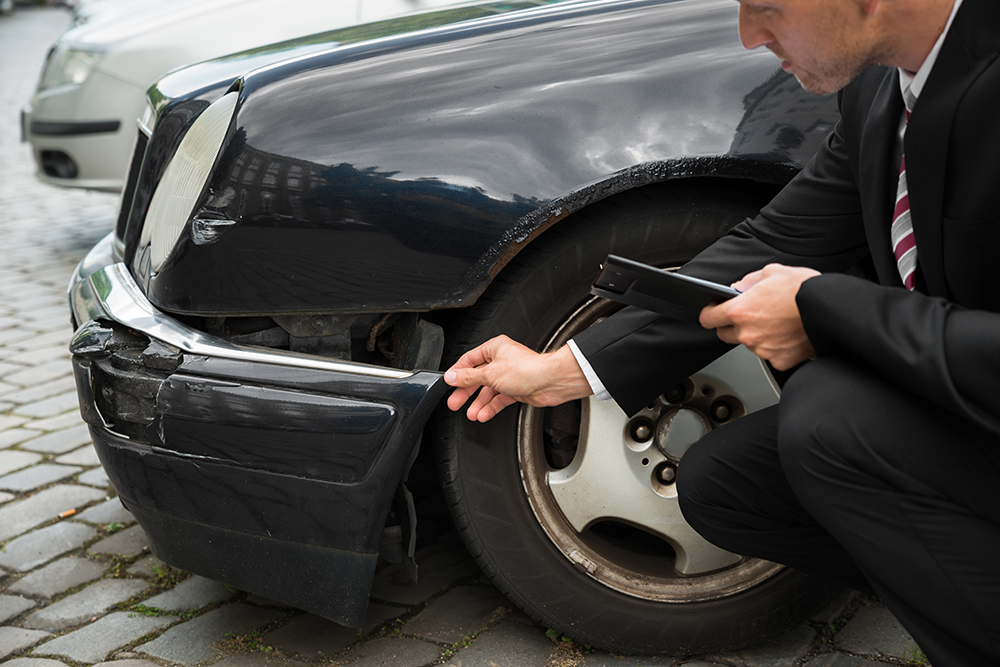
After reporting the damage, your insurer will likely send an assessor to check your car. They’ll decide if it can be repaired or if it’s a total loss. Sometimes, your insurer may let you visit an approved repairer for an assessment instead.
If you’re in a hail-prone area like parts of New South Wales, Queensland, or Victoria, many repairers specialise in hail damage and can give you a more accurate evaluation. You might also want to consider a dedicated hail damage assessor, who can spot hidden or harder-to-see damage that could be missed during a regular inspection.
4. Repair or Payout
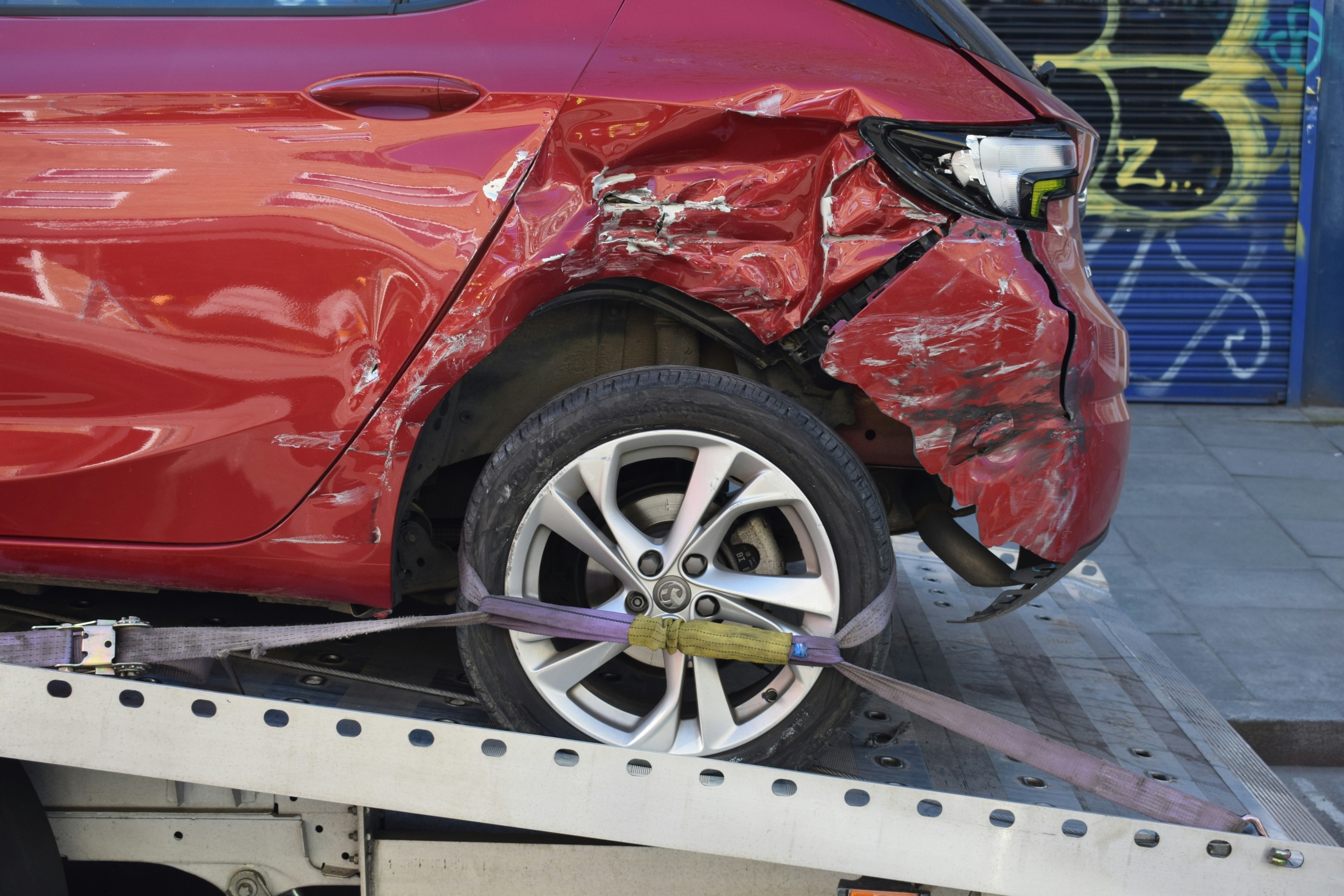
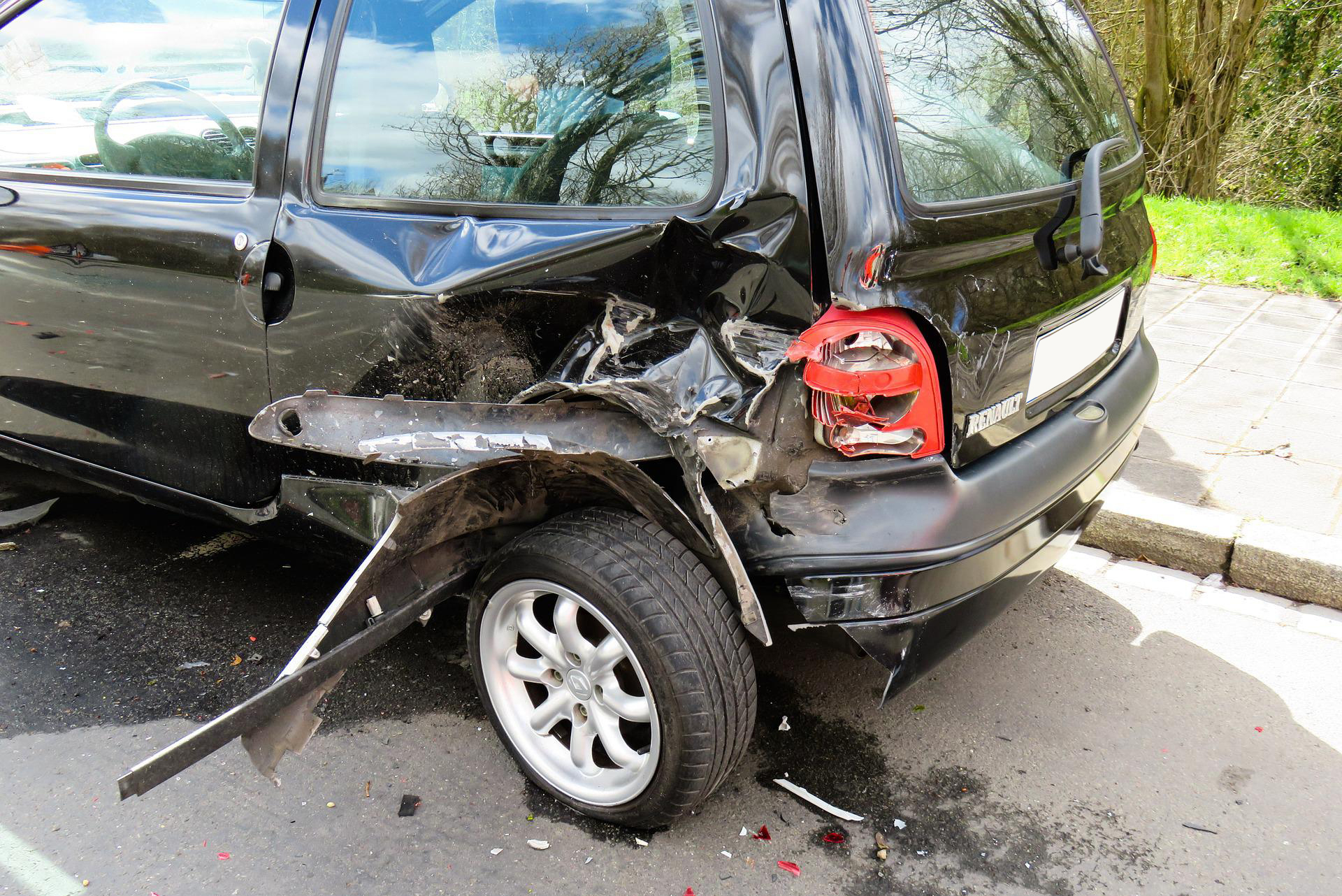
After the damage is assessed, your insurer will either approve repairs or offer a payout if your car is written off. Some repairs may not be fully covered if they cost more than your car’s value or what your policy allows. If your car is written off, the insurer will pay you the market value or a pre-agreed amount, minus any excess or deductions.
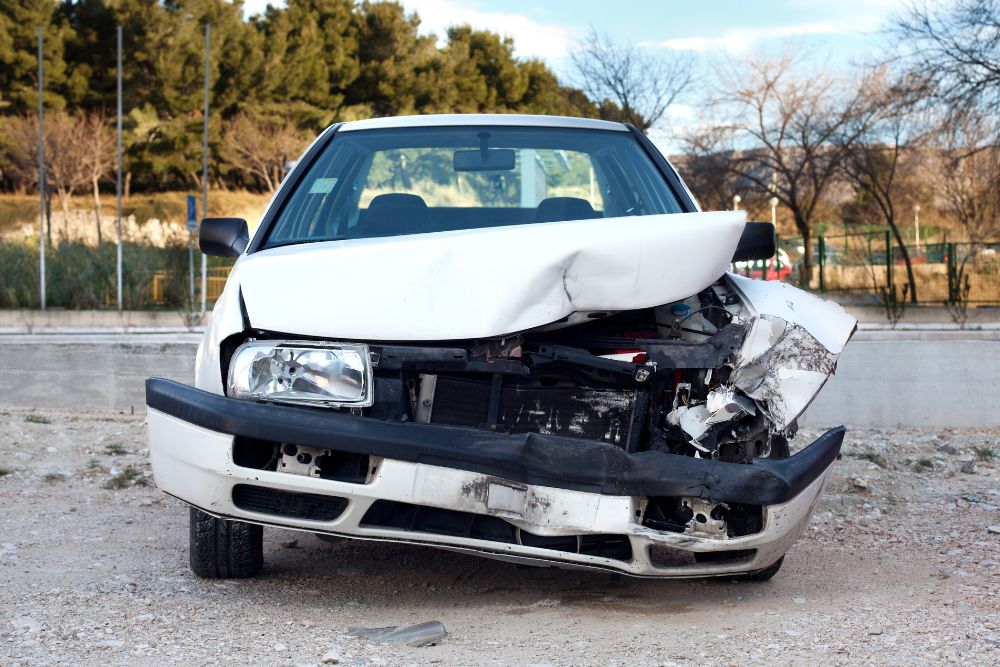
It’s important to know the difference between repairable cars and total loss (write-off) situations. Even if your car is repairable, some parts might not be able to return to their original condition due to the severity of the hail damage. Make sure you’re happy with the repairs and the insurer’s offer before accepting it.
5. Pay the Excess
If repairs are approved, you will be required to pay the excess (the amount you agreed to cover when taking out the insurance policy). Once the excess is paid, the insurer will cover the remaining repair costs. Be sure to check the amount of your excess, as it can vary depending on your policy.
The Importance of a Professional Hail Damage Assessment
Hail damage can be difficult to assess, which is why a professional assessment is important. A trained assessor can identify all the damage and make sure nothing is overlooked, helping you avoid underpayment or disputes with your insurer.
Professionals are experienced in working with insurance companies, so they know how to report the damage correctly. They can also suggest cost-effective repair options and help make sure you receive a fair payout. Having an expert on your side can make a big difference in the claims process.
Need Expert Help With Hail Damage Assessment?
Hail damage can be costly and stressful, but with the right coverage and a professional evaluation, you can navigate the claims process with ease.
At National Assessing & Engineering, our experienced team ensures your vehicle, whether damaged cosmetically or structurally, is thoroughly inspected to help you maximise your insurance payout.
As specialists in hail damage assessment across Australia, we’re here to provide accurate reports and expert support. Contact us today at 1800 844 999.