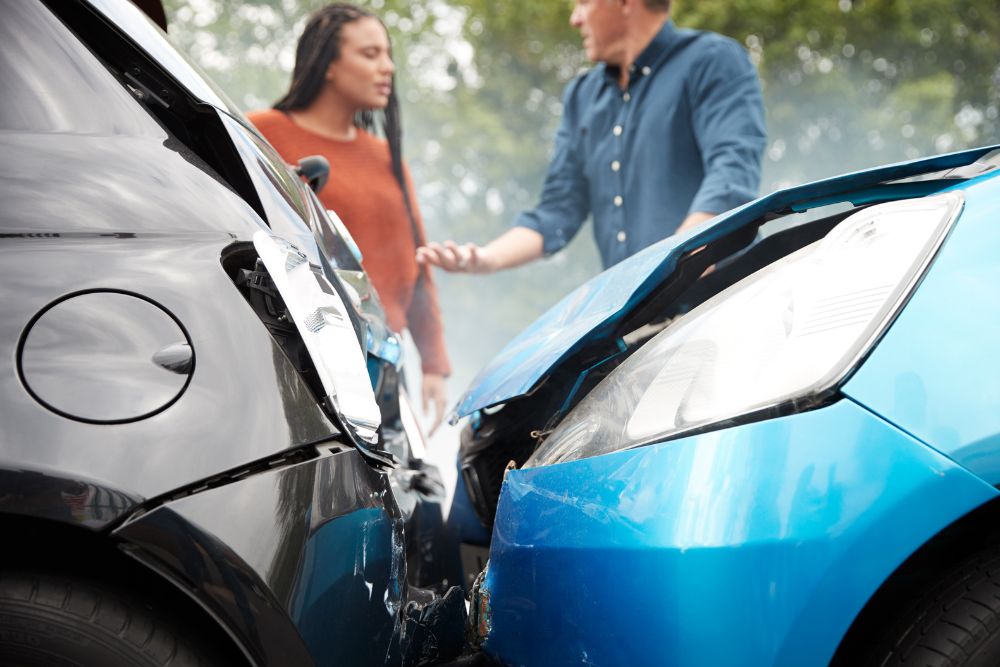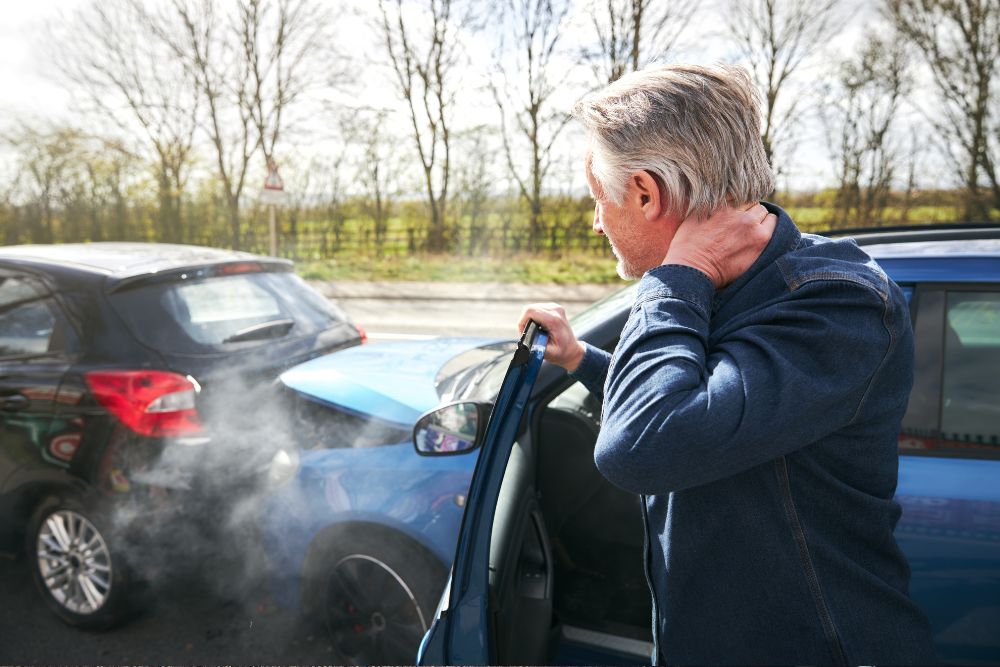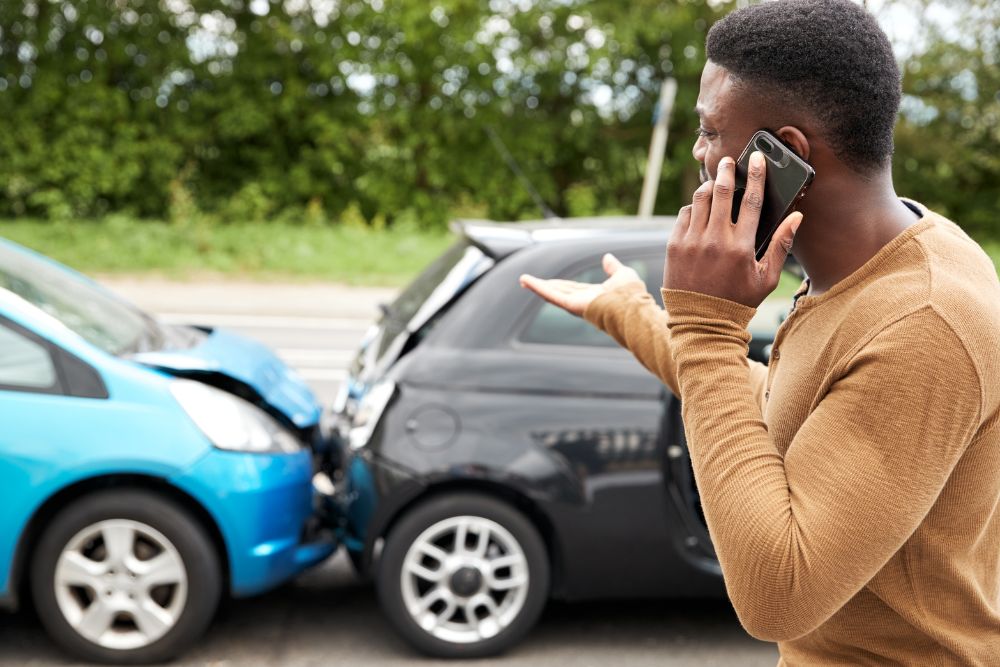
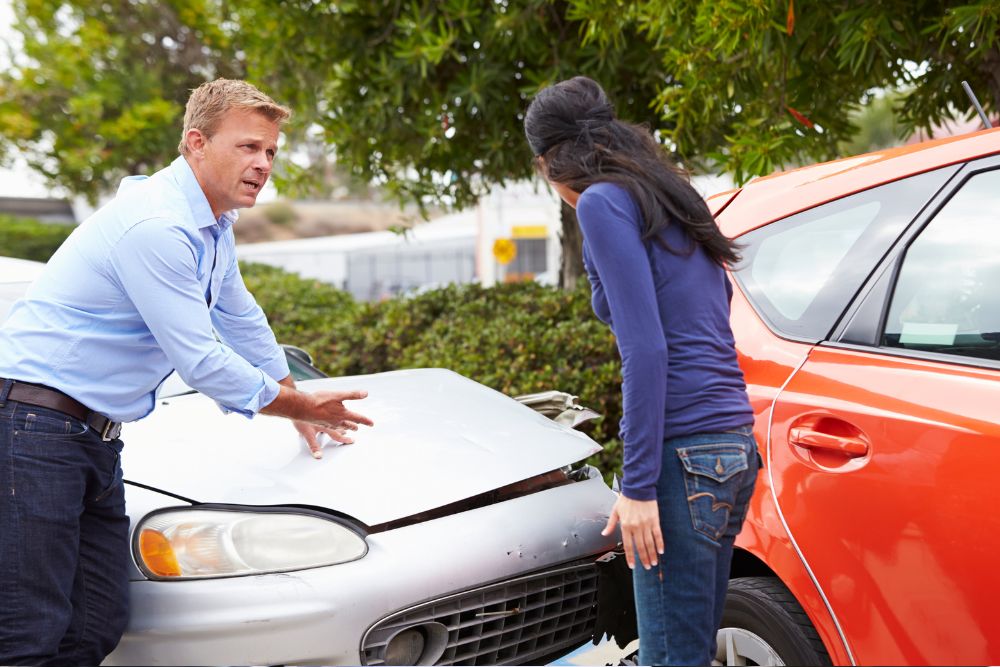
Being involved in a car accident is stressful enough, but when you don’t have insurance, the situation can feel overwhelming. Whether you’re at fault or not, there are specific steps you should take to protect yourself legally and financially. This guide outlines what to do if you’re in a car accident without insurance in Australia, helping you navigate this challenging situation with confidence.
What to Do Immediately After a Car Accident Without Insurance
The moments following a car accident are crucial regardless of your insurance status. Take these essential steps to ensure your safety and protect your interests:
Ensure Safety First
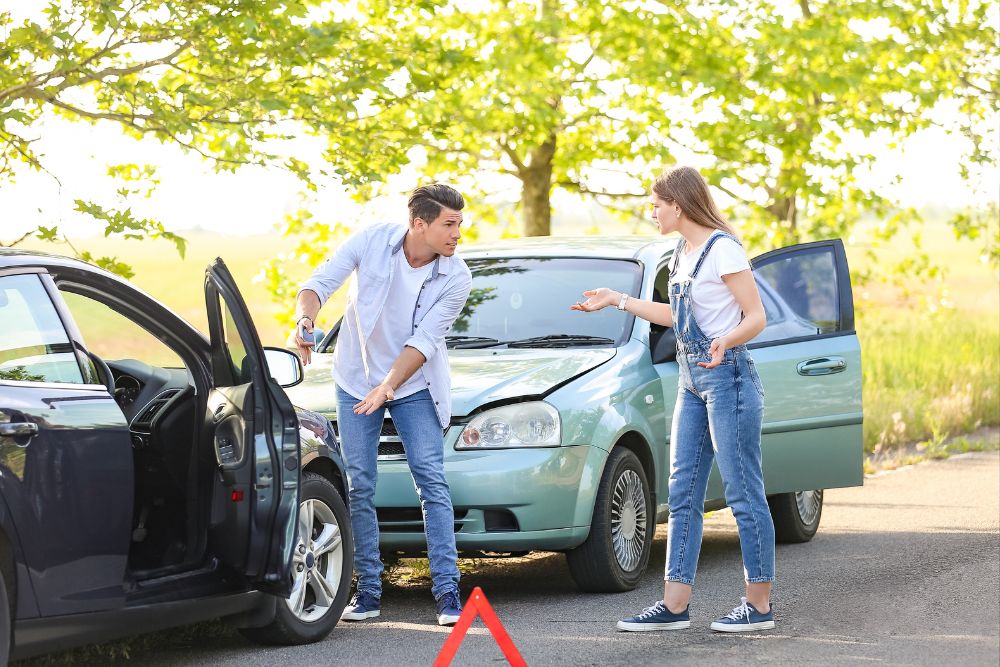
Check that everyone involved in the accident is safe. If anyone is injured, call 000 immediately for emergency services. Move vehicles to a safe location if possible, and set up warning triangles or hazard lights to alert other drivers.
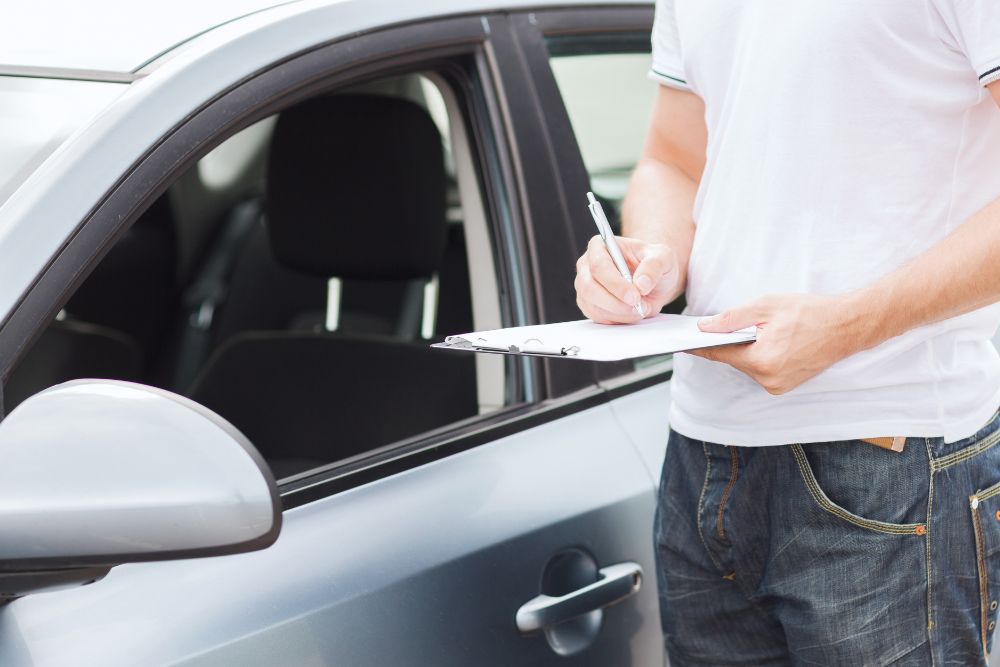
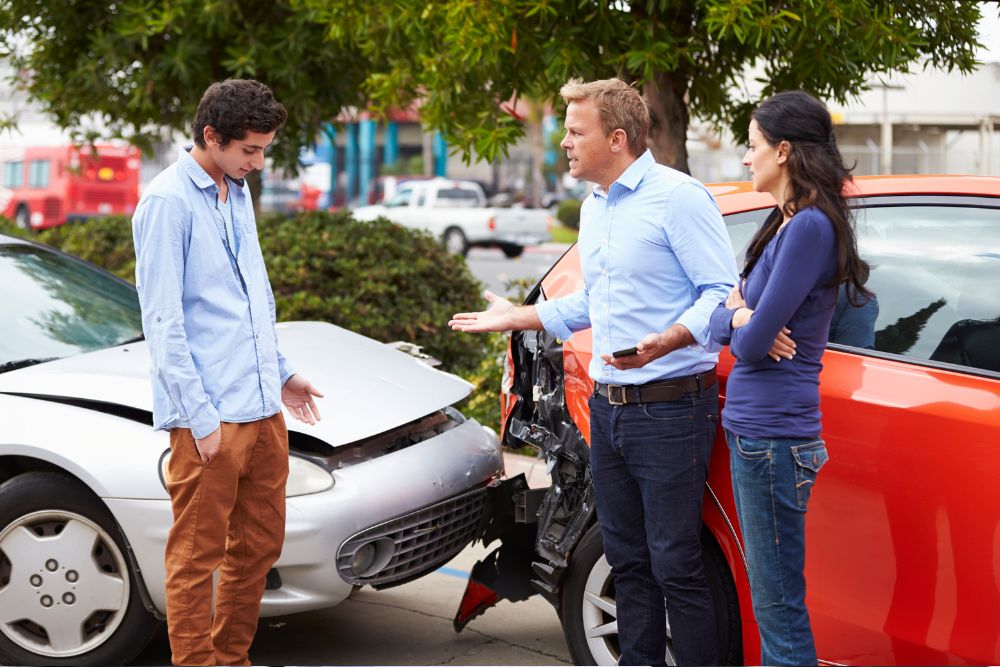
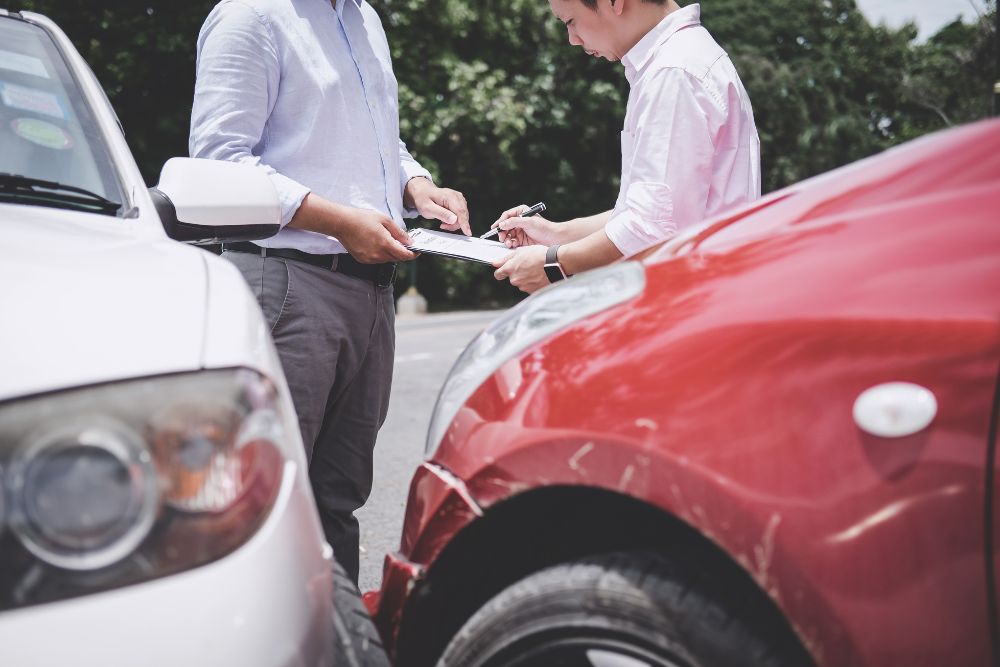
Exchange Information
Exchange contact and vehicle details with all parties involved, including:
- Full names and contact numbers
- Vehicle registration numbers
- Driver’s licence details
- Addresses and email addresses
Even without insurance, this information exchange is legally required and essential for any future claims.
Document the Scene
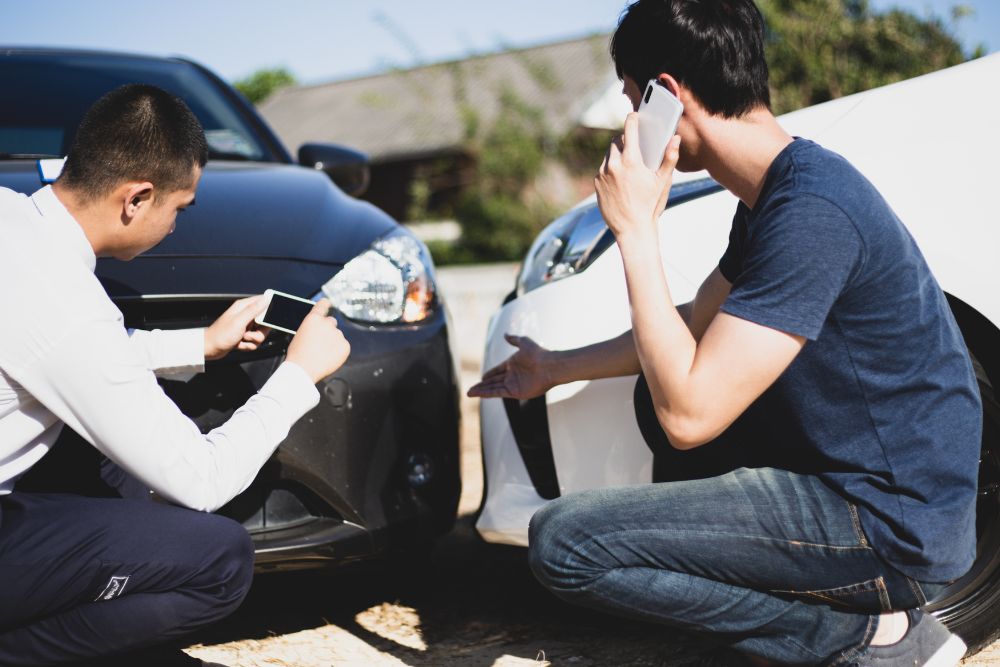
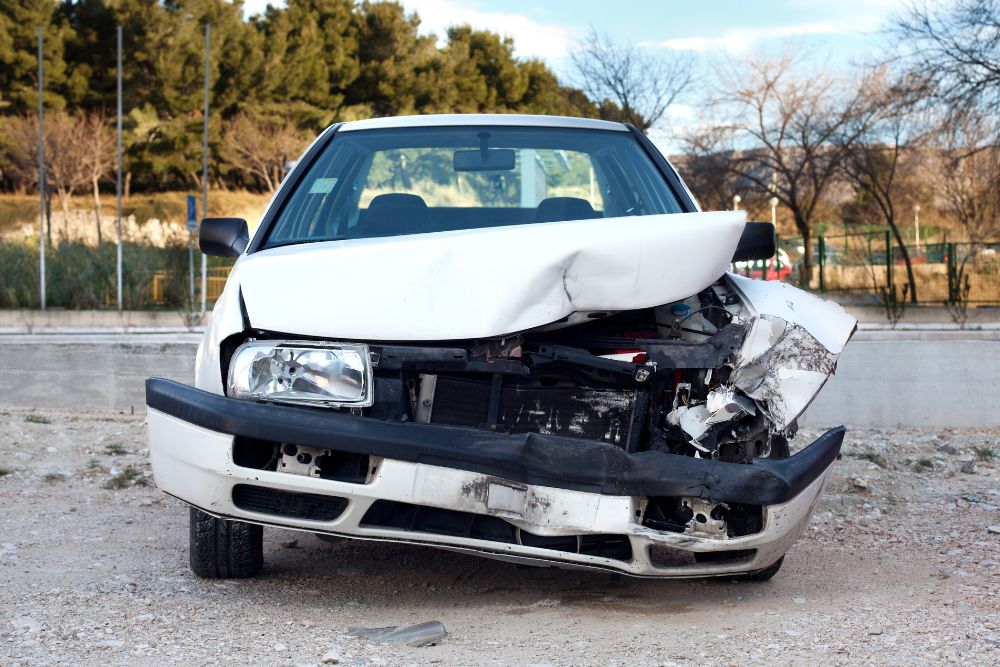
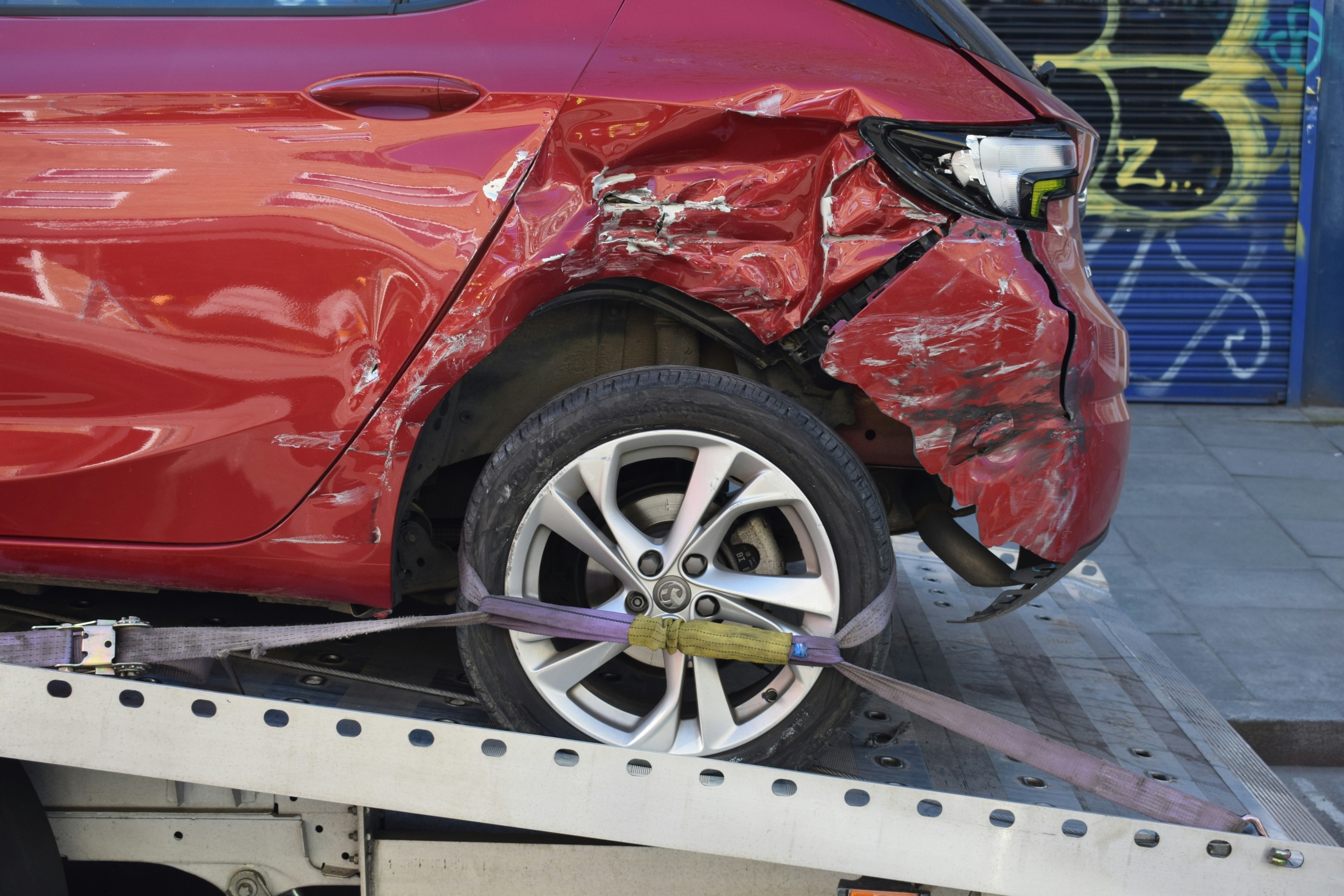
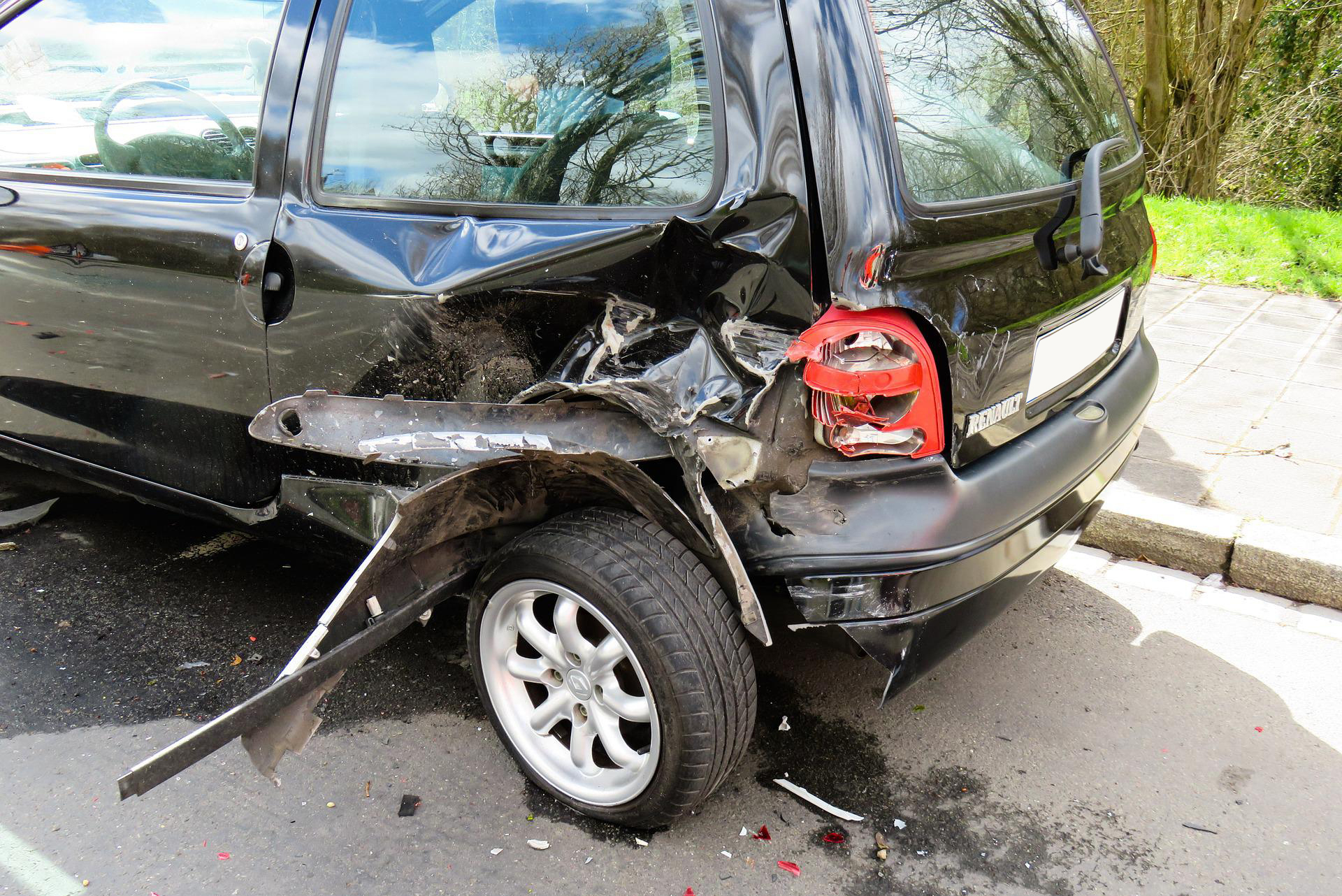
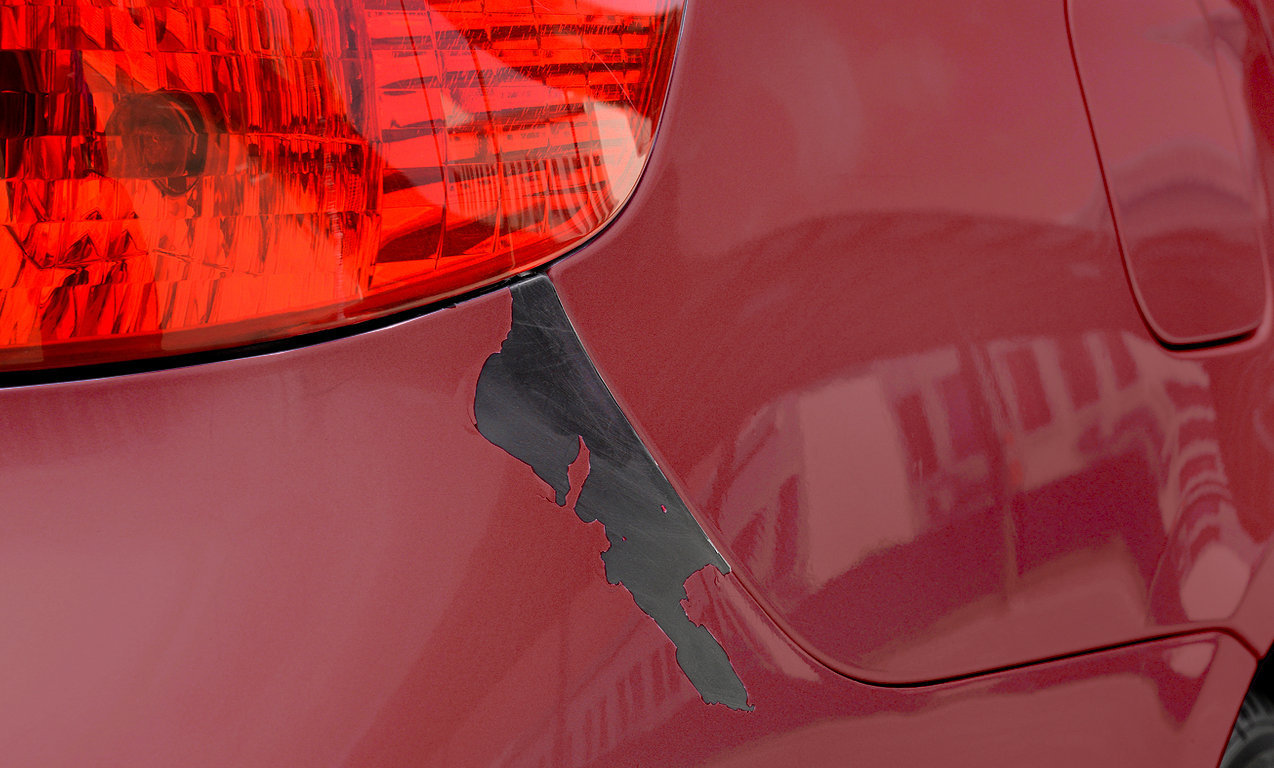
Take comprehensive photos of all vehicles involved, capturing damage from multiple angles. Photograph the overall accident scene, including road conditions, traffic signs, and skid marks. These photos can serve as crucial evidence later, especially when determining fault.
Gather Witness Information
If there are witnesses to the accident, collect their contact information. Witness statements can be invaluable, particularly if there’s a dispute about who was at fault for the accident.
Report to Police When Required
In Australia, you must report accidents to the police if:
- Anyone is injured or killed
- Property damage exceeds a certain threshold (varies by state)
- A driver appears to be under the influence
- A driver fails to stop or exchange information
Even for minor accidents, a police report can provide an official record of the incident, which is particularly important when you don’t have insurance coverage.
What to Do if You’re Not at Fault but Have No Insurance
If another driver caused the accident and you don’t have insurance, you still have options to recover costs.
Claim Against the At-Fault Driver’s Insurance
When you’re not at fault, you can make a claim directly against the at-fault driver’s insurance company. This process typically involves:
Getting an Independent Vehicle Assessment
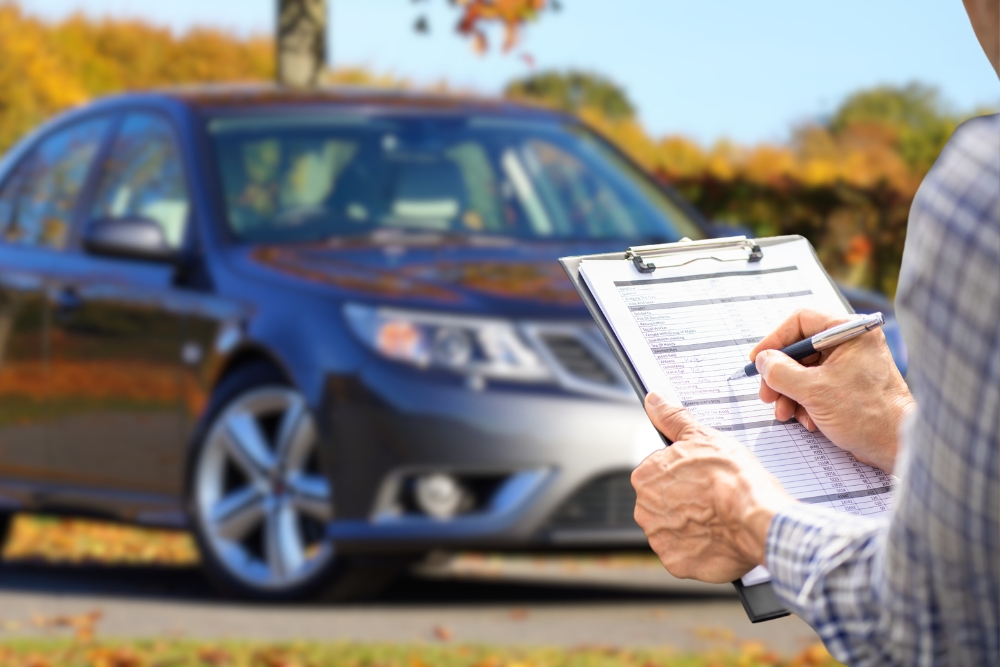
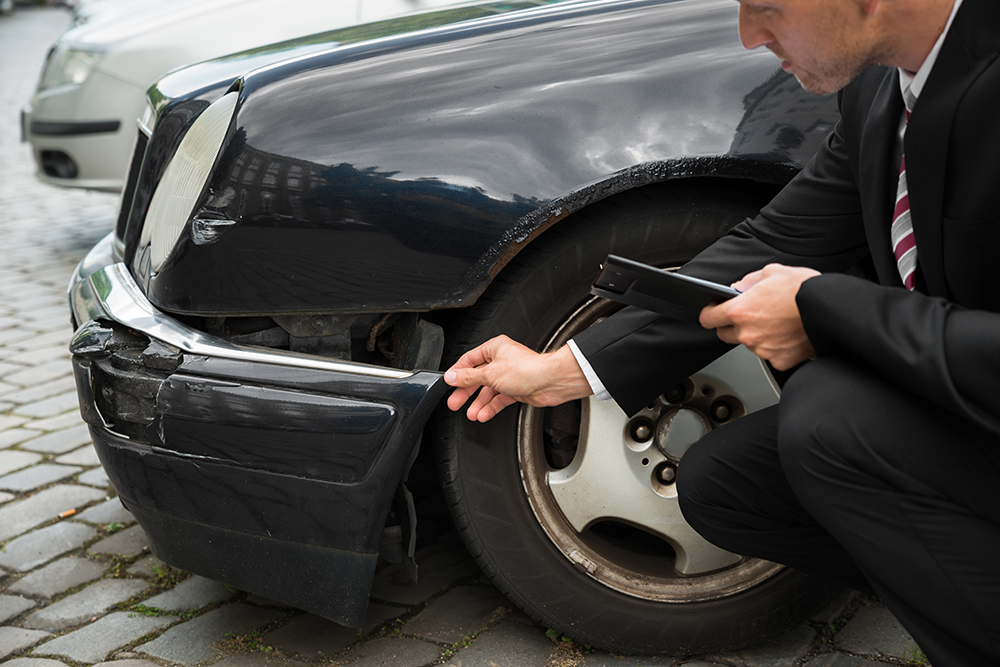
Before accepting any settlement from the at-fault party’s insurer, arrange for an independent vehicle assessment. Many insurers try to minimise payouts by underestimating repair costs. An independent assessor will provide an accurate evaluation of the damage and necessary repairs, ensuring you receive fair compensation.
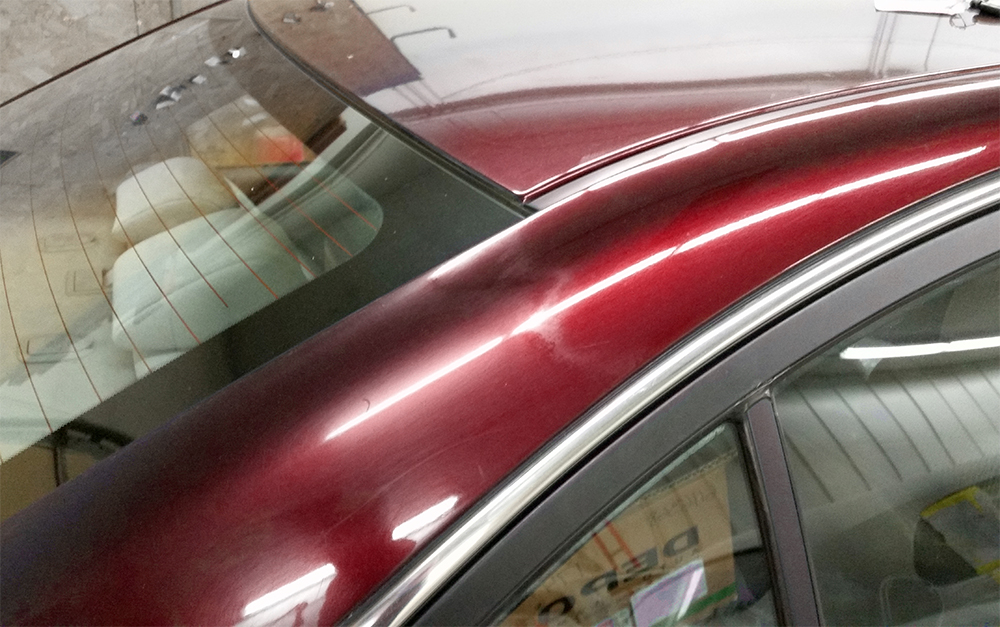
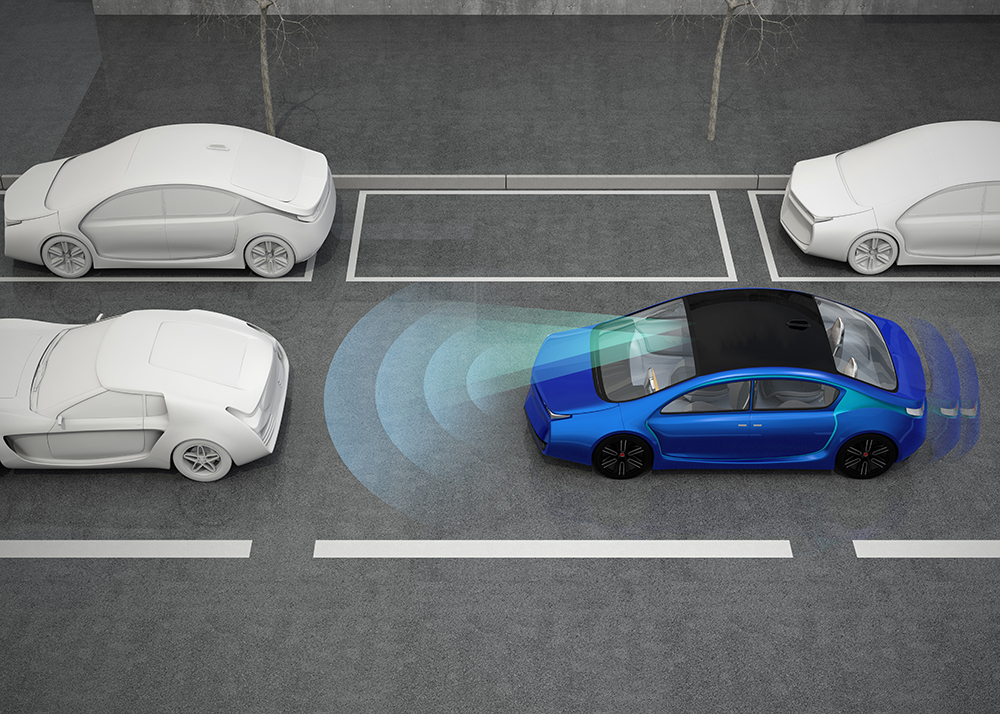
Professional assessors examine aspects that might be overlooked, such as structural damage, safety system impacts, and future problems that could arise from the accident. This detailed report gives you leverage when negotiating with the at-fault party’s insurance company.
Negotiating a Settlement
With your independent assessment in hand, you can negotiate more effectively with the at-fault driver’s insurance company. If the insurer’s offer falls short of your assessment, you can present your evidence to support a higher claim. Be persistent but reasonable in your negotiations.
Taking Legal Action if Necessary
If the at-fault driver is uninsured or their insurance company refuses to pay fair compensation, you may need to take legal action. Consider consulting with a lawyer who specialises in motor vehicle accidents to understand your options for pursuing compensation through the courts.
What to Do if You’re at Fault and Have No Insurance
Being at fault in an accident without insurance creates significant financial exposure. Here’s how to handle this difficult situation:
Accept Responsibility Appropriately
If you know you’re at fault, acknowledge responsibility but be careful about making statements that could increase your liability. Stick to the facts when discussing the accident with the other driver and authorities.
Arrange for Vehicle Assessment
Even as the at-fault party, getting an independent assessment of both vehicles is crucial. This helps prevent inflated repair claims from the other party and gives you an accurate picture of your financial liability. Reputable assessment services provide detailed reports that document only accident-related damage, protecting you from paying for pre-existing issues.
Negotiate a Payment Plan
Without insurance, you’ll be personally responsible for the other party’s costs. Try to negotiate a private settlement and payment plan that you can manage. Get any agreement in writing, including the final settlement amount and payment terms.
Consider Legal Advice
If the costs are substantial or the other party is making excessive claims, consult with a legal professional. They can advise you on your rights and options for managing your liability.
Legal Implications of Driving Without Insurance in Australia
Understanding the legal consequences of driving without insurance is important for all Australian motorists.
Compulsory Third Party (CTP) Insurance
CTP insurance is mandatory in all Australian states and territories. Driving without it is illegal and can result in:
- Significant fines
- Loss of driving privileges
- Vehicle registration cancellation
CTP only covers personal injury, not property damage, which is why many drivers also opt for comprehensive or third-party property insurance.
Financial Responsibility Laws
Even without comprehensive insurance, you remain financially responsible for damage you cause. This liability can lead to substantial debt if you cause a serious accident, potentially affecting your financial future for years.
Protecting Yourself in Future Accidents
After experiencing an accident without insurance, consider these steps to better protect yourself in the future:
Insurance Options for High-Risk Drivers
If standard insurance is unaffordable or unavailable due to your driving history, investigate specialised policies for high-risk drivers. While more expensive than standard policies, they provide essential protection against catastrophic financial losses.
Gradual Insurance Building
If full comprehensive coverage is beyond your budget, consider starting with third-party property insurance. This covers damage you cause to others’ property but not your own vehicle. Over time, as your financial situation improves, you can upgrade to more comprehensive coverage.
Need Help After a Car Accident?
If you’ve been involved in a car accident without insurance, getting accurate vehicle assessments is crucial to protecting your financial interests. As Australia’s leading independent vehicle assessors, we at National Assessing & Engineering provide impartial, detailed reports that ensure fair treatment whether you’re at fault or not. Our experienced assessors work nationwide to deliver prompt, professional service during this stressful time. Contact our team today by calling 1800 844 999 or email us at info@nationalassessing.com.au to arrange an independent assessment that protects your interests.