Determining car accident liability is often a complex process that requires substantial evidence to support claims. Modern technology has introduced innovative methods like Crash Data Recovery (CDR) that provide crucial evidence in liability disputes. This article explores how CDR works, its value in determining fault in accidents, and why it’s becoming increasingly important in Australian motor vehicle liability cases.
How Crash Data Recovery Works in Determining Car Accident Liability
Crash Data Recovery, also known as Event Data Recorder (EDR) analysis, involves extracting information from a vehicle’s onboard computers following an accident. Most modern vehicles are equipped with sophisticated computer systems that continuously monitor and record various operational parameters. These systems function similarly to the “black boxes” found in aircraft, capturing critical data moments before, during, and after a collision.
The data recorded by these systems typically includes vehicle speed, throttle position, brake application, steering angle, seatbelt usage, airbag deployment timing, and in some advanced systems, even the position of surrounding vehicles. When an accident occurs, this information is locked into the vehicle’s memory, creating a digital snapshot of the circumstances surrounding the crash. Specially trained technicians can download this data using proprietary equipment and interpret it to reconstruct the accident sequence.
In Australia, CDR has become increasingly important in liability disputes as it provides objective, measurable data that can either corroborate or contradict witness statements. Unlike human testimony, which can be influenced by perspective, stress, or memory limitations, CDR data offers factual, time-stamped information about what actually happened during the critical seconds of an incident. This makes it particularly valuable in cases where accounts of the accident differ between parties.
The Technical Process of Data Extraction
The technical process of extracting crash data requires specialised equipment and expertise. Independent car assessors in Australia use manufacturer-specific interfaces to connect to the vehicle’s Onboard Diagnostic (OBD) port or directly to the airbag control module. Once connected, they can download the stored information, which is then analysed using proprietary software to interpret the raw data into usable information.
The extraction process must follow strict protocols to ensure data integrity. This includes documenting the chain of custody, using calibrated equipment, and following manufacturer guidelines. Failure to adhere to these protocols can compromise the admissibility of the evidence in insurance negotiations or court proceedings. Professional assessors must also be certified in CDR techniques to ensure they have the requisite skills to extract and interpret the data accurately.
One crucial aspect of CDR in Australia is that the accessibility of data varies by vehicle manufacturer. Some manufacturers use proprietary systems that require special adapters and software, while others use more standardised interfaces. The depth of data available also varies, with newer vehicles generally recording more parameters than older models. This variability means that assessors must stay current with multiple systems and continuously update their technical capabilities.
Types of Data Captured and Their Significance in Liability Determination
The information captured through CDR can be categorised into several types, each offering unique insights into the accident circumstances. Pre-crash data includes vehicle speed, acceleration/deceleration rates, engine RPM, and throttle position in the seconds leading up to impact. This information helps establish whether a driver was speeding, accelerating, or attempting to slow down before the collision occurred.
Crash data captures the change in velocity (Delta-V), which indicates the severity of the impact, as well as the direction of force. This data helps determine collision angles and can verify whether the reported impact directions align with the physical damage. It can also reveal multiple impacts in complex accidents, showing their sequence and relative force.
Post-crash data might include information about airbag deployment timing, seatbelt pretensioner activation, and vehicle system responses after the collision. Some advanced systems also record whether safety features like electronic stability control or anti-lock braking systems were engaged during the event. All these data points create a comprehensive picture of the accident that can be crucial in determining liability.
Legal Implications of CDR in Australian Liability Disputes
In Australian legal contexts, CDR evidence has gained significant recognition due to its objective nature. Courts and tribunals increasingly accept CDR data as reliable evidence in liability disputes, with some cases being decided primarily based on this technical information. However, the legal landscape surrounding CDR is still evolving, with considerations about privacy, data ownership, and admissibility being actively developed.
From a legal perspective, CDR data must be properly authenticated and interpreted by qualified experts to be admissible. The expert must be able to explain the technical aspects of data collection and analysis in terms that courts and insurance adjusters can understand. This includes addressing potential limitations of the data, such as recording intervals or sensor accuracy, to provide a balanced assessment of what the information actually proves.
One significant legal development in Australia has been the establishment of precedents regarding who can access CDR data. Currently, vehicle owners, their legal representatives, and authorised assessors can typically request access to this information with proper documentation. However, the process varies by manufacturer, and some may require court orders before releasing certain types of data, especially in criminal investigations.
How CDR Evidence Compares to Traditional Evidence in Liability Cases
Traditional evidence in car accident cases typically includes witness statements, police reports, photographs of the accident scene, and physical damage to vehicles. While valuable, these forms of evidence can be subjective, incomplete, or influenced by human perception errors. Witnesses may misjudge speeds or sequence of events, and physical evidence can sometimes support multiple interpretations of how an accident occurred.
CDR data complements these traditional forms of evidence by providing objective measurements of critical parameters. For example, while a witness might estimate that a vehicle was “speeding,” CDR can show the exact speed was 83 km/h in a 60 km/h zone. Similarly, while skid marks might suggest braking occurred, CDR can pinpoint exactly when brakes were applied relative to impact and with what force.
In Australian liability disputes, the combination of CDR data with traditional evidence creates a more complete picture of the accident. When physical evidence and witness accounts align with the digital data, it strengthens the case considerably. When they conflict, CDR often takes precedence due to its precision, though courts will consider the totality of evidence rather than relying solely on electronic data.
Limitations and Challenges of Using CDR in Liability Assessment
Despite its value, CDR has several limitations that must be considered in liability assessments. Not all vehicles have the same recording capabilities, with older models having limited or no CDR functionality. Australian roads still have many vehicles manufactured before EDR systems became standard, creating disparities in available evidence depending on the age and make of vehicles involved in an accident.
Technical limitations also exist in the data itself. Most systems only record a short timeframe—typically 5-20 seconds before impact—which may not capture the full context of events leading to the accident. Additionally, some parameters may be recorded at different sampling rates, creating potential gaps in the timeline. These limitations require assessors to be transparent about what the data can and cannot tell us about an accident sequence.
Data interpretation challenges are also significant. Converting raw data into meaningful conclusions requires expertise in vehicle dynamics, crash reconstruction, and specific knowledge of how different vehicle systems function and record information. Without proper interpretation, the data can be misunderstood or its significance overstated. This is why qualified independent assessors are essential in the CDR analysis process.
Privacy and Ethical Considerations in Australian Context
Privacy concerns have become increasingly important in the context of CDR in Australia. The data recorded can potentially reveal personal driving habits and behaviours beyond what’s relevant to the specific accident. Questions about who owns this data, who can access it, and how long it should be retained are still being addressed in Australian privacy frameworks and regulations.
There are also ethical considerations around disclosure and consent. Many Australian drivers are unaware that their vehicles are constantly recording operational data that could be used in liability determinations. This raises questions about whether manufacturers and insurers have adequately informed consumers about these capabilities and how the information might be used following an accident.
The balance between privacy protection and the legitimate use of CDR for liability determination remains an evolving area in Australian law. Current best practices include obtaining proper authorisation before accessing data, limiting analysis to accident-relevant information, and ensuring secure handling of the retrieved information to prevent unauthorised access or misuse.
How Independent Car Assessors Use CDR in Comprehensive Accident Investigations
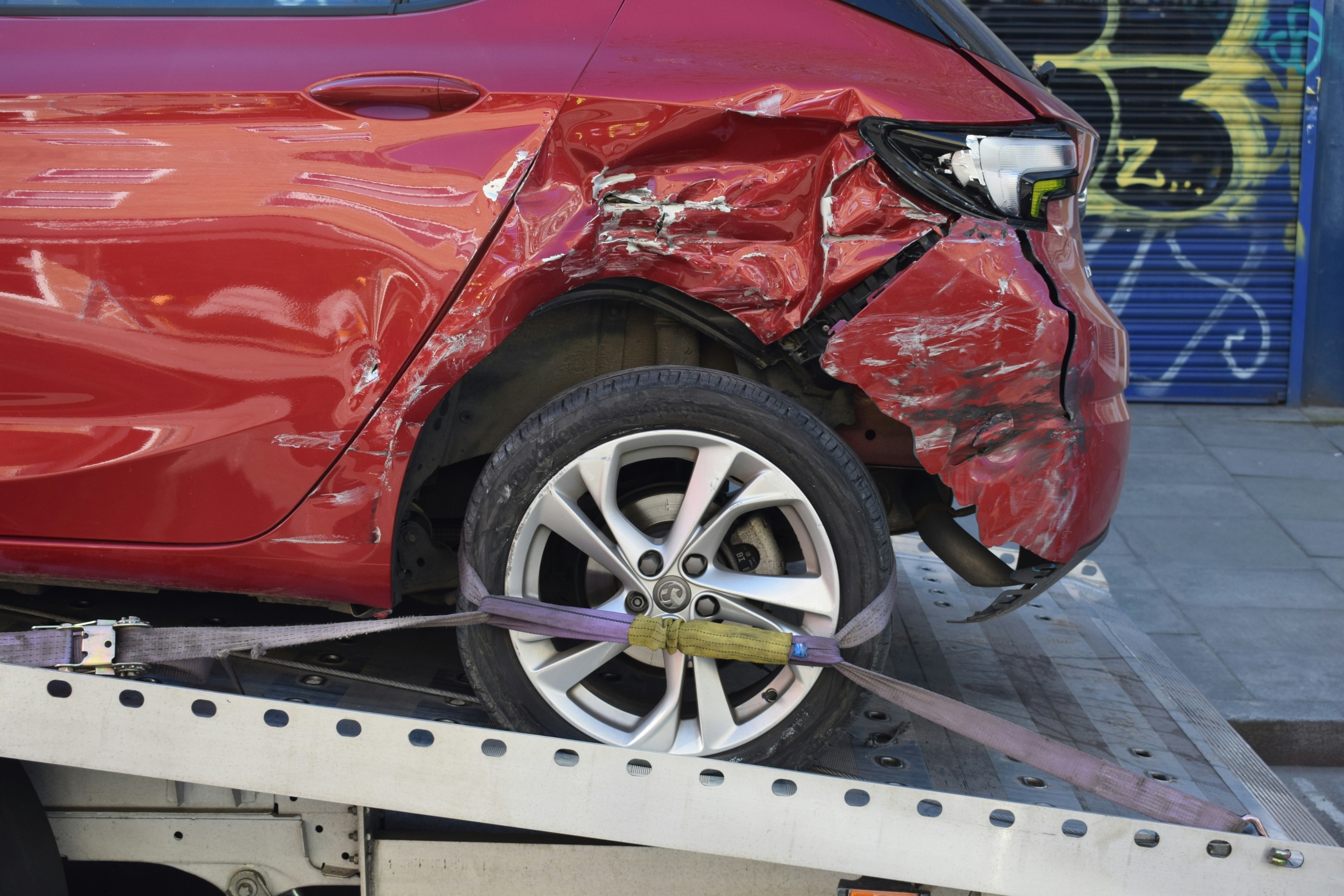
Professional car assessors in Australia integrate CDR analysis into a comprehensive investigation methodology. Rather than relying solely on the electronic data, they combine it with traditional investigation techniques to create a complete picture of the accident. This typically begins with a physical inspection of the vehicles involved, documenting damage patterns, measuring crush depths, and noting the final resting positions when available.
The assessor then examines the accident scene, either in person or through police photographs, noting road conditions, visibility factors, traffic control devices, and environmental elements that might have contributed to the incident. Witness statements and police reports provide additional context about the accident circumstances. Only after gathering this foundational information do they extract and analyse the CDR data.
By examining how the technical data aligns with the physical evidence, assessors can validate both sources of information and identify any discrepancies that require further investigation. This methodical approach ensures that the CDR data is properly contextualised within the broader circumstances of the accident, leading to more accurate liability determinations.
Preparing Comprehensive Reports for Insurance and Legal Proceedings
Independent car assessors in Australia prepare detailed reports that translate technical CDR data into clear, understandable information for insurance adjusters, lawyers, and courts. These reports typically include explanations of the data collection methodology, the technical specifications of the recording systems, and any limitations or caveats that should be considered when interpreting the information.
The reports present the relevant data in both technical format and layperson’s terms, often using visualisations like graphs, timelines, and diagrams to illustrate the sequence of events. Critical findings are highlighted and explained in detail, connecting the data points to specific aspects of liability determination. For example, the report might explain how pre-impact braking data demonstrates a driver’s reaction time and attempts to avoid collision.
In addition to presenting the factual data, these reports often include expert interpretation of what the information means in the context of the specific accident. This might include analysis of driver actions, vehicle performance, or the influence of external factors. When preparing these interpretations, assessors are careful to distinguish between factual findings and professional opinions, maintaining transparency about the strength of the conclusions drawn from the available data.
The Future of CDR in Australian Liability Assessments
The technology behind CDR is rapidly evolving, with newer vehicles recording more parameters with greater precision than earlier models. Advanced Driver Assistance Systems (ADAS) like adaptive cruise control, lane-keeping assistance, and automatic emergency braking are generating new data streams that provide even more detailed information about pre-crash scenarios. These systems not only record what happened but also what the vehicle “perceived” through its sensors.
Connected vehicle technology is also expanding the scope of available information. Some newer vehicles can now transmit crash data automatically to manufacturers or emergency services, potentially making this information available more quickly after accidents. Additionally, developments in external recording devices, such as dashcams with GPS capabilities, are creating supplementary data sources that can be integrated with traditional CDR information.
As these technologies become more widespread on Australian roads, the quantity and quality of objective evidence available for liability assessments will continue to increase. This expansion of data will likely lead to more precise determinations of fault and potentially reduce the number of disputed claims, as objective evidence becomes harder to contradict.
Regulatory Developments and Standardisation Efforts
Australian regulatory bodies are increasingly attentive to the role of CDR in accident investigations and liability determinations. There are ongoing discussions about standardising the types of data recorded, the duration of recording, and the accessibility protocols across different vehicle manufacturers. These efforts aim to create more consistency in the available evidence regardless of vehicle make or model.
Industry stakeholders, including insurers, manufacturers, and legal professionals, are also working toward establishing best practices for CDR use in Australian contexts. These include technical standards for data extraction, qualifications for those performing the analyses, and protocols for incorporating CDR evidence into liability determinations. As these standards develop, the reliability and acceptance of CDR evidence will likely continue to strengthen.
These regulatory and industry developments suggest that CDR will become an increasingly standardised and expected component of accident investigations in Australia. As the technology becomes more ubiquitous and the processes more established, both insurers and legal systems will likely place greater weight on this form of evidence in liability disputes.
Need Expert CDR Analysis for Your Liability Dispute?
Crash Data Recovery provides objective, technical evidence that can be crucial in resolving car accident liability disputes. When properly extracted, analysed, and interpreted, this data offers insights that traditional investigation methods cannot provide, creating a clearer picture of what happened in the critical moments before and during a collision.
We at National Assessing & Engineering provide crash data recovery services as part of comprehensive accident investigations. Our qualified assessors can extract and interpret this valuable data, helping to establish liability in even the most complex accident scenarios. If you’re involved in a liability dispute and need expert technical assessment, contact our team today by calling 1800 844 999.