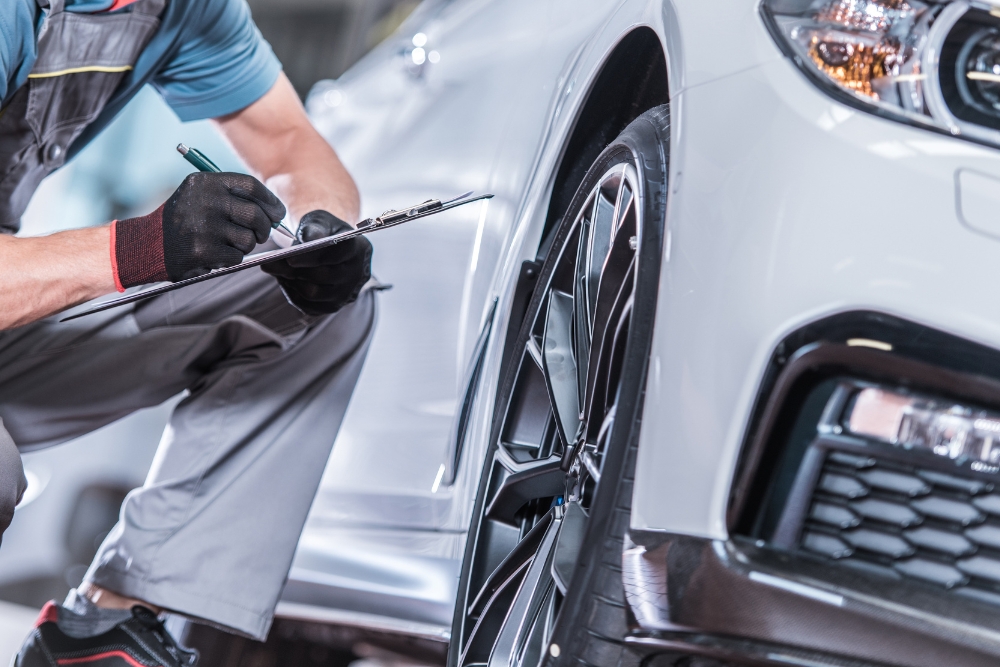
Car valuations are crucial for a variety of purposes, including selling your car, determining insurance payouts, and resolving disputes. This article provides a comprehensive breakdown of the car valuation process in Australia, helping you understand the steps involved and the factors that influence a car’s value.
The Process of Car Valuation
Gathering Essential Vehicle Information
The car valuation process starts with collecting basic details about the vehicle, such as:
- Make and model: The popularity and reputation of the brand influence its market demand.
- Year of manufacture: Older cars typically depreciate, though vintage or rare models may appreciate over time.
- Engine size and transmission type: Larger engines or automatic transmissions can affect value.
- Odometer reading: Vehicles with lower mileage are generally more desirable.
This information establishes the baseline for assessing the car’s worth.
Inspecting the Vehicle’s Condition
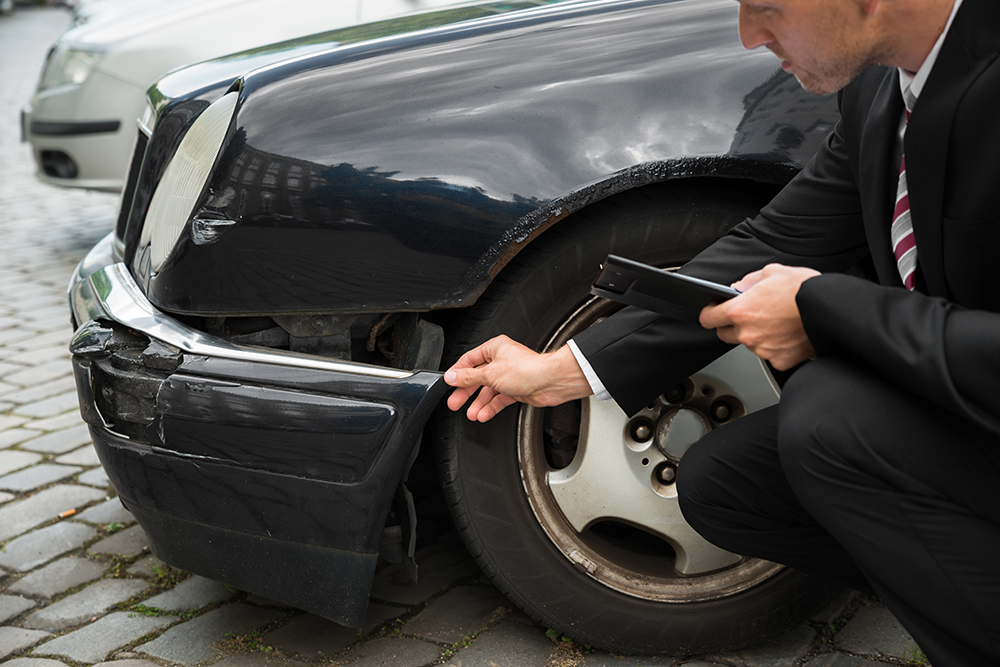
The condition of the vehicle is a major determinant of its value. Key areas inspected include:
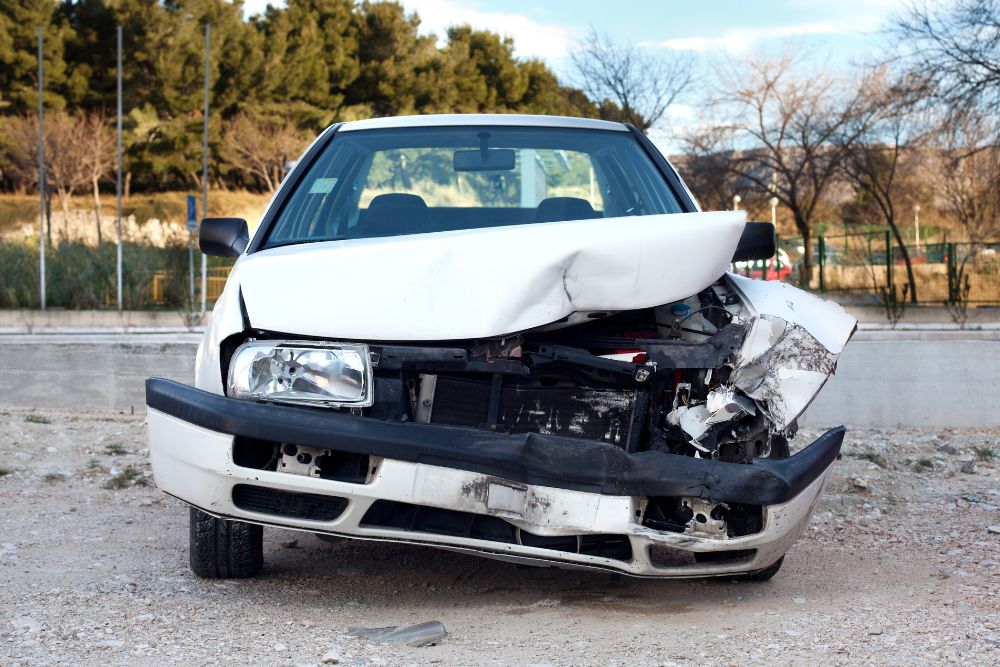
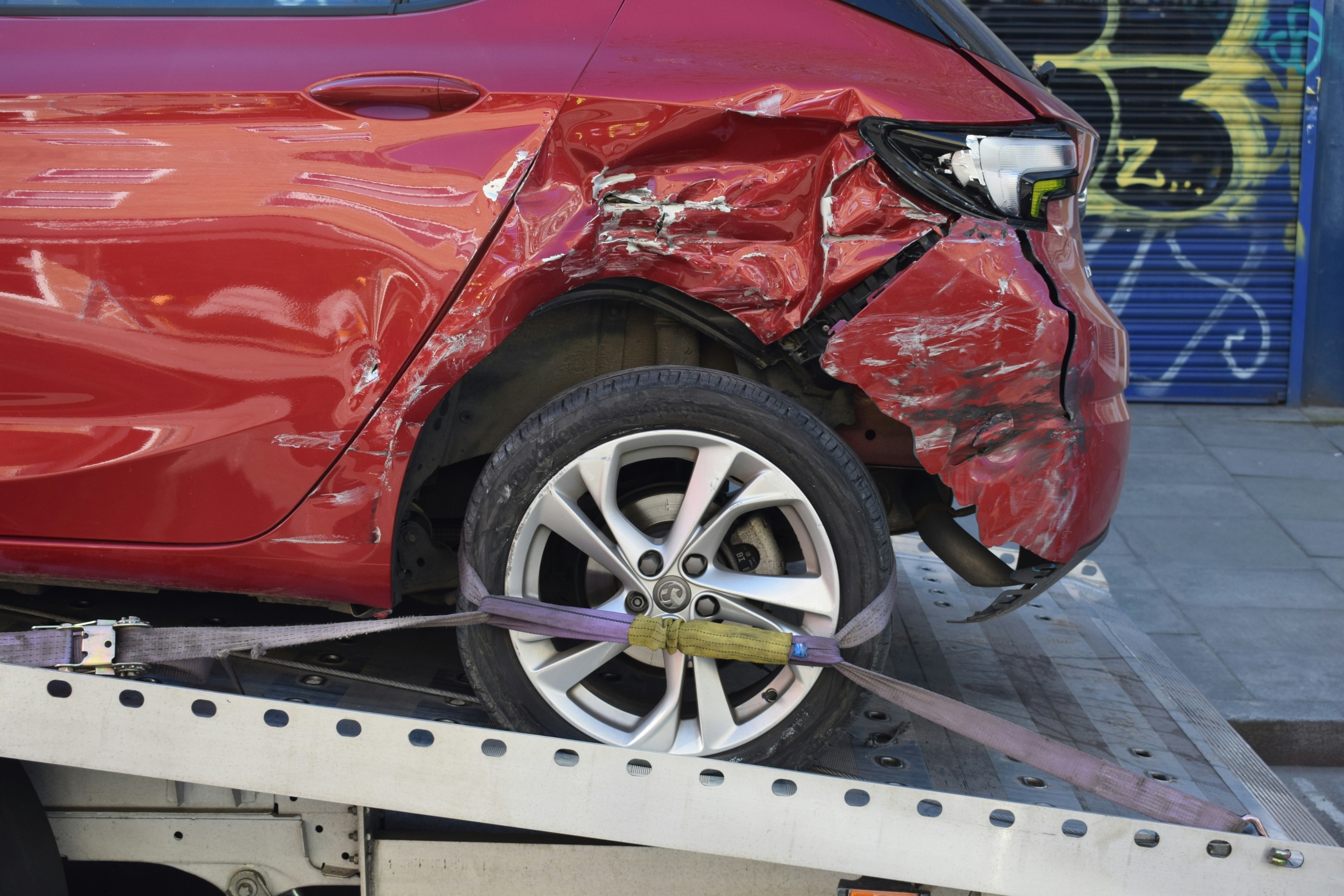
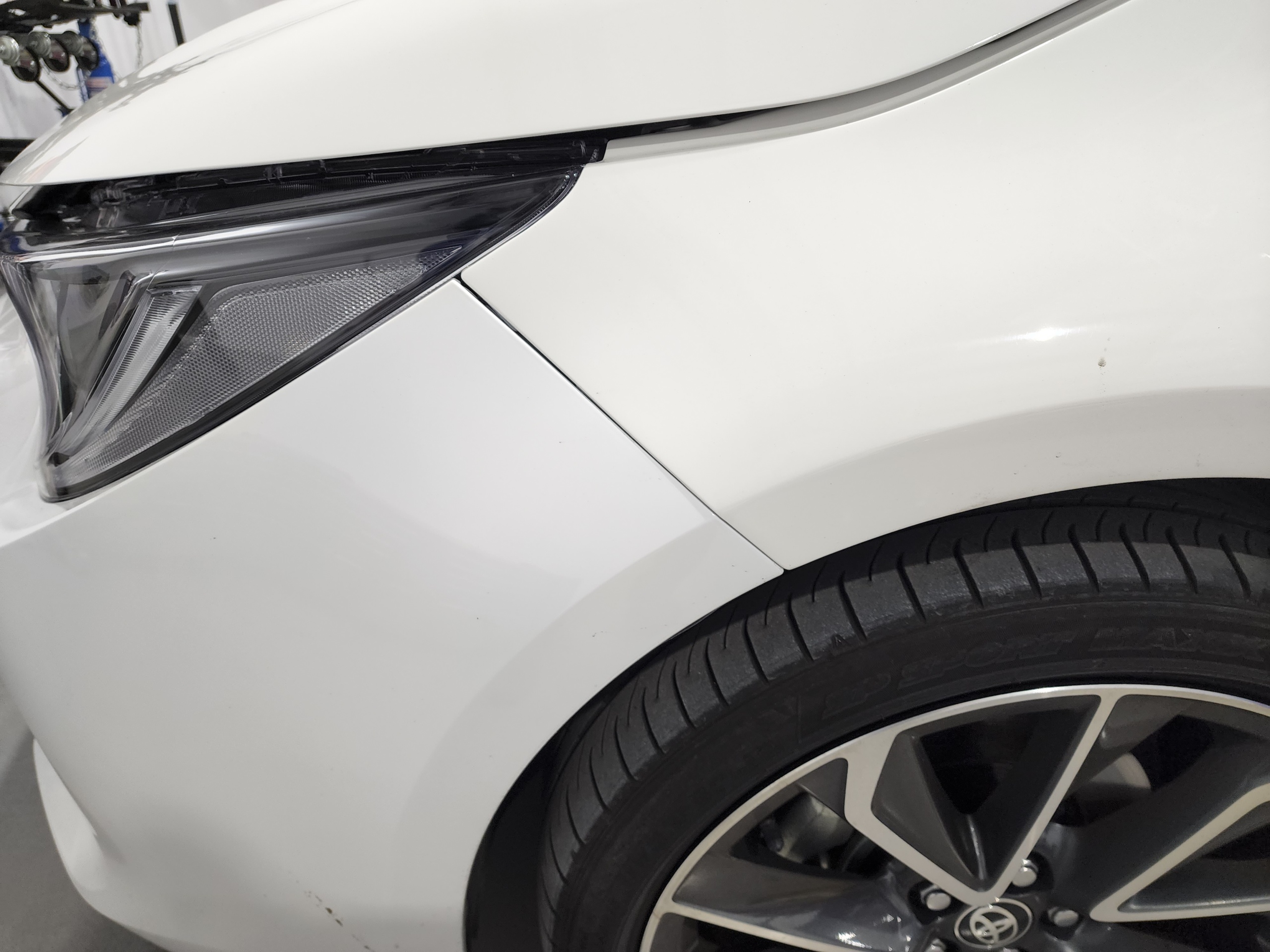
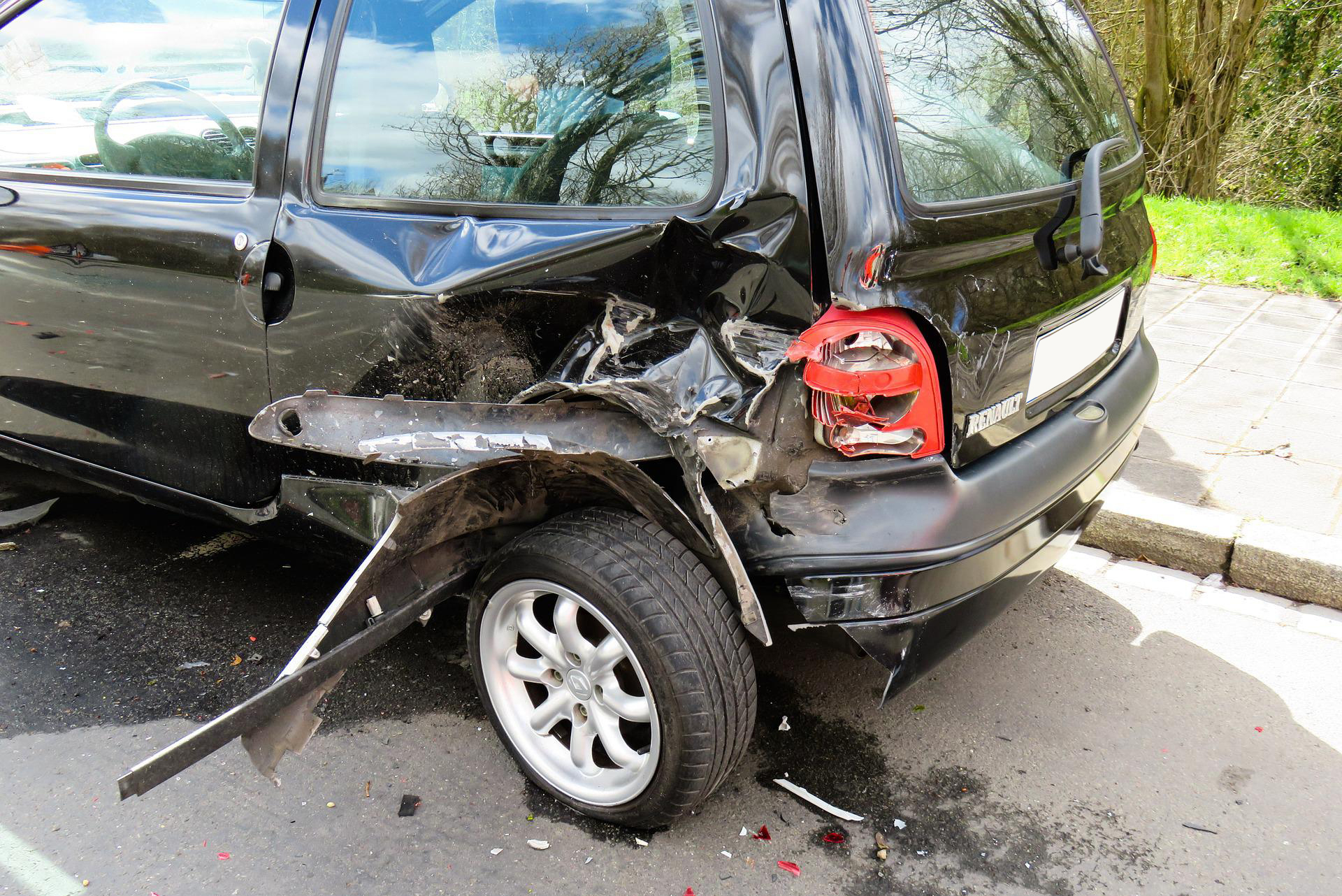
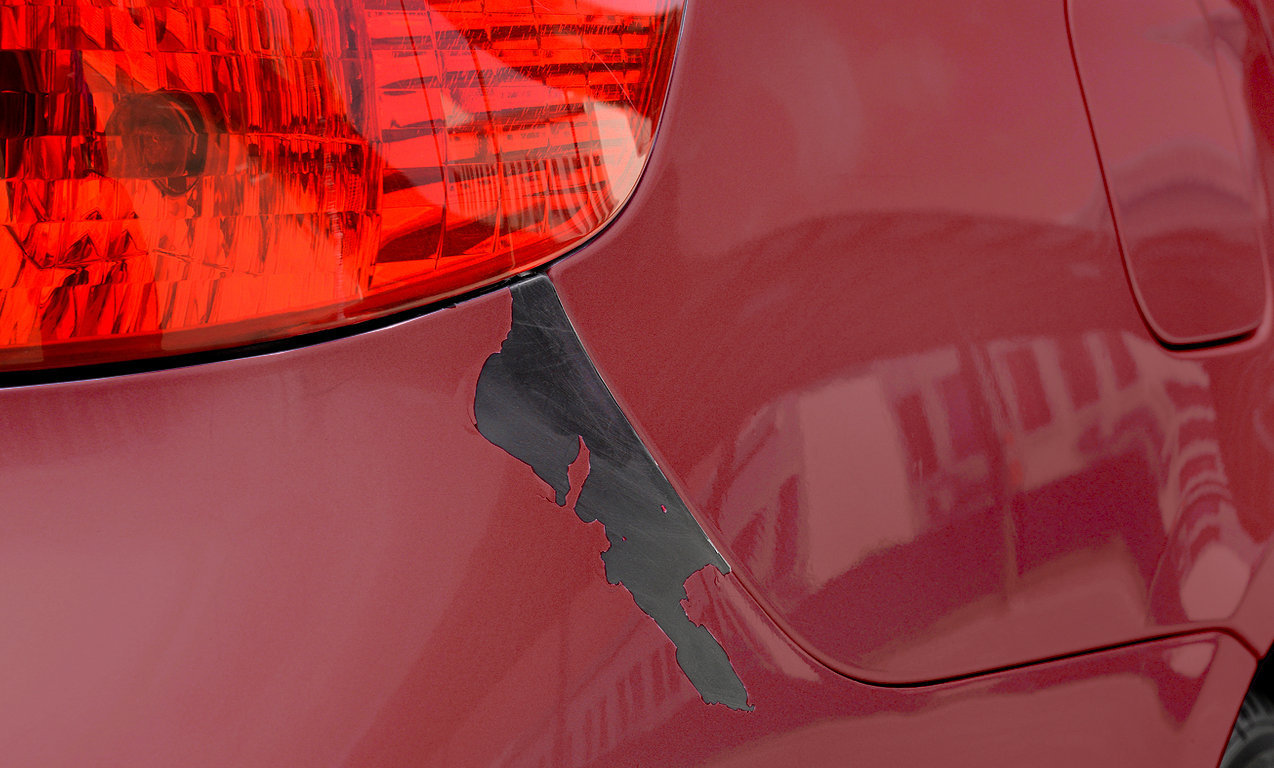
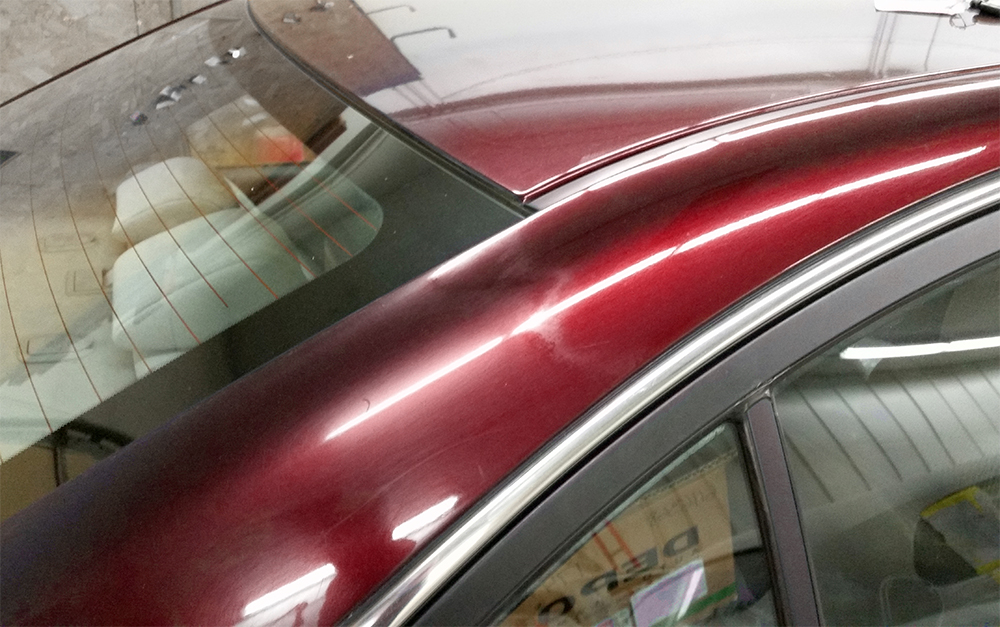
- Exterior: Any dents, scratches, paintwork issues, or rust.
- Interior: The condition of seats, dashboard, and electronics.
- Mechanical health: Engine performance, brakes, suspension, and transmission.
- Tyres: Wear and tear, including tread depth and overall condition.
Well-maintained vehicles tend to command higher valuations, while visible damage or poor maintenance lowers the value.
Reviewing Service History
A complete and up-to-date service history indicates that the vehicle has been regularly maintained. This reassurance enhances the car’s reliability and positively impacts its valuation.
Analysing Market Trends
Market demand plays a significant role in determining the value of a car. Assessors consider:
- Current demand for specific makes and models.
- Seasonal trends (e.g., higher demand for convertibles in summer or 4WDs in rural areas).
- Economic factors such as fuel prices, which influence the popularity of fuel-efficient vehicles.
By aligning the valuation with current market conditions, assessors provide an accurate and competitive estimate.
Factors That Influence a Car’s Value
Modifications and Add-ons
Aftermarket additions, such as upgraded rims, custom paintwork, or modified exhaust systems, can either enhance or diminish a car’s value, depending on their quality and relevance to market demand.
Fuel Type and Efficiency
With rising fuel prices, the demand for fuel-efficient cars or hybrids has grown, positively impacting their valuation. On the other hand, less fuel-efficient vehicles may face reduced demand.
Location
The car’s location also affects its value. For example, vehicles in urban areas may have less wear and tear than those driven in rural or off-road conditions.
Warranty and Registration
Vehicles with a valid warranty or up-to-date registration are more appealing to buyers and tend to fetch higher valuations.
Why Professional Car Valuations Matter
Ensuring Accuracy and Credibility
Professional car valuations offer a level of precision and reliability that online tools cannot match. Physical inspections allow assessors to account for factors such as wear and tear, aftermarket modifications, and local market trends.
Avoiding Financial Loss
A professional valuation ensures that sellers receive a fair price for their vehicle while preventing buyers from overpaying. This balance protects all parties involved.
Tailored Solutions for Specific Needs
Professional valuations cater to various purposes, including:
- Insurance claims: Determining pre-accident value for settlements.
- Buying or selling: Establishing a fair market price.
- Legal matters: Providing evidence in disputes or settlements.
Why Free Online Car Valuations Don’t Quite Cut It
Free online car valuation tools are quick and convenient, but they often fall short of delivering accurate or reliable results. Here’s why:
Lack of Physical Inspection
Online tools rely on generic data inputs, such as make, model, and year, without considering the specific condition of your vehicle. Factors like body damage, interior condition, and mechanical health are critical in determining a car’s true value but cannot be assessed without an in-person inspection.
Ignoring Local Market Trends
Many free tools use broad market data that may not reflect local conditions. For instance, a popular vehicle in Sydney may not command the same value in rural areas of Queensland. Professional assessors, on the other hand, tailor valuations to the current demand in your region.
Limited Customisation for Unique Cars
If your car has modifications, add-ons, or rare features, online tools may struggle to provide an accurate estimate. A professional valuation considers these unique attributes, ensuring you’re not undervaluing or overvaluing your car.
Risk of Over- or Under-Valuation
Free tools are often designed to provide rough estimates and can overvalue or undervalue vehicles. Overvalued cars may struggle to attract buyers, while undervalued cars can lead to financial loss.
Lack of Credibility for Legal or Insurance Purposes
For insurance claims, court cases, or other official matters, free valuations are not recognised as credible evidence. A professional valuation provides detailed, certified reports that can be used in legal disputes or negotiations.
Need Help With a Car Valuation?
Getting an accurate car valuation requires expert insight and attention to detail. As Australia’s trusted car valuation and assessing company, we provide professional and tailored services to suit your needs.
Contact us today by calling 1800 888 999 to get your car valuation and make informed decisions with confidence.