It’s a common perception that having car insurance will cover all the expenses of repairing a vehicle after an accident and putting it back on the road as soon as possible. However, this isn’t always the case.
In some cases, insurance companies may decide to write off a damaged car. If this happens to you, it’s important to understand the implications of this situation on your car and financial situation.
All car insurance holders need to know what factors affect the insurers’ decisions and what possible choices to make once your car is declared to be written off.
What is a Car Insurance Write-Off? How Does It Work?
To put it simply, an insurance write-off is a condition where your post-accident car is a total loss, or in mathematical terms, the costs to repair the car exceed its current economic value.
Once a car is written off, generally the owner will receive a payout at the current market value of the car. This decision is taken after assessment and valuation by the insurance company’s assessors.
The insurance company will now own the damaged car and take possession of it. In some cases, it is possible to buy it back, if the owner wants to repair it.
But how can these insurance companies decide to write off a car? What are their considerations?
Factors that Determine Whether a Car Is Written Off
1. Levels of Damage
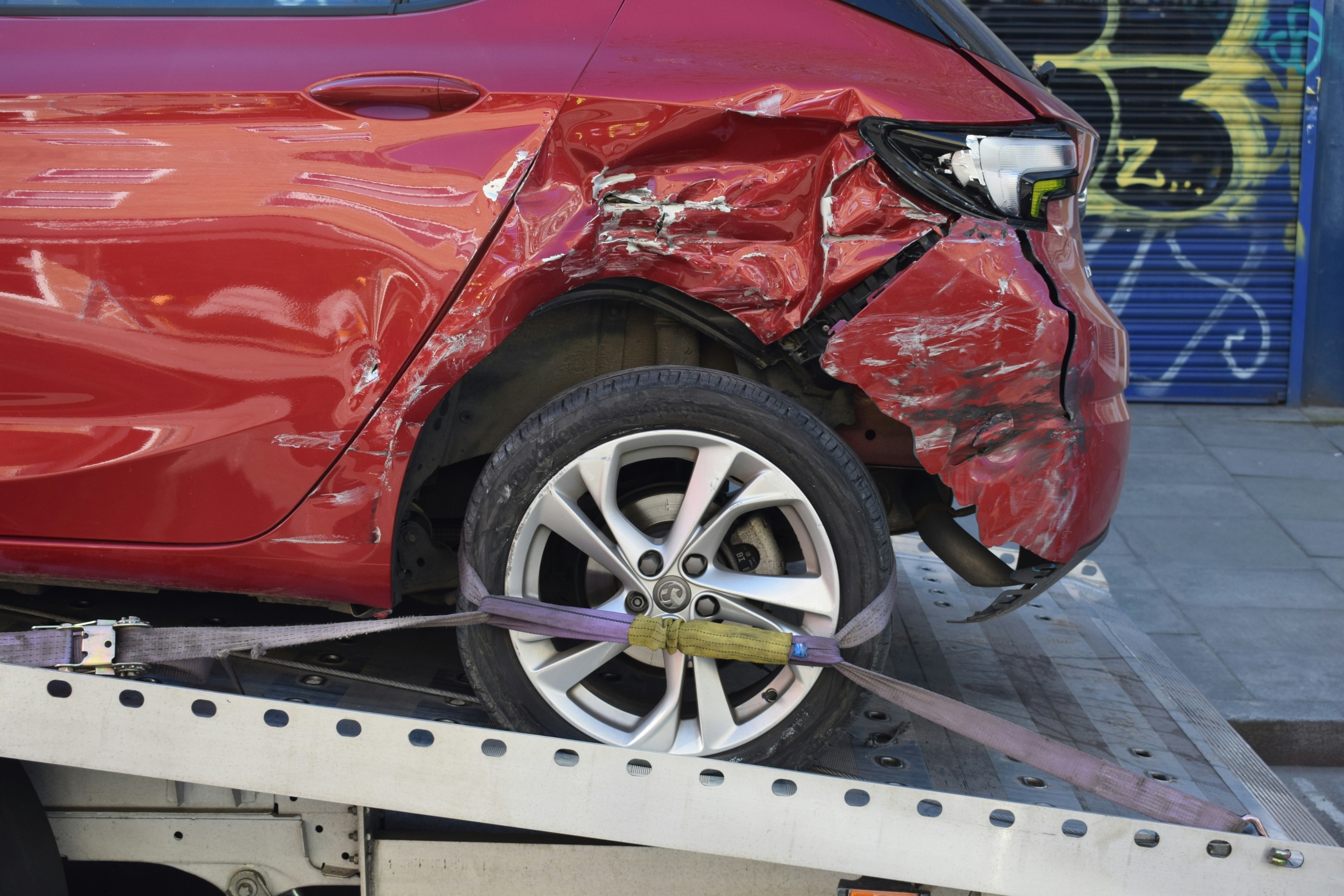
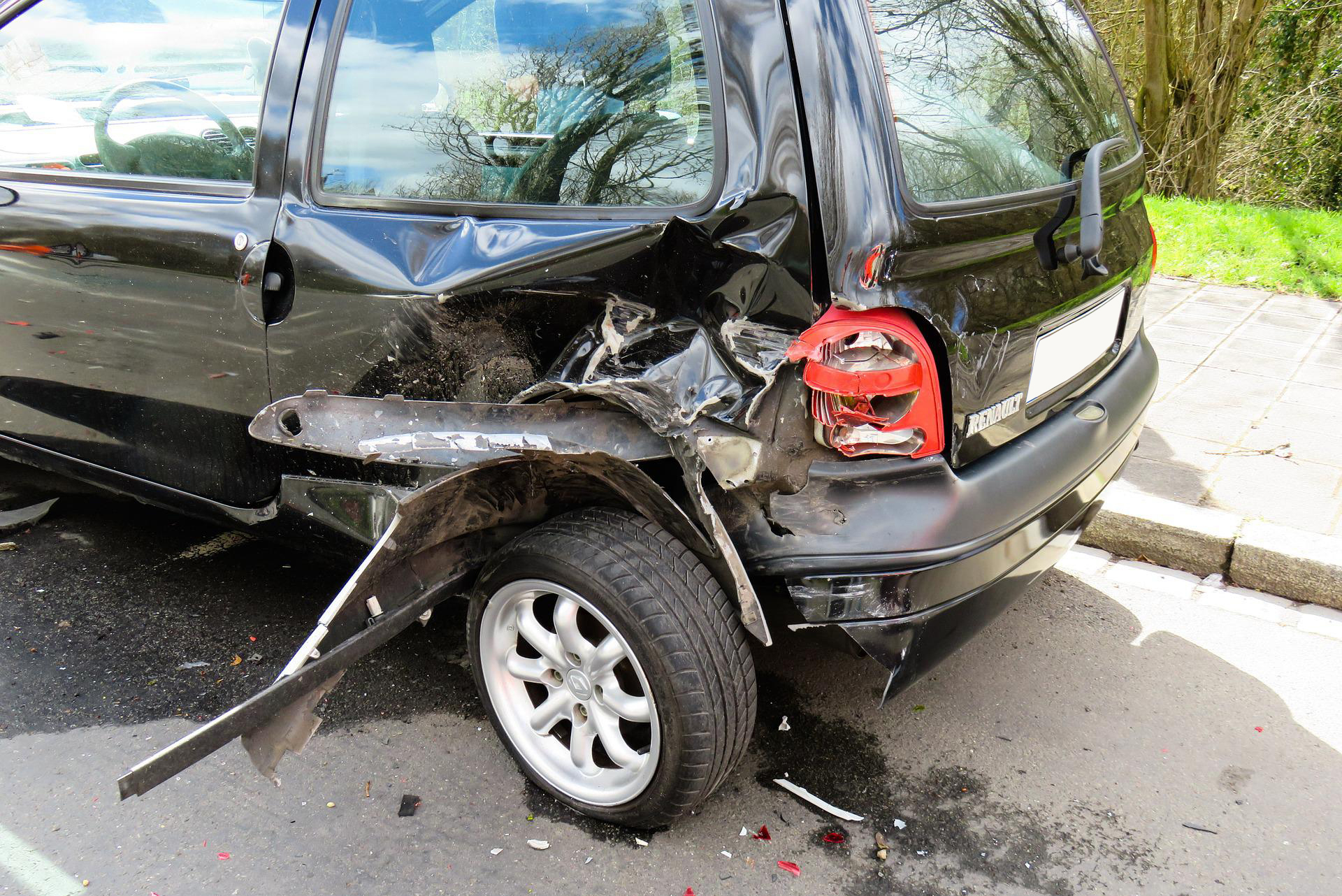
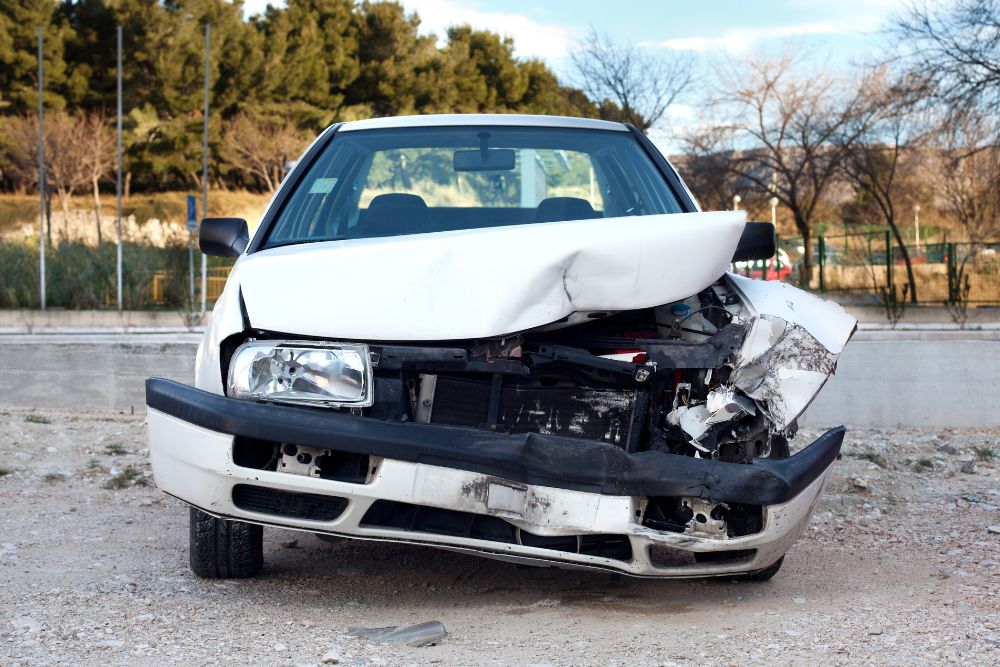
The extent of the damage on the car and whether it is structural or mechanical. The more severe the damage, the bigger the chance for the car to be written off.
2. Cost vs. Value
Comparison of the repair costs and the car’s market value after being deducted with its salvage value. Generally, if the costs are 50-70% that of the car’s current value, insurers will most likely write off the car.
3. Safety Probability
Whether the car will be safe to be driven on the road. If assessors don’t think it will be safe even after repair, the car has a bigger possibility of being written off.
4. Records of Accidents
A car that has been through previous accidents is more prone to be unsafe and unusable, which means the chance of getting written off is higher than those that have no records.
5. Vehicle Age & Condition
Older vehicles or those in poor condition before accidents are more susceptible to getting written off.
Car Condition Categories in Australia
With all of the factors above, writing off a car can’t be viewed as a “Yes or No” question. During the assessment and valuation process, insurance companies will categorise the car based on its post-accident conditions.
In Australia, there are four categories to determine it:
Category N: Non-structural damage
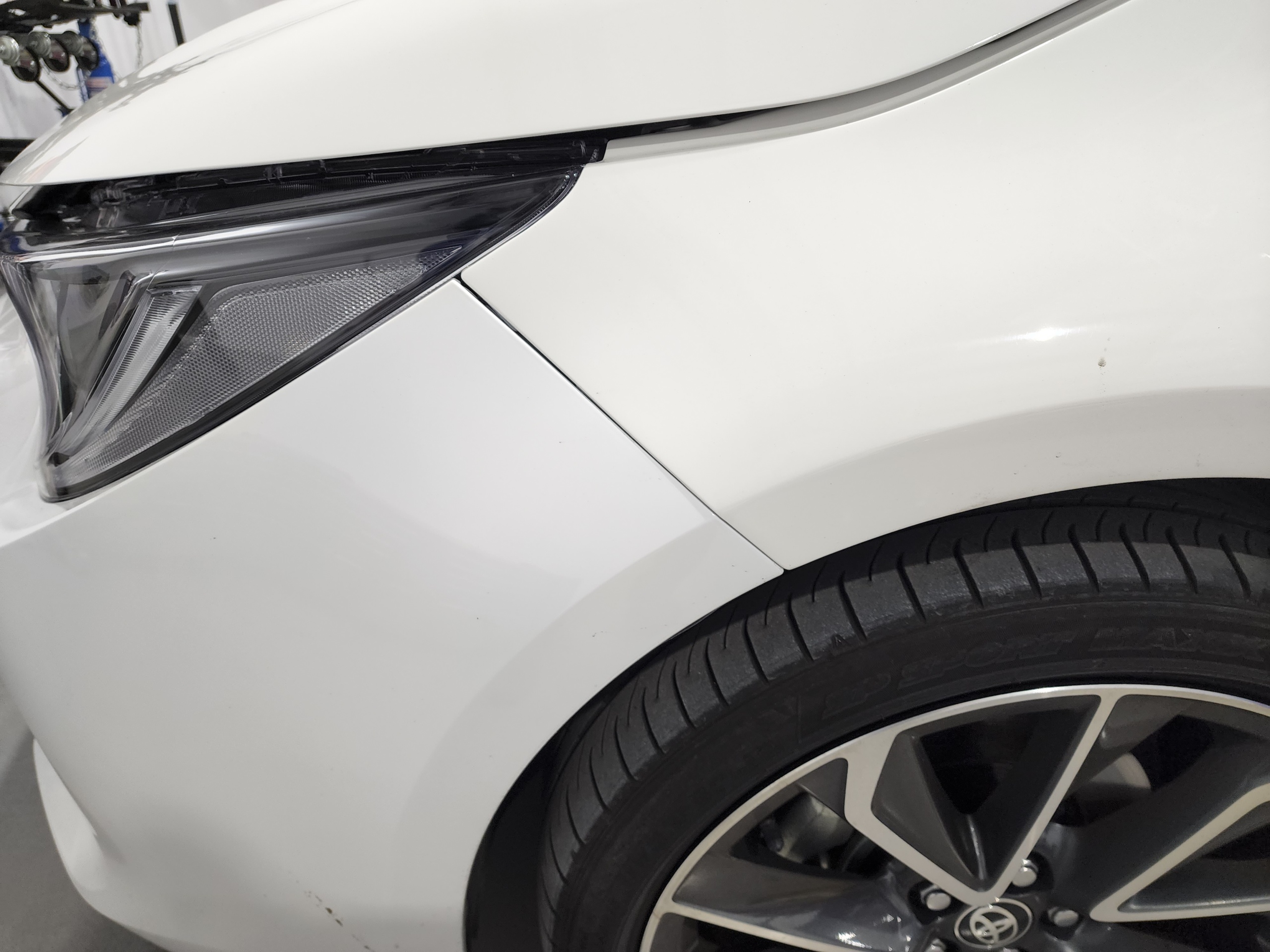
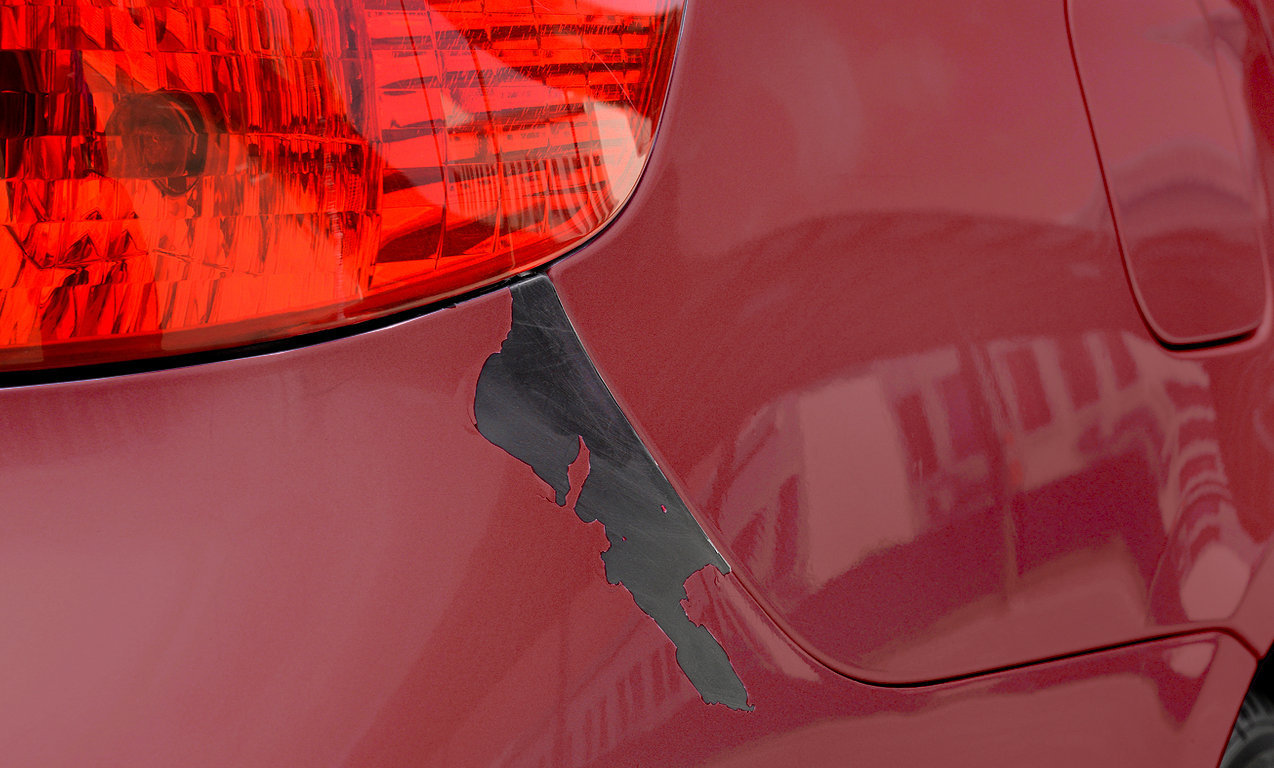
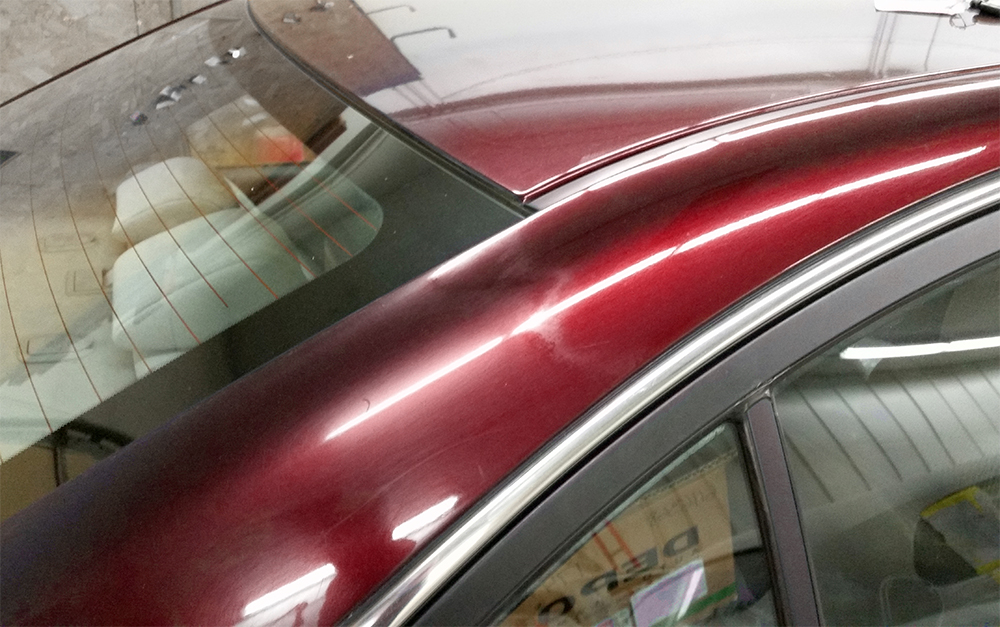
Example: A car that only gets exterior damage, such as a dented fender or scratched bumper, but has no damage to the frame or structural components.
The vehicle can be repaired and returned to a roadworthy condition without compromising safety.
Category S: Structural damage
Example: A car that has been involved in a collision and ends up in damage to the chassis or frame, such as bent suspension mounts or damaged A-pillars.
While the car is structurally damaged, it can still be repaired to meet safety standards.
Category B: Break for parts
Example: A car that has suffered severe damage that ends up beyond repairable.
In this category, insurance companies will write off the car. Its usable parts (like the engine, transmission, etc.) can be salvaged and sold for other vehicles.
Category A: Scrap only
Example: A vehicle that has been completely destroyed in a fire or a severe accident where the structural integrity is lost.
This car is deemed unsafe for any use, or may even completely become a wreck. In this category, the unusable car must be scrapped entirely.
Types of Car Insurance Write-Offs
After deciding the car’s category, insurance companies will then determine the type of write-offs, and there are only two options for that, it’s either repairable or statutory.
Repairable write-offs are for cars that belong in the N and S categories where they can still be repaired and used. The owner has the option to receive the payout, but to keep the car, it must be bought back from the insurer or its value gets deducted from the cash settlement.
On the other hand, the statutory write-off refers to a vehicle that has sustained severe structural damage and must end up in scrapyards. Once a car gets the statutory write-off, it will be deregistered.
What Options Do I Have If My Car is Written Off?
Accept the payout
In most policies, the insurance companies will pay you in cash based on the current economic value of the car. The amount will be deducted by the car’s salvage value, additional fees, or remaining premiums.
Negotiate the payout
If you disagree and are dissatisfied with the value after assessment, you may have the option to dispute the amount by providing evidence from comparable vehicles to get a higher deal.
Keep the car
If the car receives a repairable write-off, then you can take the insurance payout (minus the value of the damaged vehicle) but still keep and drive it again.
However, the car must be repaired, so don’t forget to calculate the costs that must be spent to put it back to roadworthy standard. It also has to pass the safety and roadworthiness check first, and in some states, this may require an inspection by a certified authority.
Also, consider the fact that typically a car that’s labelled written-off will face difficulties when applying for new insurance coverage. The car’s economic value may also plummet in the future, so it can also be tough when you decide to sell it.
The Need for Using an Independent Car Assessor
As you have read, writing off a car is filled with a great deal of analysis and judgement, and it’s really easy to get strangled in the whole process.
Because car assessors are normally appointed or part of the insurance companies, there can be a lack of transparency during the assessment and valuation.
And unfortunately, many people have suffered this.
It’s not uncommon for insurers to offer less than the actual value for written-off vehicles. Oftentimes, they only increase the amount of offers after customers file complaints.
A documented case happened in Australia and became a big case where luckily the car owner managed to win it and get a more deserving settlement.
Due to this issue, it’s highly suggested that you use the service of an independent car assessor, to ensure you get a fair deal when settling with insurance write-off incidents.
Need An Independent Car Assessor in Australia?
With the assistance of an independent car assessor like National Assessing & Engineering, you can have an unbiased and detailed assessment of the value of your car. Our assessors will help you receive a fair amount for your vehicle.
That’s why if you ever get involved in an accident and have to deal with an insurance write-off situation, be sure to get your car assessed by us at National Assessing & Engineering first.
With a large group of smash repair experts, our professional vehicle assessment guarantees you to be fully informed by our independent and thorough assessment.