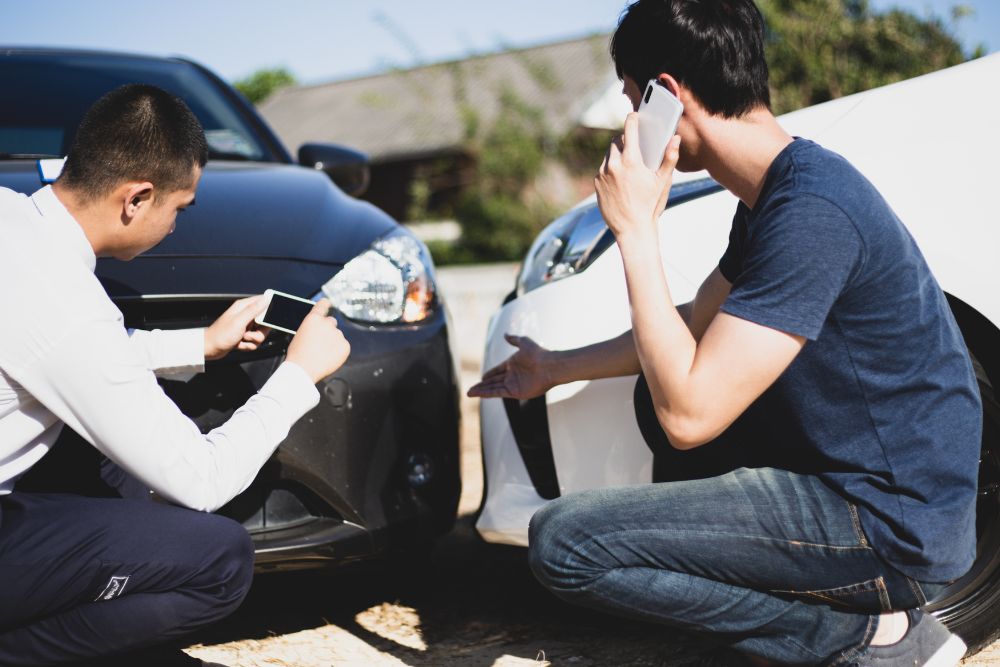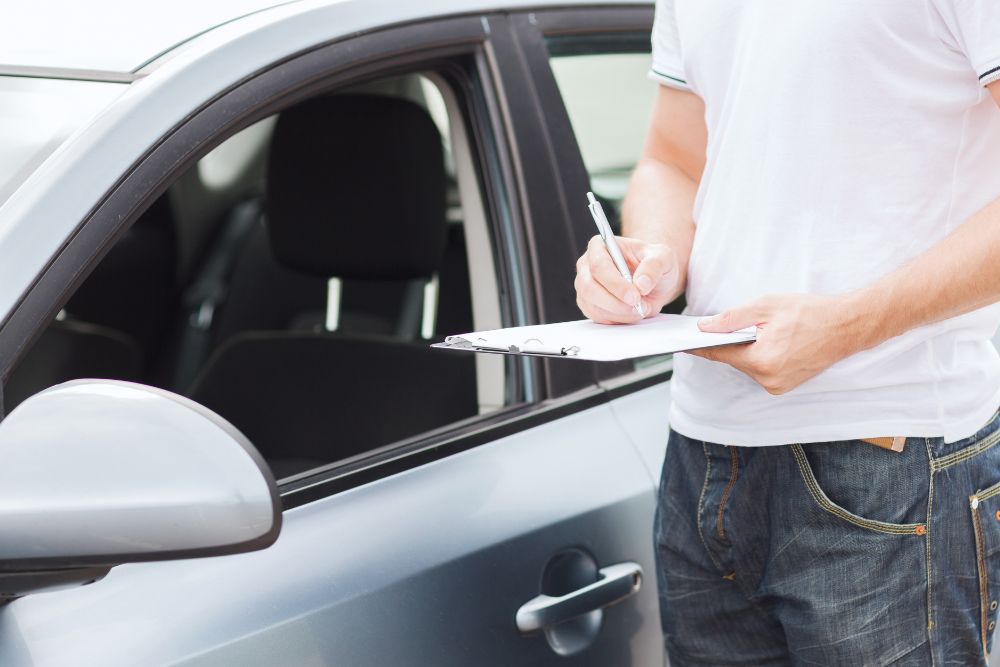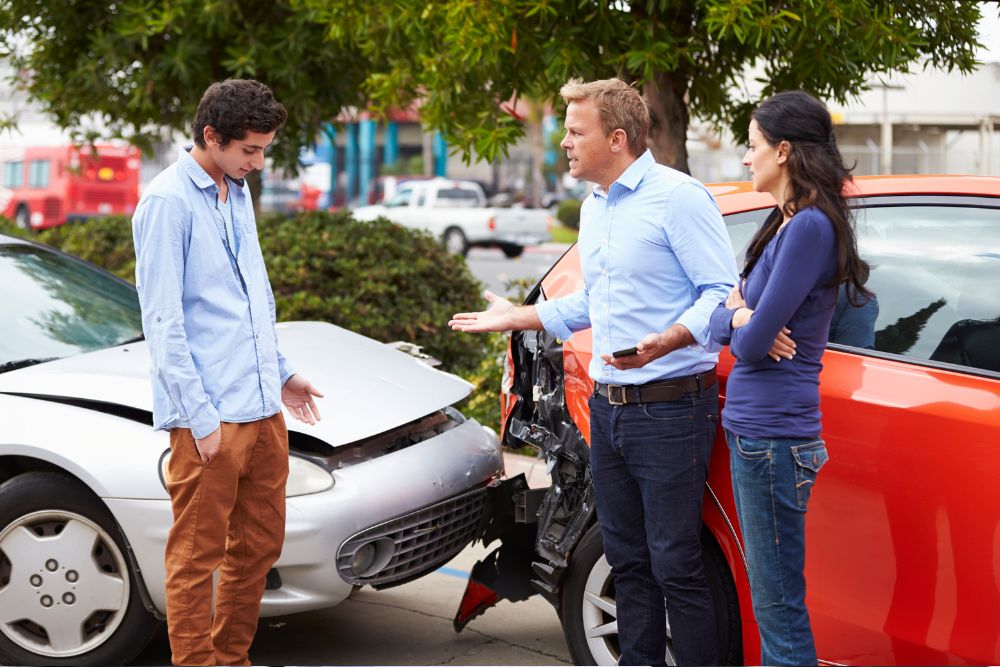
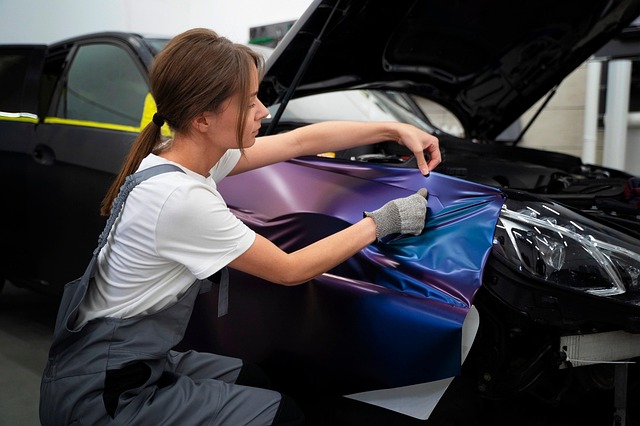
Preparing your car for a higher valuation is a strategic process that can significantly impact the amount you receive when selling or claiming insurance. Whether you’re planning to sell your vehicle, trade it in, or need an accurate assessment for insurance purposes after an accident, proper preparation can make a substantial difference in the final valuation. Taking the time to enhance your car’s condition and presentation doesn’t just improve its appearance—it directly affects its perceived and actual value in the marketplace.
Effective Ways to Increase Your Car’s Valuation
Increasing your car’s valuation requires attention to both cosmetic appearance and mechanical condition. By addressing these key areas, you can potentially add hundreds or even thousands of dollars to your car’s value. Professional assessors and potential buyers alike will notice these improvements and factor them into their valuation calculations.
The first step in maximising your car’s value is thorough cleaning and detailing. A professional-grade detail can transform your vehicle’s appearance, making it look newer and better maintained. This includes exterior washing, polishing, and waxing to restore shine and protect the paint. Interior detailing should address carpets, upholstery, dashboard, and all surfaces to remove stains, odours, and general wear. The engine bay should also be cleaned carefully, as this demonstrates meticulous maintenance to assessors.
Mechanical maintenance is equally crucial for achieving a higher vehicle valuation. Ensure all scheduled services are up-to-date and documented with receipts and service records. Address any warning lights or mechanical issues before valuation. Replace worn items like wiper blades, burnt-out lights, and balding tyres. Consider having a pre-assessment inspection to identify and fix any potential issues that might negatively impact your valuation.
Repairing Cosmetic Damage
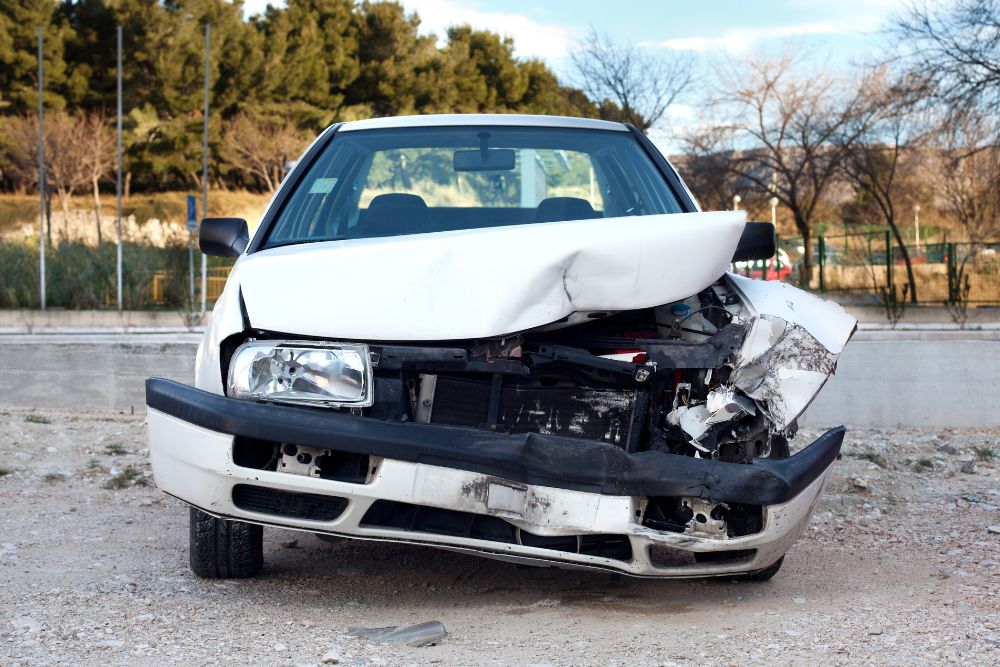
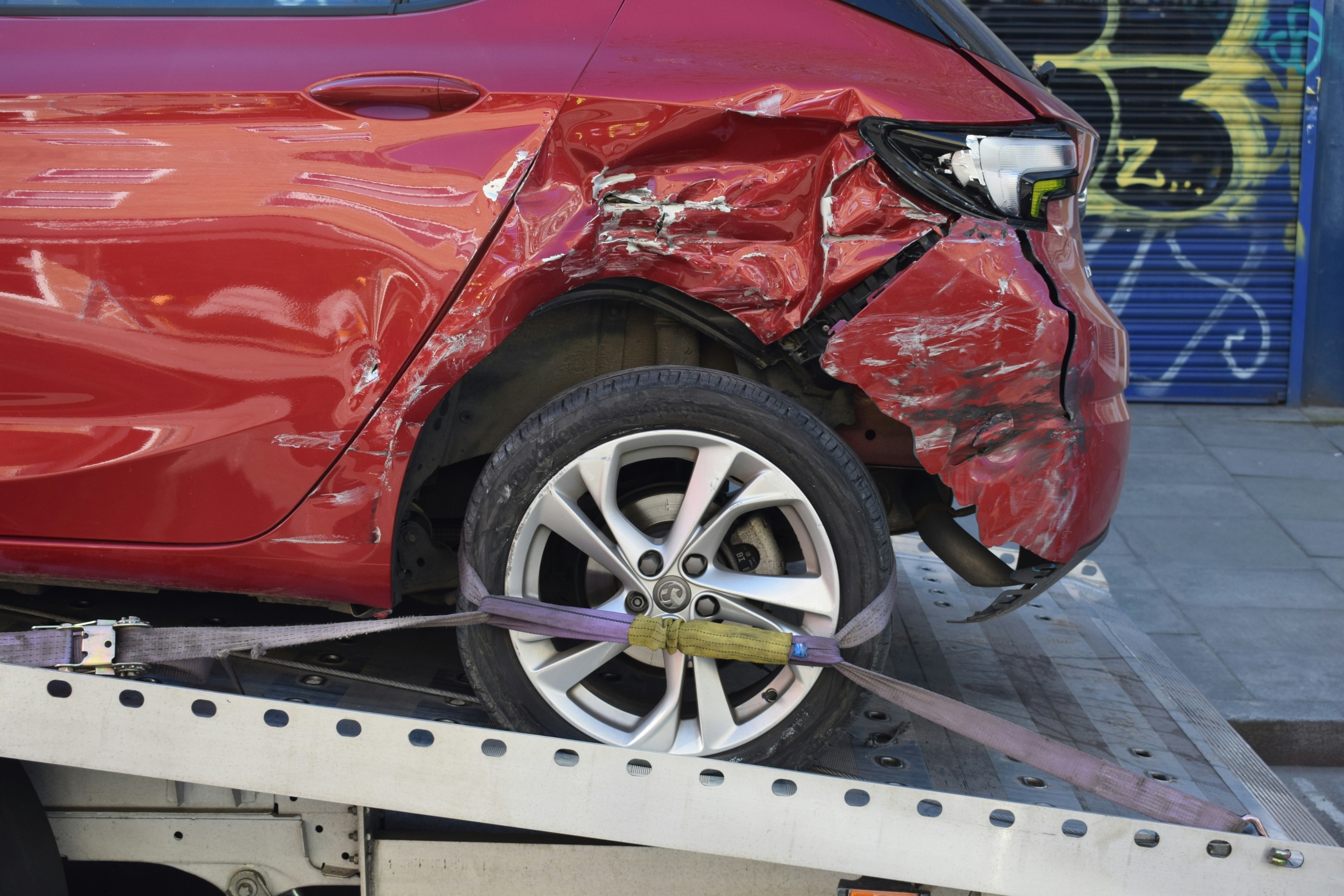
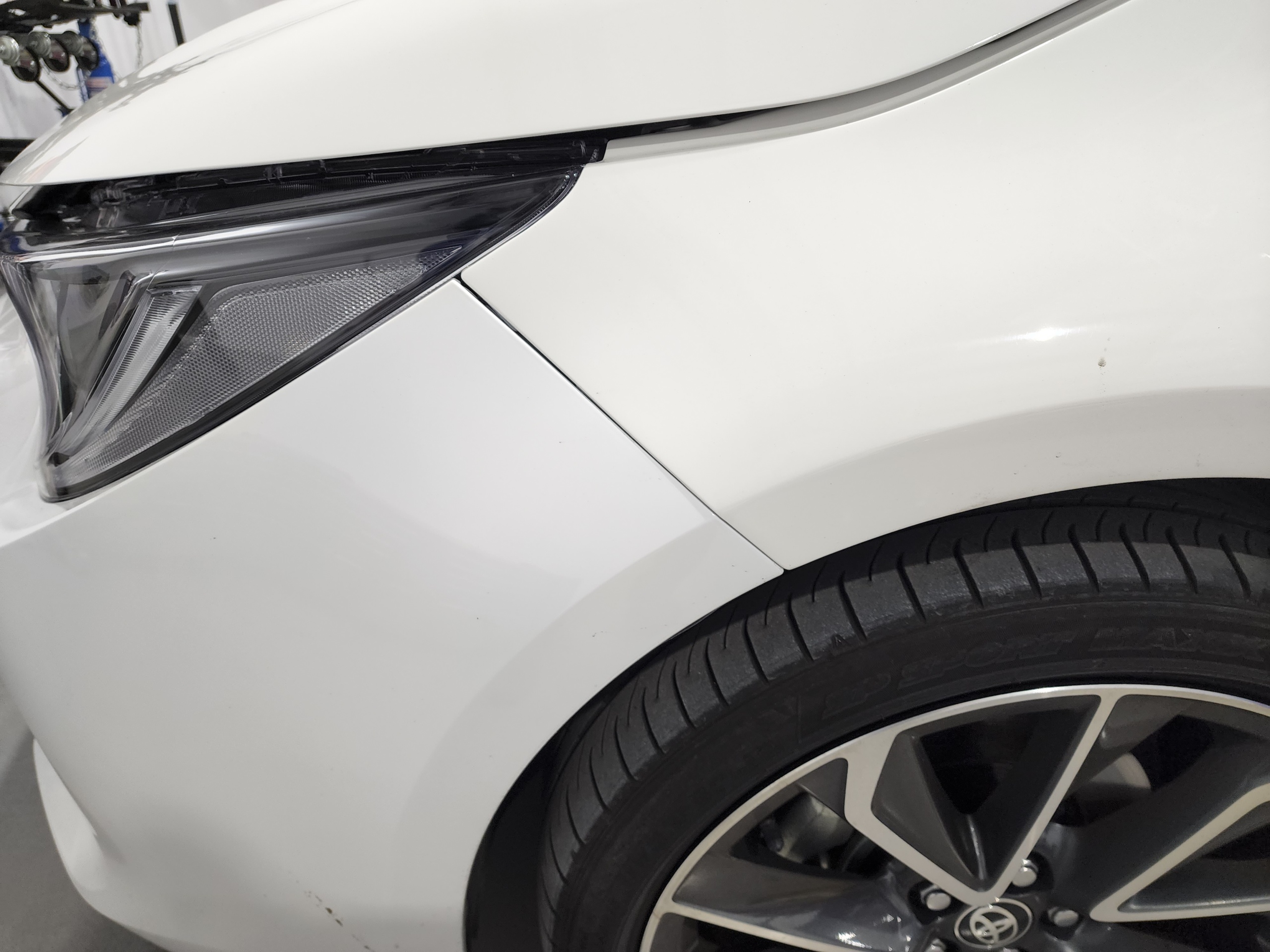
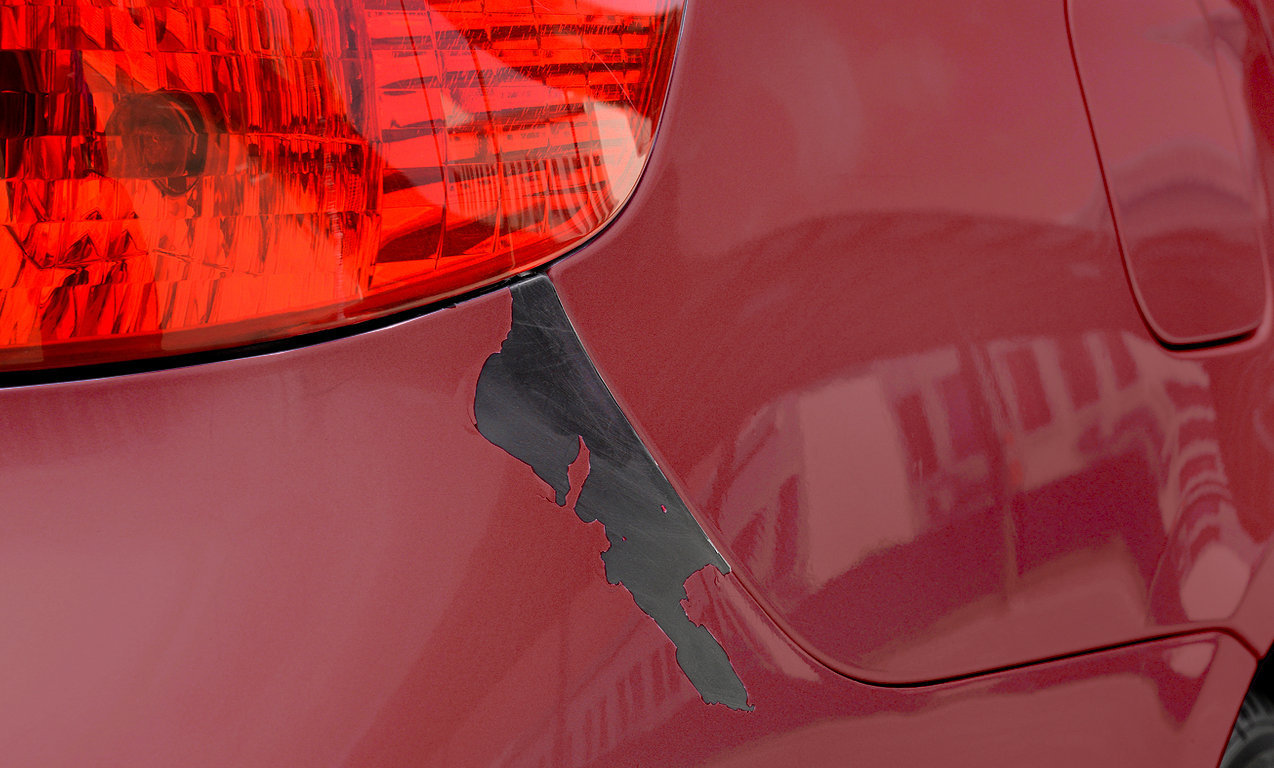
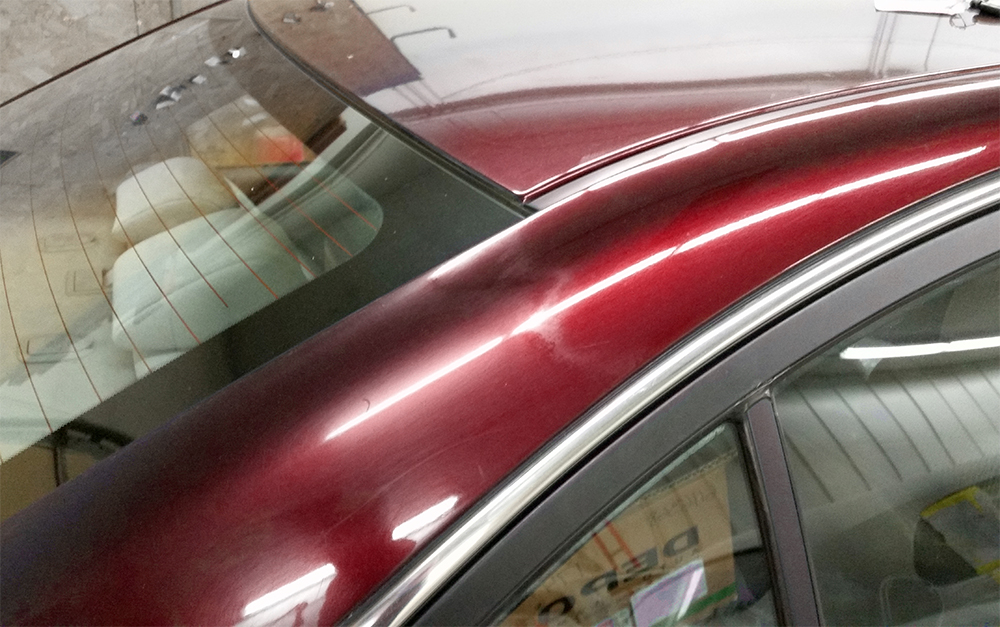
Minor cosmetic repairs can yield significant returns on investment when preparing for a car valuation. Small dents, scratches, and paint chips may seem insignificant individually, but collectively they create an impression of neglect that can substantially lower your car’s value. Professional paintless dent removal services can address small dents without requiring expensive repainting, while touch-up paint can effectively conceal minor scratches and chips.
Windscreen damage requires particular attention, as even small chips can expand into larger cracks over time. Many insurance policies cover windscreen repairs at no excess cost, making this an easy fix before valuation. Addressing scuffed wheels, damaged trim pieces, and cracked light covers also contributes to a positive overall impression. Remember that assessors evaluate the entire vehicle’s condition, so attending to these details demonstrates comprehensive care.
Documentation and Service History
Complete documentation is a powerful tool for achieving a higher car valuation. A comprehensive service history with all maintenance records demonstrates that the vehicle has been properly cared for throughout its life. Collect and organise all service booklets, receipts, and documentation from repairs or modifications. This paperwork provides concrete evidence of your vehicle’s maintenance history and helps justify a higher valuation.
Beyond routine service records, documentation of any upgrades, modifications, or replacement parts adds further value. Factory-approved modifications or genuine parts replacements should be highlighted, as these maintain manufacturer specifications and warranty conditions. If your car has received any recent major component replacements such as a new timing belt, transmission service, or brake system overhaul, these represent significant value that should be documented and presented during valuation.
Addressing Mechanical Issues
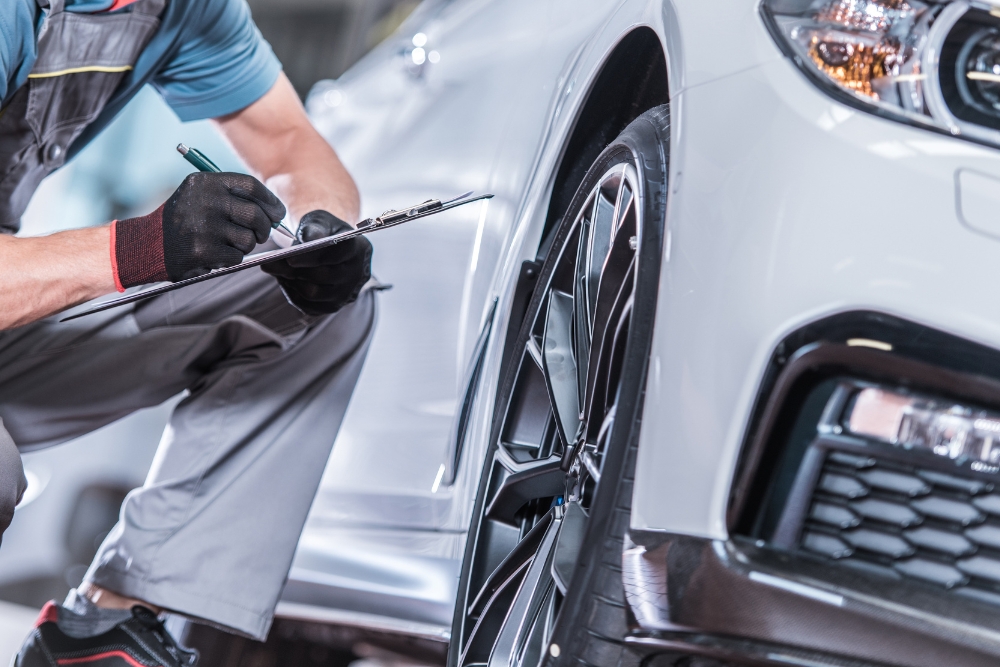
Mechanical problems can significantly diminish your car’s value, often by an amount far exceeding the cost of repairs. Before seeking a valuation, have your vehicle inspected by a qualified mechanic who can identify any underlying issues. Addressing problems with the engine, transmission, suspension, or braking systems is essential for maintaining value and preventing assessors from flagging these as reasons to reduce their offer.
Pay particular attention to unusual noises, vibrations, or warning lights, as these are immediate red flags to assessors. Fluid leaks should be repaired, and all fluids (oil, coolant, brake fluid, transmission fluid) should be at proper levels and in good condition. Ensure the battery is in good working order and all electrical systems function correctly. Air conditioning effectiveness is also scrutinised during valuations, especially in the Australian climate, so confirm it’s operating efficiently.
The vehicle’s suspension and steering components should be checked for wear and proper alignment. Uneven tyre wear often indicates alignment or suspension issues that require attention. Addressing these mechanical concerns not only improves the valuation but also demonstrates to assessors that the vehicle has been properly maintained and is ready for reliable service to its next owner.
Important Considerations Before Valuation Day
Timing your valuation strategically can impact the result. In Australia, the market for used cars fluctuates seasonally, with convertibles often valued higher in spring and summer, while 4WDs may command better prices heading into winter. Similarly, fuel-efficient vehicles tend to increase in value when fuel prices rise. Consider these market factors when scheduling your valuation for optimal results.
The location and setting of your valuation also matter. If possible, arrange for the assessment to take place in daylight hours on a clear day, allowing the assessor to see the vehicle in optimal conditions. Choose a clean, uncluttered environment that showcases the vehicle positively. Remove personal items and ensure the car is presented in a way that helps assessors envision its potential for the next owner.
Professional Assessment Preparation
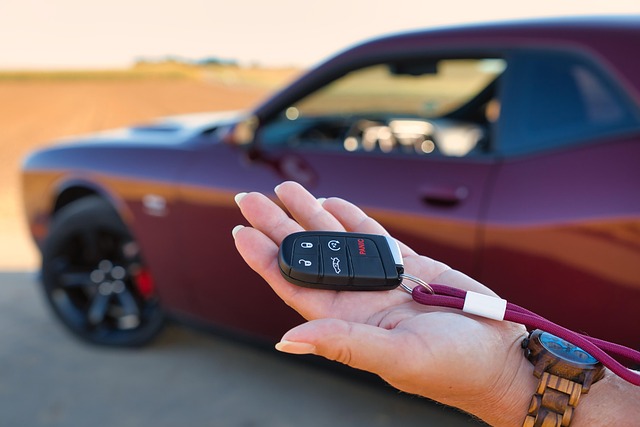
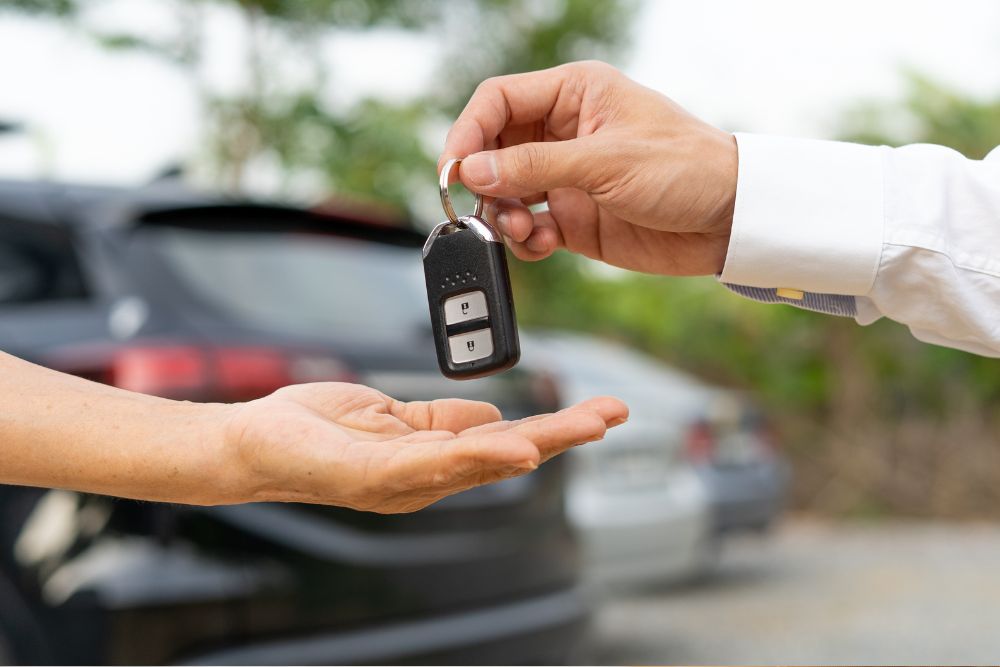
When preparing specifically for a professional assessment, gather all relevant documentation beforehand. This includes not only service records but also the vehicle’s registration papers, owner’s manual, and any warranty information. Have multiple copies of keys available, as this demonstrates organisation and completeness. Prepare a list of all features, particularly those that were optional extras when the car was new, as these can add significant value that might otherwise be overlooked.
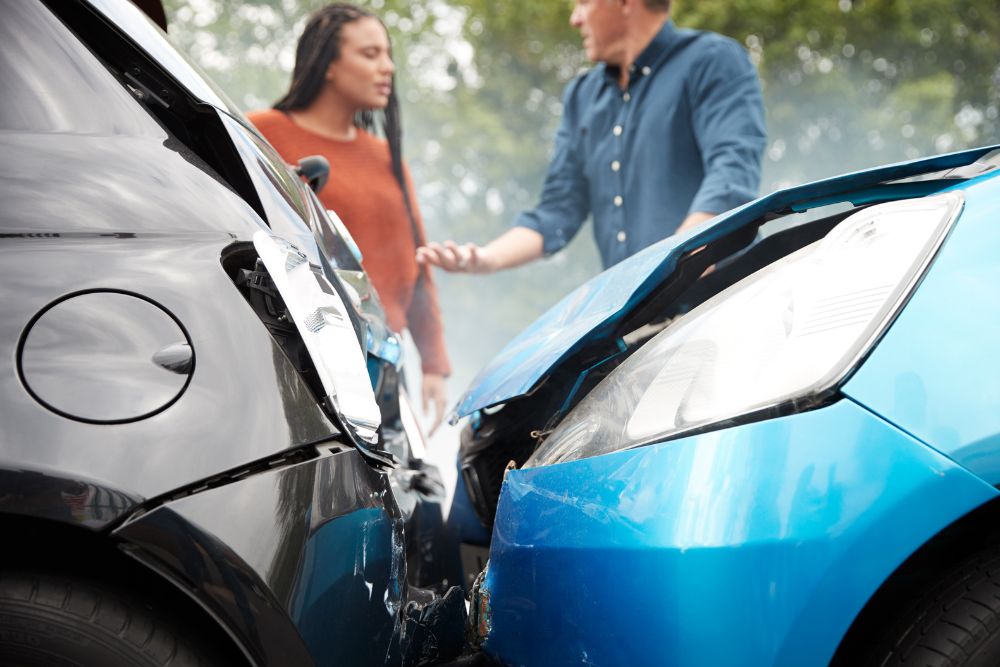
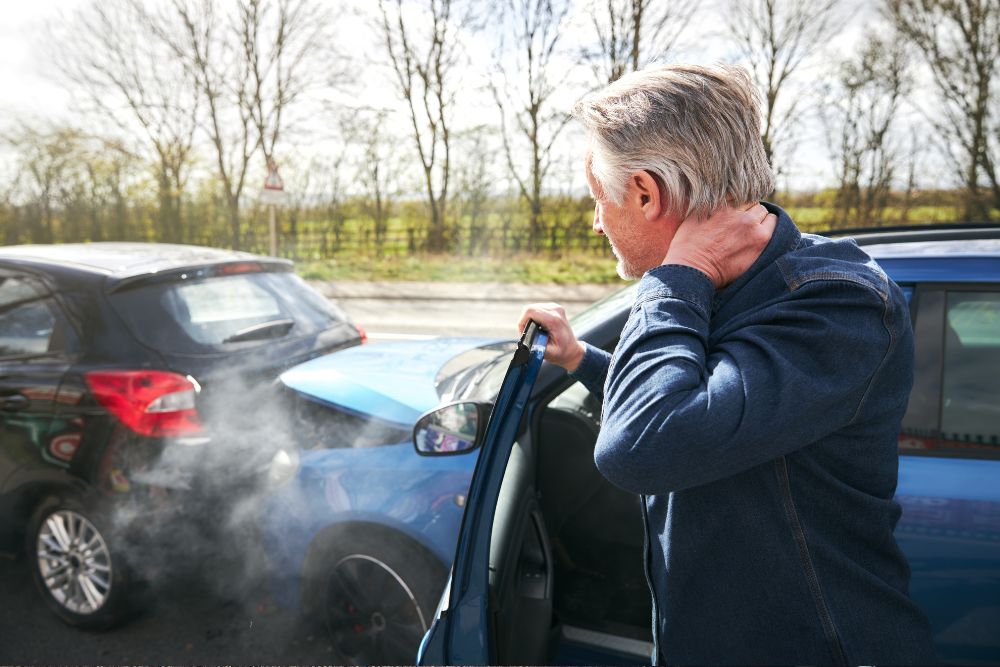
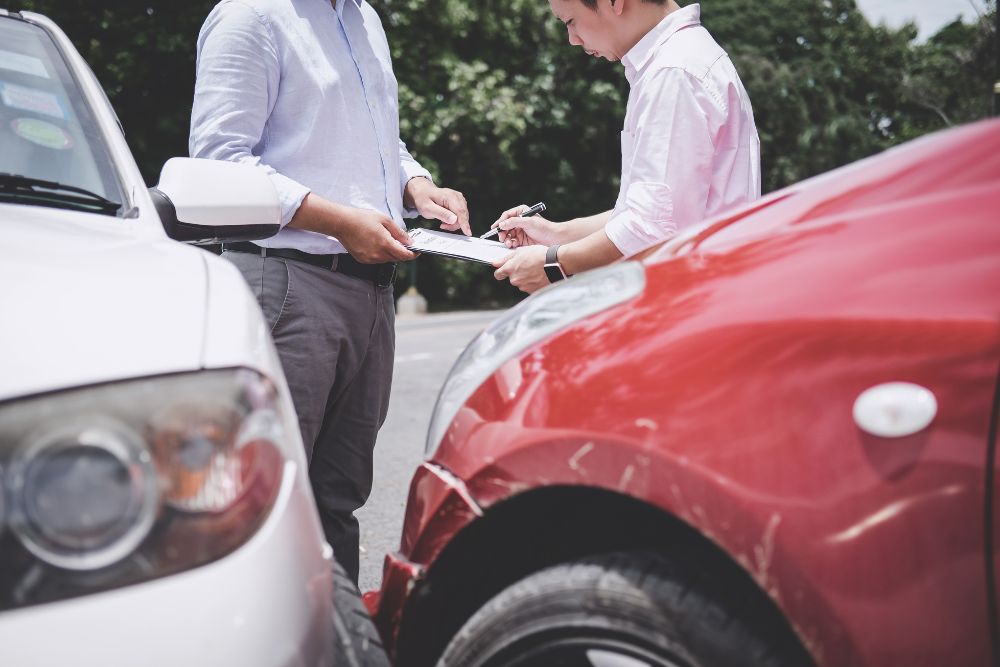
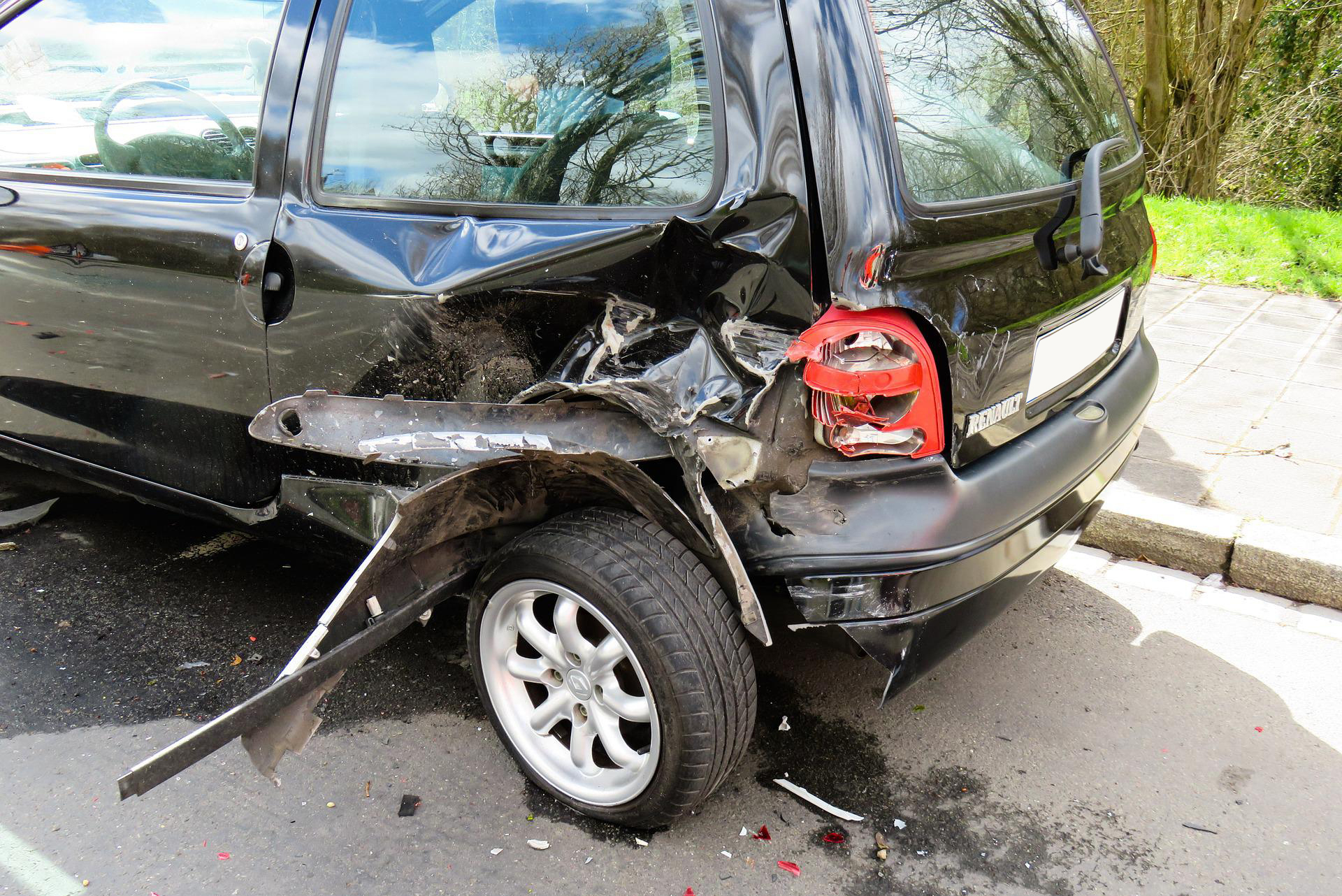
Be prepared to discuss the vehicle’s history honestly, including any accidents or significant repairs. Professional assessors are trained to identify signs of previous damage, and transparency builds trust in your representations about the vehicle’s condition. If your car has been in an accident but was properly repaired by qualified professionals, provide documentation of the repairs rather than attempting to conceal this history.
The Impact of Modifications on Valuation
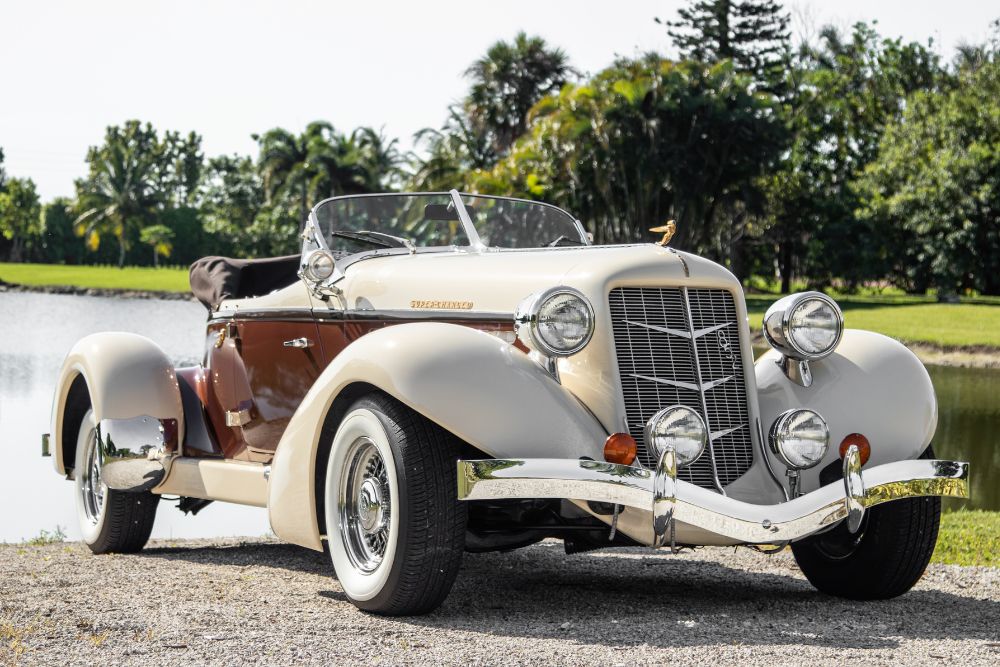
Modifications can either enhance or diminish a car’s value, depending on their nature and quality. Factory-approved accessories and modifications generally add value, while unprofessional or unusual customisations may detract from it. Performance upgrades from respected manufacturers, professionally installed by certified mechanics, can increase value for certain buyers, particularly for sports or luxury vehicles.
Aesthetic modifications like aftermarket wheels, body kits, or custom paint jobs have more subjective value and may limit your potential buyer pool. If possible, retain original parts that were replaced during modifications, as returning the vehicle to stock condition may be preferable for valuation purposes. Always disclose modifications to assessors, explaining the quality of components used and professional installation to support their value contribution.
In the Australian market, modifications must comply with state-specific regulations to avoid negatively impacting valuation. Modifications that affect roadworthiness or insurance coverage, such as extreme lowering or engine modifications without proper engineering certificates, can significantly reduce value. Ensure all modifications are properly documented and approved where required by state regulations.
The Valuation Process Explained
Understanding how professional assessors evaluate vehicles helps you prepare more effectively. Professional car assessors use a systematic approach that considers market value, vehicle condition, and documentation. They typically begin with a market analysis based on the make, model, year, and features, then adjust this baseline according to the specific vehicle’s condition, mileage, and history.
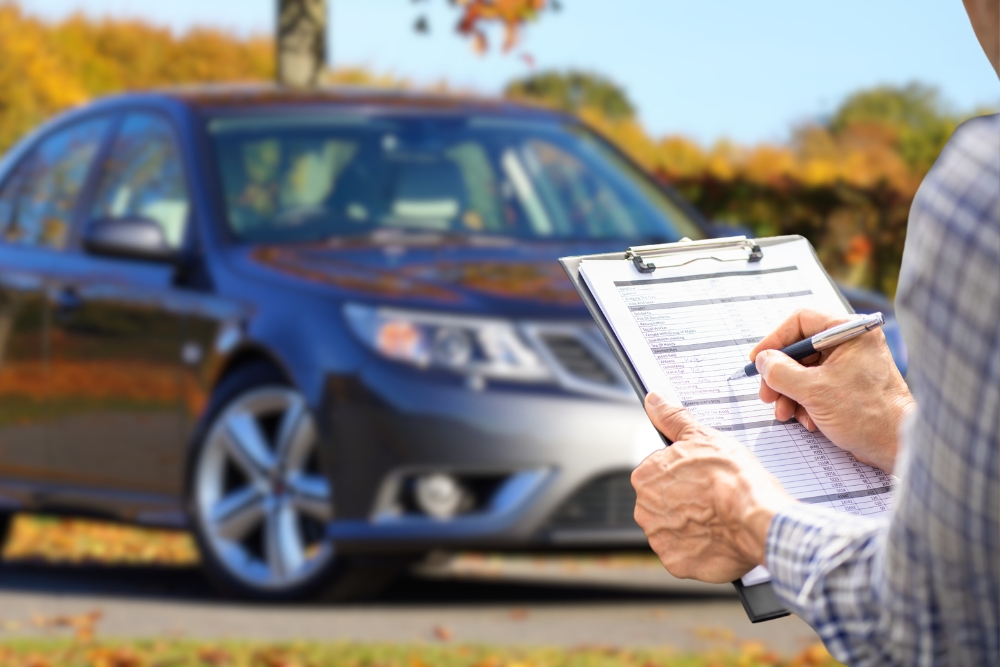
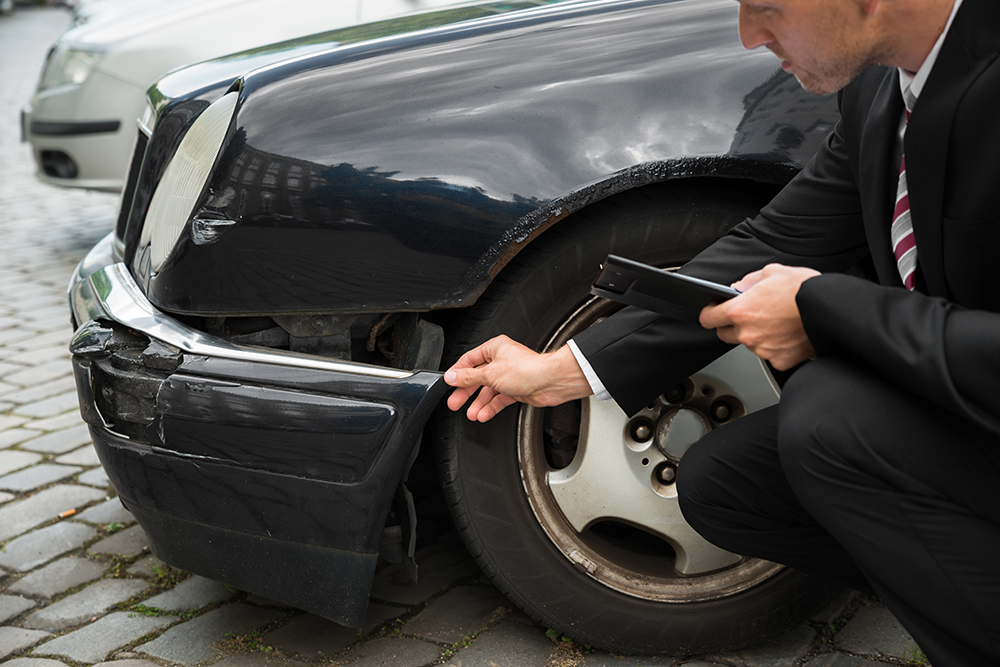
Assessors examine exterior panels for damage, rust, or repairs, and evaluate paint condition and consistency. They inspect the interior for wear, damage, and functionality of all features. A thorough assessment includes checking the engine, transmission, and other mechanical components. Many assessors also use electronic diagnostic tools to identify any stored fault codes or potential issues not immediately apparent.
Negotiating Your Car’s Value
Armed with thorough preparation and documentation, you’re in a stronger position to negotiate your car’s value. Research comparable vehicles in the Australian market to establish a reasonable valuation range before meeting with assessors. Websites that track used car values in Australia can provide valuable benchmarks. Understanding market trends for your specific make and model demonstrates knowledge and preparation that assessors respect.
During valuation discussions, highlight your vehicle’s strengths and the care you’ve taken in maintenance. Point out recent repairs, replacements, or services that add value. If you’ve addressed all or most of the common issues known to affect your specific make and model, emphasise this proactive maintenance. Be prepared to substantiate your valuation expectations with documentation and market research rather than emotional arguments.
Need Expert Car Valuation Assistance?
Preparing your car for valuation requires attention to detail, documentation, and strategic improvements that highlight its best features while addressing potential concerns. By following these guidelines, you can significantly increase your vehicle’s assessed value and achieve better car valuation results for selling privately, trading in, or making an insurance claim.
As independent car assessors in Australia, National Assessing & Engineering can provide professional, unbiased valuations that accurately reflect your vehicle’s true worth in the current market. Our experienced team understands the nuances of vehicle assessment and can help ensure you receive fair value for your car. Contact our team today by calling 1800 844 999 for expert assistance with your car valuation needs.