
When shopping for a second-hand car in Australia, one of the biggest concerns for buyers is ensuring they’re getting good value for their money. The used car market can be a minefield of overpriced vehicles, with sellers sometimes inflating prices well beyond a vehicle’s actual worth. Understanding how to identify an overvalued car can save you thousands of dollars and prevent buyer’s remorse down the track. This article will guide you through the key indicators of an overpriced used car and provide practical strategies to ensure you pay a fair price.
Key Indicators of an Overvalued Second-Hand Car
Comparing Market Values
The first step in identifying an overvalued car is to research the market thoroughly. In Australia, resources like RedBook, Glass’s Guide, and Carsales offer comprehensive price guides that show what similar vehicles are selling for. When examining these resources, look for cars of the same make, model, year, trim level, and with similar kilometres on the odometer. A significant discrepancy between the asking price and the average market value is an immediate red flag that the car might be overvalued.
It’s also worth checking multiple online marketplaces such as Carsales, Gumtree, and Facebook Marketplace to compare prices across different platforms. Sometimes sellers on private platforms might be asking for more than dealerships or vice versa. Having this broader perspective gives you better negotiating power and helps you recognise when a price is unreasonably high for the Australian market.
Unrealistic Depreciation Calculation
Understanding how vehicles depreciate is crucial when assessing value. Most new cars lose 15-35% of their value in the first year and up to 50% by the third year. If a seller is asking for a price that doesn’t reflect this natural depreciation curve, they may be overvaluing the vehicle. Calculate what percentage of the original price is being asked and compare it to typical depreciation rates for that specific make and model in Australia.
Luxury vehicles and certain European brands often depreciate faster than Japanese or Korean cars, while popular Australian models like the Toyota HiLux or Ford Ranger might retain their value better due to high demand. Being aware of these brand-specific depreciation patterns can help you spot when a seller’s asking price defies logical depreciation expectations.
Condition vs Price Mismatch
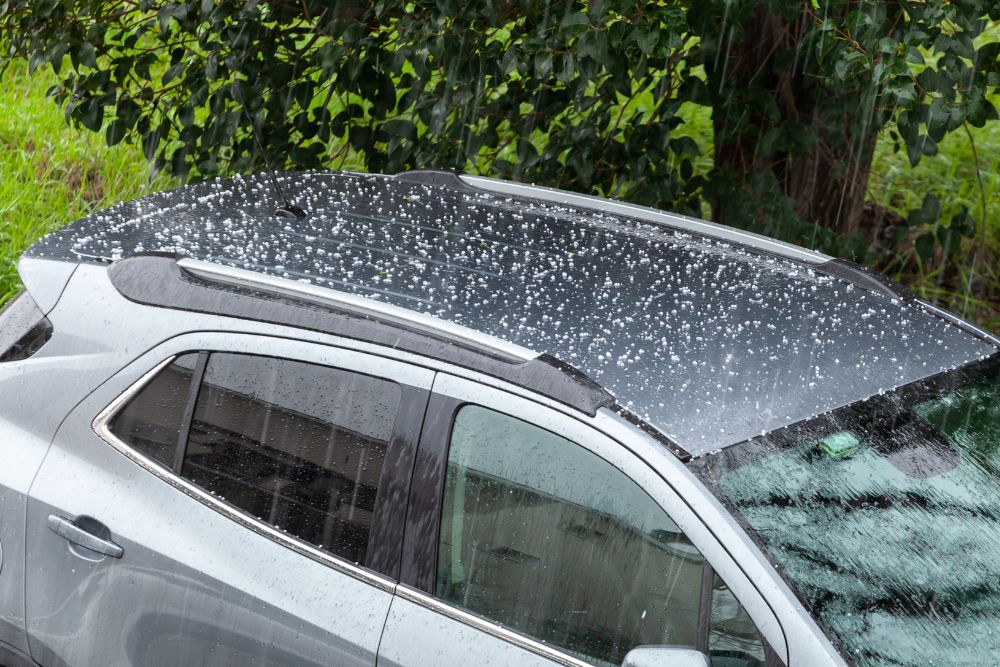
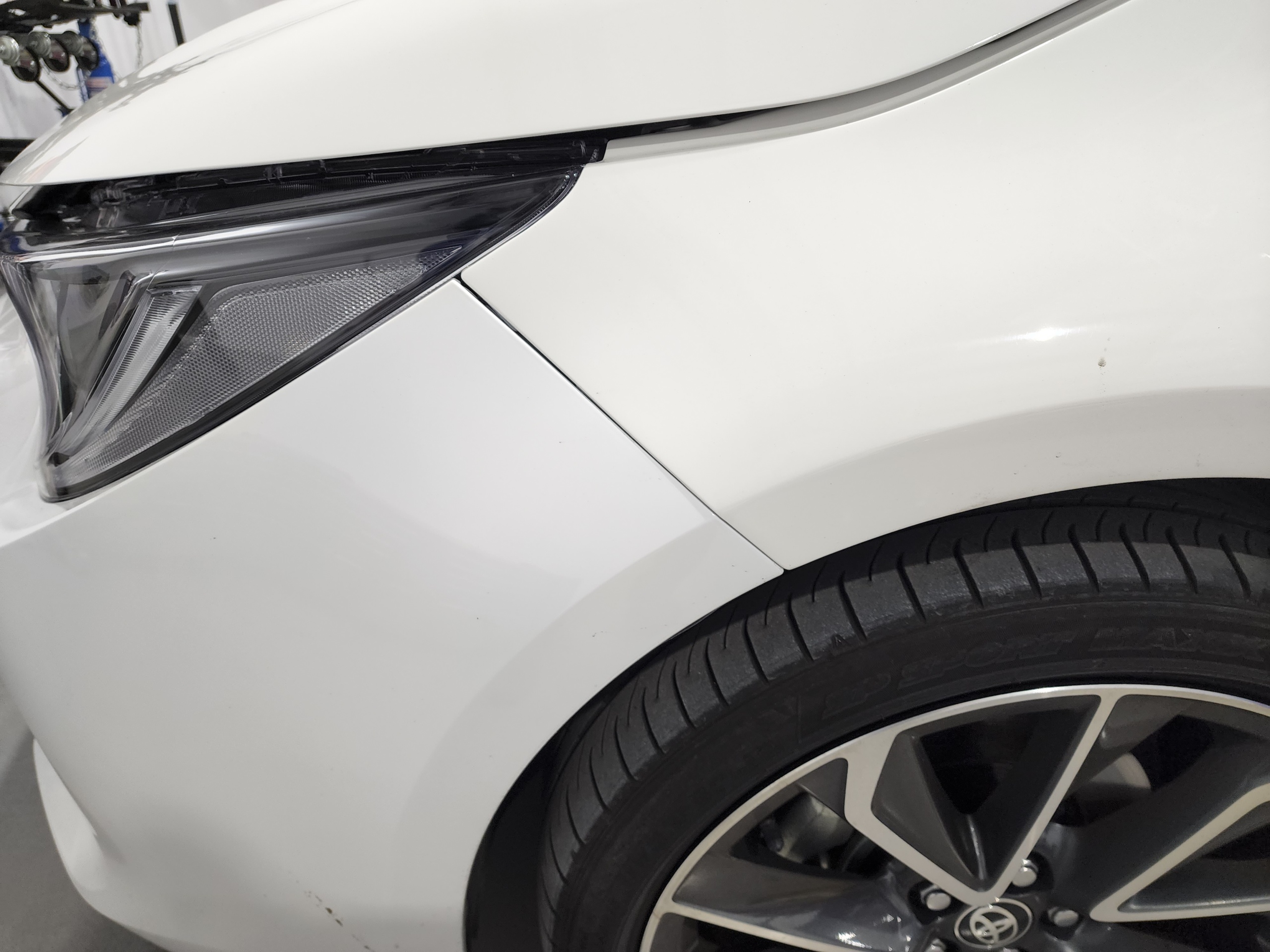
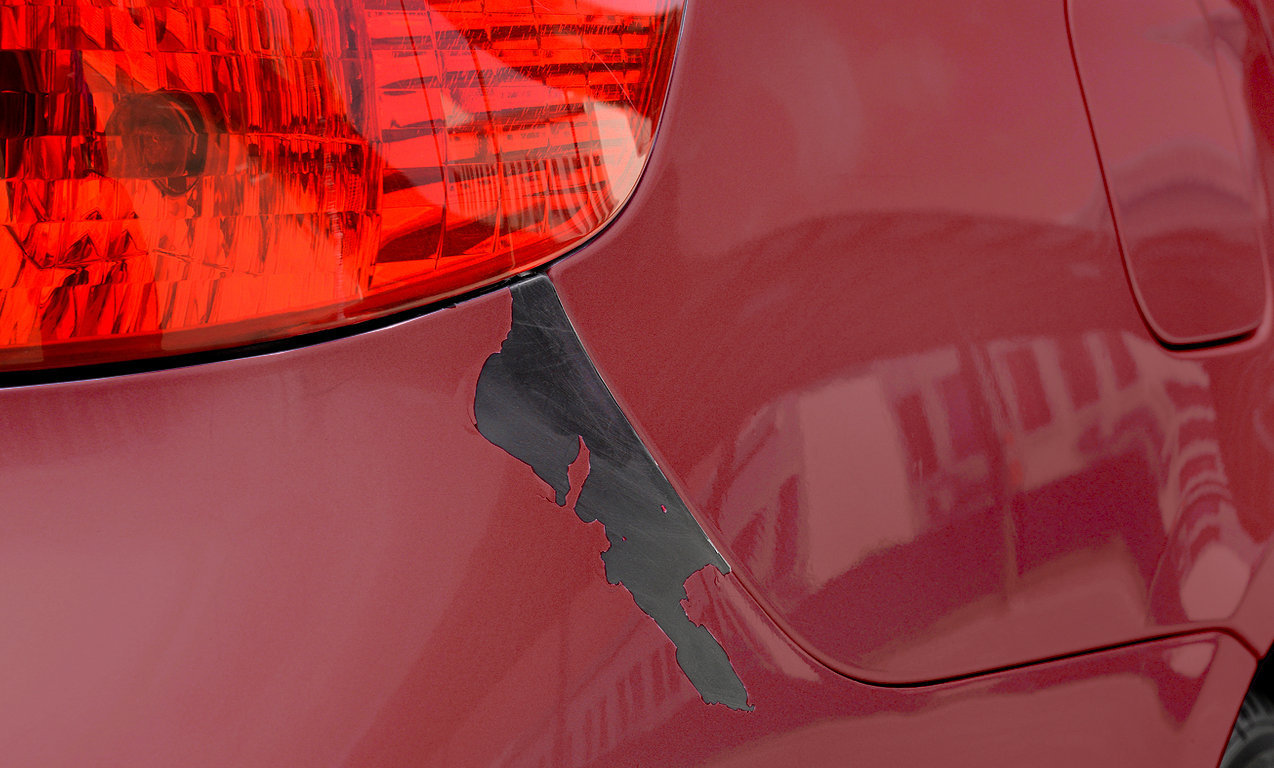
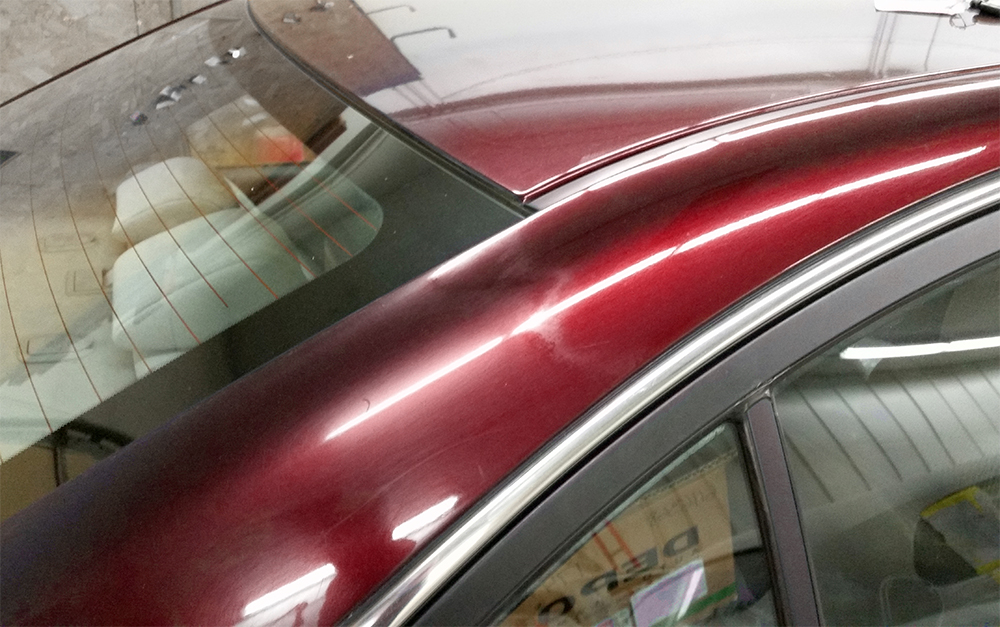
A car’s physical condition should be directly reflected in its price. Scratches, dents, worn upholstery, mechanical issues, or outdated features should all reduce a vehicle’s value. If a seller is asking top dollar for a car with obvious wear and tear or needed repairs, the vehicle is likely overvalued. Be particularly wary of cosmetic enhancements that might be hiding more serious issues – a fresh coat of paint or new seat covers could be concealing rust or interior damage.
Australian-specific concerns like sun damage to paint and interiors are particularly relevant. Our harsh climate can accelerate wear on vehicles, especially those parked outdoors in coastal or northern regions. Check for faded paint, cracked dashboards, and deteriorated rubber seals – all signs that a car has endured tough Australian conditions and should be priced accordingly.
Service History Gaps
A comprehensive service history is valuable and justifies a higher price tag, while gaps in maintenance records should lead to a lower car valuation. If a seller is asking premium prices for a poorly maintained vehicle, it’s definitely overvalued. Request complete service records and check that maintenance has been performed at the recommended intervals, preferably by authorised dealers or reputable mechanics.
In Australia, a logbook-serviced vehicle typically commands a price premium of 5-10% over an identical car without service records. However, if the seller is asking for a 20% premium based on claimed regular servicing but can’t provide documentation, this suggests overvaluation. Also check that the servicing complies with Australian standards and that any manufacturer recalls have been addressed.
Additional Factors That Indicate Overvaluation
Modification Value Misconceptions
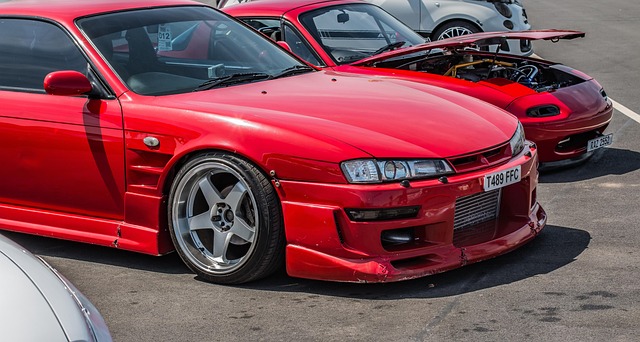
One common issue in the Australian used car market is sellers who believe aftermarket modifications significantly increase a car’s value. While some quality modifications might add modest value, most actually decrease a car’s worth or add no value at all. Be particularly cautious of sellers asking premium prices based on expensive sound systems, non-standard wheels, or performance modifications that may compromise reliability or even roadworthiness.
In Australia, modifications must comply with state-specific regulations, and non-compliant modifications can render a vehicle unregisterable or require costly reversals. If a seller has factored the full cost of modifications into the asking price, the car is almost certainly overvalued. As a rule of thumb, most modifications return only 25-50% of their installation cost in the vehicle’s resale value, with many adding zero value.
Overemphasis on Low Kilometres
While low kilometres can justify a higher price, some sellers place excessive emphasis on this single factor. A 10-year-old car with low kilometres might still have issues related to age rather than use, such as perished rubber components, deteriorated electronics, or outdated safety features. If a seller is charging near-new prices for an older vehicle based solely on low odometer readings, the car may be overvalued.
For Australian conditions, consider that a typical vehicle travels 12,000-15,000 kilometres annually. A car significantly below this average might have spent long periods sitting unused, which can cause different types of wear than regular use. Conversely, a car with slightly above-average kilometres that has been well-maintained on highways might be in better condition than a low-kilometre car used primarily for short trips in stop-start city traffic.
Unrealistic Premium for Rare Models
Certain limited-edition models or cars with rare options can command premium prices, but this premium should still fall within reasonable market parameters. If a seller is asking an extraordinary price based on claims of rarity without substantiating evidence, be sceptical. Research how many examples of that specific model were sold in Australia and what genuine collectors or enthusiasts typically pay.
In the Australian market, truly collectible vehicles typically have documented provenance, original condition, and recognised historical significance. A regular production car with an unusual colour combination or optional extra isn’t necessarily “rare” in a valuable sense. Be particularly wary of imported models where the seller claims the car is “rare in Australia” – this often doesn’t translate to higher value unless it’s a genuinely desirable specification.
Practical Strategies to Avoid Purchasing Overvalued Cars
Getting an Independent Valuation
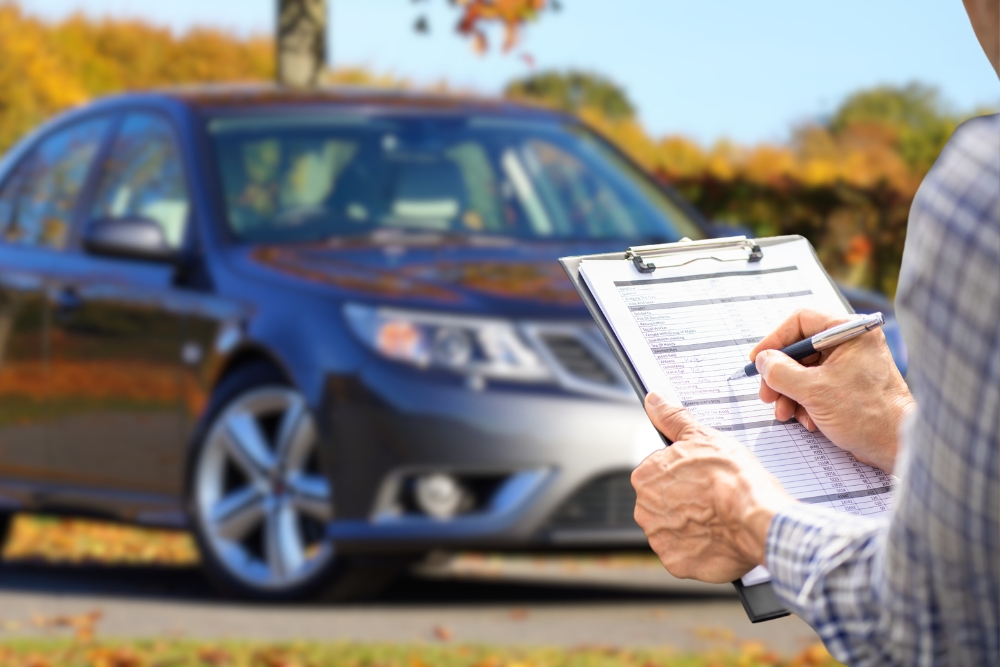
Perhaps the most reliable way to determine if a car is overvalued is to get an independent assessment from a qualified professional. In Australia, organisations like National Assessing & Engineering offer comprehensive vehicle pre-purchase inspections and valuations that consider all relevant factors affecting a vehicle’s worth. An independent assessor has no vested interest in the sale and can provide an objective opinion on whether the asking price is fair.
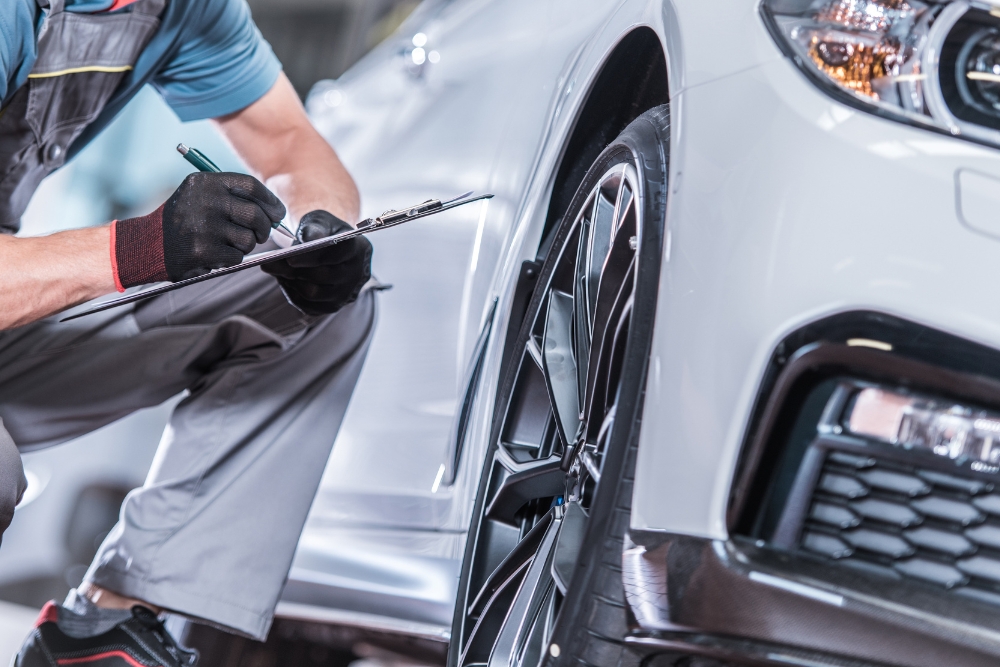
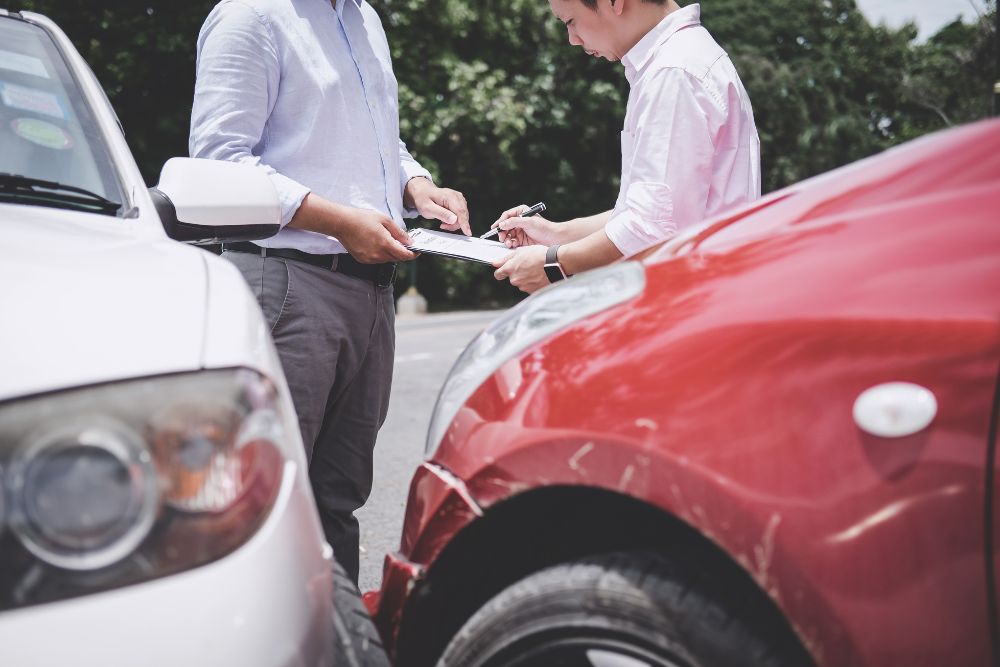
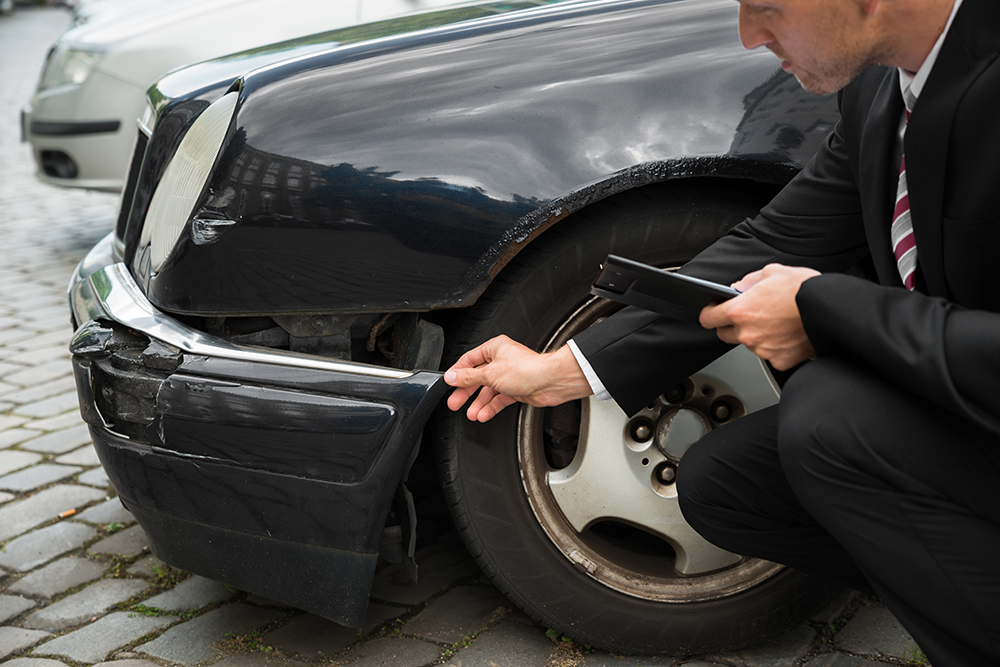
Professional assessors evaluate not just the visible condition but also test mechanical components, electronic systems, and check for signs of previous accidents or repairs that might not be obvious to the untrained eye. The cost of a professional inspection (typically $200-500) is insignificant compared to the thousands you might save by avoiding an overvalued vehicle or identifying hidden issues that would require expensive repairs.
Checking Vehicle History Reports
In Australia, several services provide detailed vehicle history reports based on the VIN (Vehicle Identification Number) or registration details. Services like PPSR (Personal Property Securities Register), CarHistory, and Revs Check can reveal important information including whether the car has been written off, has money owing on it, or has been reported stolen. A vehicle with a problematic history should be priced lower than one with a clean record.
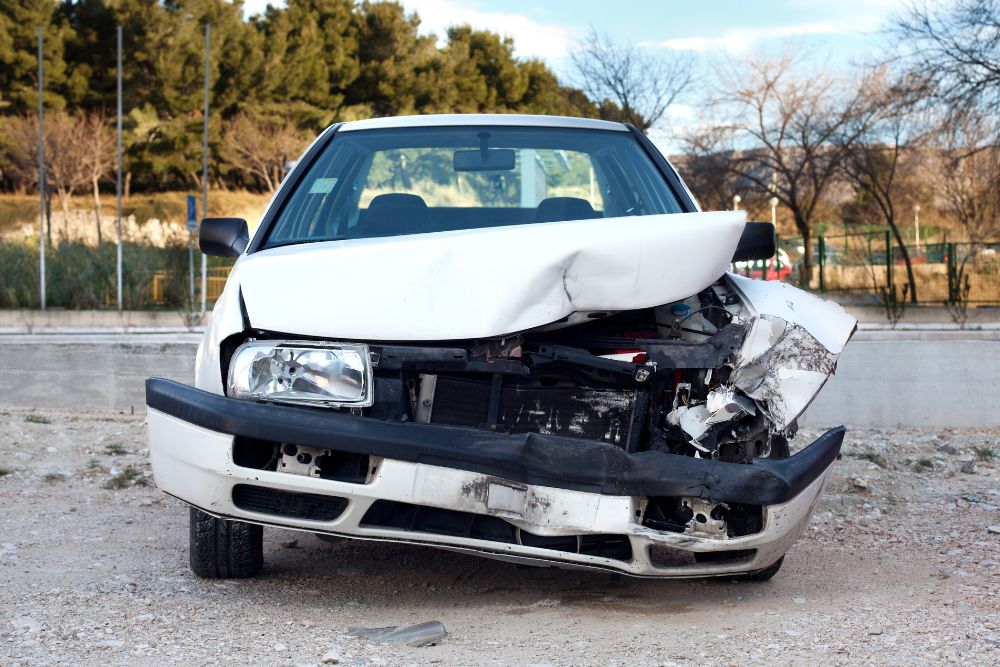
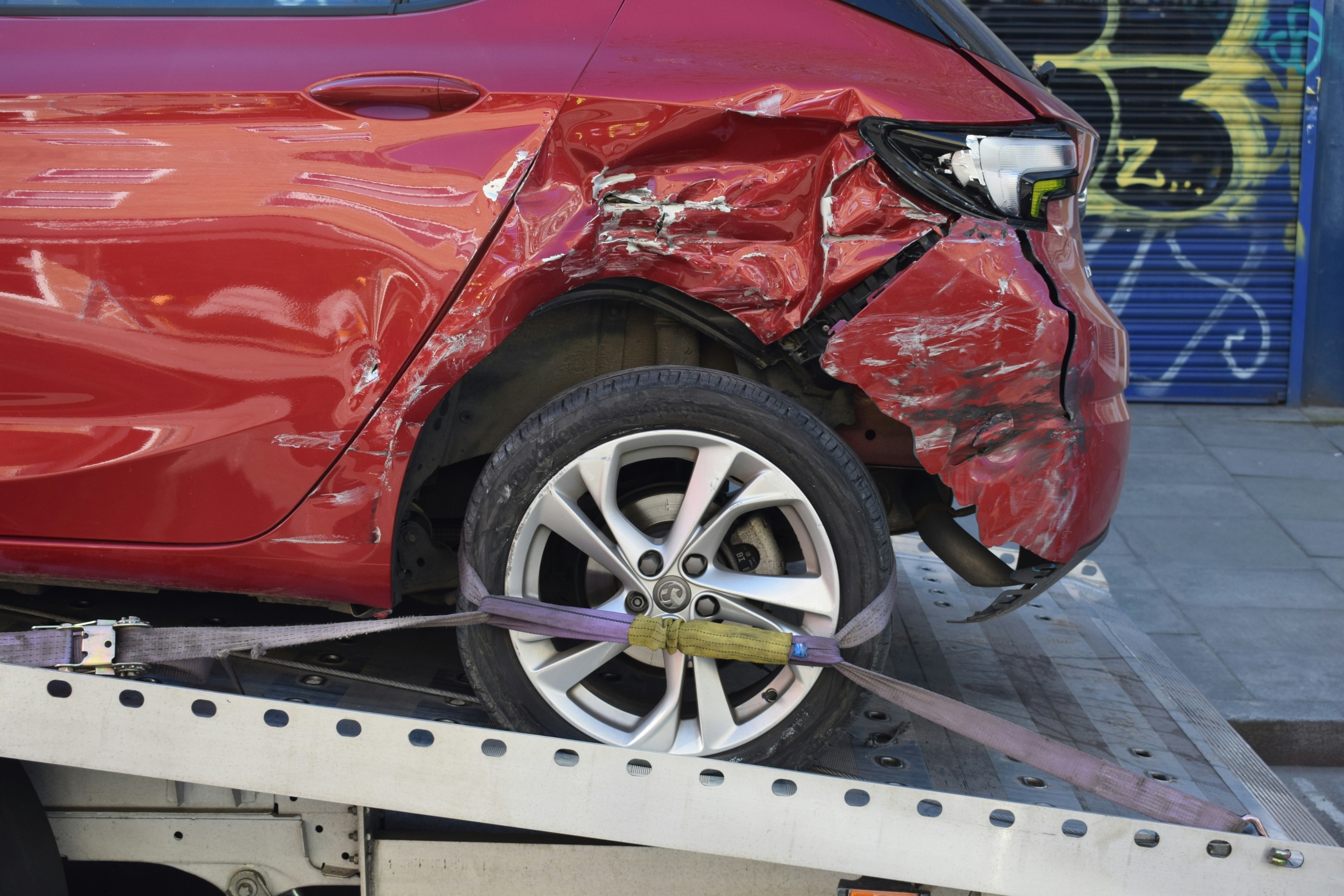
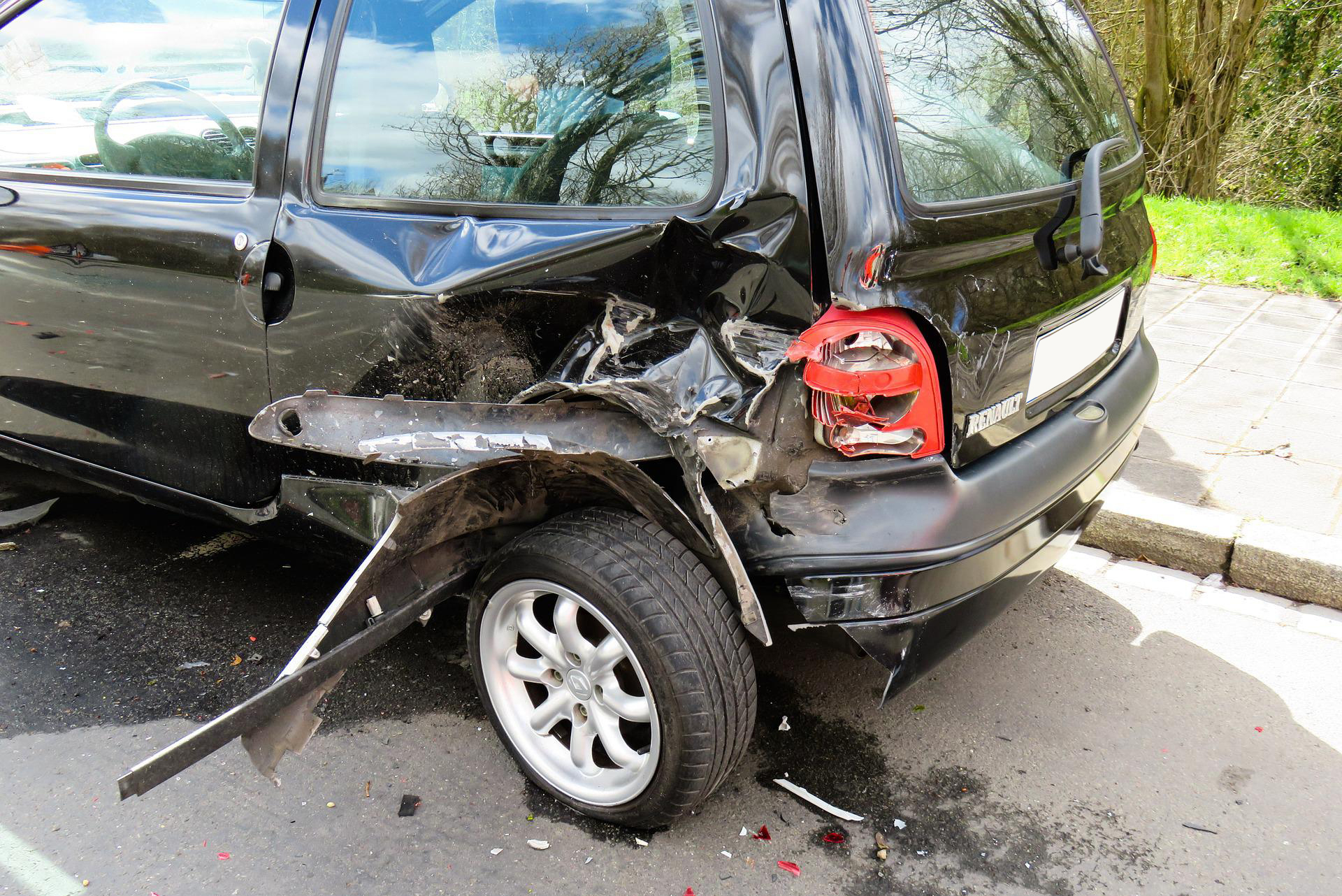
If a seller is asking top dollar for a car that has a recorded incident in its history, this is a clear sign of overvaluation. Even minor accident history typically reduces a vehicle’s value by 10-20%, while major structural repairs or previous write-offs can decrease value by 30-50% or more, regardless of how well the repairs were performed.
Understanding Regional Price Variations
Car prices can vary significantly between different Australian regions. For example, 4WDs and utes often command higher prices in rural areas, while small cars might be more expensive in urban centres. Understanding these regional variations helps identify when a car is genuinely overpriced for its location. A vehicle being sold in Sydney should be compared to similar cars in the Sydney market, not to those in Perth or Darwin.
Similarly, seasonal factors affect pricing in Australia – convertibles typically command higher prices in spring and summer, while 4WDs might be more expensive heading into winter. A seller asking peak-season prices during off-peak periods is likely overvaluing their vehicle. Being aware of these timing factors can help you recognise inflated prices and negotiate more effectively.
Need Help Assessing a Second-Hand Car’s True Value?
Identifying an overvalued second-hand car requires research, attention to detail, and sometimes expert assistance. By comparing market values, understanding depreciation, assessing condition, and verifying service history, you can make an informed decision and avoid paying too much.
As independent car assessors in Australia, National Assessing & Engineering can help you determine the true value of any second-hand vehicle you’re considering. Our experienced team provides comprehensive pre-purchase inspections and valuations to ensure you’re making a sound investment. Contact our team today by calling 1800 844 999 to protect yourself from overvalued vehicles in the Australian used car market.