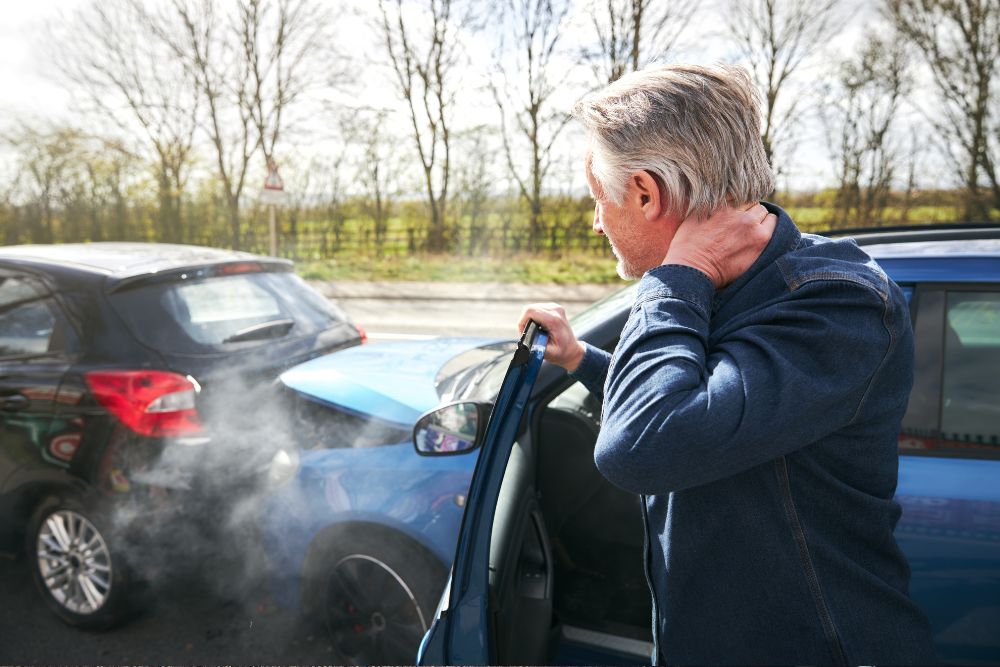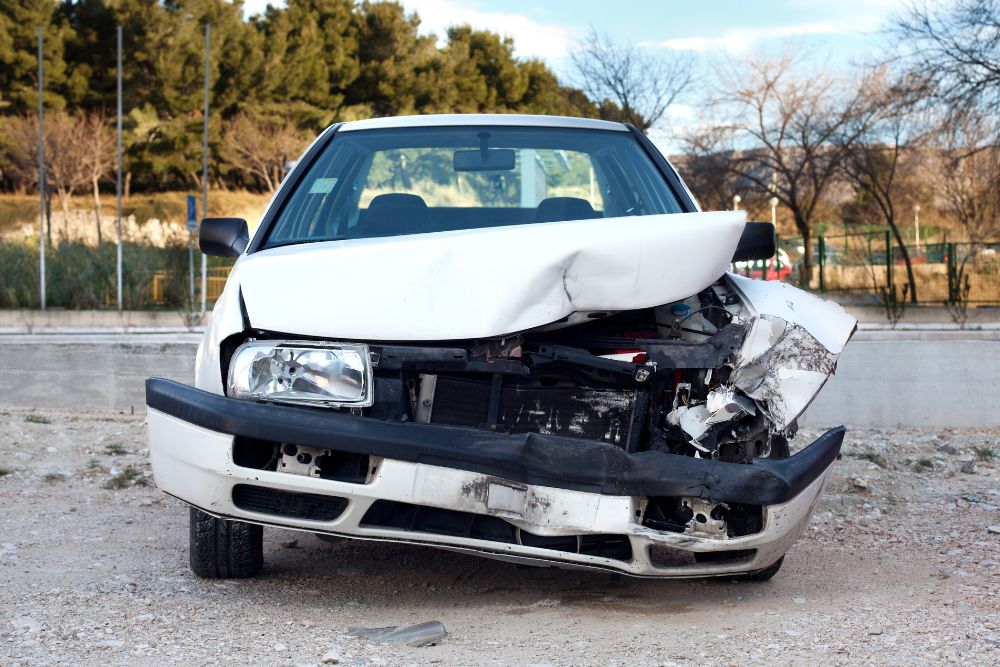
If you find yourself in a situation where your seatbelt won’t release after an accident, it’s important to stay calm and understand that there are effective methods to unlock it.
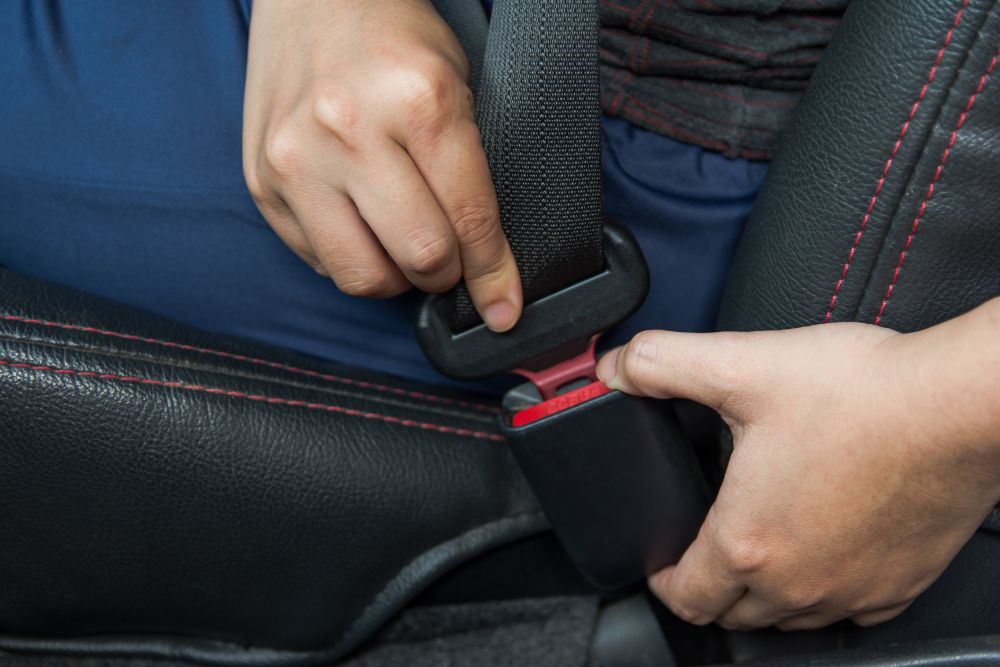
Begin by applying steady pressure to the release button while pulling on the strap. This often solves simple jams caused by the locking mechanism activating during a crash.
If this doesn’t work, you might need to use more detailed techniques, which involve checking for obstructions or damage.
Knowing these methods can significantly improve your safety and allow a quick exit from the vehicle.
Continue reading to learn more about releasing your seatbelt after a crash.
Why Seatbelts Get Locked During Accidents
Seatbelts have locking systems that activate during a crash to keep you safe by limiting your movement. When the car suddenly slows down, this triggers the emergency locking retractor (ELR), which greatly increases the friction within the seatbelt system, securely holding you in place.
However, if your seatbelt stays locked after an accident, this might be due to mechanical faults or debris stuck in the belt housing. This ongoing locking could suggest internal damage, indicating that you should get a professional evaluation.
Understanding these mechanisms and their potential problems is vital. Knowing the common causes of seatbelt lock can help you address these issues more effectively, ensuring that the safety system remains operational and reliable in protecting you and your passengers.
Seatbelt Unlocking Techniques
If you’re having trouble with a stuck seatbelt after an accident, first try gently pulling on the strap while pressing the release button. This action can ease tension and might free the locking mechanism.
Then, use the tug-and-release method: pull slowly and firmly on the seatbelt, then let it go back a bit. This could gradually loosen it.
If you see any visible debris or damage, clean the buckle with soapy water to remove dirt that may be causing the jam.
If these steps don’t fix the problem, check the retractor. Carefully remove its cover and use needle-nose pliers to clear any debris or tangles.
If the damage looks serious, it’s best to get help from a professional.
Professional Assistance Considerations
If your seatbelt won’t unlock after an accident, despite trying several times with the methods above, it’s wise to seek professional help.
Attempting to force the seatbelt could cause more damage. If you hear unusual noises or feel resistance, these could indicate a mechanical issue that needs to be examined.
When a seatbelt refuses to unlock, it’s likely that it will need replacement with a new unit.
Consulting a professional ensures that all parts and safety sensors are working properly and adheres to safety regulations.
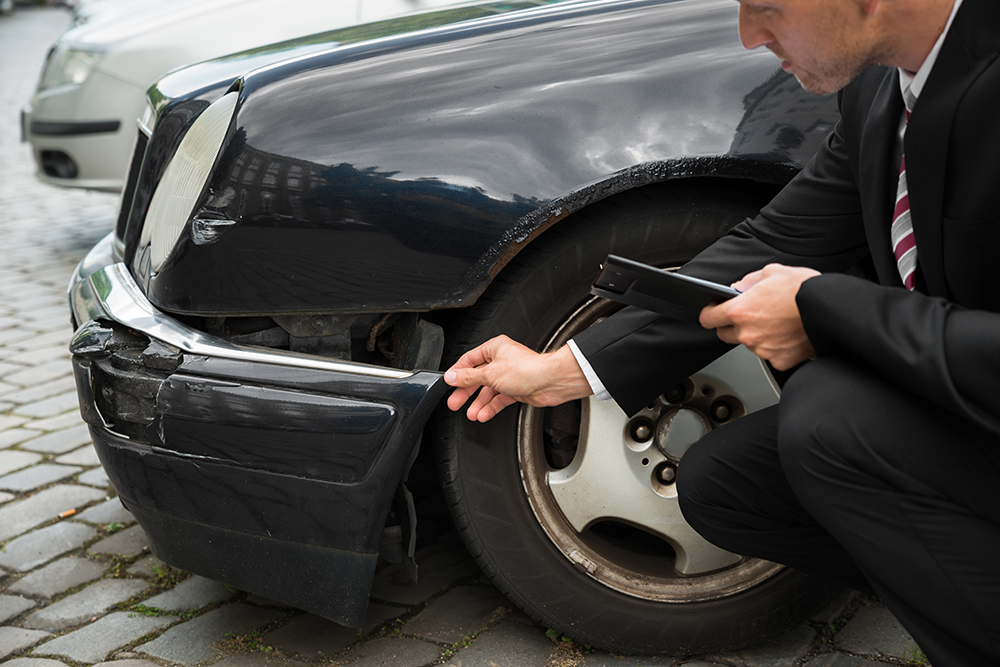
Additionally, many insurance policies cover the cost of replacing seatbelts, so it’s important to record everything for your claim.
Maintenance and Safety Checks
Regular maintenance checks are essential to ensure your seatbelt works correctly and stays safe to use. You should often check your seatbelts for any frays, cuts, or visible damage as these can affect safety. Remember to clean them with soapy water to remove dirt and debris which might cause them to jam or not work properly. This routine can prevent them from locking up.
Additionally, make it a routine to test the retraction and locking mechanisms regularly. They need to engage properly and provide the correct tension.
Teach everyone in your vehicle about the right way to use seatbelts and make sure they’re installed correctly. Following the manufacturer’s maintenance instructions not only prolongs the life of your seatbelts but also ensures you meet safety standards.
Conclusion
In conclusion, unlocking a seatbelt after an accident is crucial for safety. Start with gentle methods and move to more forceful ones if needed. If you continue to face difficulties, it’s important to get professional help to ensure the seatbelt is working properly. Regular checks and quick action on seatbelt issues are key to your safety. Keep these tips in mind and handle your seatbelt properly to ensure it works well when you need it most.
If your car was recently in an accident, be sure to contact us about a car assessment by calling 1800 844 999.