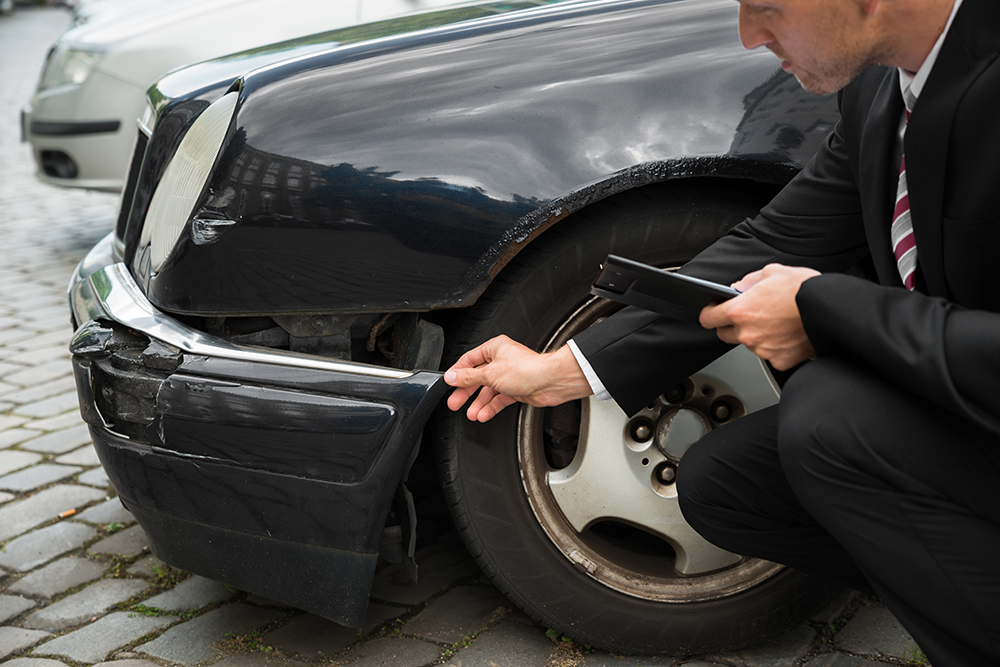

Navigating accident disputes requires understanding the true value of your vehicle and how it affects compensation. This article examines how accurate car valuation plays a crucial role in resolving accident claims in Australia, helping you ensure fair treatment during the often complex settlement process.
How Car Valuation Impacts Accident Dispute Settlements
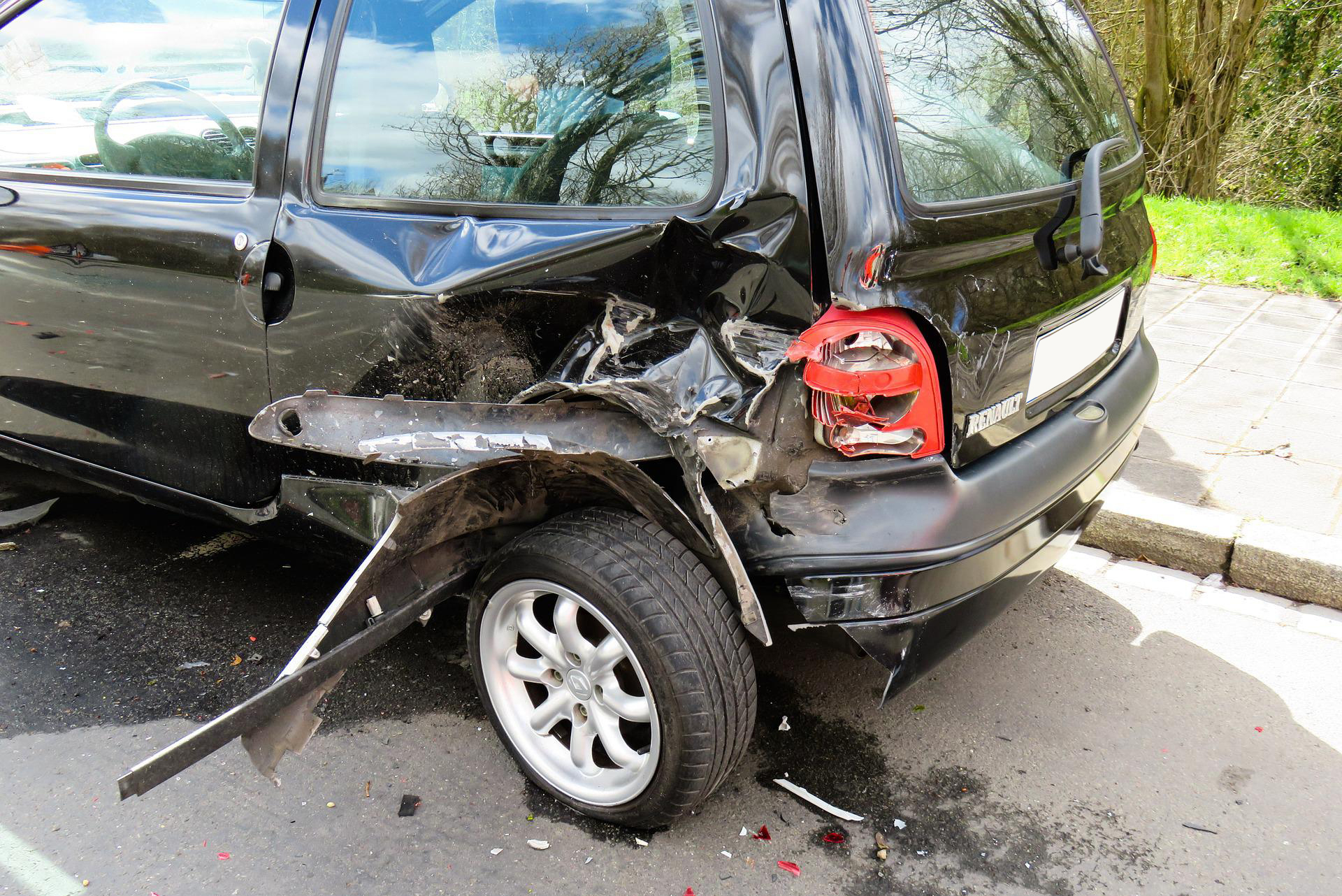
When involved in a car accident, one of the most contentious issues that often arises is determining the accurate value of your vehicle before the accident occurred. Car valuation serves as the foundation for calculating compensation in accident disputes, making it a critical element in the settlement process. Insurance companies utilise this valuation to determine whether your vehicle should be repaired or written off, and if written off, how much you should receive as compensation.
In Australia, insurance companies typically assess a vehicle as a total loss when repair costs exceed the pre-accident value of the vehicle or a certain percentage of that value, often around 70-80%. This threshold varies between insurers and states. For instance, in New South Wales, a vehicle may be deemed a statutory write-off if damage exceeds a specific threshold, while in Victoria, different criteria might apply. Understanding how your vehicle’s value is calculated becomes essential to ensure you receive fair compensation.
The valuation process takes into account numerous factors including the make, model, and year of manufacture, as well as the vehicle’s condition before the accident, its service history, modifications, mileage, and the current market values for similar vehicles. Depreciation also plays a significant role in determining value, as most vehicles lose approximately 15-20% of their value within the first year and continue to depreciate thereafter. Without proper valuation, you might receive a settlement offer that significantly undervalues your vehicle, potentially leaving you financially disadvantaged.
Common Methods Used for Car Valuation in Accident Claims
Market Comparison Method
The market comparison method involves comparing your vehicle with similar ones currently for sale in the Australian market. Assessors look at comparable vehicles of the same make, model, year, condition, and with similar mileage to establish a baseline value. This approach provides a realistic picture of what your car would likely sell for had the accident not occurred.
This method requires comprehensive research across various platforms including online car marketplaces like Carsales, Autotrader, and Drive, as well as dealer listings across Australia. Professional assessors have access to databases that track recent sales of similar vehicles, providing accurate benchmarks. For instance, if you owned a 2018 Toyota Corolla with 50,000 kilometres, the assessor would identify recently sold or currently listed vehicles with similar specifications to determine a fair market value.
Redbook and Glass’s Guide Valuations
In Australia, industry-standard guides like Redbook and Glass’s Guide serve as authoritative references for vehicle valuations. These guides provide standardised valuations based on extensive market data, offering a structured approach to determining a vehicle’s worth. Insurance companies frequently consult these guides during the claims process.
These valuation guides categorise vehicles based on their condition—from poor to excellent—and provide corresponding value ranges. They also account for regional variations across Australian states and territories, recognising that the same vehicle might command different prices in Sydney compared to Perth or Adelaide. These guides are regularly updated to reflect current market conditions, ensuring valuations remain relevant despite market fluctuations. While useful, these guides should be considered as one component of a comprehensive valuation rather than the sole determinant.
Professional Independent Assessment
Professional independent vehicle valuations offer the most comprehensive and unbiased approach to vehicle valuation. Independent car assessors examine your vehicle thoroughly, documenting its pre-accident condition, features, modifications, and maintenance history to establish an accurate valuation that stands up to scrutiny.
These assessments typically involve a physical inspection when possible, detailed photographic documentation, analysis of service records, and evaluation of any aftermarket modifications or accessories that might affect the vehicle’s value. An independent assessor can identify unique aspects of your vehicle that might be overlooked in standardised valuations, such as rare optional extras or particularly good maintenance. This personalised approach often results in more accurate valuations than automated systems or insurance company assessments, which may follow more generalised guidelines designed to minimise payouts.
Challenges in Car Valuation During Accident Disputes
Disputes Over Pre-Accident Condition
One of the most common challenges in car valuation disputes arises when there’s disagreement about the vehicle’s condition before the accident. Insurance companies might claim that certain damage existed prior to the accident or that the vehicle was in poorer condition than the owner maintains, which can significantly affect the valuation.
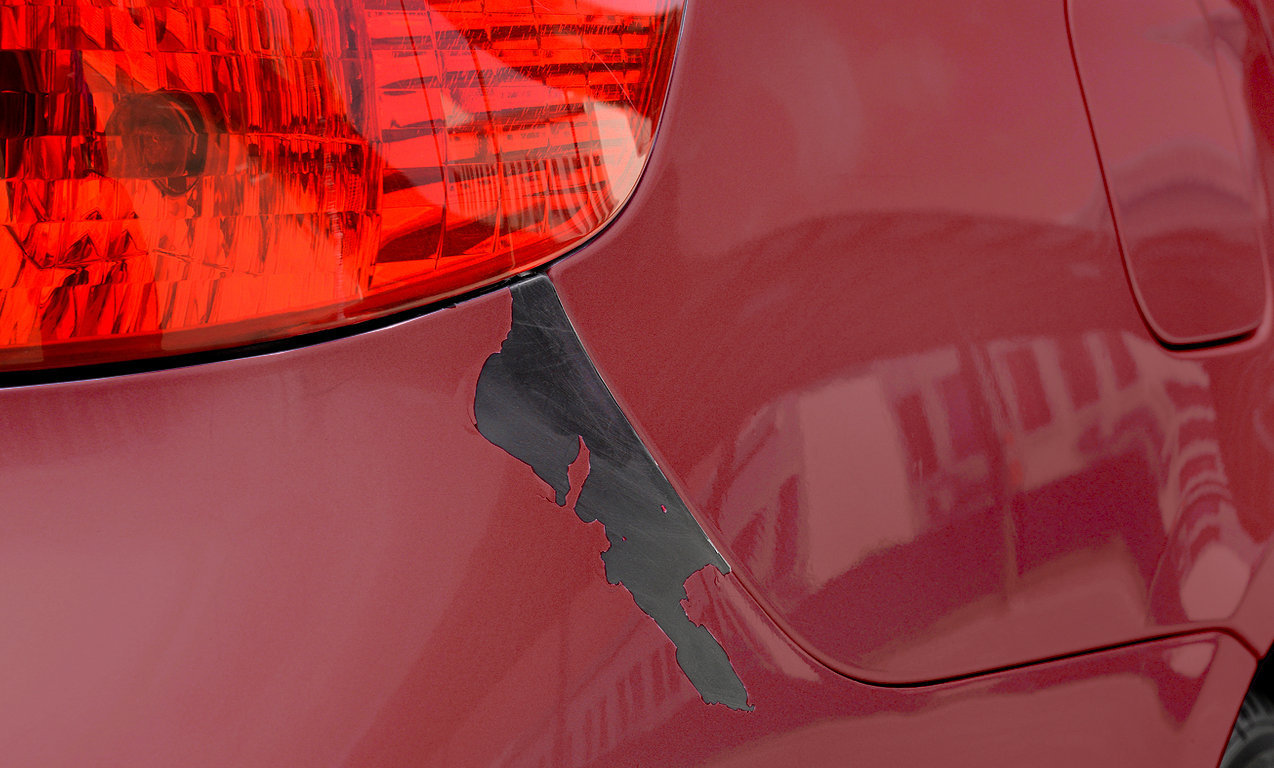
These disputes can be particularly problematic when there’s limited documentation of the vehicle’s pre-accident condition. Without recent photographs or service records, it becomes difficult to prove the vehicle’s actual state before the incident. In some cases, insurers might identify wear and tear issues such as previous minor dents, paint scratches, or mechanical problems and use these to justify a lower valuation. This highlights the importance of maintaining thorough documentation of your vehicle’s condition through regular service records, photographs, and even independent assessments before any accident occurs.
Disagreements Over Market Value
Another significant challenge involves differences in opinion about what constitutes a fair market value for your vehicle. Insurance companies often rely on their own databases and valuation methods, which might not fully capture the specifics of your particular vehicle or local market conditions across Australia.
These disagreements can be particularly pronounced for less common vehicles, modified cars, classic vehicles, or those with unique features. For example, a limited-edition model might command a premium in the marketplace that isn’t reflected in standard valuation guides. Similarly, vehicles that are especially popular in certain Australian regions (such as four-wheel-drives in remote areas) might have higher local values than national averages suggest. Insurance companies might use nationwide averages that don’t account for these regional variations, potentially undervaluing vehicles that command premium prices in specific markets.
Valuation of Modifications and Accessories
Modified vehicles present particular challenges during the valuation process. Aftermarket modifications and accessories can significantly affect a vehicle’s value, but insurance companies often struggle to appropriately value these additions.
While some modifications increase a vehicle’s value—such as premium sound systems, professional suspension upgrades, or quality bull bars for outback driving—others might not add proportionate value or could even decrease it if they’re considered non-standard or affect the vehicle’s reliability. Insurance policies typically require modifications to be declared, and failure to do so can complicate claims. Additionally, even when modifications have been declared, disputes often arise regarding their value contribution to the overall vehicle. Many insurers use depreciated values for accessories rather than replacement costs, which can significantly impact the final settlement figure. This becomes particularly relevant for vehicles with extensive modifications popular in Australia, such as four-wheel-drives equipped for outback travel or performance vehicles with significant aftermarket enhancements.
The Role of Independent Assessors in Car Valuation
Impartiality in Assessment
Independent car assessors serve a crucial function in the accident claims process by providing unbiased, third-party evaluations free from the potential conflicts of interest that might affect insurance company assessments. This impartiality ensures that the valuation reflects the vehicle’s true worth rather than serving an insurer’s financial interests.
Independent assessors work for neither the insurance company nor the repairer, allowing them to focus exclusively on determining accurate valuations based on market realities and the specific vehicle in question. Their assessments typically involve comprehensive inspections that document all relevant aspects of the vehicle’s condition and specifications. For vehicle owners involved in accident disputes, this impartial perspective can be invaluable, particularly when there’s a significant discrepancy between the owner’s expectation and the insurer’s offer. Independent assessments provide objective evidence that can strengthen your negotiating position and potentially lead to fairer settlement outcomes.
Detailed Documentation and Evidence
One of the most valuable services provided by independent assessors is thorough documentation of a vehicle’s condition, features, and market position. This detailed evidence becomes crucial when disputing insurance company valuations or negotiating settlements.
Professional assessors create comprehensive reports that include detailed photographs, condition assessments of all major components, documentation of features and modifications, service history analysis, and market comparisons specific to the Australian market. These reports often identify aspects of value that might be overlooked in more cursory assessments, such as recent major repairs, dealer-installed options, or particularly good maintenance history. When prepared by qualified professionals, these reports carry significant weight in negotiations and can be presented as evidence if the dispute escalates to formal complaints procedures or legal action. The thoroughness of this documentation often proves decisive in resolving valuation disputes favourably.
Expert Negotiation Support
Beyond providing documentation, independent assessors often offer expert support during the negotiation process with insurance companies. Their industry knowledge and experience with similar cases enable them to effectively advocate for fair valuations based on market realities.
Professional assessors understand the methodologies used by insurance companies and can identify when these approaches undervalue a vehicle. They can communicate directly with insurance assessors, speaking the same technical language and challenging inaccurate assumptions or calculations. This expert support proves particularly valuable when dealing with unique or complex valuation scenarios, such as rare vehicles, extensively modified cars, or cases involving unusual circumstances. For many vehicle owners unfamiliar with the technical aspects of valuation or intimidated by the claims process, having an expert advocate can significantly improve settlement outcomes and reduce the stress associated with accident disputes.
Important Considerations for Vehicle Owners
Documentation to Maintain for Accurate Valuation
Proper documentation is essential for supporting accurate vehicle valuation claims. Vehicle owners should maintain comprehensive records throughout their ownership period to strengthen their position in the event of an accident dispute.
Important documents to preserve include the original purchase agreement and invoice, all service records and maintenance receipts, documentation of any modifications or accessories installed (including invoices and installation details), and regular photographs of the vehicle from multiple angles showing its condition. For particularly valuable vehicles, consider obtaining periodic independent valuations even before any accident occurs. Additionally, keep records of any significant repairs or replacements, especially for major components like engines, transmissions, or expensive electronic systems. In the Australian context, where vehicles often face harsh conditions, documentation of protective treatments such as rustproofing, paint protection, or interior treatments can also support higher valuations by demonstrating proactive maintenance.
Understanding Your Insurance Policy Terms
Insurance policies contain specific terms that directly affect how your vehicle will be valued in the event of an accident. Understanding these terms before an incident occurs enables better preparation and more realistic expectations during the claims process.
Carefully review your policy to understand how your insurer defines terms like “market value,” “agreed value,” and “new for old replacement.” Each of these valuation methods will produce different outcomes in the event of a total loss. Pay particular attention to how the policy addresses modifications, accessories, and depreciation. Some policies may have specific exclusions or limitations that affect valuation, such as caps on accessory coverage or depreciation formulas for certain components. Australian policies also vary in how they handle GST in settlements and whether they provide coverage for registration and transfer costs when replacing a vehicle. Understanding these nuances in advance allows you to select appropriate coverage and avoid surprises during the claims process.
Steps to Take Immediately After an Accident
The actions you take immediately following an accident can significantly impact the valuation and claims process. Proper documentation at the accident scene helps establish the extent of damage and supports your claim for fair compensation.
As soon as safety permits, thoroughly photograph all vehicles involved from multiple angles, capturing both the damaged areas and undamaged portions to establish the overall condition. Document the accident scene, including road conditions, traffic signs, and positions of vehicles. Exchange information with other parties involved and collect contact details from any witnesses. Report the accident to police when required under Australian state regulations, and obtain an incident number. Contact your insurance company promptly to initiate the claims process, but avoid making definitive statements about fault or accepting settlement offers before understanding the full value of your vehicle. Consider contacting an independent assessor early in the process, particularly if your vehicle is valuable or has significant modifications that might not be properly valued in standard insurance assessments.
Negotiating a Fair Settlement
Reviewing the Initial Offer
When you receive an initial settlement offer from an insurance company, it’s essential to carefully review it rather than accepting it immediately. Insurance companies often present their first offer as fair and final, but these initial valuations frequently underestimate a vehicle’s true worth.
Begin by comparing the offered amount against independent valuations from sources like Redbook, Glass’s Guide, and comparable vehicles currently for sale in your area. Identify specific discrepancies in how the insurance company has valued your vehicle, paying particular attention to whether they’ve properly accounted for your vehicle’s condition, optional features, recent repairs or maintenance, and any modifications. Check whether the valuation includes applicable taxes and fees that would be incurred when replacing the vehicle. If you believe the offer undervalues your vehicle, prepare specific evidence to support your position. This methodical review process establishes a solid foundation for negotiations and helps you determine whether the offer represents fair market value or requires further discussion.
Presenting Counter-Evidence
When disputing an insurance company’s valuation, presenting specific, well-documented counter-evidence significantly strengthens your negotiating position. The quality and relevance of your evidence directly impacts the likelihood of achieving a more favourable settlement.
Compile a comprehensive dossier that includes independent valuation reports, photographs documenting your vehicle’s pre-accident condition, maintenance records demonstrating proper care, and listings of comparable vehicles currently for sale that support your valuation. For modified vehicles, include receipts for modifications and expert opinions on their contribution to the vehicle’s value. Present this evidence in an organised, professional manner, clearly identifying the specific points of disagreement with the insurer’s valuation. In written communication, maintain a factual, unemotional tone while firmly advocating for fair treatment. This evidence-based approach shifts the discussion from subjective opinions to objective facts, making it more difficult for insurers to dismiss your claim for higher valuation.
When to Seek Additional Professional Help
While many valuation disputes can be resolved through direct negotiation, certain situations warrant bringing in additional professional assistance to strengthen your position and ensure fair treatment.
Consider engaging professional help if the difference between your valuation and the insurer’s offer is substantial (typically more than 10-15% of the vehicle’s value), if your vehicle has significant modifications or is rare/unique, or if negotiations have reached an impasse. Professional support options include independent motor vehicle assessors who can provide detailed valuation reports, insurance claim specialists who understand the intricacies of policy interpretation, and in some cases, legal professionals specialising in insurance disputes. In Australia, you can also consider approaching state-based dispute resolution services or the Australian Financial Complaints Authority (AFCA) if internal resolution processes have been exhausted. The investment in professional assistance often pays for itself by securing a significantly higher settlement that properly reflects your vehicle’s true value.
The Impact of Accurate Valuation on Financial Outcomes
Long-term Financial Implications
The impact of car valuation in accident disputes extends far beyond the immediate settlement, potentially affecting your financial situation for years to come. An inadequate valuation can create lasting financial consequences that many vehicle owners fail to anticipate.
When a vehicle is undervalued in a settlement, the resulting financial gap often forces owners to make difficult choices: taking on additional debt to replace the vehicle with a comparable one, downgrading to a less expensive vehicle with potentially higher maintenance costs or reduced functionality, or depleting savings intended for other purposes. For many Australians, vehicles represent one of their largest assets, particularly in regions with limited public transportation where reliable vehicles are essential for employment and daily life. The financial impact becomes particularly significant for specialised vehicles used for work or adapted for accessibility needs, where replacement costs can be substantially higher than standard market values suggest. Accurate valuation ensures you receive compensation that genuinely enables you to restore your position to what it was before the accident, without hidden financial penalties.
Insurance Premium Considerations
The valuation process in accident claims can have surprising effects on future insurance premiums, creating additional financial implications beyond the immediate settlement. Understanding these connections helps vehicle owners make more informed decisions during the claims process.
Insurance companies maintain detailed claims histories that influence premium calculations for years following an accident. While fighting for fair valuation might seem contrary to keeping premiums low, accepting significantly undervalued settlements can actually lead to long-term premium increases that outweigh any short-term benefits. This occurs because replacement vehicles often cost more to insure than the written-off vehicle would have, especially when owners must finance part of the replacement cost due to inadequate settlements. Additionally, when insuring the replacement vehicle, the valuation established during your claim might influence how future policies are structured. Vehicles determined to have lower market values may receive less comprehensive coverage options, potentially exposing owners to greater financial risk in subsequent accidents. These interconnected factors make accurate valuation an important element of long-term financial planning rather than simply a one-time negotiation.
Need Expert Help With Car Valuation After an Accident?
Accurate car valuation serves as the cornerstone of fair accident dispute resolutions, directly impacting your financial recovery and ability to replace your vehicle without additional hardship. When facing the often complex and adversarial claims process, having professional guidance can make a substantial difference in the outcome.
As independent car assessors in Australia, we at National Assessing & Engineering provide impartial, expert valuation services that ensure your vehicle is accurately assessed following an accident. Our team of qualified professionals understands the Australian vehicle market and can help you navigate insurance negotiations with confidence. Contact our experienced team today by calling 1800 844 999 to arrange an independent assessment and secure the fair settlement you deserve.