
Vehicle accidents can be life-changing events, leaving victims with physical injuries, emotional trauma, and financial burdens. When the Transport Accident Commission (TAC) in Australia rejects a personal injury claim, victims may feel they have no recourse.
However, technological advancements have introduced powerful tools like Crash Data Recovery (CDR) that can provide critical evidence to support personal injury claims. This article explores how CDR technology can prove the extent of injuries based on crash data, potentially turning a rejected TAC claim into an approved one.
How Crash Data Recovery Works in Personal Injury Claims
Crash Data Recovery, also known as Event Data Recording, involves extracting and analysing data from a vehicle’s onboard computers and sensors. Modern vehicles are equipped with sophisticated electronic systems that record a wealth of information during normal operation and particularly during crash events. These systems, originally designed for vehicle safety development and improvement, have become invaluable sources of evidence in personal injury claims.
The data captured by CDR includes crucial parameters such as vehicle speed, brake application, throttle position, steering angle, seatbelt use, airbag deployment, and change in velocity during impact (delta-V). This information is stored in the vehicle’s Event Data Recorder (EDR), which functions similar to an aircraft’s black box. The data remains intact even after severe crashes and can be retrieved by qualified technicians using specialised equipment and software.
When TAC refuses a claim, this objective data can provide indisputable evidence about the circumstances and severity of a collision. Unlike witness statements or physical evidence that may deteriorate over time, CDR data is precise, timestamped, and unaffected by human memory or perception. It offers an unbiased account of the crash dynamics that can be crucial when contesting a rejected claim.
Types of Data Retrieved Through CDR
The information extracted through CDR is comprehensive and can paint a detailed picture of the crash event. Pre-crash data typically includes vehicle speed, engine RPM, throttle position, and brake application in the seconds leading up to impact. This information helps establish driver behaviour and actions immediately before the collision, potentially identifying negligence or appropriate evasive manoeuvres.
Crash data captures the moment of impact, recording deceleration forces, impact direction, delta-V (change in velocity), airbag deployment timing, and seatbelt pretensioner activation. These parameters are particularly valuable for personal injury claims as they directly correlate with the physical forces experienced by vehicle occupants. Medical experts can use this data to validate reported injuries against the known biomechanical forces required to cause such trauma.
Post-crash data may include information about secondary impacts, vehicle orientation, and system status after the collision. This complete timeline of the accident provides context that might otherwise be impossible to establish, especially in complex crash scenarios or when victims have suffered memory loss due to trauma.
Correlating Crash Forces with Injury Patterns
One of the most powerful applications of CDR in personal injury claims is establishing the causal relationship between crash dynamics and specific injuries. Medical literature has extensively documented the correlation between impact forces and injury patterns, providing a scientific basis for injury verification. When TAC questions the authenticity or severity of claimed injuries, CDR data can provide objective validation.
For instance, a high delta-V reading (the change in velocity during impact) is strongly associated with more severe injuries. Medical research has established thresholds at which certain injuries become probable. A rapid deceleration from 60 km/h to 0 in milliseconds generates forces that typically cause whiplash, soft tissue damage, and potentially more serious injuries like spinal trauma or internal bleeding, depending on impact direction and occupant positioning.
Similarly, side-impact collisions recorded in CDR data can substantiate injuries to the side of the body facing the impact. The direction of force application is particularly relevant for injuries such as lateral neck strain, rib fractures, or pelvic injuries. This biomechanical evidence can be crucial when TAC disputes the connection between the accident and specific injury claims.
Challenging TAC Rejections with CDR Evidence
The Transport Accident Commission may reject personal injury claims for various reasons, including insufficient evidence of injury severity, pre-existing conditions, or disputes about the accident circumstances. CDR data provides objective evidence that can directly address these rejection grounds and strengthen an appeal.
When contesting a TAC decision, CDR reports prepared by qualified engineers and accident reconstruction specialists carry significant weight. These reports translate the technical data into clear documentation of the accident dynamics and expected injury outcomes. They connect the dots between the recorded crash forces and the medical diagnosis, establishing a strong causation chain that can be difficult for TAC to dismiss.
In cases where TAC questions whether injuries resulted from the accident or pre-existing conditions, CDR data showing substantial impact forces provides compelling evidence that the trauma occurred during the documented collision. The precise timing and magnitude of forces recorded can demonstrate that the injuries are consistent with the accident rather than prior conditions.
Legal Precedents for CDR Evidence in Australian Claims
Australian courts increasingly recognise the value of CDR evidence in personal injury cases. Several landmark cases have established precedents for the admissibility and weight given to crash data evidence. In these cases, CDR evidence has been instrumental in overturning initial claim rejections or significantly improving settlement amounts.
The reliability of CDR evidence stems from its objective nature and the strict protocols for its collection and analysis. Courts have acknowledged that properly obtained and interpreted crash data provides a more accurate representation of accident dynamics than traditional evidence forms like skid mark analysis or witness testimonies.
Legal precedents have also addressed concerns about data privacy and ownership, establishing that vehicle owners generally have the right to access the crash data from their vehicles. This legal foundation makes CDR evidence increasingly accessible to claimants challenging TAC decisions.
Integrating CDR Evidence with Medical Assessments
For maximum effectiveness in personal injury claims, CDR evidence should be integrated with comprehensive medical assessments. Medical experts can reference the crash data when evaluating injuries, strengthening the causal link between the accident and the claimed injuries. This collaborative approach between engineering and medical professionals creates a compelling narrative supported by both technical and clinical evidence.
Biomechanical experts play a crucial role in this integration, as they specialise in understanding how physical forces affect the human body. These experts can testify that the forces documented in the CDR data would typically produce the specific injury patterns observed in the claimant, creating an evidence-based connection that strengthens the claim’s validity.
When medical reports reference specific crash dynamics from CDR data, such as “the 30G deceleration force recorded in the frontal impact is consistent with the cervical spine injuries diagnosed,” they provide TAC with clear evidence that the injuries were directly caused by the accident in question. This integrated approach significantly improves the chances of claim approval upon review.
Timing and Process for Obtaining CDR Evidence
The process of obtaining CDR evidence should begin as soon as possible after an accident, particularly if there’s a possibility that the TAC might dispute the claim. Modern vehicles store crash data for a limited time or until subsequent events overwrite it, making prompt action essential for preserving this valuable evidence.
The first step involves engaging a qualified CDR technician or accident reconstruction engineer with the proper equipment and certification to download the data. In Australia, this typically requires specialised tools and software approved by vehicle manufacturers. The download process is non-destructive but must follow strict protocols to ensure the data’s integrity and admissibility as evidence.
Once retrieved, the raw data needs expert interpretation to translate technical parameters into meaningful insights about the crash dynamics. This analysis should be performed by professionals with experience in accident reconstruction and biomechanics who can connect the technical data to injury causation—a critical element when challenging TAC rejections.
Overcoming Potential Obstacles to Data Retrieval
Several challenges may arise when attempting to obtain CDR evidence. Vehicle damage can sometimes hinder access to the electronic control modules that store crash data. In severe accidents, the power supply to these modules may be compromised, requiring specialised techniques to retrieve the information. Working with experienced crash data recovery professionals, such as us at National Assessing & Engineering, improves the chances of successful data recovery even in challenging circumstances.
Another potential obstacle is vehicle availability. If the vehicle has been repaired, scrapped, or sold, retrieving the data becomes more difficult or impossible. This underscores the importance of acting quickly to secure this evidence before the vehicle is no longer accessible.
Some vehicle manufacturers use proprietary systems that require specific tools or manufacturer cooperation for data access. In such cases, legal mechanisms may be necessary to compel the release of the information, particularly when the data is crucial for a contested TAC claim. Experienced CDR specialists will be familiar with these manufacturer-specific requirements and can navigate the technical and legal processes required.
Cost Considerations and Return on Investment
The cost of CDR services varies depending on vehicle type, data complexity, and the level of analysis required. Basic data retrieval might cost between $500-$1,500, while comprehensive analysis with expert testimony can range from $2,000-$5,000 or more. However, this investment should be weighed against the potential benefits of a successful TAC claim, which can include compensation for medical expenses, loss of income, and pain and suffering.
For claims involving serious injuries or substantial compensation amounts, the cost of CDR evidence represents a relatively small fraction of the potential settlement. Moreover, the objective nature of this evidence often expedites the claims process, reducing legal costs and bringing faster resolution. Some legal representatives specialising in TAC disputes include CDR evidence as part of their comprehensive case preparation, recognising its value in achieving favourable outcomes.
In many cases, the mere existence of CDR evidence prompts insurance companies to reconsider their position before proceeding to court, as they recognise the strength of objective data evidence compared to subjective assessments. This can lead to more favourable settlement offers even without formal legal proceedings.
Important Considerations When Using CDR for TAC Claims
While CDR evidence can be powerful, several important factors should be considered to maximise its effectiveness in TAC claims. The age and model of the vehicle significantly impact the availability and comprehensiveness of crash data. Newer vehicles typically record more parameters and store data for longer periods, providing richer evidence for claims.
Not all vehicles are equipped with sophisticated EDR systems. While most cars manufactured after 2012 have comprehensive data recording capabilities, older vehicles may have limited or no crash data available. A preliminary assessment by a CDR specialist can determine whether useful data might be retrievable from a specific vehicle.
The quality of interpretation is as important as the data itself. Raw crash data requires expert analysis to translate technical parameters into evidence relevant to injury causation. Working with qualified professionals who can provide clear, authoritative reports and testimony ensures the evidence will be compelling when presented to TAC or in court.
Privacy and Consent Considerations
Access to vehicle crash data raises privacy concerns that must be addressed properly. Generally, the vehicle owner has the primary right to access this data, though legal complexities may arise in rental vehicles, company cars, or when multiple parties are involved in the accident. Obtaining proper consent and following established protocols ensures the evidence remains admissible.
Australian privacy laws apply to vehicle data, and proper documentation of consent and chain of custody is essential when retrieving and using this information. Reputable CDR specialists follow established procedures that protect privacy rights while securing the evidence needed for claims.
Transparency about how the data will be used and who will have access to it builds trust with all parties involved. This ethical approach not only complies with legal requirements but also strengthens the credibility of the evidence when presented to TAC or in legal proceedings.
Limitations of CDR Evidence
While powerful, CDR evidence has certain limitations that should be acknowledged. The data captures vehicle dynamics but doesn’t directly record occupant movements or physiological responses. This gap requires expert interpretation to connect vehicle forces to specific injuries, sometimes necessitating additional biomechanical analysis.
Data corruption or loss can occur in severe crashes, particularly if the vehicle’s electrical system is significantly damaged. In some cases, only partial data may be recoverable, potentially limiting its conclusiveness. Professional assessment early in the claims process can determine whether sufficient data is available to support the case.
Finally, CDR evidence works best as part of a comprehensive claims strategy rather than a standalone solution. Integration with medical documentation, witness statements, and other traditional evidence forms creates the strongest case for TAC reconsideration.
Combining CDR with Other Forms of Evidence
The most effective approach to challenging TAC claim rejections involves combining CDR data with other forms of evidence. This multi-faceted strategy creates a compelling, consistent narrative about the accident and resulting injuries that is difficult to dismiss. Medical documentation forms the foundation of any personal injury claim, but its persuasiveness increases dramatically when correlated with objective crash data.
Detailed medical reports that reference specific crash dynamics from the CDR data create a powerful causation narrative. For example, a medical expert might note that the lateral acceleration forces documented in the crash data are consistent with the specific pattern of soft tissue injuries observed in clinical examination. This integration significantly strengthens both the medical opinion and the technical data.
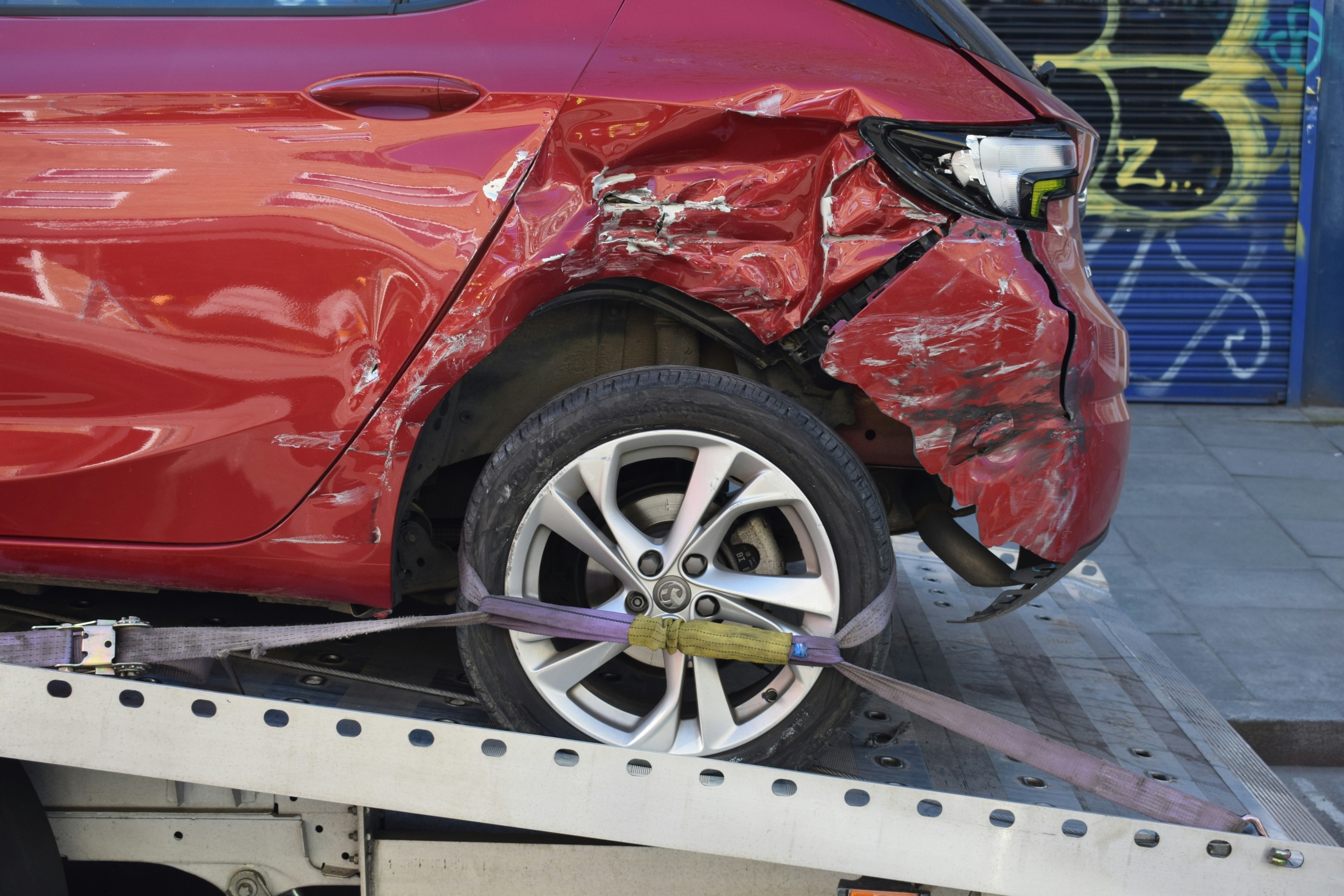
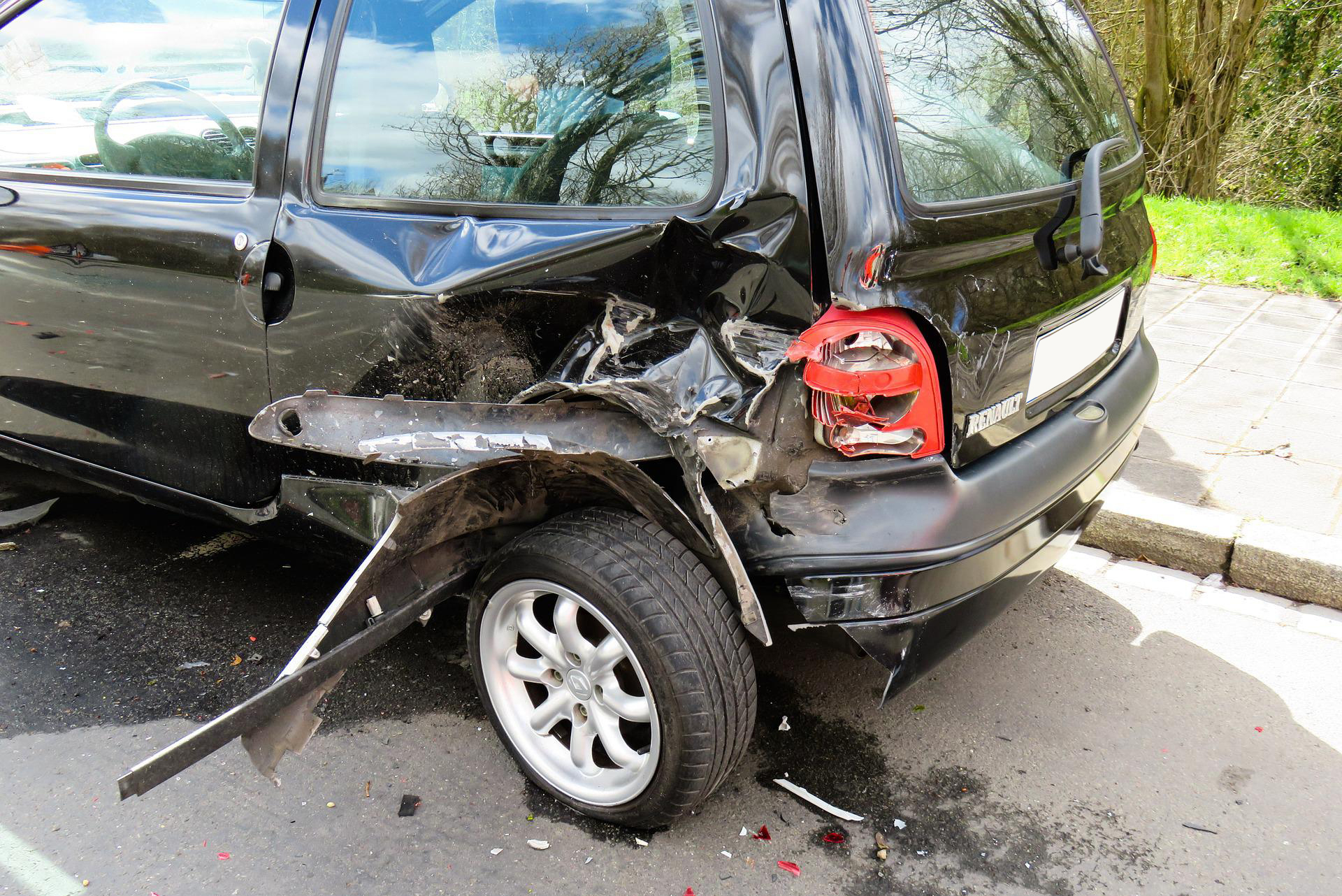
Photographic evidence of vehicle damage can be analysed alongside CDR data to create a more complete picture of the collision. Modern accident reconstruction techniques can combine these elements to create visualisations or simulations that clearly demonstrate how the crash forces affected vehicle occupants.
Expert Testimony and Reports
Expert testimony plays a crucial role in translating technical CDR data into compelling evidence for TAC reviews or court proceedings. Qualified experts can explain complex crash dynamics in understandable terms, helping decision-makers appreciate the connection between the recorded forces and the claimed injuries. These experts typically include accident reconstruction specialists, biomechanical engineers, and medical professionals specialising in trauma.
Expert reports should present the CDR findings in clear, accessible language while maintaining technical accuracy. Effective reports explain what the data means in practical terms—translating measurements like delta-V into real-world force comparisons that clearly demonstrate injury potential. Visual representations of the data, including graphs and diagrams, can make the information more accessible to non-technical reviewers.
When these experts collaborate to create comprehensive, integrated analyses, the resulting evidence becomes particularly convincing. A biomechanical engineer can explain how the forces affected the body, while a medical specialist confirms that the observed injuries match the expected pattern from such forces. This multidisciplinary approach addresses potential weaknesses in any single line of evidence.
Timeline Considerations for Evidence Collection
Timing is critical when collecting and preserving evidence for TAC claims. CDR data should be retrieved as soon as possible after the accident, ideally before vehicle repairs begin or the vehicle is disposed of. Similarly, medical documentation carries more weight when injuries are promptly assessed and documented, establishing a clear temporal connection to the accident.
A strategic approach involves coordinating the collection of different evidence types to build a coherent timeline. Medical examinations should reference the accident circumstances as documented in the CDR data, strengthening the causal link. Photographic evidence of injuries and vehicle damage should be obtained quickly, before visible signs diminish.
Even if TAC has already rejected a claim, it may still be possible to retrieve CDR data if the vehicle remains accessible. This evidence can form the foundation of a strong appeal, particularly when the original rejection was based on questions about injury causation or accident severity that the data can directly address.
Need Help With Your Rejected TAC Claim?
When facing a rejected TAC claim, having objective evidence can make all the difference in securing the compensation you deserve. Crash Data Recovery provides powerful, scientific evidence that can help prove the extent of your injuries based on the actual forces experienced during the accident.
At National Assessing & Engineering we specialise in retrieving and analysing crash data to support personal injury claims. Our team of qualified engineers and accident reconstruction specialists can access the critical information stored in your vehicle’s electronic systems and translate it into compelling evidence for your case. Contact our team today by calling 1800 844 999 to learn how we can help strengthen your TAC claim with comprehensive crash data analysis.