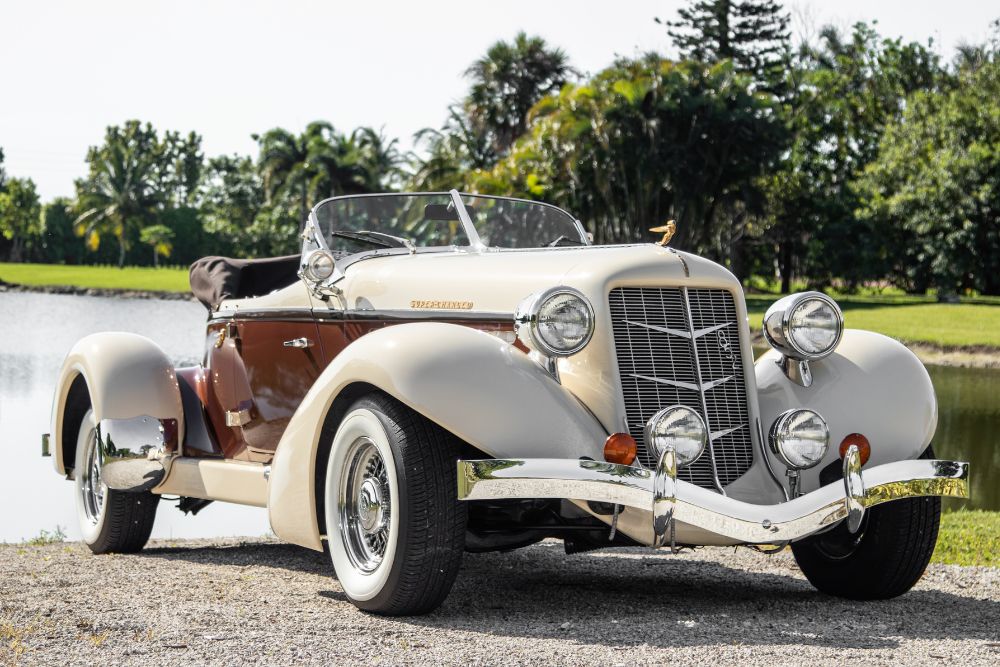
Determining the true value of a vintage car involves a complex evaluation of numerous factors including historical significance, condition, rarity, and market demand. Whether you’re a collector, enthusiast, or considering an investment in classic automobiles, understanding how to accurately assess a vintage car’s worth is essential for making informed decisions. This comprehensive guide explores the methodologies and considerations that influence vintage car valuations in the Australian market.
How to Accurately Determine the Value of a Vintage Car
Accurately determining the value of a vintage car requires a systematic approach that accounts for multiple variables. Unlike modern vehicles, classic cars don’t depreciate in a predictable manner, and their valuation often involves both objective assessment and subjective appreciation of their historical context.
The first step in determining a vintage car’s value is authenticating its originality. Original vehicles with matching numbers (engine, chassis, and body numbers that correspond to factory records) typically command higher prices than restored or modified examples. Factory documentation, build sheets, and heritage certificates can verify a car’s provenance and significantly impact its value. In Australia, where European and American classics were often imported and locally assembled, documentation of a vehicle’s entry into the country and subsequent history is particularly valuable.
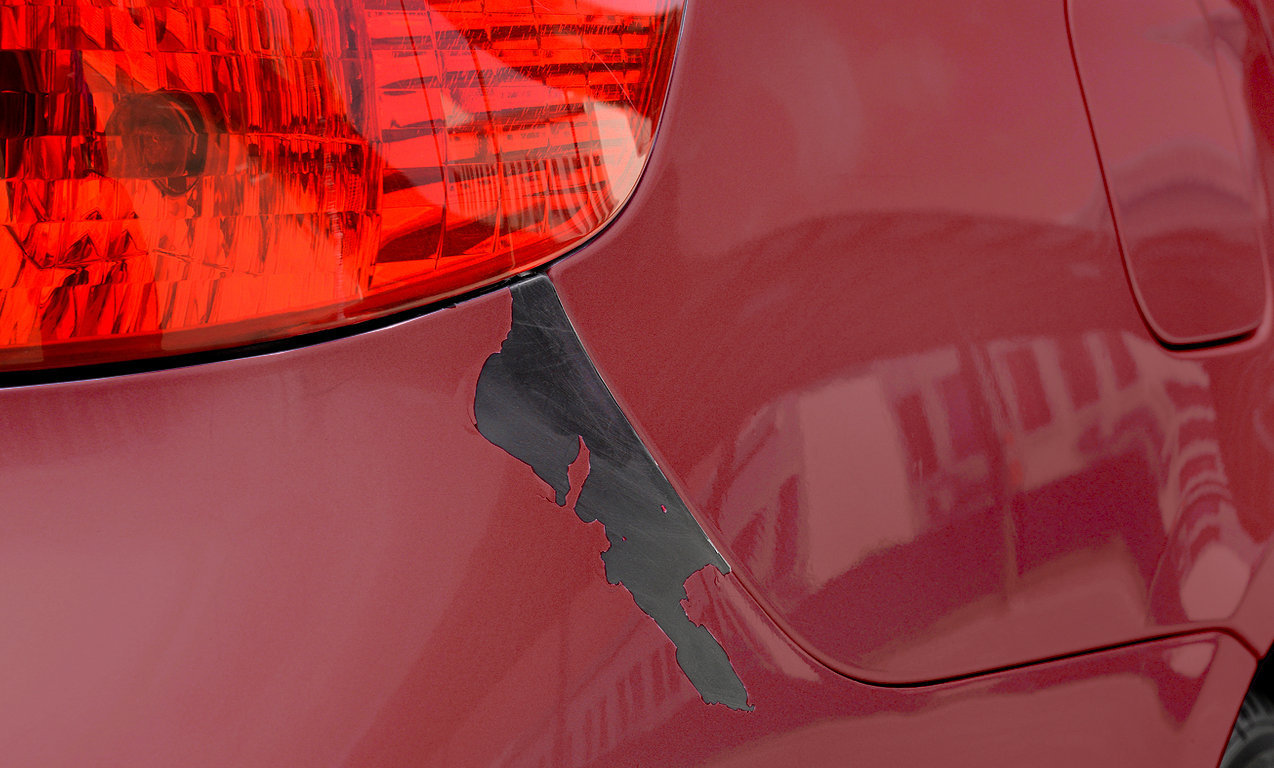
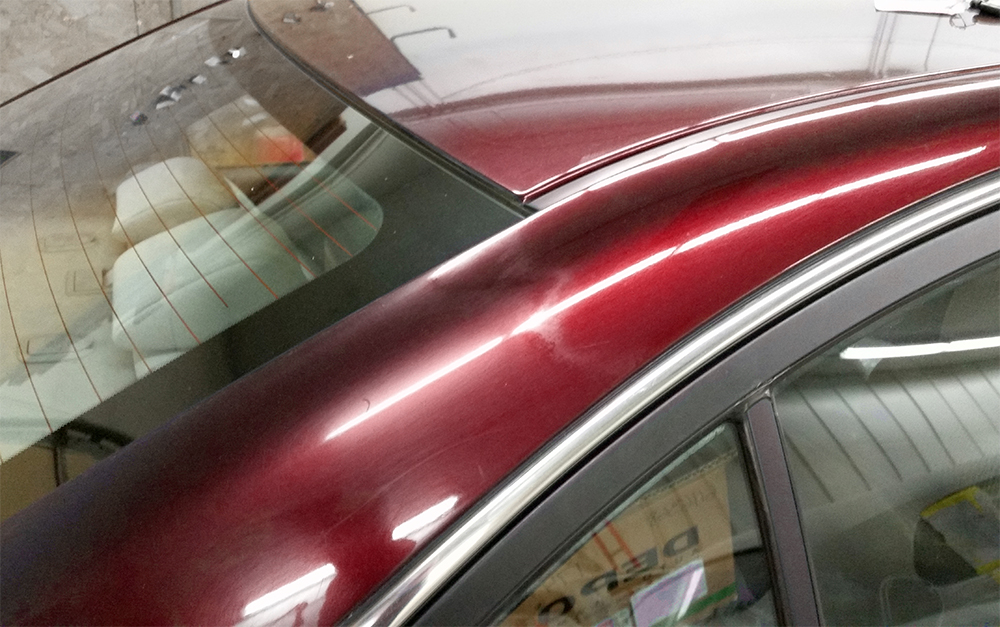
The condition of a vintage car is perhaps the most critical factor in its valuation. Professional car valuers typically grade vehicles on a scale ranging from concours condition (museum quality) to parts car (useful only for salvaging components). A meticulous inspection of the body, undercarriage, mechanical systems, interior, and cosmetic details is essential. Rust is especially detrimental to value in the Australian market, where coastal environments can accelerate corrosion. Original paint, if well-preserved, can significantly enhance value, as can period-correct components and accessories.
Rarity and Historical Significance
Rarity plays a fundamental role in vintage car valuation. Limited production models, special editions, and vehicles with unique factory options can command substantial premiums. In the Australian context, locally produced vehicles with documented historical significance – such as those connected to Australian motorsport history or cultural milestones – often attract particular interest from collectors.
Production numbers only tell part of the story; survival rate is equally important. For example, certain Australian-built vehicles that were once common but have since become scarce due to harsh conditions or practicality can command surprising values. Understanding how many examples of a particular model remain in circulation, particularly in Australia, provides crucial context for valuation.
The historical significance of a vintage car extends beyond mere scarcity. Vehicles that represented technological innovations, design milestones, or cultural touchstones typically enjoy higher valuations. In Australia, cars with connections to notable events, films, or personalities in local history may carry additional value to collectors who appreciate their cultural context.
Market Trends and Benchmark Sales
The vintage car market fluctuates based on broader economic conditions, generational preferences, and shifting collector interests. Tracking recent comparable sales provides essential benchmarks for current valuations. However, the Australian market sometimes varies from international trends due to our geographic isolation, import regulations, and distinct automotive heritage.
Auction results offer transparent pricing data, but private sales – though less visible – often constitute a significant portion of the market. Specialist dealers, collector clubs, and online marketplaces can provide insights into the current state of the market for particular makes and models. Australian auction houses and specialist events like Motorclassica offer valuable reference points for local market conditions.
It’s worth noting that certain models experience cyclical value fluctuations based on anniversaries, media attention, or renewed appreciation among collectors. Understanding where a particular vehicle sits within these cycles can help predict future value movements. The growing interest in 1980s and 1990s vehicles among younger Australian collectors, for instance, has recently driven up values for previously overlooked models from these eras.
Important Considerations When Valuing Vintage Cars
Restoration Quality and Authenticity
The quality and authenticity of any restoration work significantly impacts a vintage car’s value. Professionally restored vehicles using period-correct methods and materials command higher prices than those with amateur or inappropriate modifications. In Australia, where specialist restorers are fewer than in larger markets, documented work by recognised experts carries particular weight.
Over-restoration can actually detract from value among serious collectors who prize authenticity over perfection. Cars restored to a standard higher than factory original – sometimes called “better than new” – may appeal to casual buyers but often fail to impress knowledgeable collectors. The Australian market generally values sympathetic preservation over excessive restoration, particularly for vehicles with local historical significance.
Modifications present a complex valuation challenge. Period-correct performance upgrades or dealer-installed options may enhance value, while non-period modifications typically reduce it. In Australia, where certain modifications are required for road registration compliance, assessing their impact requires understanding both collector preferences and local regulatory requirements.
Documentation and Provenance
Comprehensive documentation substantially enhances a vintage car’s value and marketability. Service records, ownership history, and original purchase materials provide confidence about a vehicle’s authenticity and care. For Australian-market vehicles, documentation of local assembly, delivery, and subsequent history is particularly valuable in establishing provenance.
Celebrity or significant ownership history can dramatically increase value, particularly when thoroughly documented. Vehicles with racing history, film appearances, or connections to notable figures typically command substantial premiums. In Australia, cars with documented connections to local motorsport legends or cultural icons often attract particular collector interest.
Factory literature, tools, and accessories complete a vintage car’s presentation and enhance its value. Original handbooks, warranty cards, toolkit, and dealer-supplied materials demonstrate careful stewardship and attention to detail. For imported classics, Australian-specific documentation such as compliance plates and local service books provides important context for valuation.
Professional Assessment and Authentication
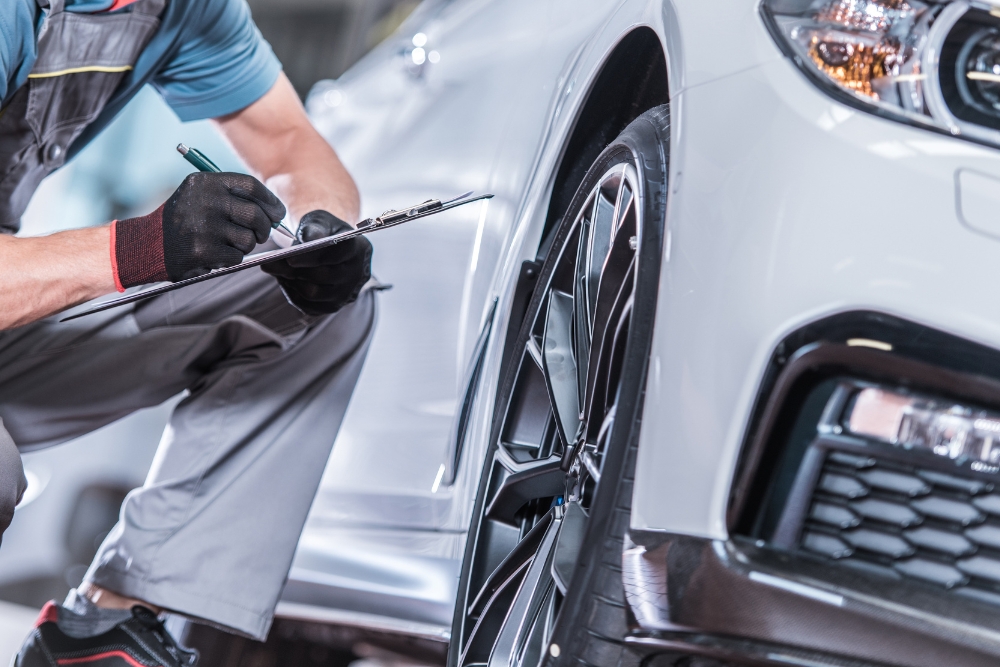
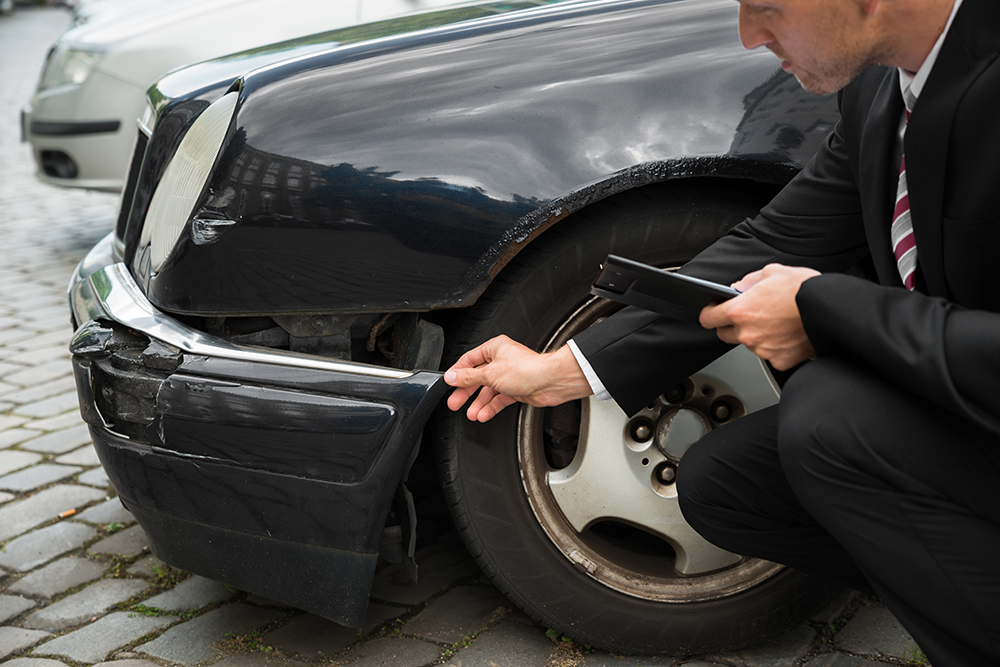
Professional inspection by marque specialists or independent assessors provides objective evaluation of a vintage car’s condition and authenticity. These experts can identify restoration quality, detect hidden issues, and verify matching numbers components. Their assessments carry particular weight in insurance valuations and dispute resolution.
Authentication by manufacturer heritage departments or recognised clubs can formally verify a vehicle’s identity and originality. Many prestigious manufacturers maintain archives that can confirm build specifications and original delivery details. In Australia, where distance once complicated such verification, digital access to these resources has made authentication more accessible.
Professional pre-purchase inspections represent a wise investment before acquiring a valuable vintage vehicle. These thorough examinations go beyond aesthetic considerations to evaluate mechanical condition, structural integrity, and originality. In Australia’s varied climate conditions, inspections should pay particular attention to climatic damage specific to the vehicle’s history.
The Impact of Market Factors on Vintage Car Values
Regional Variations in the Australian Market
Australian vintage car values often display regional variations based on local preferences and historical context. Certain models enjoy premium status in specific states due to local manufacturing heritage or historical significance. For example, Holden Special Vehicles may command higher prices in South Australia due to the marque’s manufacturing history there, while certain Ford models might be more valued in Victoria.
Distance and transportation costs influence regional pricing, particularly for bulkier or mechanically fragile vehicles. The challenges of transporting vehicles between distant Australian cities can create micro-markets with distinct valuation patterns. These factors should be considered when comparing values across different geographic regions.
Local regulatory requirements regarding registration and roadworthiness can significantly impact values. States with stringent emissions or modification restrictions may see lower values for certain modified classics, while areas with favourable historic vehicle schemes might support higher valuations. Understanding these regional regulatory variations is essential for accurate valuation.
The Influence of International Markets
Australia’s vintage car market is increasingly influenced by international trends, with global auctions and online marketplaces creating more transparent pricing. Particularly rare or desirable models may now command prices aligned with international benchmarks rather than local precedents. This globalisation has generally benefited owners of prestigious European marques previously undervalued in the Australian market.
Currency fluctuations significantly impact both import costs and export opportunities, affecting local valuations. A strong Australian dollar typically suppresses local values by making overseas purchases more attractive, while a weaker dollar tends to strengthen the domestic market. These currency effects can create temporary valuation anomalies worth considering in timing purchases or sales.
International interest in Australian-specific models has grown substantially, particularly for performance vehicles and unique local variants. Models once considered primarily of local interest now attract global collectors, driving up values for well-preserved examples. This trend has been particularly noticeable for certain Holden, Ford and Chrysler performance models from the 1960s and 1970s.
Need Expert Vintage Car Valuation Services?
Determining the true value of a vintage automobile requires extensive knowledge, careful inspection, and an understanding of both historical context and current market conditions. Accurate valuation is essential whether you’re buying, selling, insuring, or settling an estate.
As independent classic car valuers in Australia, we at National Assessing & Engineering provide expert vintage car valuation services backed by decades of automotive experience. Our detailed assessment process examines all factors affecting your classic vehicle’s value, providing you with comprehensive documentation for insurance, sale, or personal knowledge. Contact our team today by calling 1800 844 999 to arrange a professional assessment of your vintage automobile.