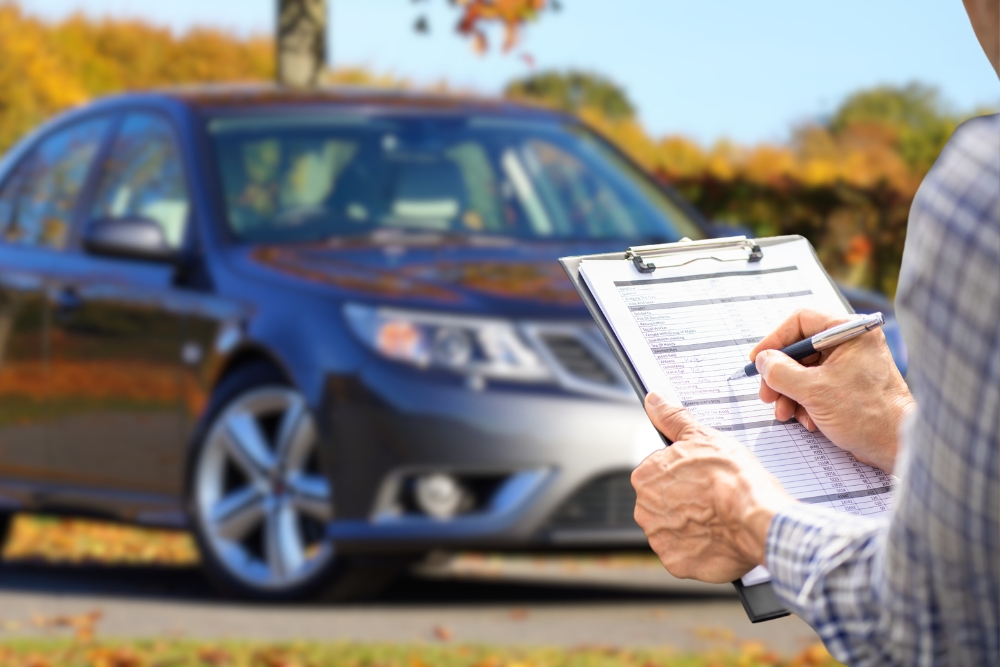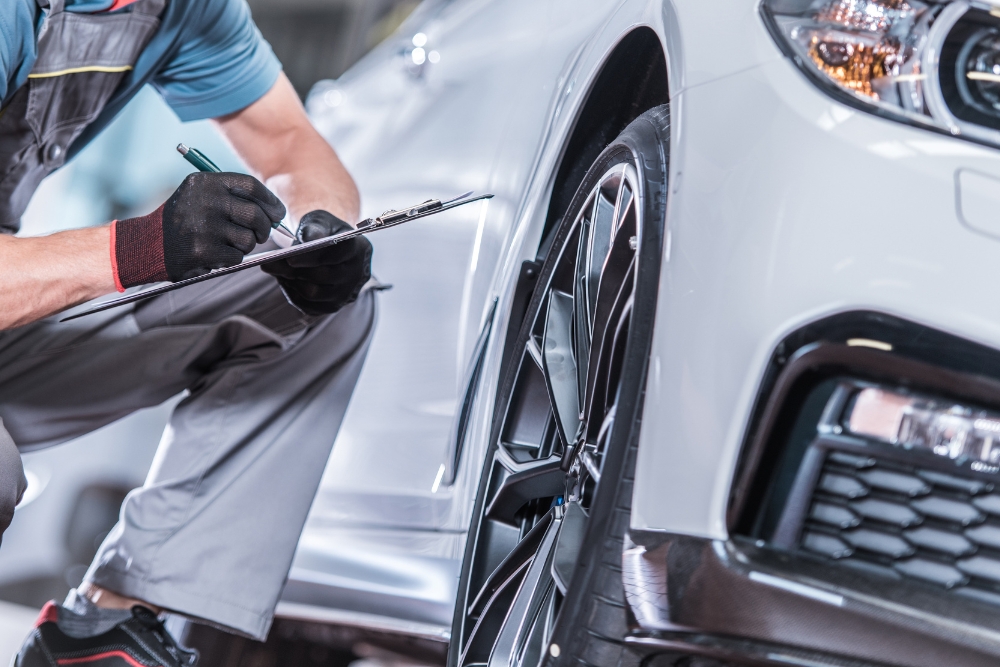

Understanding what influences your car’s value can be critical, whether you are planning to sell, trade-in, or insure your vehicle. In Australia, numerous factors come into play that can significantly affect your car’s market value. This article explores these factors in detail, providing insights to help you make informed decisions about your car.
Key Factors That Influence Car Value
1. Vehicle Age and Mileage
The age of a car and the number of kilometres it has travelled are two of the most critical factors in determining its value. Generally, newer vehicles with lower mileage are valued higher. This is because they are less likely to have experienced significant wear and tear, making them more reliable and appealing to buyers.
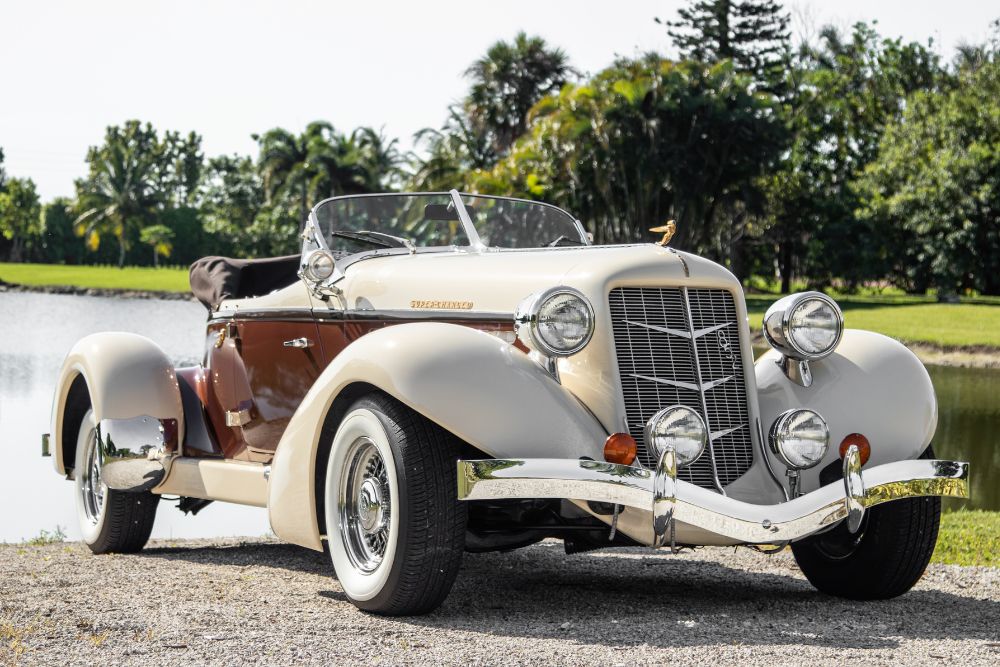
However, exceptions can occur, particularly with well-maintained older models or classic cars that hold collectible value.
2. Make and Model
Certain car brands and models are known for retaining their value better than others. In Australia, popular brands like Toyota, Mazda, and Subaru are often seen as reliable and durable, which can positively impact resale value. Additionally, the demand for specific models, such as SUVs or hybrid vehicles, can also play a significant role.
3. Condition of the Vehicle
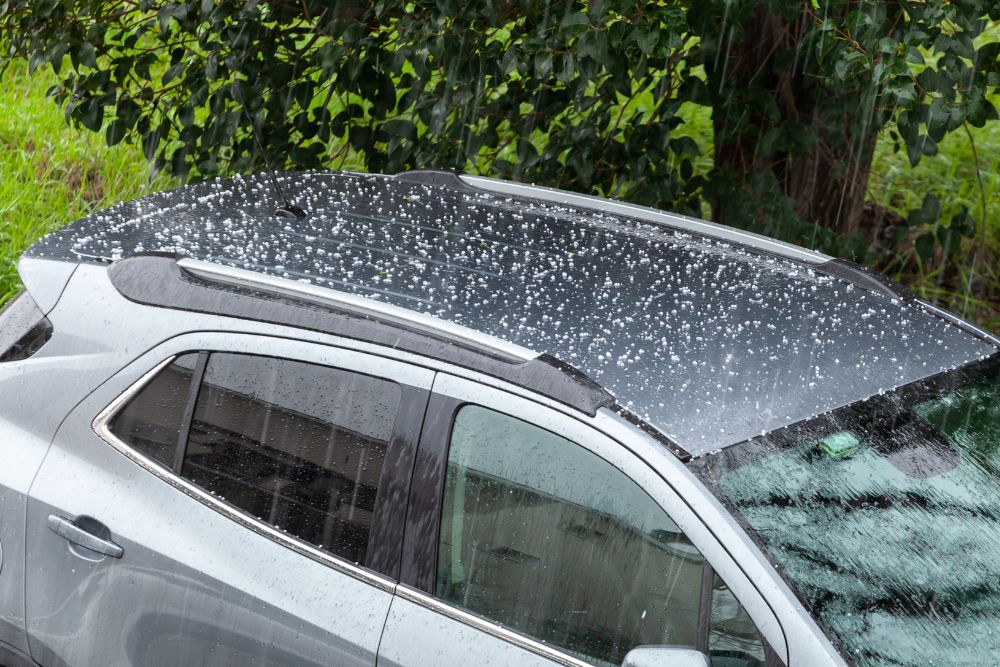
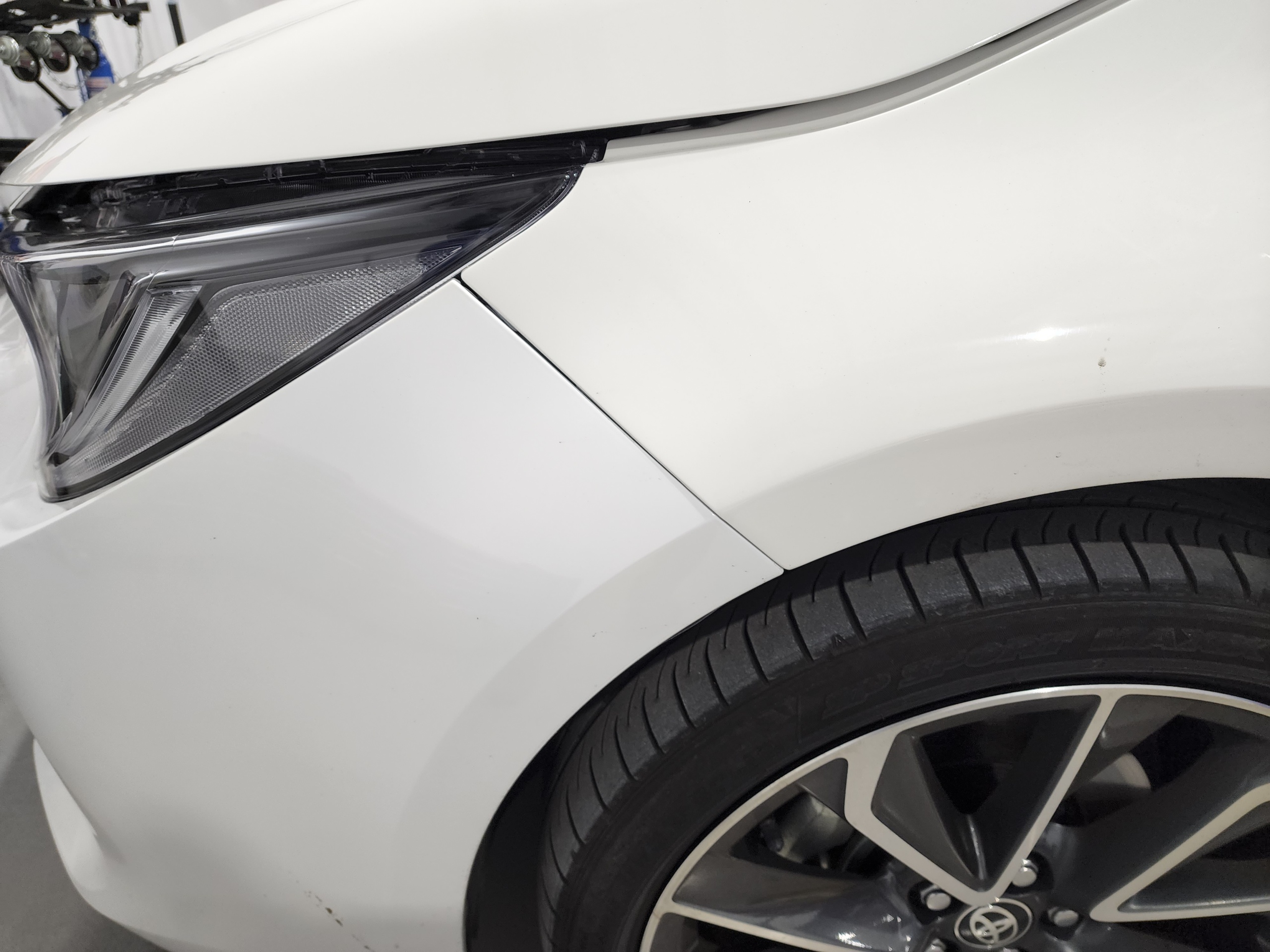
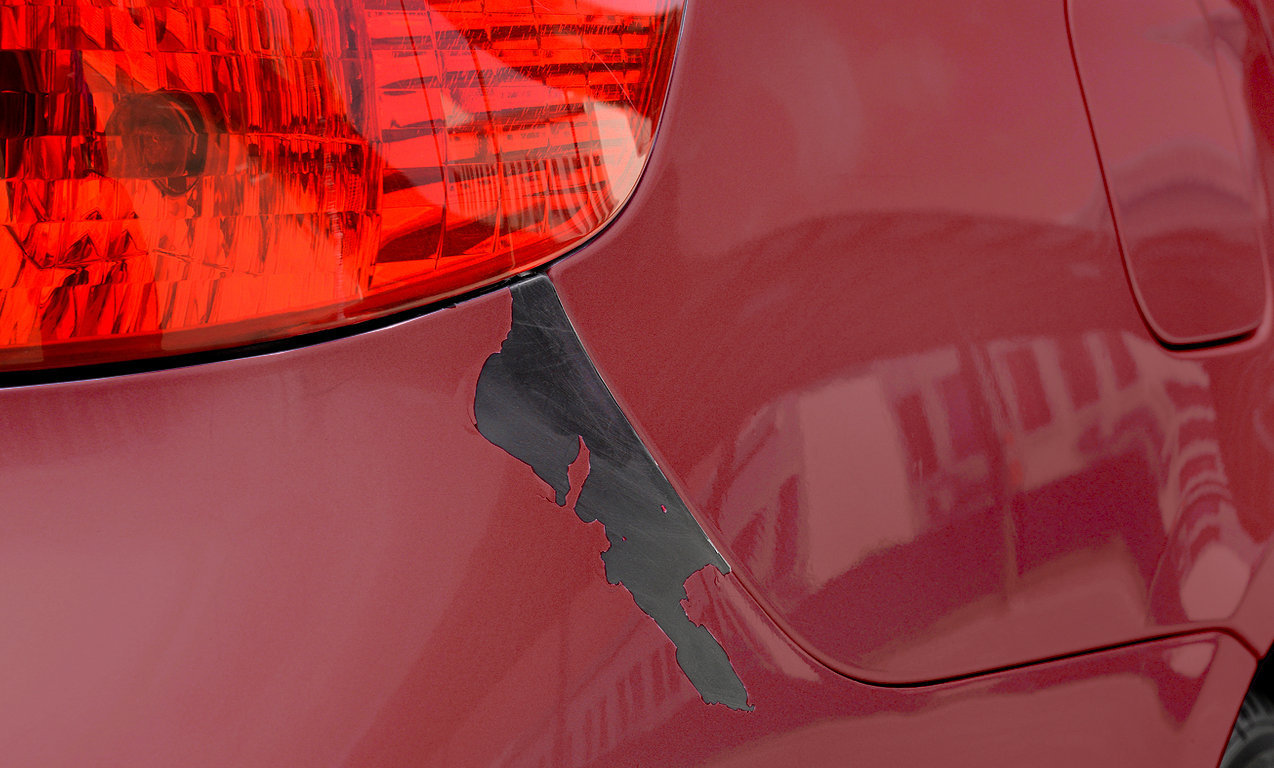
The physical and mechanical condition of a car heavily influences its valuation. Dents, scratches, or interior damage can lower the value significantly. Similarly, mechanical issues, such as engine problems or faulty brakes, will also deter potential buyers and reduce the car’s worth.
Regular maintenance and servicing help maintain the car’s condition, positively affecting its value over time.
4. Service History
A comprehensive service history demonstrates that the vehicle has been well-maintained. Buyers are more likely to pay a premium for cars with a documented history of regular servicing, as it reduces the risk of unforeseen issues.
Conversely, an incomplete or missing service history can raise red flags and lower the car’s value.
5. Modifications
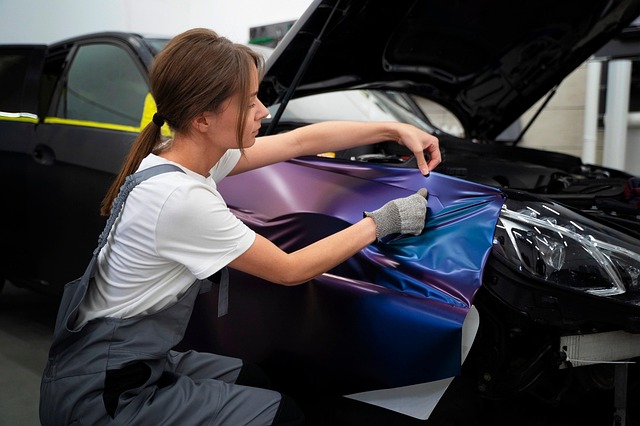
While some modifications, such as adding safety features or upgrading the audio system, may increase a car’s value, others can have the opposite effect. Extensive modifications that deviate from the factory specifications can reduce the value as they may not appeal to all buyers and could void warranties.
6. Colour and Aesthetics
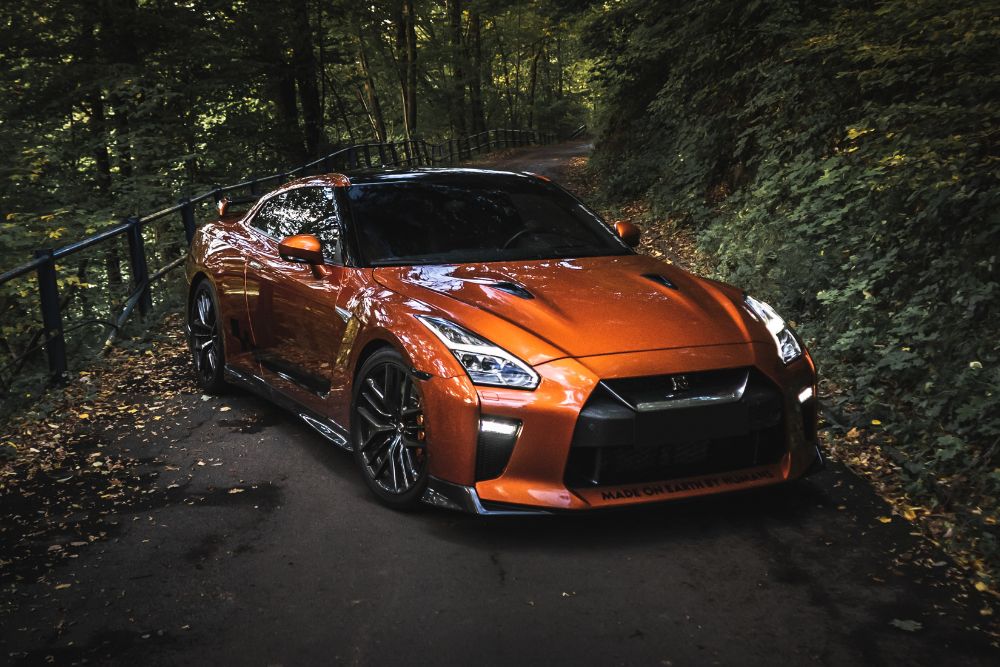
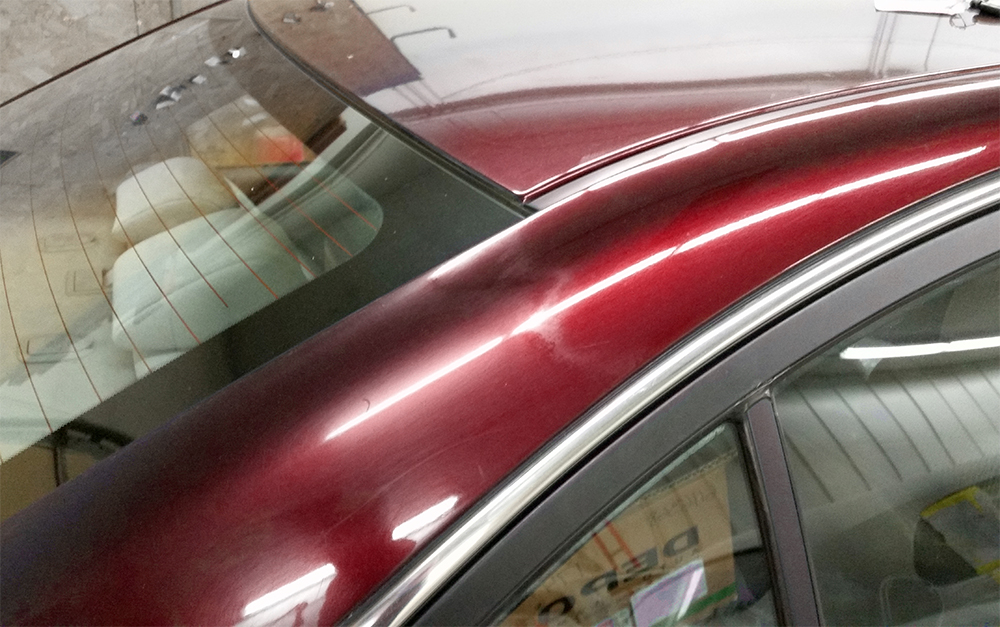
The colour of a car can surprisingly impact its value. Neutral colours like white, black, and silver are generally more popular in Australia and tend to retain value better than less common colours. Additionally, the overall aesthetics, including cleanliness and appearance, contribute to the car’s appeal.
7. Market Demand
Car values are often influenced by market demand. For example, fuel-efficient and hybrid vehicles are in high demand due to rising fuel costs, while SUVs remain popular among families. Staying informed about current market trends can help you estimate your car’s value more accurately.
8. Fuel Type and Efficiency
The fuel type and efficiency of a vehicle can significantly affect its resale value. Cars with better fuel economy or hybrid and electric vehicles are becoming more desirable due to environmental concerns and rising petrol prices in Australia.
9. Accident History
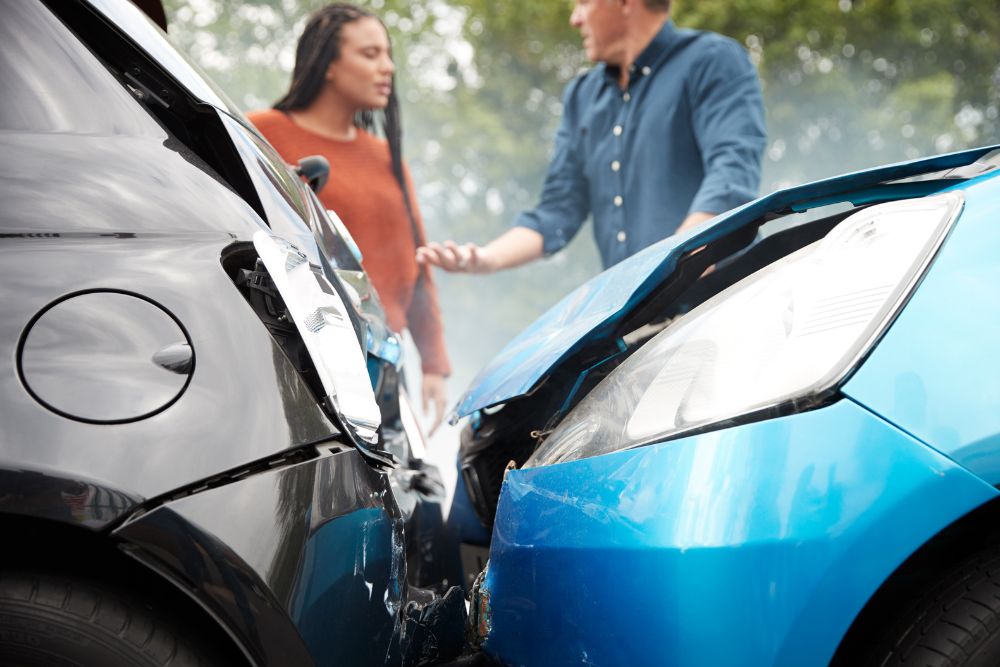
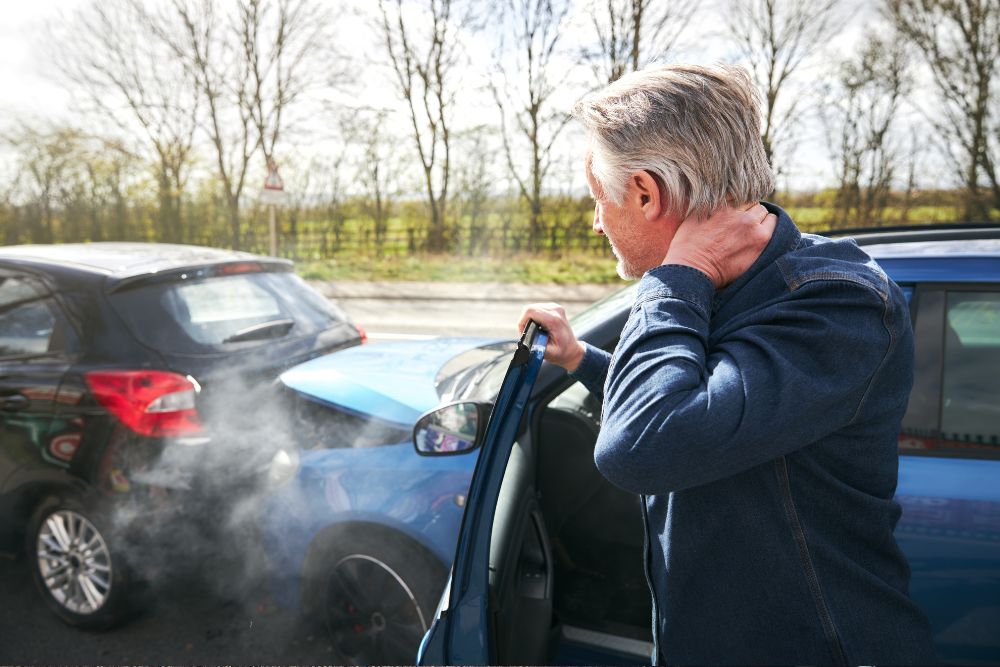
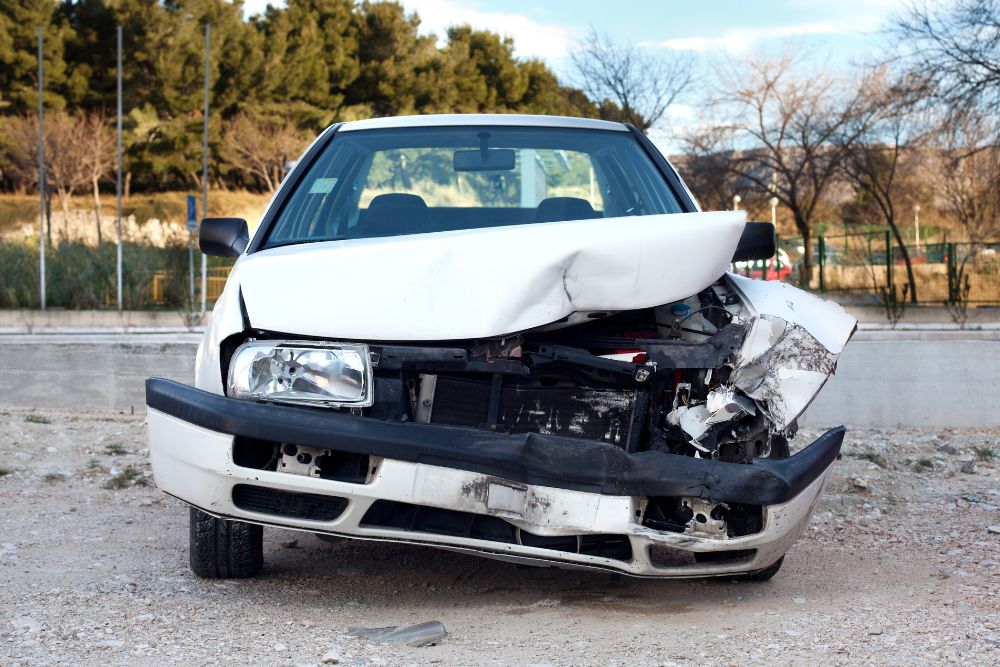
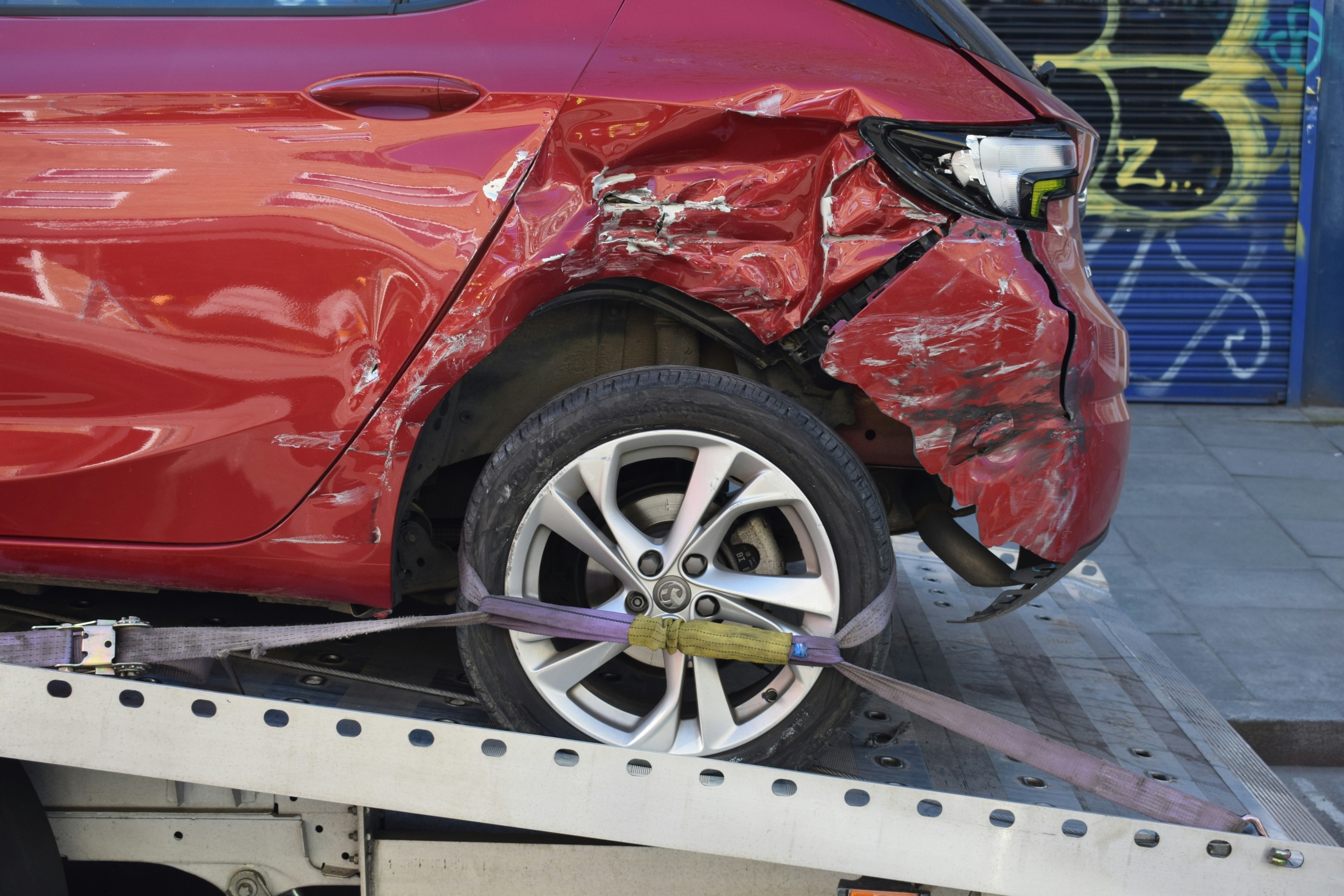
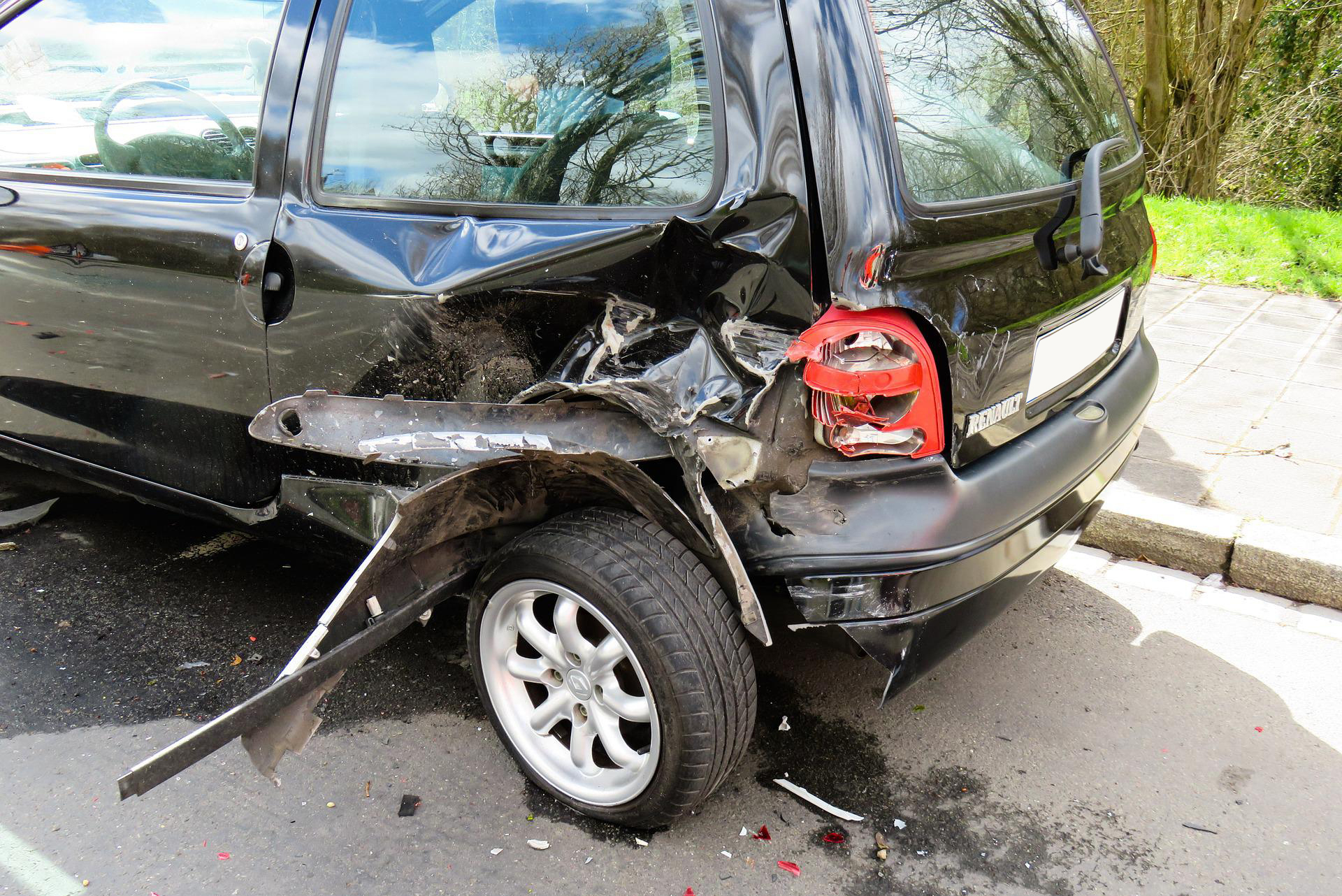
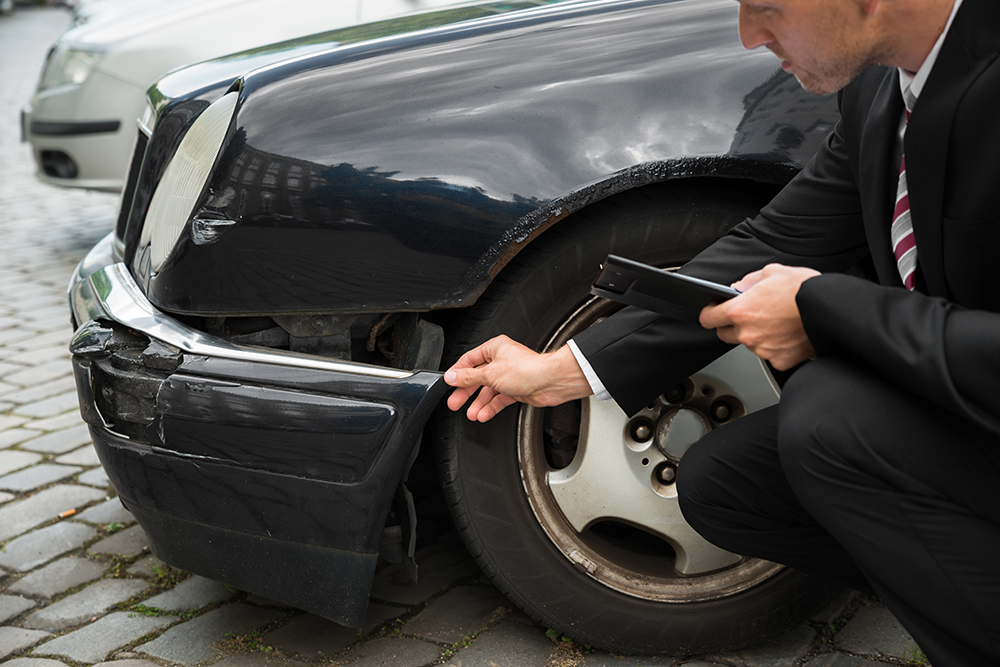
A car with a history of accidents or significant repairs will typically have a lower value. Potential buyers are wary of underlying issues that may not be immediately visible. Providing transparency and evidence of quality repairs can help mitigate this.
10. Registration and Roadworthiness
Having an up-to-date registration and a valid roadworthy certificate can positively impact your car’s value. It assures buyers that the vehicle meets legal safety standards, reducing additional costs they might otherwise incur.
How to Maintain You Car’s Value
Regular Maintenance
Scheduling regular maintenance is one of the most effective ways to preserve your car’s value. Routine oil changes, tyre rotations, and brake inspections ensure the vehicle remains in good working condition.
Keep Records of Repairs
Keeping detailed records of all repairs and replacements can build trust with potential buyers and justify a higher asking price.
Avoid Over-Customisation
While personalising your car can be tempting, over-customisation often narrows the market for resale. Stick to modifications that are practical and widely appealing, or easy to reverse when selling the vehicle.
Protect the Exterior
Parking in shaded areas, using car covers, and applying protective coatings can help preserve the paint and prevent fading or damage from the Australian sun.
Drive Responsibly
Avoid aggressive driving, which can lead to unnecessary wear and tear on the vehicle. Smooth driving habits help maintain the car’s mechanical integrity.
Need Help Determining Your Car’s Value?
At National Assessing & Engineering, we specialise in professional car valuations across Australia. Our experienced team can provide an accurate and fair assessment of your vehicle’s worth, helping you make informed decisions.