
Determining the right time to value your car is a crucial decision for many Australian vehicle owners. Whether you’re considering selling, need to update your insurance, or are curious about your asset’s worth after an accident, timing can significantly impact the valuation outcome. This article explores the optimal circumstances for getting your car professionally valued and how to ensure you receive an accurate assessment.
Optimal Times to Get Your Car Valued
When Planning to Sell Your Vehicle
One of the most common reasons to get your car valued is when you’re planning to sell it. Obtaining a professional valuation before listing your vehicle for sale provides you with a realistic price point based on current market conditions. This prevents you from undervaluing your asset and losing potential profit or overpricing it and deterring potential buyers. In the Australian market, where used car prices can fluctuate significantly, having an up-to-date valuation gives you confidence during negotiations and helps you achieve a fair sale price.
The timing of your valuation relative to your selling plans is also important. Ideally, you should get your car valued no more than 2-4 weeks before listing it for sale. Market conditions can change rapidly, and a valuation from several months ago may no longer accurately reflect your vehicle’s current worth. Additionally, seasonal factors can affect car values in Australia, with convertibles potentially commanding higher prices during summer months and 4WD vehicles seeing increased demand during winter in certain regions.
After an Accident or Significant Damage
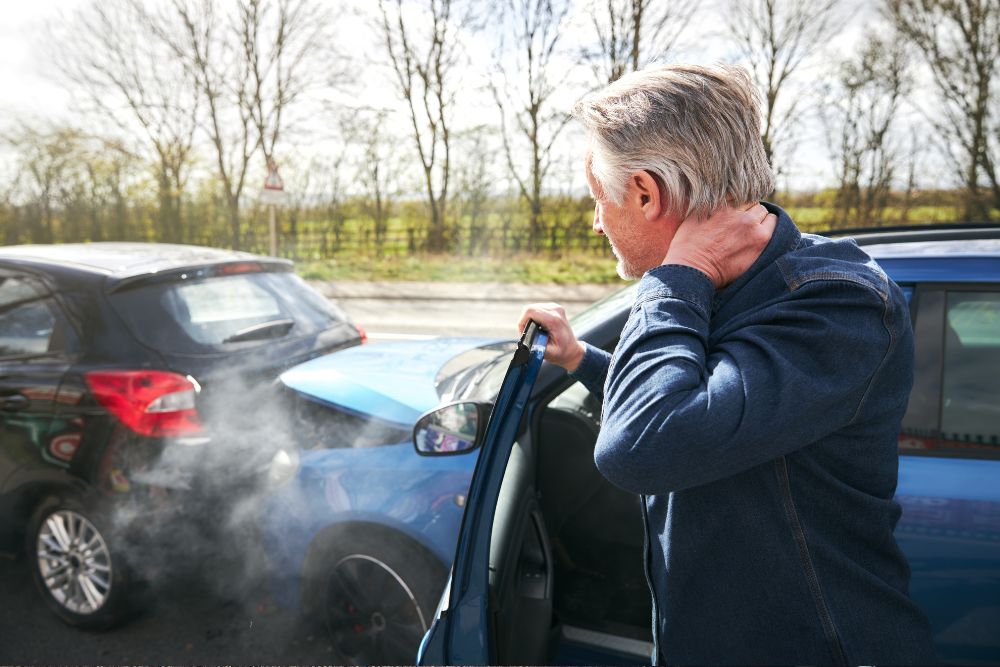
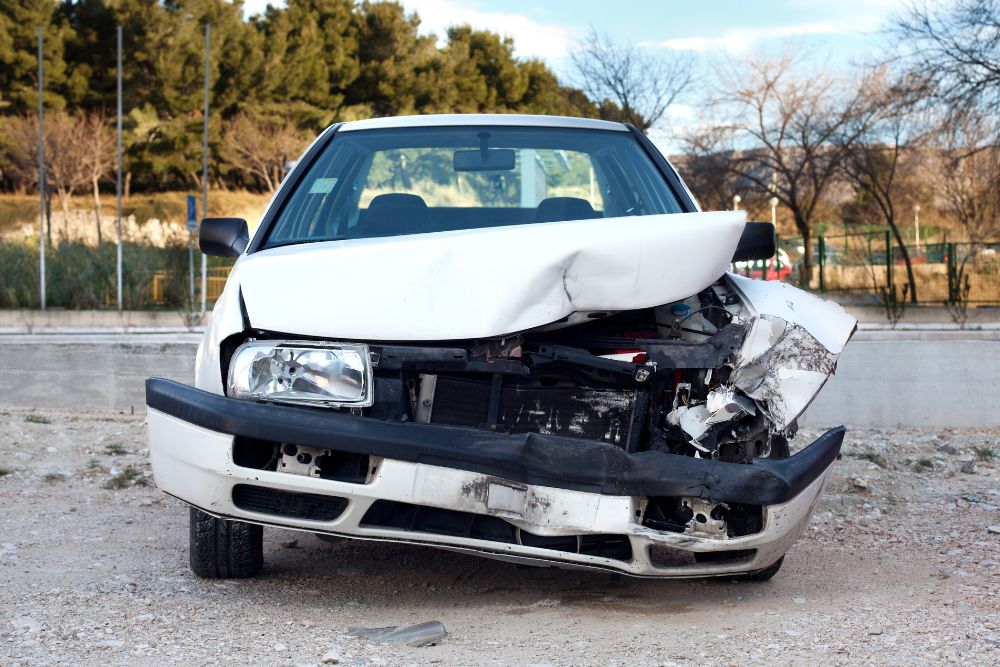
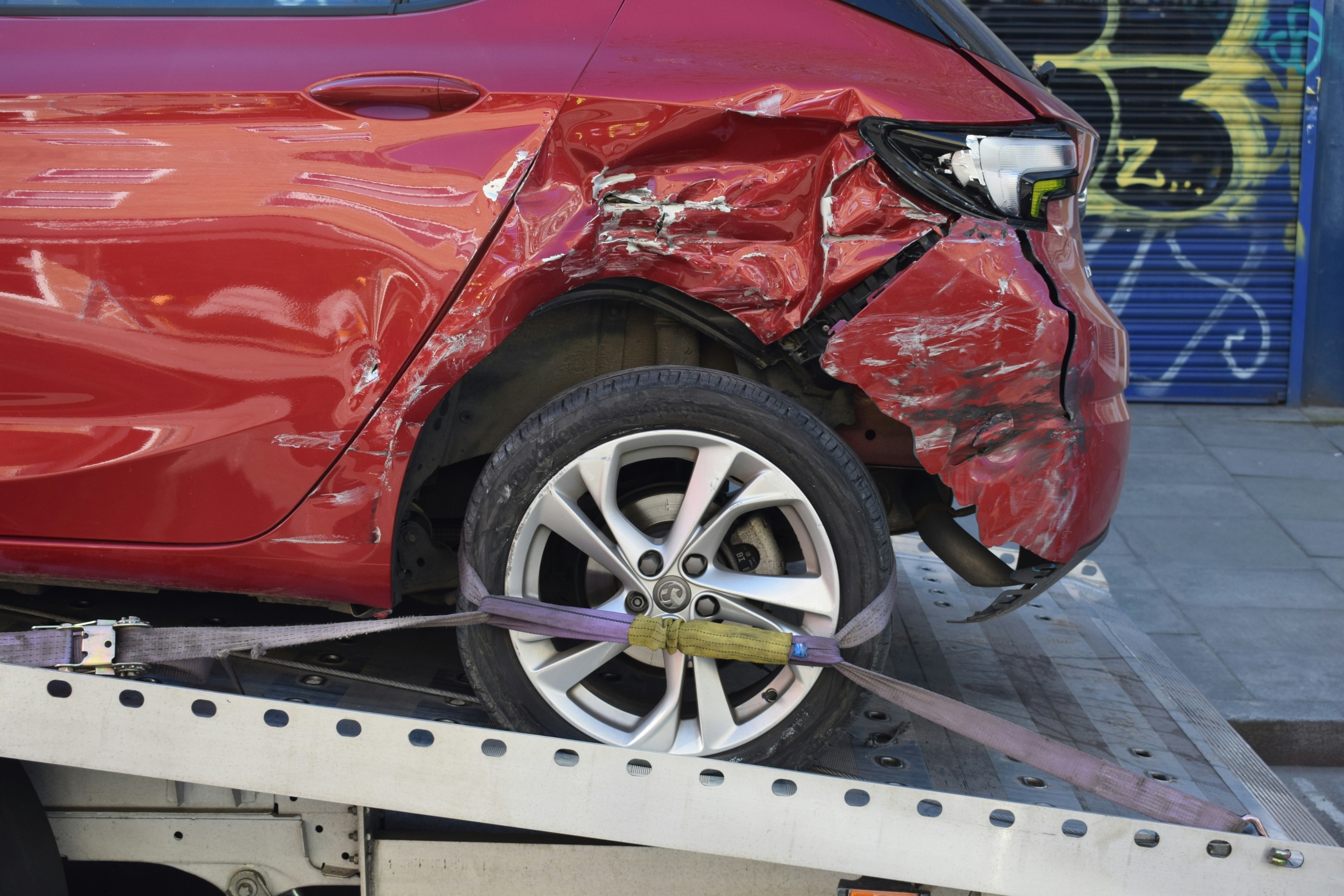
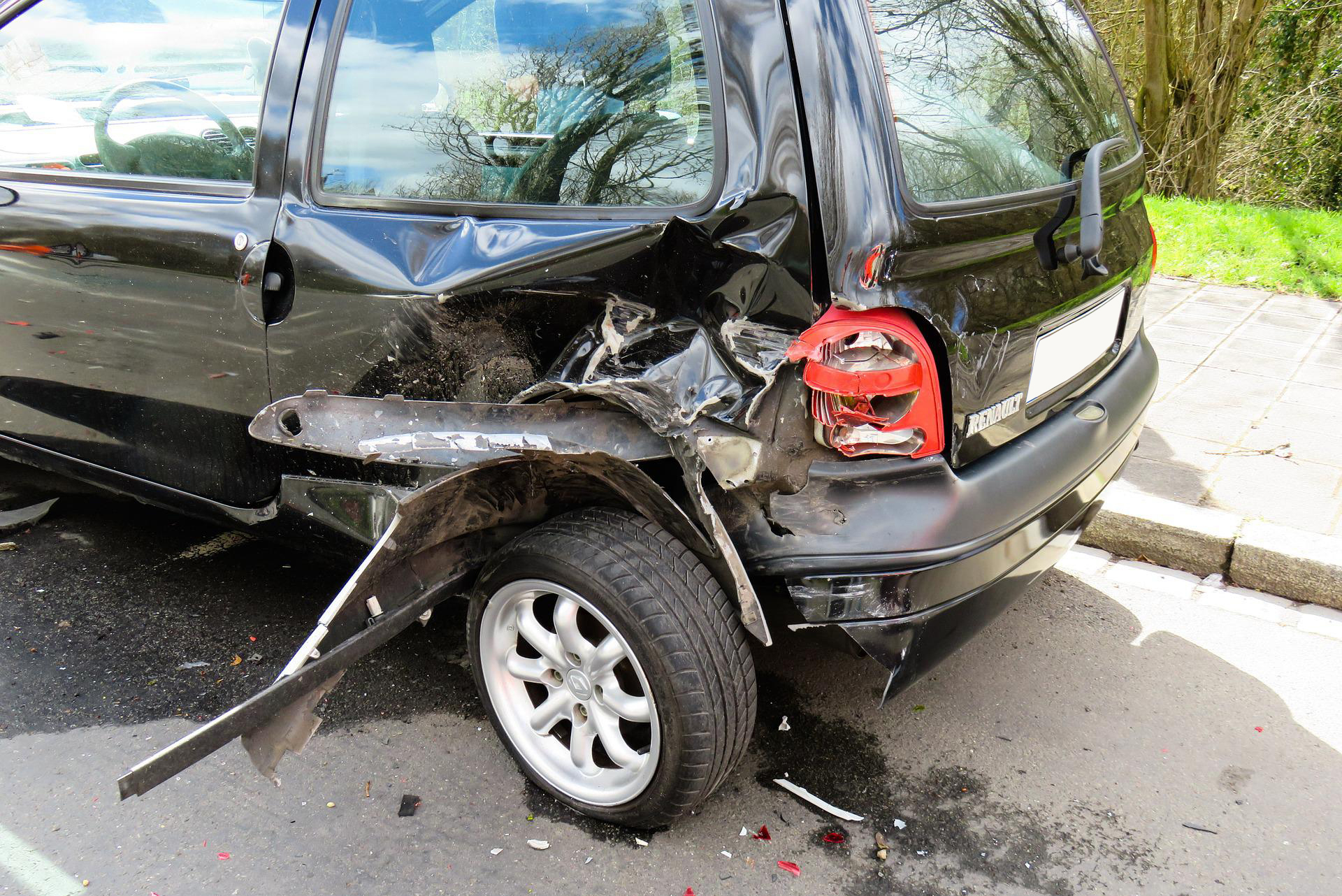
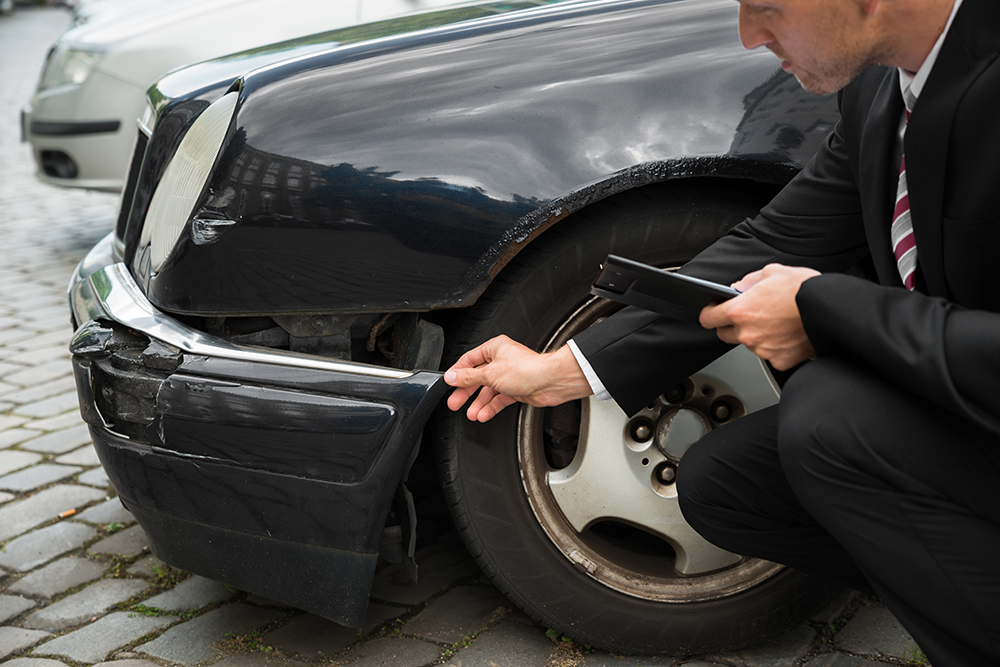
Following a collision or significant damage to your vehicle, obtaining a professional valuation is essential. This assessment helps determine whether repairs are economically viable or if the car should be written off. In Australia, insurance companies often arrange their own assessments, but having an independent valuation from a qualified car assessor like National Assessing & Engineering can ensure you receive fair treatment and appropriate compensation.
The ideal timing for post-accident valuation is as soon as possible after the incident, once the vehicle is accessible and safe to inspect. Delaying a valuation could complicate your insurance claim process and potentially result in disputes about the pre-accident condition of the vehicle. Australian insurance policies typically have specific timeframes for reporting accidents and submitting valuation reports, so prompt action is crucial to protect your interests.
When Updating Insurance Policies
Many Australian car owners overlook the importance of regular valuations for insurance purposes. If your car is insured for an agreed value rather than market value, periodic valuations ensure your coverage accurately reflects your vehicle’s worth. This is particularly important for luxury, classic, or modified vehicles, where standard insurance calculations may not capture the true value.
The optimal schedule for insurance-related valuations depends on your vehicle type and how quickly it depreciates. As a general rule, obtaining a new valuation every 12-24 months helps keep your insurance coverage appropriate. Additionally, you should consider getting a fresh valuation after completing significant modifications or restorations that enhance your vehicle’s value, ensuring these improvements are reflected in your insurance coverage.
During Settlement of Deceased Estates
When settling a deceased estate that includes vehicles, professional valuations are often legally required. These assessments establish the fair market value of the vehicles for probate purposes and ensure equitable distribution among beneficiaries. In the Australian legal context, these valuations must be conducted by qualified professionals to be considered valid for estate settlement.
The timing for estate valuations is typically within a few weeks of commencing the probate process. Executors should arrange for professional car assessors to value all vehicles in the estate promptly, as delays can complicate the overall settlement process. These valuations provide documentation that satisfies both legal requirements and helps prevent disputes among beneficiaries regarding the distribution of assets.
Signs Your Car Needs a New Valuation
Significant Mechanical Upgrades or Modifications
If you’ve recently invested in substantial mechanical upgrades or modifications to your vehicle, it’s an appropriate time to get a new valuation. Enhancements such as engine rebuilds, transmission upgrades, or performance modifications can significantly increase your car’s value, particularly in Australia’s active modified car market. These improvements represent considerable investments that should be reflected in your car’s official valuation.
The best time to arrange a valuation following modifications is after all work has been completed and properly documented. Keep detailed records of all parts, labour costs, and performance improvements, as these will help the assessor accurately determine how the modifications have affected your vehicle’s value. In Australia, certain modifications must comply with specific regulations to be considered value-adding, so professional assessment is particularly important in these cases.
Major Market Fluctuations
The Australian automotive market can experience significant fluctuations due to economic conditions, supply chain issues, or changes in consumer preferences. During periods of unusual market activity, such as the recent used car price surge during the COVID-19 pandemic, getting an updated valuation can reveal surprising changes in your vehicle’s worth. Supply chain disruptions affecting new car availability can dramatically increase the value of quality used vehicles in specific categories.
Pay attention to market trends and consider a new valuation if you notice substantial price movements in vehicles similar to yours. Industry publications, online marketplaces, and automotive news sources can provide indicators of when the market is experiencing unusual patterns. When these fluctuations occur, a professional valuation can help you capitalize on temporary value increases or make informed decisions about the optimal timing for selling your vehicle.
After Extended Storage Periods
Vehicles that have been in long-term storage require car valuation before being returned to service or sold. Extended storage can affect a vehicle’s condition in both positive and negative ways – while it may have preserved the car from accumulating kilometres, improper storage conditions might have caused deterioration of rubber components, battery systems, or bodywork. A professional assessment will identify these factors and their impact on the vehicle’s current market value.
The ideal time for valuation after storage is once the vehicle has been recommissioned and returned to roadworthy condition. This allows the assessor to evaluate the car in its operational state and identify any issues that affect its value. In Australia’s varied climate conditions, storage-related problems can range from humidity damage in tropical areas to extreme temperature effects in inland regions, making professional assessment particularly valuable.
Important Considerations When Getting Your Car Valued
Choosing the Right Type of Valuation
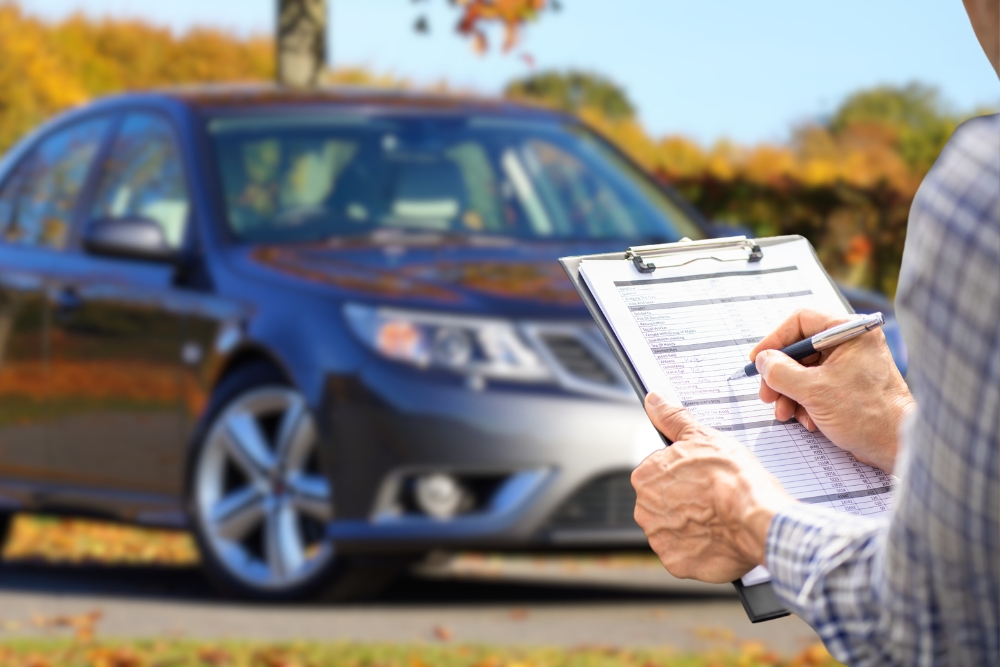
Different situations call for different types of valuations, and selecting the appropriate assessment for your needs ensures you receive relevant information. For insurance purposes, a comprehensive valuation that details your vehicle’s condition, modifications, and replacement cost is essential. For selling purposes, a market valuation that compares your vehicle to similar models currently for sale provides the most useful guidance.
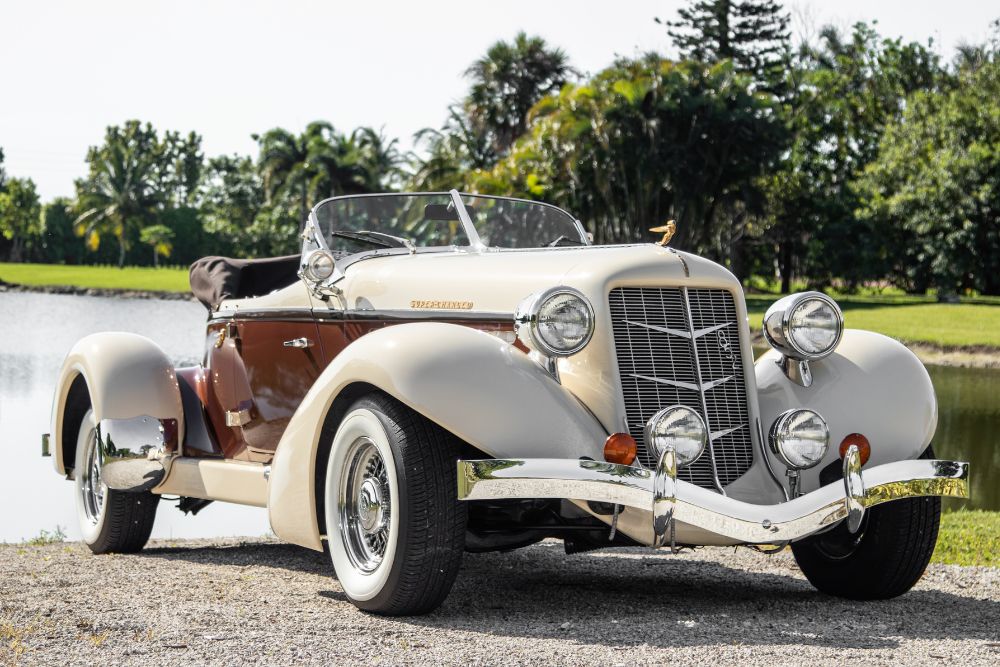
In Australia, specialised valuations may be required for unique circumstances. Classic and collector cars often need heritage valuations that consider historical significance and rarity. Modified vehicles require assessors with expertise in evaluating non-standard components. When arranging a valuation, clearly communicate your purpose to ensure you receive the most appropriate type of assessment for your situation.
Preparing Your Vehicle for Valuation
The condition of your vehicle during assessment significantly impacts its valuation. While you shouldn’t misrepresent your car’s condition, presenting it in its best possible state ensures you receive a fair assessment. Before a valuation appointment, thoroughly clean both the exterior and interior of your vehicle. Address minor maintenance issues such as fluid levels, tyre pressure, and functional problems with lights or controls.
Gather all relevant documentation, including service records, modification receipts, and previous insurance valuations. In Australia, having your logbook with stamped service history can significantly impact your car’s valuation, as it demonstrates proper maintenance according to manufacturer specifications. Additionally, compile documentation for any aftermarket parts or modifications, as these can affect the valuation either positively or negatively depending on their quality and desirability.
Understanding Valuation Methodologies
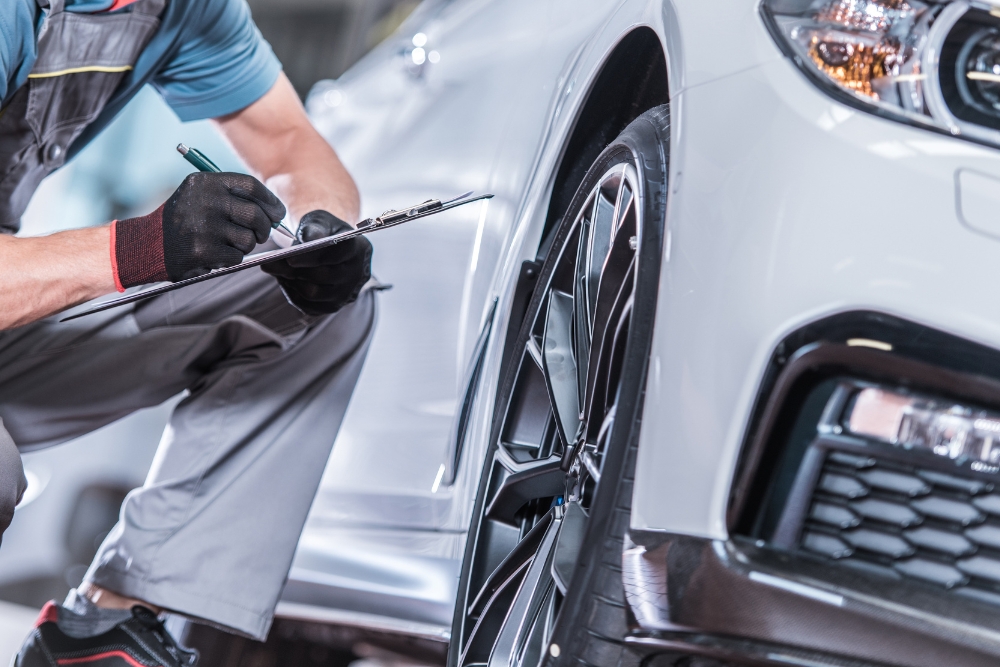
Professional car assessors use various methodologies to determine vehicle value, and understanding these approaches helps you interpret the results appropriately. In Australia, common valuation methods include comparative market analysis (examining similar vehicles currently for sale), replacement cost assessment (determining what it would cost to replace your vehicle), and depreciation calculation (starting with the new price and applying standard depreciation rates).
Each methodology has strengths and limitations depending on your vehicle type. Standard passenger vehicles are typically valued using comparative market analysis, while rare or collector vehicles might rely more heavily on specialist appraisal techniques. When receiving a valuation report, ask the assessor to explain which methodology they used and why it was appropriate for your specific vehicle. This understanding helps you evaluate whether the assessment truly reflects your car’s worth in its intended context.
Need an Accurate Car Valuation in Australia?
Getting your car valued at the right time can make a significant difference to your financial outcomes, whether you’re selling, making an insurance claim, or updating your asset portfolio. Professional valuations provide clarity and confidence in automotive transactions and ensure you’re properly protected.
As independent car assessors in Australia, National Assessing & Engineering provides comprehensive, unbiased vehicle valuations for all purposes. Our team of qualified assessors has extensive experience across all vehicle types and circumstances. Contact our team today by calling 1800 844 999 to arrange a professional valuation that protects your automotive investment.