
Choosing the right car valuation for insurance is critical to ensuring your vehicle is properly covered and you receive fair compensation in the event of an accident, theft, or write-off.
Insurance companies offer several valuation options, each suited to different needs.
This guide explores the key types of valuations for insurance purposes in Australia, focusing on the pros and cons of professional independent valuations versus free online valuations, and when each is appropriate.
Professional Independent Car Valuations for Insurance
Professional independent car valuations are conducted by qualified assessors who provide an accurate and detailed analysis of your vehicle’s worth. These valuations consider a wide range of factors, including:
Vehicle condition: A thorough inspection evaluates wear and tear, maintenance, and any modifications.
Market trends: Professionals analyse the current car market to determine a realistic valuation.
Local factors: Regional demand for specific makes and models is factored into the valuation.
Independent valuations are often required for insurance purposes where precision is critical, such as when insuring high-value, modified, or rare vehicles. Insurers trust these assessments because they are based on physical inspections and expert analysis, reducing disputes during claims.
When to Choose a Professional Independent Valuation
A professional independent valuation is essential in the following situations:
Agreed Value Policies: If you prefer agreed value insurance, a professional valuation ensures that the pre-agreed amount reflects your car’s actual worth. This is particularly important for classic or customised vehicles where market value may not account for their unique characteristics.
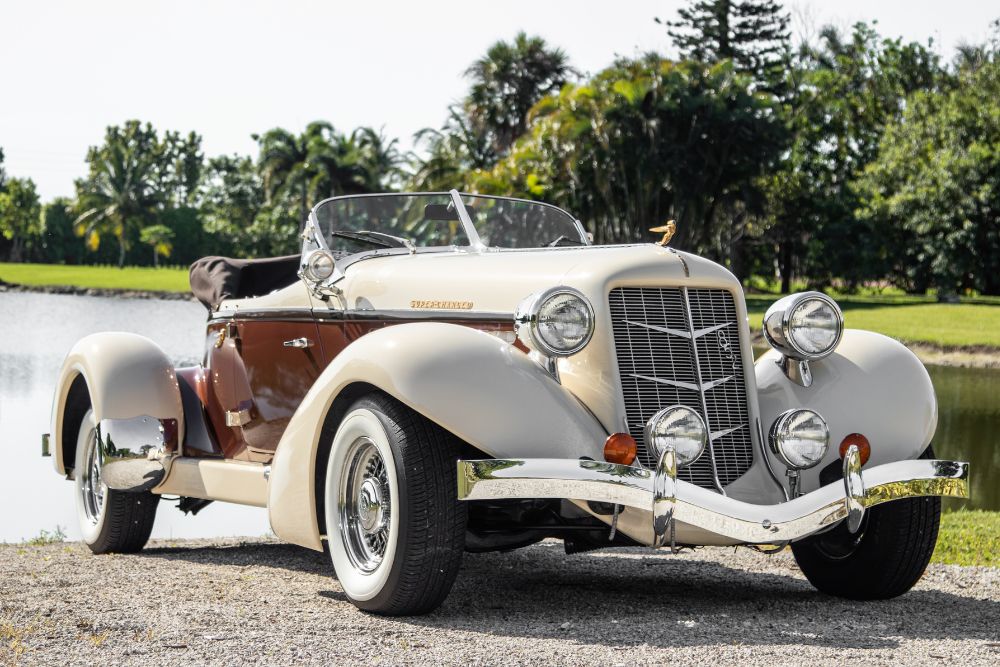
Specialist Vehicles: For luxury cars, vintage models, or heavily modified vehicles, insurers often require an independent valuation to determine coverage. These vehicles typically do not fit standard market valuation models.
Complex Insurance Needs: If you’re using your vehicle for commercial purposes or require coverage for unique risks, a professional valuation provides the accuracy and credibility insurers demand.
While professional valuations may incur a cost, they provide the most reliable basis for ensuring adequate insurance coverage and avoiding underinsurance.
Free Online Car Valuations for Insurance
Free online valuation tools provide a quick and convenient way to estimate your car’s value. These tools use algorithms to calculate the value based on basic details such as the make, model, year, and mileage.
Pros and Cons of Free Online Valuations
Advantages: Online valuations are fast, free, and easy to use. They are suitable for getting a general idea of your car’s worth and can help you decide on the type of coverage you might need.
Limitations: These valuations are often inaccurate because they do not account for specific factors like vehicle condition, local market demand, or modifications. As a result, they may not provide a sufficient basis for formal insurance policies.
When to Use Free Online Valuations
Free online valuations are best for preliminary research when you’re comparing insurance options or exploring coverage levels. However, they should not be relied upon for policies requiring precision, such as agreed value or specialist coverage.
Other Valuation Methods for Insurance
Dealer Valuations
Some insurers accept dealer valuations, especially when insuring a new or recently purchased vehicle. These valuations are typically provided as part of the sales process but may not account for long-term market changes or vehicle depreciation.
Best for: New car owners insuring their vehicle for its purchase value.
Replacement Valuation
For new vehicles, insurers often offer replacement value coverage, which guarantees the cost of replacing your car with a brand-new equivalent in case of a total loss. This valuation is typically limited to vehicles under a certain age, often the first two years of ownership.
Best for: New car owners seeking full protection against depreciation.
Which Car Valuation Do You Need for Insurance?
The type of valuation you need depends on your vehicle, insurance policy, and individual circumstances:
Market Value Insurance: Ideal for standard vehicles, market value policies use general estimates of your car’s worth. While affordable, these policies often pay less than expected in the event of a claim.
Agreed Value Insurance: Agreed value policies require a professional valuation to determine a fixed payout amount. This option is best for cars with unique value attributes, such as classic or modified vehicles.
Replacement Value Insurance: For newer cars, replacement value insurance ensures you’re covered for the full cost of replacing your vehicle. This is a preferred choice for owners of recently purchased vehicles.
Why Accurate Valuations Matter for Insurance
Accurate car valuations are essential to ensure your coverage matches your needs. An undervalued vehicle can leave you underinsured, meaning your payout may not cover repair or replacement costs.
Overestimating your car’s worth, on the other hand, may lead to higher premiums without added benefits.
Professional independent valuations provide a clear, credible basis for ensuring your policy aligns with your vehicle’s true value.
Need a Professional Car Valuation for Insurance?
At National Assessing & Engineering, we specialise in professional independent car valuations tailored to meet insurance requirements. Our expert assessors deliver accurate, detailed reports that are trusted by insurers across Australia. Whether you need a valuation for agreed value insurance, specialist vehicle coverage, or to resolve claims, we’ve got you covered.
Contact us today by calling 1800 844 999 to get your car valuation done. Protect your vehicle and ensure you’re properly covered with a trusted, professional valuation.