
Classic cars hold a special place for collectors and enthusiasts, often representing a significant investment. Whether you’re buying or selling a classic car, obtaining a professional classic car valuation is essential to ensure transparency and fairness in the transaction. This article will explore why valuations are crucial, how they benefit buyers and sellers, and what factors influence the valuation process in Australia.
The Importance of Classic Car Valuations
When buying or selling a classic car, the stakes are high. Classic cars often appreciate over time, and their value is influenced by a range of factors, including rarity, condition, and market demand. A classic car valuation ensures that both parties in the transaction have a clear understanding of the car’s worth.
For Buyers
A valuation protects buyers from overpaying for a vehicle. With the expertise of a professional assessor, you can gain detailed insights into the car’s history, current condition, and market value. This transparency reduces the risk of hidden issues, such as mechanical problems or discrepancies in restoration quality.
For Sellers
For sellers, a valuation provides evidence to support the asking price. A well-documented report from a qualified assessor not only adds credibility but also appeals to serious buyers. It ensures you don’t undervalue your car, helping you secure the best possible return on your investment.
Factors Considered in Classic Car Valuations
Understanding what goes into a car valuation helps illustrate why the process is so important. Professional evaluators in Australia evaluate several key factors to determine a classic car’s true market value.
1. Make, Model, and Year
The make and model of a classic car play a major role in determining its value. Rare or highly sought-after models, such as Australian classics like the Holden Monaro or Ford Falcon GT, often command higher prices. The car’s year of manufacture also affects its collectability.
2. Condition and Restoration
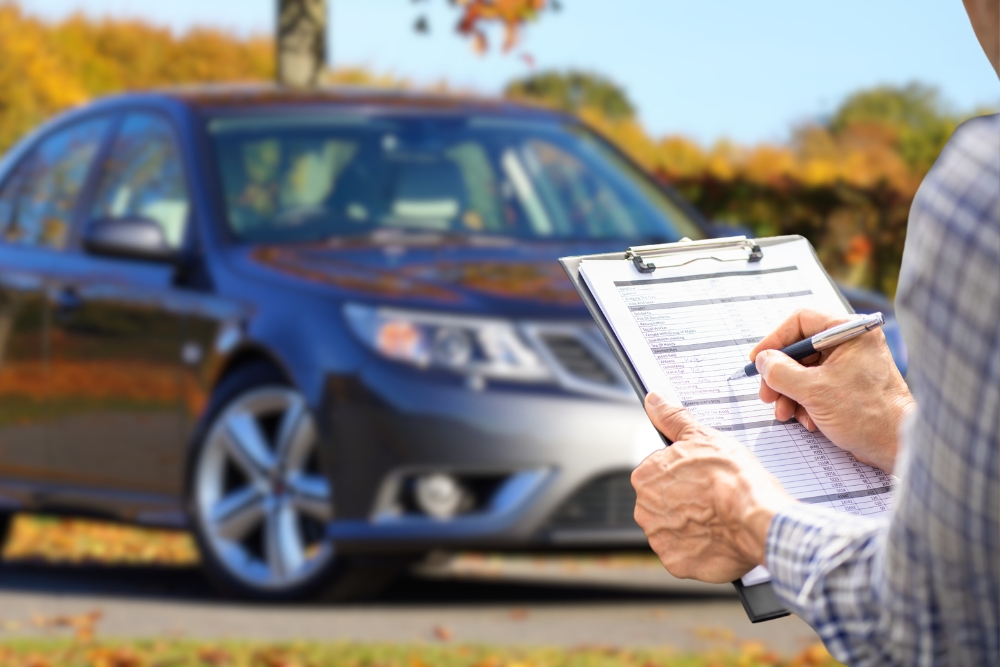
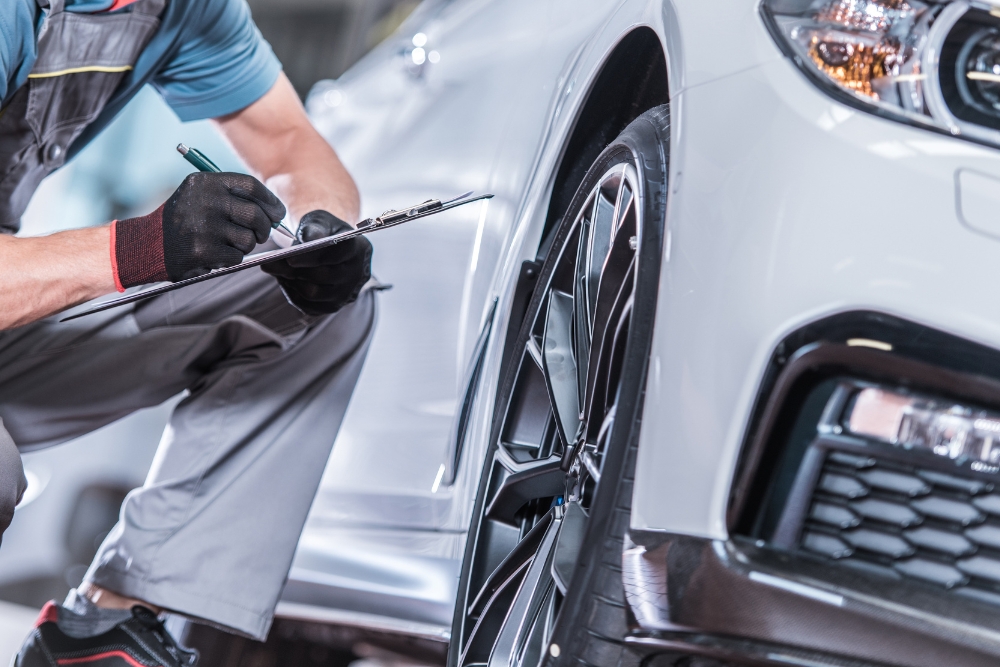
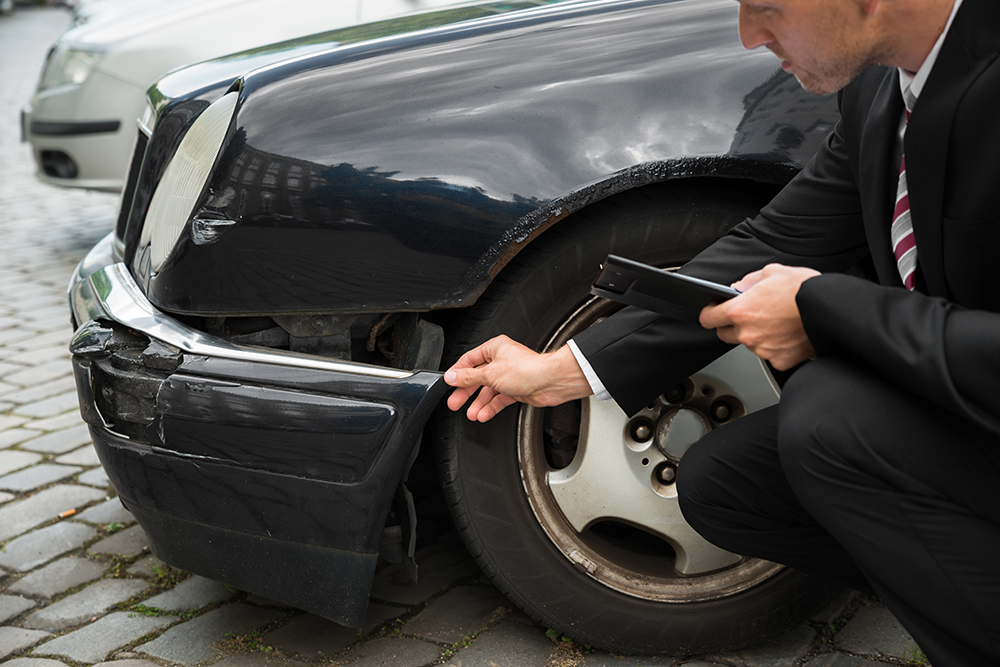
The condition of the vehicle is paramount. Assessors examine the car’s bodywork, interior, and mechanical components. Originality is highly prized, so vehicles with original parts and minimal restoration typically receive higher valuations.
For cars that have been restored, the quality and authenticity of the restoration are thoroughly assessed. Poor restoration work can diminish value, while expert craftsmanship can significantly enhance it.
3. Rarity and Demand
The rarity of a model directly impacts its value. Limited production runs or discontinued models tend to appreciate over time. Additionally, market demand fluctuates, influenced by trends in classic car collecting and investment.
4. Documentation and History
Well-documented classic cars, including service records, ownership history, and original manuals, are more desirable. A detailed paper trail reassures buyers of the car’s provenance and helps sellers justify their asking price.
The Benefits of Getting a Classic Car Valuation
Investing in a classic car valuation offers a range of benefits for both buyers and sellers. Here are the key advantages:
Accurate Pricing
Valuations ensure the car is priced appropriately for the current market, preventing disputes and fostering smoother transactions.
Legal Protection
A professional valuation protects both parties from potential legal disputes. By providing a documented assessment of the car’s value, buyers and sellers have proof of transparency during the sale.
Financial Planning
For buyers, knowing the car’s true value helps with budgeting and negotiating. Sellers, on the other hand, can use valuations to maximise their profits or understand their car’s long-term investment potential.
Insurance and Financing
Classic car valuations are often required for insurance purposes. Accurate valuations ensure that the car is covered for its full worth in the event of damage or loss. Additionally, buyers seeking financing may need a valuation to support their loan application.
When to Get a Classic Car Valuation
Timing is crucial when it comes to valuations. Here are some scenarios where a valuation is particularly beneficial:
Before Purchasing
A valuation before purchase ensures buyers are aware of any hidden issues or inflated prices. This is especially important for first-time buyers who may not be familiar with the nuances of classic car markets.
Before Selling
If you’re planning to sell, getting a valuation early helps set a competitive and fair asking price. It also helps identify any repairs or improvements that could increase the car’s market value.
For Insurance Purposes
Classic cars often require specialised insurance policies. A valuation ensures that your car is insured for its true worth, safeguarding your investment.
Need Help With Classic Car Valuations?
At National Assessing & Engineering, we specialise in providing comprehensive classic car valuations tailored to the Australian market. Whether you’re buying, selling, or insuring your vehicle, our experienced assessors ensure accurate and reliable reports to protect your investment.
Contact us today at 1800 844 999 to discuss getting your classic car valuation done. Our team is here to help you make informed decisions with confidence.