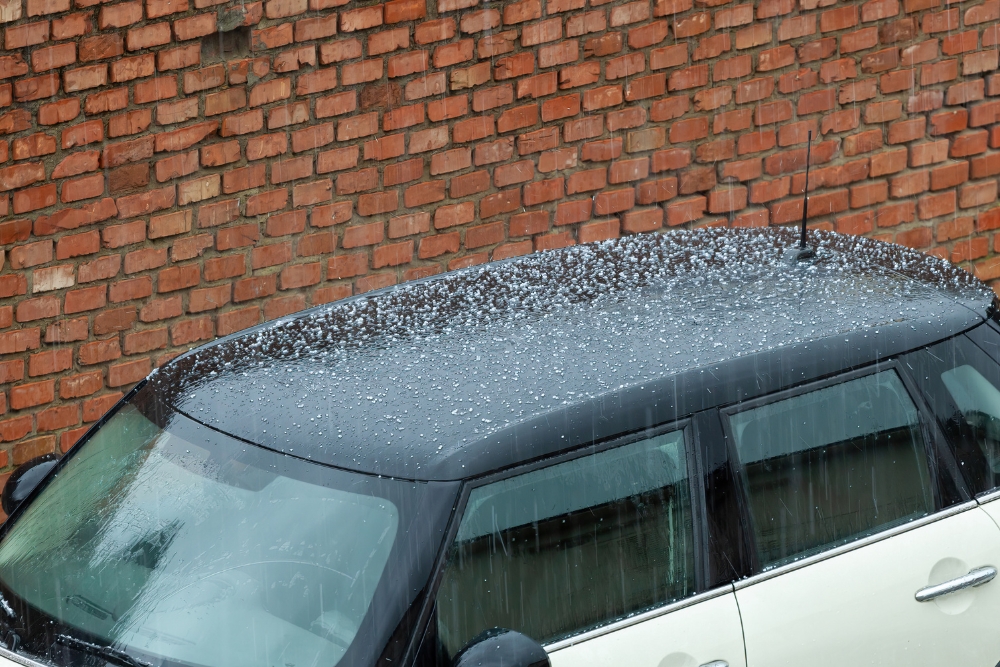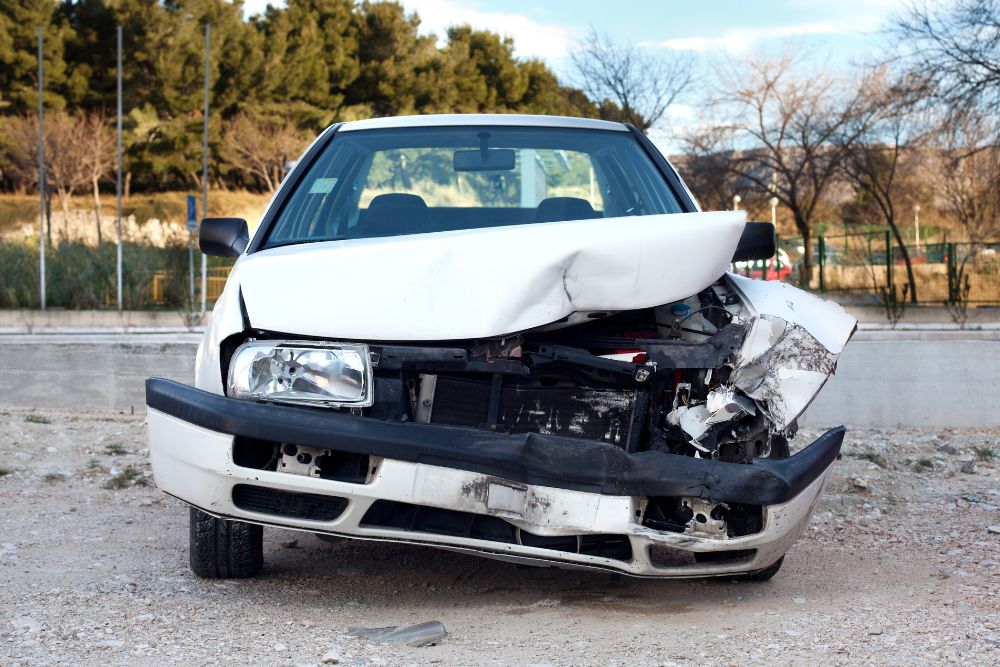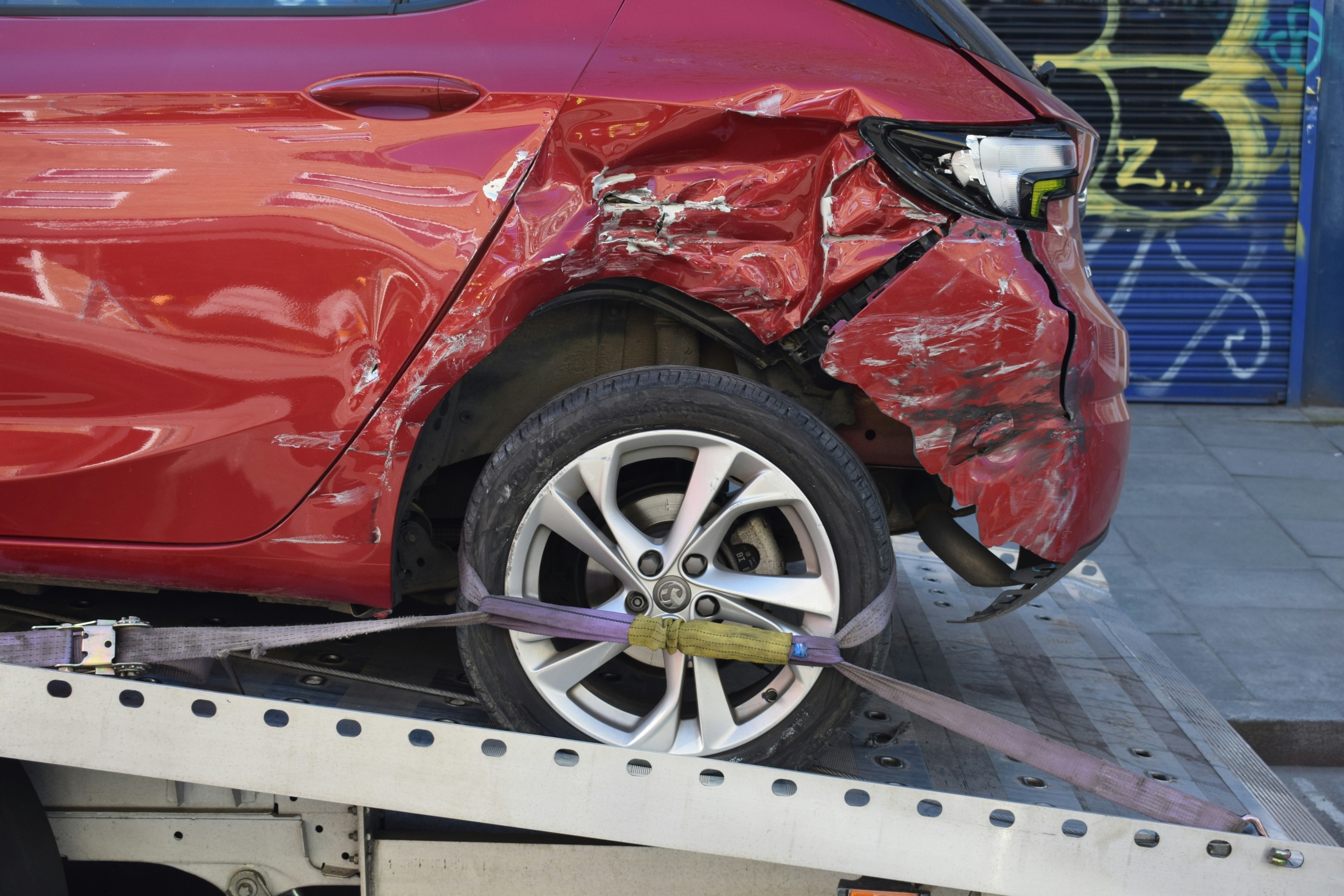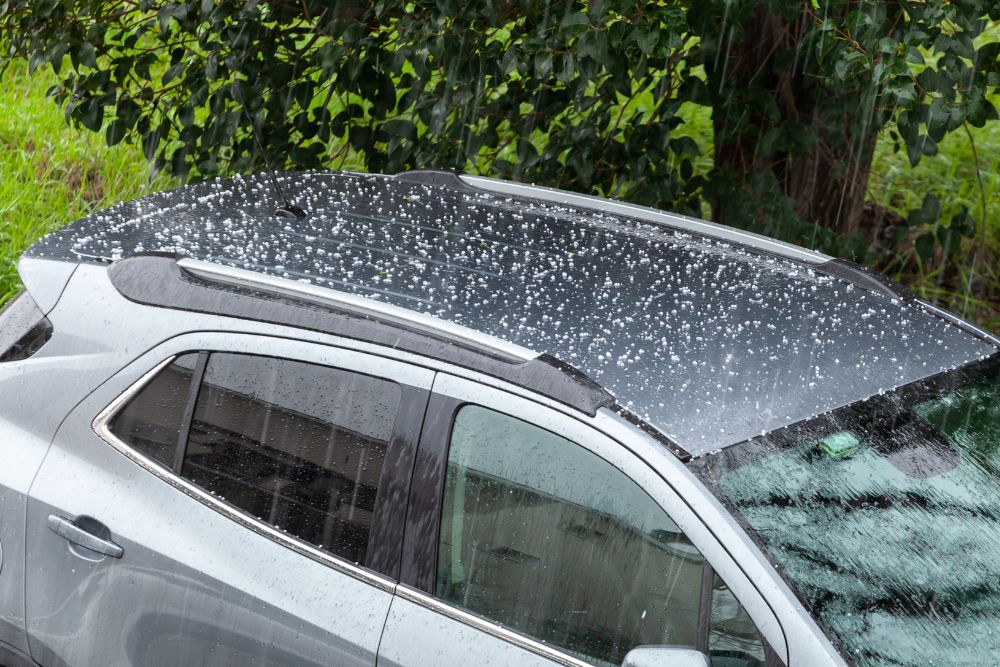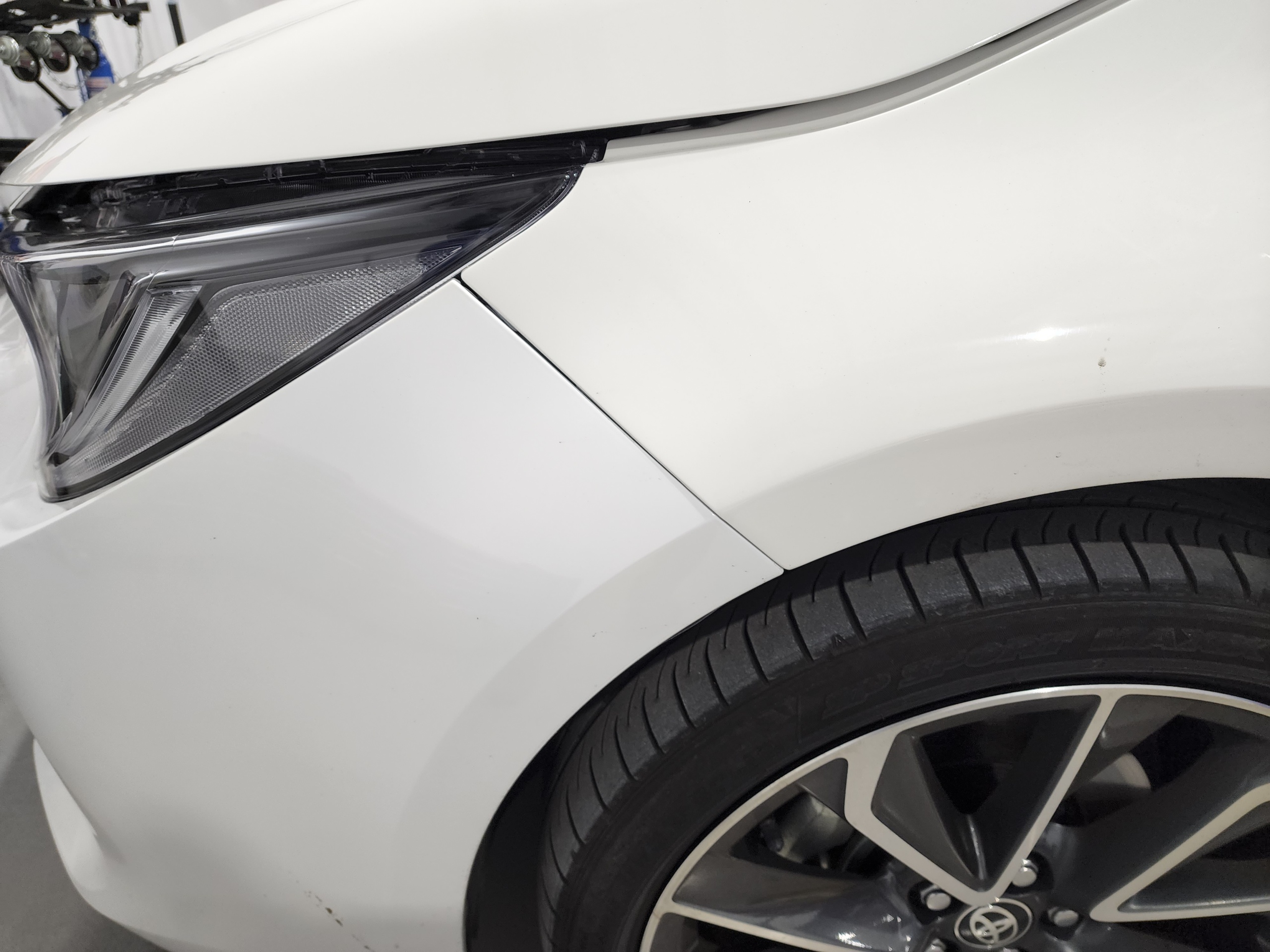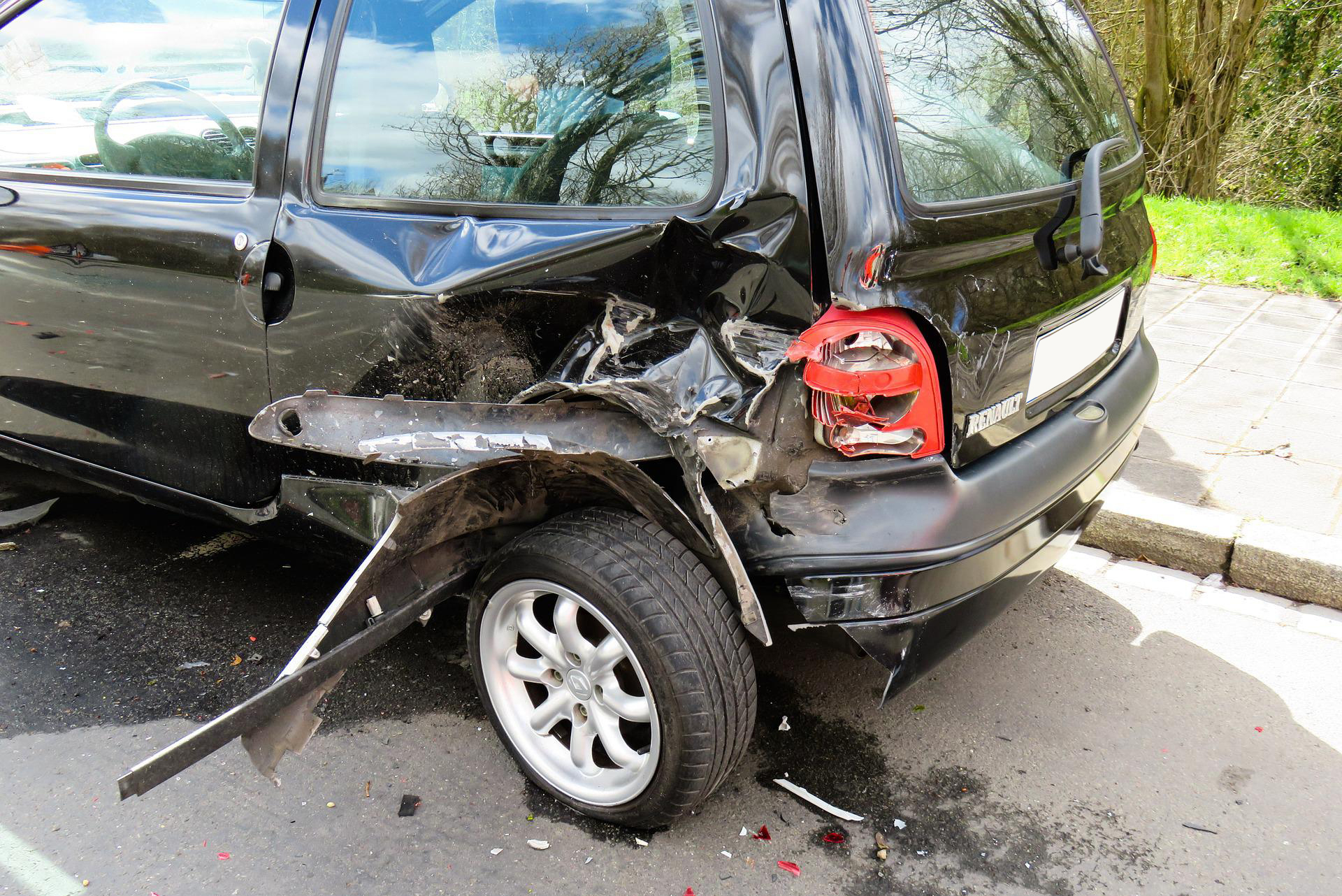
Hail damage can be a significant concern for car owners, especially in Australia where severe storms can cause extensive damage to vehicles. Many car owners wonder if they can still obtain insurance for a vehicle that has already sustained hail damage. This article explores the complexities of insuring hail-damaged vehicles, what options are available, and what factors insurers consider when making their decisions.
Can You Insure a Car with Existing Hail Damage?
Yes, it is possible to insure a car with pre-existing hail damage in Australia, but there are important caveats and conditions that apply. Most insurance companies will consider providing coverage for hail-damaged vehicles, but the type and extent of coverage may differ significantly from what’s offered for undamaged vehicles.
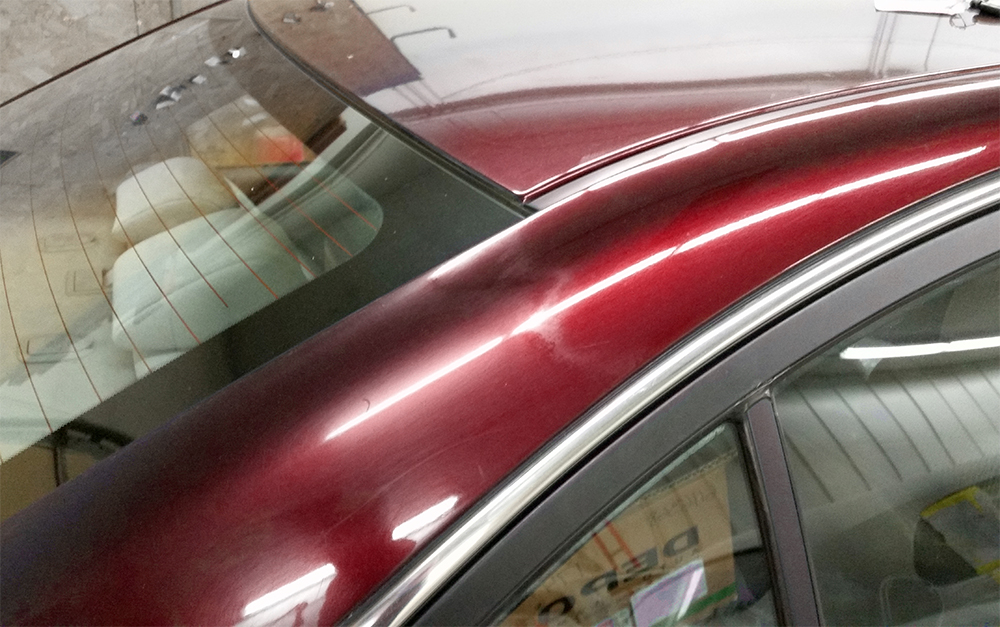
Generally, insurers approach hail-damaged vehicles in one of several ways. Some insurers may agree to cover the vehicle fully but exclude any claims related to the pre-existing hail damage. This means if your car has dents on the roof and bonnet from a previous hailstorm, the insurer will note these damaged areas and exclude them from future claims unless you repair them first.
Other insurers might offer reduced coverage, such as third-party property damage only, which covers damage you cause to other vehicles or property but not damage to your own vehicle. This option is often less expensive than comprehensive coverage but provides significantly less protection for your vehicle.
Disclosure Requirements
When applying for insurance for a hail-damaged car, full disclosure of the existing damage is absolutely essential. Failing to disclose pre-existing damage could constitute insurance fraud and may result in your policy being voided if discovered later. During the application process, insurers typically ask specific questions about the condition of your vehicle, including whether it has sustained any damage.
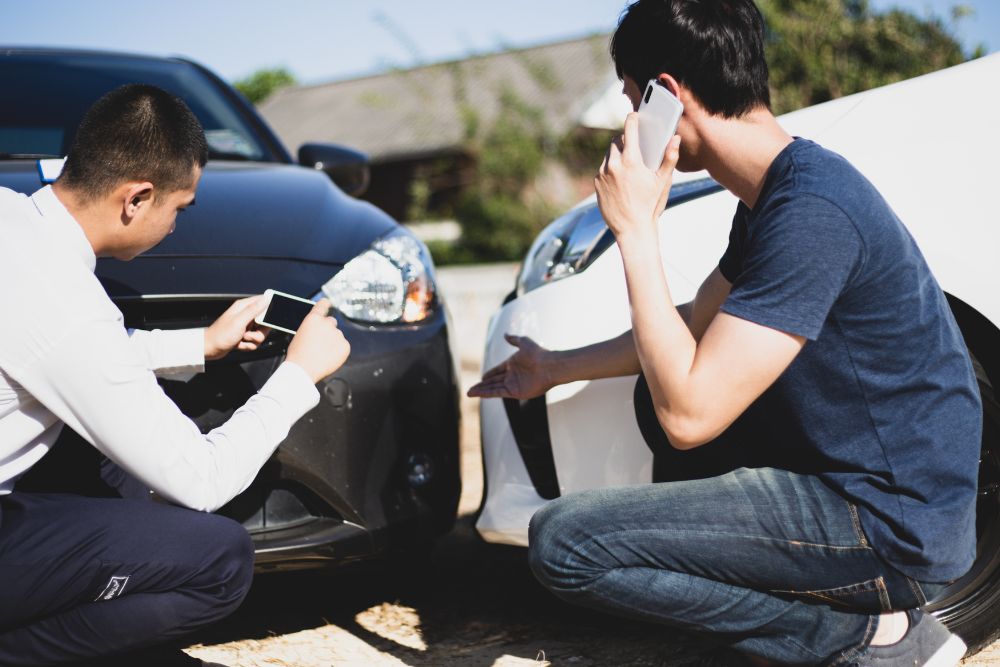
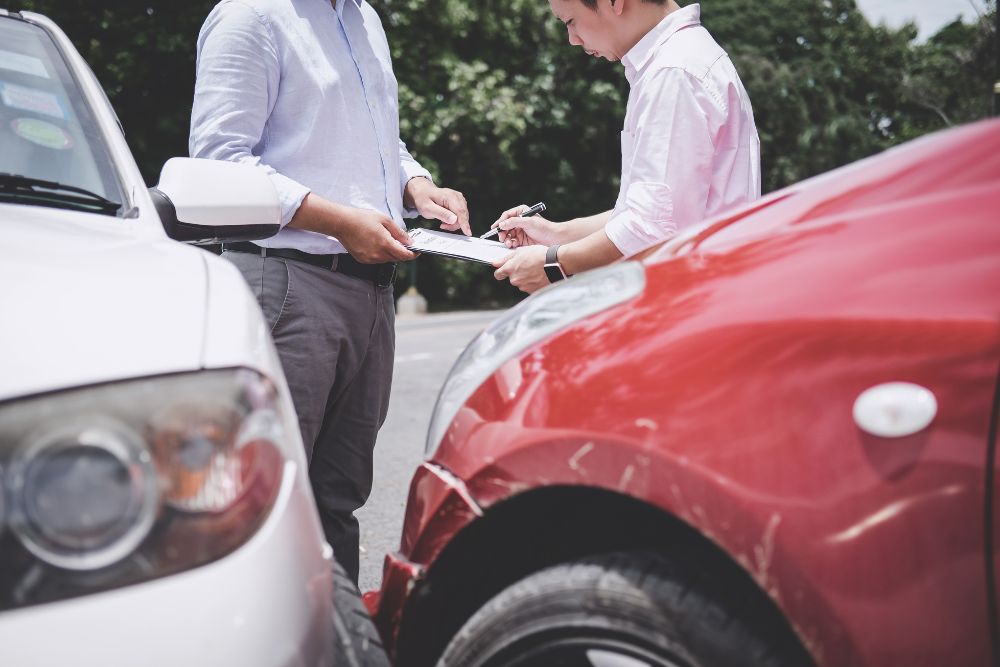
In many cases, insurers will request photographs of the vehicle from multiple angles or may require a physical inspection before agreeing to provide coverage. This helps them accurately assess the extent of the damage and determine appropriate coverage and premiums. Be prepared to document all existing damage thoroughly and honestly to avoid complications with your policy.
Premium Implications
Insuring a hail-damaged car can affect your premiums in various ways. In some instances, you might actually pay lower premiums because the insurer is excluding coverage for the damaged areas. However, this means you’re essentially self-insuring those damaged components of your vehicle.
Conversely, some insurers may charge higher premiums due to the increased risk associated with pre-existing damage. They might consider that a vehicle with hail damage could be more susceptible to further damage or complications in the future. Each insurance company has its own risk assessment models and pricing structures, so it’s worth shopping around for quotes from different providers.
Options for Owners of Hail-Damaged Cars
If you own a hail-damaged car, you have several options to consider regarding insurance and repairs. Each option has its own advantages and disadvantages depending on your specific circumstances and the extent of the damage.
The most straightforward option is to repair the hail damage before seeking insurance. This ensures you can obtain standard comprehensive coverage without exclusions. While this involves an upfront cost, it may be more economical in the long run, especially if the damage is extensive or if you plan to keep the vehicle for many years.
Alternatively, you can seek insurance with noted exclusions for the damaged areas. This option works well if the damage is minor or primarily cosmetic and doesn’t affect the vehicle’s safety or performance. You’ll need to accept that future damage to these areas won’t be covered unless you repair them.
Market Value Adjustments
When insuring a hail-damaged vehicle, insurers will typically adjust the market value to reflect the car’s condition. This means the agreed value or market value listed in your policy will be lower than it would be for an undamaged equivalent vehicle. While this may result in lower premiums, it also means you’ll receive a smaller payout if the car is written off in a future incident.
It’s important to understand that the reduction in value due to hail damage can be substantial, particularly for newer vehicles. In some cases, the decrease in market value might exceed the cost of repairs, making it financially sensible to fix the damage before insuring the vehicle.
Factors Insurers Consider When Insuring Hail-Damaged Cars
Insurance companies evaluate several key factors when determining whether to insure a hail-damaged vehicle and under what terms. Understanding these factors can help you better navigate the insurance process and make informed decisions about your vehicle.
The severity and extent of the hail damage are primary considerations. Minor cosmetic damage, such as small dents on the roof or bonnet, may be viewed more favourably than extensive damage that affects the vehicle’s structural integrity or safety features. Insurers distinguish between cosmetic damage and damage that impairs the vehicle’s functionality or safety.
The age and overall value of the vehicle also play significant roles in the insurer’s decision-making process. For older vehicles with lower market values, comprehensive insurance might not be cost-effective regardless of hail damage. In these cases, third-party property damage coverage might be the most practical option.
Safety Implications
Insurers are particularly concerned about safety implications of hail damage. Damage that affects the vehicle’s safety features, such as lights, windscreen, or structural components, raises significant concerns for insurers. They may require these safety-related damages to be repaired before offering comprehensive coverage.
Additionally, some hail damage can lead to secondary problems if left unaddressed. For example, damaged paint or bodywork might lead to rust and corrosion over time, potentially causing more serious structural issues. Insurers may factor in these potential future complications when assessing risk and determining coverage options.
Vehicle History and Previous Claims
Your vehicle’s history and your own claims history can influence an insurer’s decision regarding coverage for a hail-damaged car. If the vehicle has been previously written off and repaired, or if it has a history of multiple damage claims, insurers may be more hesitant to provide comprehensive coverage.
Similarly, if you have a history of multiple insurance claims, particularly for weather-related damage, some insurers might be less willing to take on the risk of insuring your hail-damaged vehicle or may charge significantly higher premiums to do so.
Important Considerations Before Insuring a Hail-Damaged Car
Before proceeding with insurance for a hail-damaged vehicle, there are several important factors to consider to ensure you make the best decision for your circumstances. Taking time to evaluate these considerations can save you money and prevent potential issues down the road.
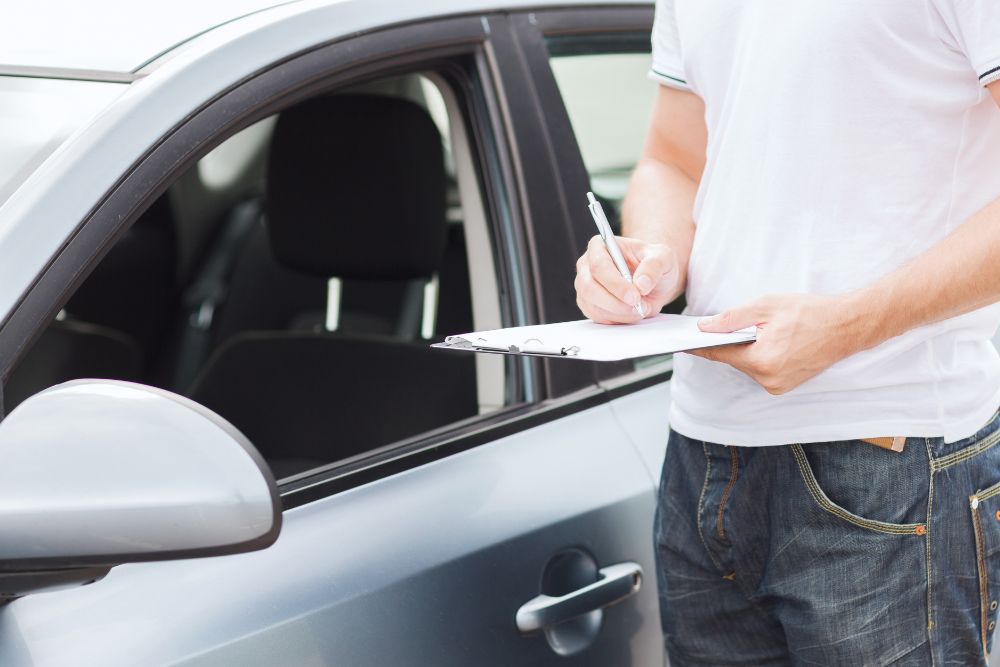
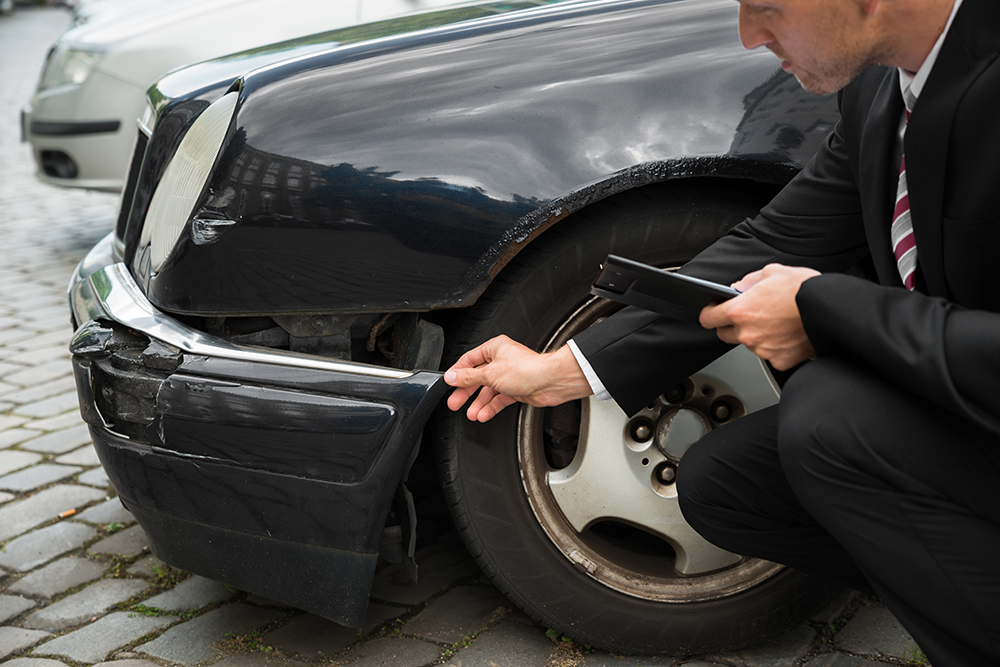
First, obtain a professional assessment of the hail damage to understand its full extent and the potential cost of repairs. An independent car assessor can provide an unbiased evaluation of the damage and repair costs, which helps you make an informed decision about whether to repair the vehicle before insuring it or to accept coverage with exclusions.
Compare the cost of repairs against the reduction in the vehicle’s market value due to the damage. In some cases, particularly with newer vehicles, the decrease in value might exceed the repair costs, making repairs the more economical choice before seeking insurance.
Insurance Shopping Strategy
When seeking insurance for a hail-damaged car, it’s crucial to shop around and compare offers from multiple insurers. Different insurance companies have varying policies regarding pre-existing damage, and some may be more accommodating than others. Obtain quotes from at least three different insurers to compare premiums, coverage options, and exclusions.
Be particularly attentive to the fine print in insurance policies. Look for specific clauses related to pre-existing damage, exclusions, and claim procedures. Some policies might contain unfavourable terms that aren’t immediately apparent from the premium price or the basic coverage description.
Long-term Implications
Consider your long-term plans for the vehicle when deciding on insurance options. If you intend to keep the car for many years, repairing the damage and obtaining full comprehensive coverage might be more beneficial despite the initial expense. Conversely, if you plan to sell or trade in the vehicle soon, you might opt for minimal coverage with exclusions for the damaged areas.
Remember that unrepaired hail damage can make selling your vehicle more difficult and will likely reduce its resale value. Potential buyers may be concerned about hidden damage or future complications, and many will use visible hail damage to negotiate a lower purchase price.
Need Expert Assessment for Your Hail-Damaged Vehicle?
Navigating insurance options for a hail-damaged car can be complex, but understanding your options helps you make the best decision for your specific situation. Whether you choose to repair the damage before seeking coverage or opt for insurance with noted exclusions, ensure you fully understand the terms and implications of your choice.
As independent car assessors in Australia, National Assessing & Engineering can provide expert assessment of hail damage to your vehicle, giving you accurate information to present to insurers and helping you understand your repair options. Our professional assessors can document the extent of the damage, estimate repair costs, and provide the documentation you need when dealing with insurance companies. Contact our team today by calling 1800 844 999 for a comprehensive assessment of your hail-damaged vehicle.