Do Modified Cars Have a Higher or Lower Valuation?
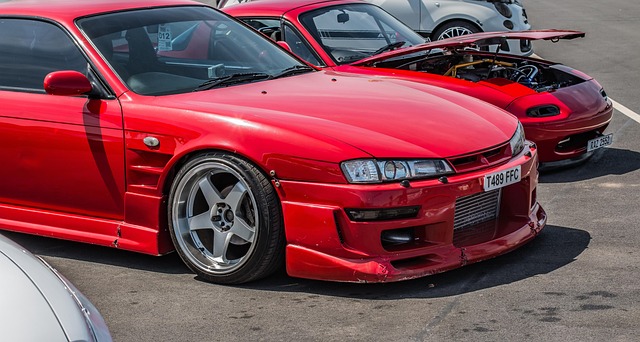
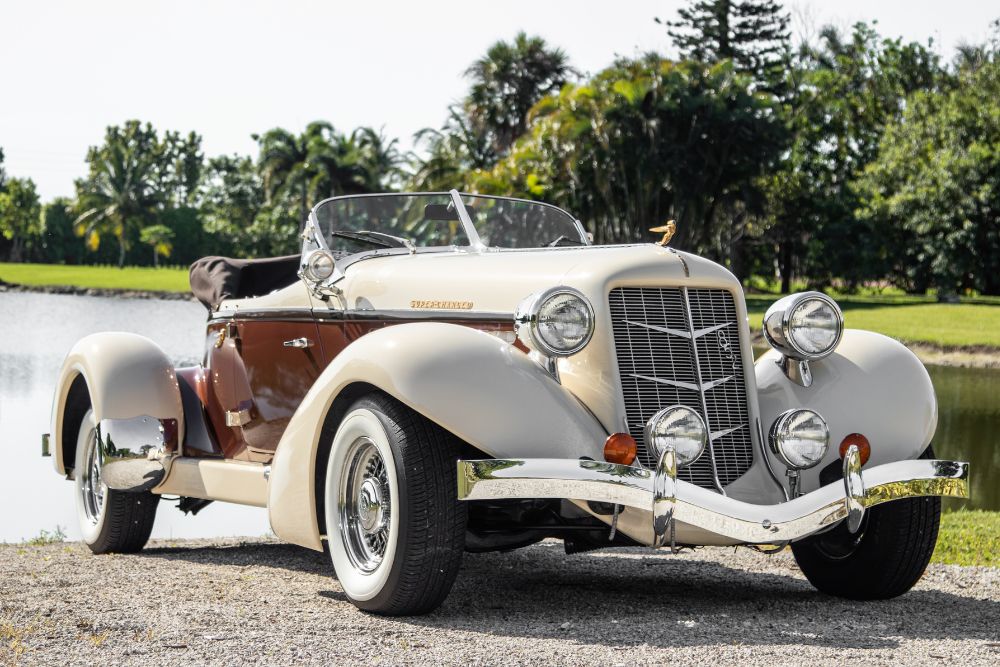
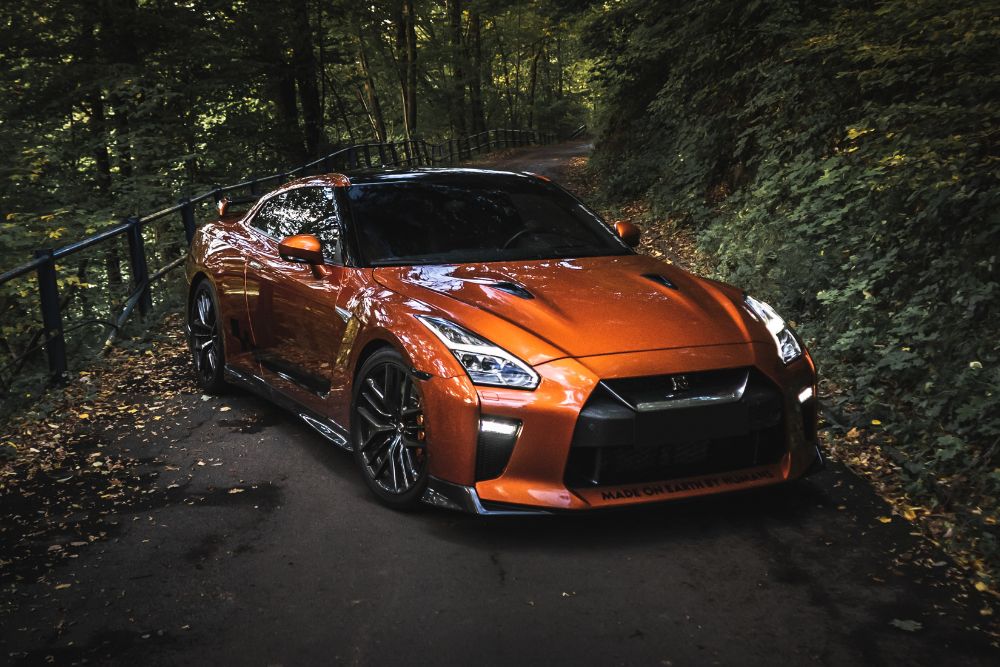
When it comes to vehicle valuations, modified cars present a unique challenge. Whether you’ve added performance upgrades, aesthetic enhancements, or functional modifications to your vehicle, these changes can significantly impact its market value—sometimes positively, but often negatively. Understanding how modifications affect your car’s valuation and what affects the value of your car is essential, especially if you’re planning to sell, insure, or make an insurance claim after an accident. How Modifications Impact Car Valuations The relationship between modifications and car valuation isn’t straightforward. Contrary to what many car enthusiasts believe, modifications don’t automatically increase a vehicle’s value. In fact, many modifications can actually decrease a car’s value in the eyes of insurance companies, assessors, and potential buyers. Professional modifications that enhance performance, safety, or functionality might add value in specific markets. For example, thoughtfully upgraded four-wheel drives with quality aftermarket suspension, bull bars, and recovery equipment may command premium prices among off-road enthusiasts in the Australian market. Similarly, tasteful modifications to collector vehicles using rare or period-correct parts can increase value in specialist circles. However, most mainstream modifications typically result in value depreciation. Significant engine modifications, extreme body kits, and non-standard paint jobs can reduce a car’s appeal to the average buyer. Insurance assessors and professional valuers often view heavily modified vehicles as higher risk, with potential reliability issues and unknown quality of installed components. Modifications That May Increase Value Certain modifications can positively impact a car’s valuation, particularly when they’re performed professionally and enhance the vehicle’s functionality. Factory-approved accessories and dealer-fitted options typically retain value better than aftermarket alternatives. These might include manufacturer-approved tow packages, roof racks, or navigation systems that integrate seamlessly with the vehicle. In Australia’s harsh climate, practical modifications like window tinting (within legal limits), quality bull bars, and underbody protection can be value-adding features, especially for vehicles in regional and rural areas. These modifications serve a clear purpose without compromising the vehicle’s integrity or appearance. Some performance upgrades can also add value when done properly and with documentation. Professional ECU remapping by respected tuners, high-quality suspension upgrades, and reputable brake improvements might appeal to discerning buyers who understand and appreciate these enhancements. However, the market for such modified vehicles is typically smaller than for standard cars. Modifications That Usually Decrease Value Many modifications that car enthusiasts love can significantly decrease a vehicle’s market value. Extensive engine modifications, especially those that push components beyond factory specifications, often raise concerns about reliability and longevity. Potential buyers and assessors may worry about increased wear and tear, voided warranties, and future repair costs. Extreme aesthetic modifications like custom paint jobs, oversized wheels, and aftermarket body kits typically reduce a car’s appeal to mainstream buyers. While these modifications might attract attention within niche communities, they generally limit the pool of potential buyers and consequently reduce market value. Non-reversible modifications are particularly problematic for valuation. Structural changes like roof chops, body panel modifications, or interior reconfigurations that cannot easily be returned to standard can dramatically decrease a car’s value. Likewise, poor-quality...