
After a car accident, you might be aware that medical expenses and vehicle repair costs are typically claimable. But did you know that lost earnings and potential compensation for pain and suffering can also be included?
Each type of expense has its own set of requirements for proof that need careful attention. As you collect your documents, you may be wondering about other lesser-known costs that can be claimed.
Let’s look at what expenses you can claim to ensure you’re not missing out on any entitlements.
Expenses You Can Claim After a Car Accident
After a car accident, you might be unsure about which expenses you can claim. Let’s break it down clearly to ensure you’re not missing out on any entitlements.
Here are the key expenses you can typically claim after a car accident:
- Medical Expenses: Hospital bills, surgeries, medications, and rehabilitation costs.
- Lost Wages: Compensation for income you’ve missed due to being unable to work.
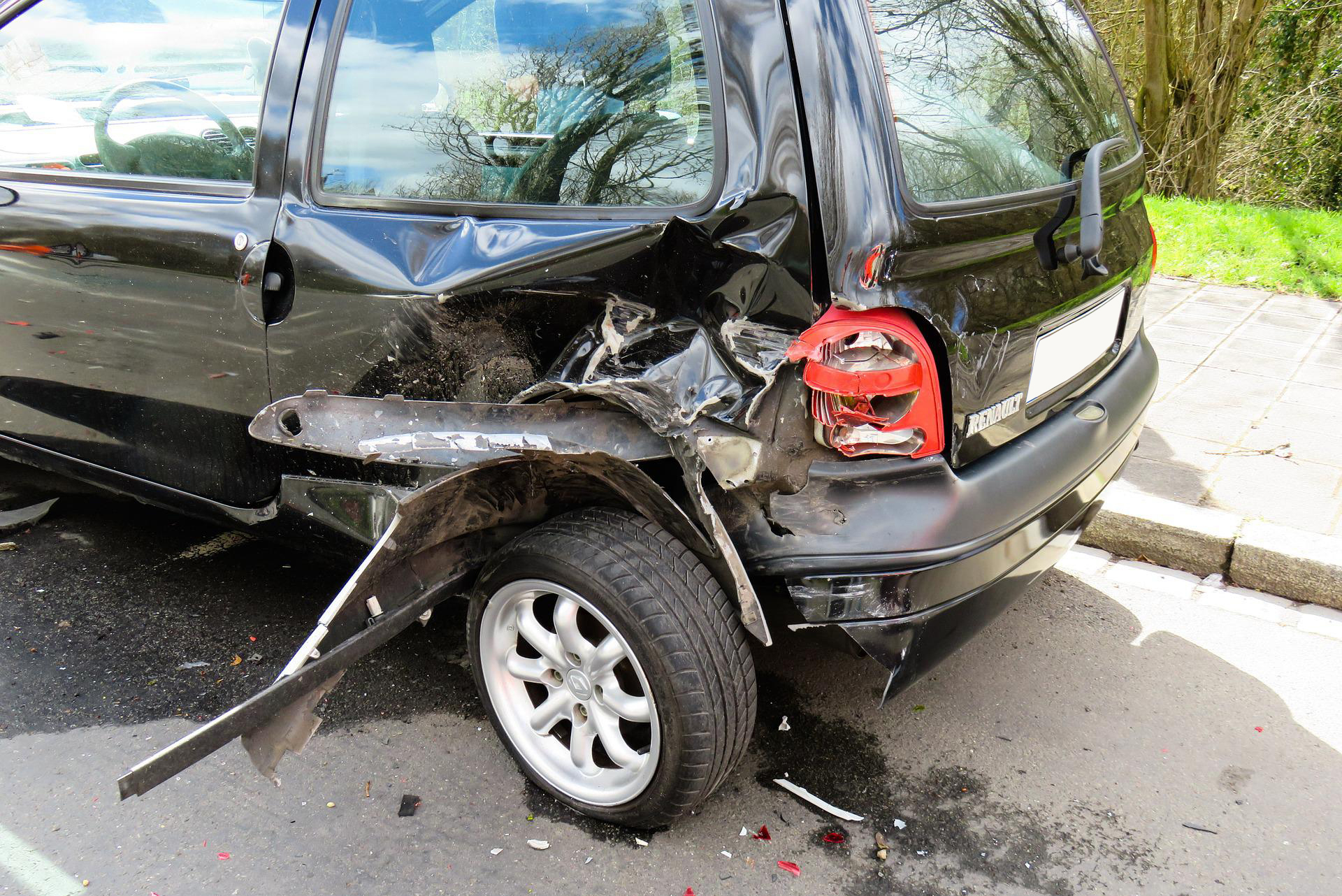
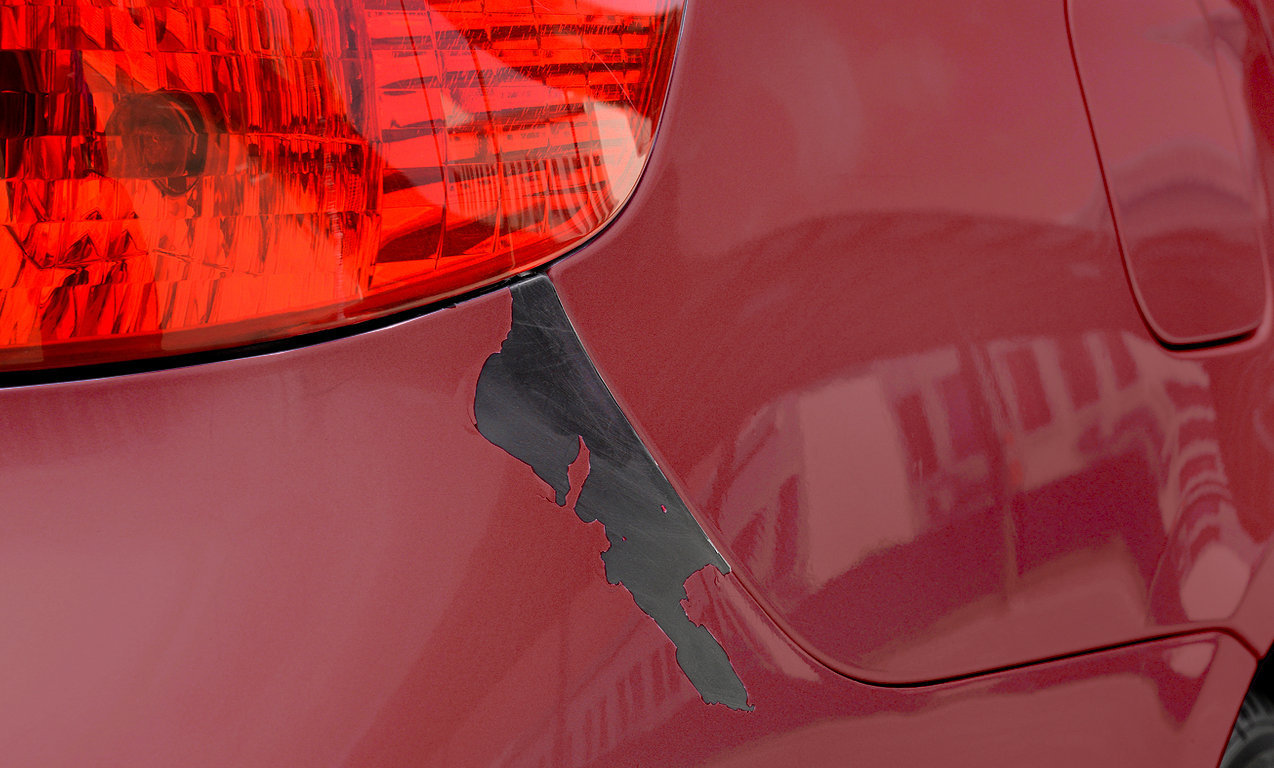
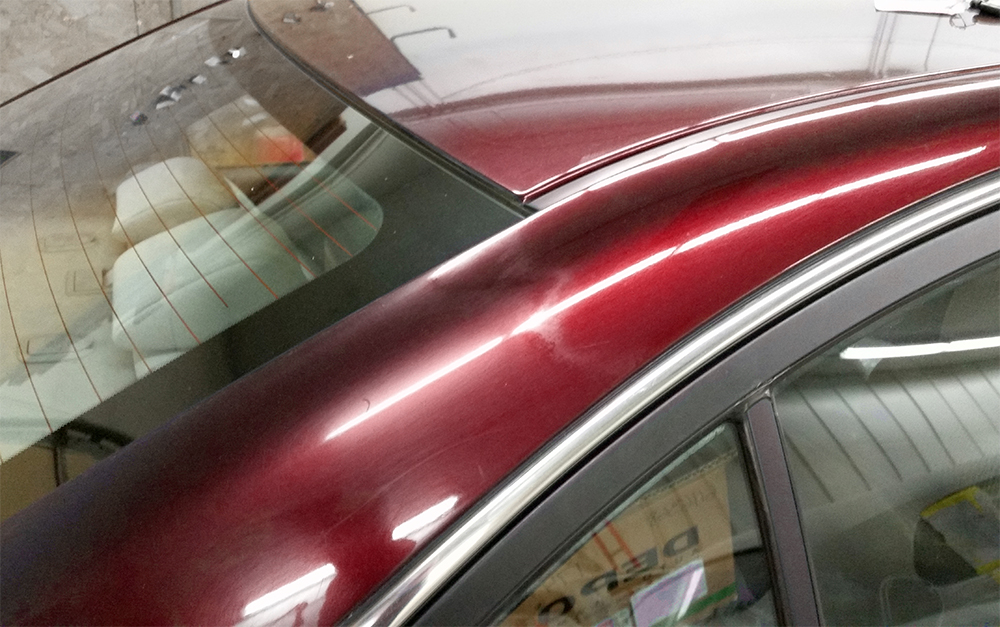
- Vehicle Damage and Repairs: Covers the cost of repairing your vehicle or replacing it if it’s a total loss.
- Pain and Suffering: Compensation for the emotional and physical toll the accident has had on your well-being.
- Legal and Administrative Costs: Legal fees, court costs, and any expert witnesses required for your claim.
Now that we’ve outlined the key expenses, let’s take a closer look at each one to understand how they apply to your situation.
Medical Expenses
You should account for hospitalisation expenses, which can be substantial, especially if you need to stay overnight or require emergency services.
Visits to the emergency room often cost around $2,000 each. In addition, you might need ambulance services and transport for medical appointments, which increase your costs further.
You can claim these costs along with other medical expenses such as prescription medications, which may cost about $1,200 a year. If you need at-home care or rehabilitation therapy, expect to spend about $1,000 per month.
Remember to include costs for any surgeries, medications, and essential travel to medical appointments following the accident.
It’s vital to keep all receipts and documentation to support your claims process.
Surgery Expenses
Surgery expenses can vary greatly, depending on how complex the procedure is to treat your injuries. These costs can range from a few thousand to several tens of thousands of dollars.
It’s important to check if your insurance covers these costs, as they should if the surgery is necessary for your recovery. Always make sure you keep detailed records, such as medical bills and doctor’s recommendations, to support your claims.
Moreover, you might be able to claim costs for pre-operative consultations and follow-up appointments. These are often not considered but can add significantly to your total medical expenses after an accident.
Medication Costs
After covering the large costs linked with surgery after a car accident, you should consider the ongoing cost of medications.
Prescription drugs alone might cost you an average of $1,200 annually, a significant amount that adds greatly to your overall medical expenses.
Remember, over-the-counter drugs recommended by your healthcare provider can also be included in your claims. The total cost can vary widely depending on the severity of the injury and the length of treatment, affecting your compensation.
You should keep all receipts and prescriptions as solid evidence of your medication expenses for insurers or legal bodies.
Claiming Lost Wages
To make sure you receive full compensation for lost wages after a car accident, first determine your average daily wage, which is generally $200 for full-time workers. If you’re self-employed, your lost income might average $5,000 per month.
If your injuries prevent you from working, you can claim this amount for the entire time you’re recovering, even if it lasts more than three months.
It’s important to remember that not only your base salary counts. You should also include any lost overtime, bonuses, and benefits to fully reflect your wage loss.
Keep detailed records of your usual earnings to support your claim.
Always ensure your calculations are thorough to get the full compensation you deserve.
Collect all necessary documents like pay slips and a detailed statement from your employer showing the days you missed work and the wages you didn’t earn.
Vehicle Damage and Repairs
Handling vehicle damage after a car accident can be expensive.
If your car is written off, you may claim its market value as compensation. It’s important to get the car assessed to be ensure you are compensated the full amount for the vehicle’s true value.
Remember to also claim for personal items you lost, such as electronics and clothing. You can also claim expenses for a rental car, which typically costs $30 per day, while your car is being repaired.
Don’t forget that your insurance excess, which is usually between $500 and $1,000, will also be part of your claim.
Make sure to collect important documents, like repair estimates and receipts, to support your claims and get reimbursed for these costs.
Pain and Suffering Compensation
After being involved in a car accident, you may be eligible for compensation for the physical and emotional distress resulting from your injuries. This type of compensation includes not only the immediate physical pain but also the long-term emotional effects of the incident.
Legal and Administrative Costs
Legal fees for personal injury claims generally range from 25% to 40% of the settlement amount, based on your lawyer’s agreement. You’ll also encounter filing fees, which typically cost around $400, though this can differ depending on the area and court requirements.
If your claim needs expert testimony, expect to pay an average of $1,500 per expert witness.
Again, carefully recording all these expenses is important to ensure you get reimbursed during the claims process.
Conclusion
To wrap things up – after a car accident, it’s important to carefully record all costs. Beyond the obvious costs like medical bills and car repairs, you can also include additional losses such as ongoing medical treatments, lost wages, rental car expenses, and even pain and suffering. Every detail matters, so be sure to keep thorough records and receipts to support your claim.
At National Assessing & Engineering, we specialise in ensuring that your car repairs are done correctly and safely. If you’ve recently had your vehicle repaired, we provide independent post-repair inspections to assess the quality of the work. Substandard repairs can compromise your car’s safety, value, and performance.
Ready to make sure your car is roadworthy after repairs? Book a post-repair assessment with us today and drive with confidence, knowing your vehicle meets manufacturer standards. Reach out to us at 1800 844 999 or fill out the form on our website. Your safety is our priority!